Agriculture Minister of India: Ministry Leadership & DBT
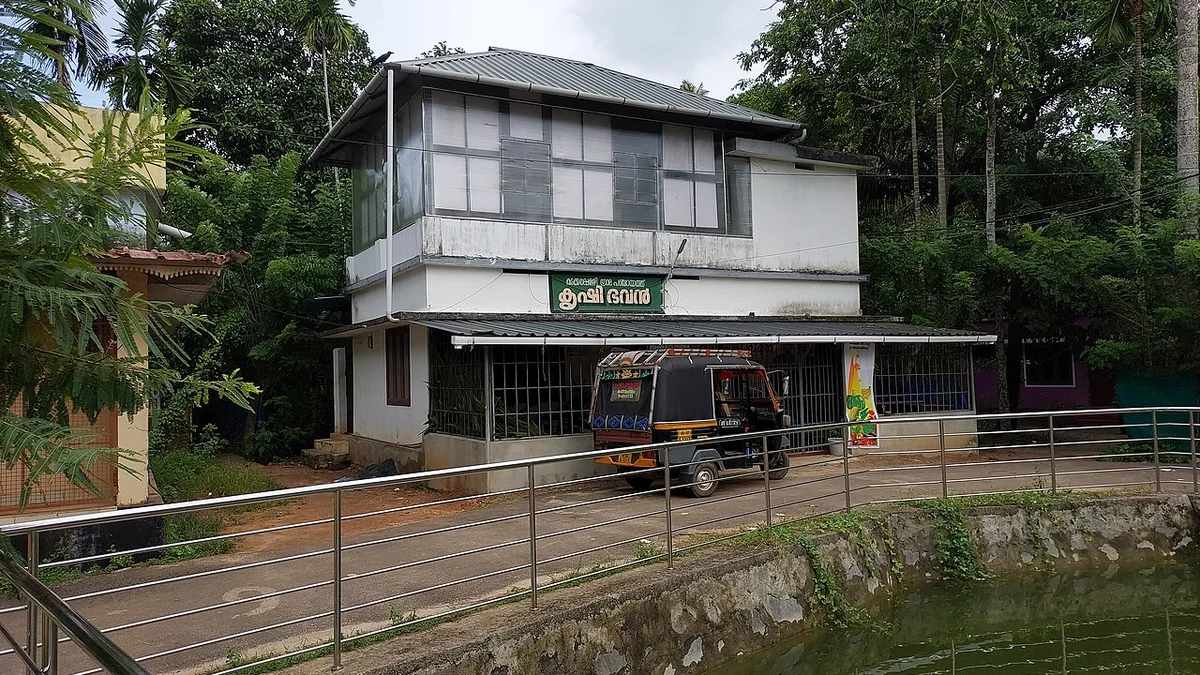
Key takeaways
- The Union Cabinet Minister of Agriculture and Farmers Welfare of India is Shri Shivraj Singh Chouhan, who assumed office in June 2024 and leads the portfolio alongside the Ministry of Rural Development as of November 2026.
- Assisting the Union Minister in Krishi Bhawan are two Ministers of State (MoS): Shri Ram Nath Thakur and Shri Bhagirath Choudhary, overseeing parliamentary affairs, regional outreach, and mechanization programs.
- The Ministry of Agriculture and Farmers Welfare functions through two autonomous administrative departments: the Department of Agriculture and Farmers Welfare (DA&FW) and the Department of Agricultural Research and Education (DARE / ICAR).
- Direct Benefit Transfer (DBT agricultural) serves as the primary welfare delivery mechanism, channeling over ₹3.24 Lakh Crore through PM-Kisan Samman Nidhi, alongside crop insurance subsidies (PMFBY), input support, and farm equipment allocations.
- Allied grassroots infrastructure including the Department of Post (IPPB doorstep Aadhaar-enabled banking) and State Government Veterinary Hospitals provide vital rural support networks for crop producers and dairy livestock farmers.
The Union Cabinet Minister for Agriculture and Farmers Welfare of India is Shri Shivraj Singh Chouhan, who took charge of the apex agricultural ministry in June 2024 and concurrently serves as the Union Minister for Rural Development as of 23 November 2026. Assisting the Cabinet Minister at Krishi Bhawan in New Delhi are two Ministers of State: Shri Ram Nath Thakur and Shri Bhagirath Choudhary. Together, this ministerial leadership team oversees policy formulation, national production targets, price support mechanisms, and multi-lakh-crore welfare budgets that directly impact the livelihoods of more than 14 crore agrarian families across the country.
Agriculture remains the economic bedrock and primary employer of rural India, contributing over 18 percent of national Gross Domestic Product (GDP) and sustaining more than 50 percent of the total workforce. To modernize farming livelihoods, the ministry has spearheaded a massive technological overhaul centered on direct benefit transfer (dbt agricultural) delivery mechanisms, the Digital AgriStack unified farmer identity framework, and extensive research networks under the Indian Council of Agricultural Research (ICAR). From accessing seasonal income transfers through local post offices under the department of post to managing animal healthcare at your nearest govt veterinary hospital, navigating the modern Indian agriculture department ecosystem requires a thorough understanding of central and state administrative channels. This definitive guide details the leadership of the agriculture minister of india, outlines the administrative structure of the ministry, analyzes DBT agricultural funding pipelines, reviews historical ministers, and explains how allied veterinary and postal departments deliver frontline farmer support.
Ministerial leadership at Krishi Bhawan: current portfolio holders
The Ministry of Agriculture and Farmers Welfare (MoA&FW) is headquartered at Krishi Bhawan on Dr. Rajendra Prasad Road in New Delhi. Under the allocation of business rules, the ministry is entrusted with the administration of all central agricultural policies, minimum support prices (MSP), fertilizer and seed quality standards, crop damage relief funds, and international commodity trade negotiations.
| Designation / Office | Incumbent Leader | Political Constituency / State | Key Responsibilities & Administrative Portfolios |
|---|---|---|---|
| Union Cabinet Minister | Shri Shivraj Singh Chouhan | Vidisha (Madhya Pradesh) | Overall ministry leadership, DA&FW, DARE, Rural Development, national agricultural policy formulation |
| Minister of State (MoS) | Shri Ram Nath Thakur | Rajya Sabha (Bihar) | Direct Benefit Transfer (DBT), Parliamentary affairs, seed certification, state coordination |
| Minister of State (MoS) | Shri Bhagirath Choudhary | Ajmer (Rajasthan) | Agricultural mechanization (SMAM), horticulture development, soil health cards, digital agri-initiatives |
| Secretary (DA&FW) | Senior IAS Officer | Krishi Bhawan Secretariat | Executive administrative head of Department of Agriculture & Farmers Welfare |
| Secretary (DARE) & DG (ICAR) | Senior Agricultural Scientist | Krishi Anusandhan Bhawan | Executive head of agricultural research, education, and national KVK network |
Source: Ministry of Agriculture and Farmers Welfare official directory and Press Information Bureau (PIB) ministerial allocations, November 2026.
Under Shri Shivraj Singh Chouhan’s stewardship, the ministry has focused on six key operational pillars: reducing the cost of cultivation, boosting per-acre crop yields, ensuring remunerative mandi prices, mitigating climate-induced crop risks, promoting natural and organic farming, and accelerating farm value addition through Farmer Producer Organizations (FPOs). Cultivators tracking crop realisations can compare current market trends in our guides on onion price today, cotton market rate today, and sugar price today.
Two administrative pillars: DA&FW and DARE (ICAR)
To effectively manage policy execution alongside scientific research, the Ministry of Agriculture and Farmers Welfare operates through two distinct, specialized administrative departments:
1. Department of Agriculture and Farmers Welfare (DA&FW)
The DA&FW is the primary policy implementation arm of the ministry. It manages central sector welfare schemes, directs market interventions, formulates statutory regulations, and coordinates with state agricultural departments. Key divisions within DA&FW include:
- Crops and Credit Division: Administers agricultural credit targets (exceeding ₹20 Lakh Crore annually) channeled through commercial banks, cooperative institutions, and Regional Rural Banks (RRBs) via the Kisan Credit Card (KCC) scheme.
- Agricultural Mechanization and Technology: Oversees the Sub-Mission on Agricultural Mechanization (SMAM), providing 40% to 50% capital subsidies for tractors, rotavators, power tillers, and combine harvesters.
- Digital Agriculture Division: Spearheads the India Digital Ecosystem of Agriculture (IDEA) and the AgriStack platform, assigning unique Digital Farmer IDs to streamline welfare verification.
- Integrated Nutrient and Pest Management: Regulates fertilizer quality, oversees the Soil Health Card scheme, and enforces insecticide registration norms via the Central Insecticides Board & Registration Committee (CIBRC).
- Horticulture Division: Implements the Mission for Integrated Development of Horticulture (MIDH), funding protected polyhouses, micro-irrigation, cold chain facilities, and ventilated storage structures.
2. Department of Agricultural Research and Education (DARE / ICAR)
Headed by the Secretary (DARE), who concurrently serves as the Director General of the Indian Council of Agricultural Research (ICAR), this department coordinates national scientific research, farm trial education, and technology transfer. The ICAR network represents one of the largest agrarian research complexes in the world:
- Over 100 National Research Institutes, National Bureaus, and Directorate Research Centers specializing in crops, animal genetics, fisheries, and agroforestry.
- Over 730 Krishi Vigyan Kendras (KVKs) established across every rural district in India to conduct field demonstrations, soil testing, and farmer skill training programs.
- State Agricultural Universities (SAUs) and Central Agricultural Universities (CAUs) providing undergraduate and postgraduate agricultural sciences education.
For detailed machinery guides developed in collaboration with ICAR testing institutes, explore our comprehensive reviews on the mini tractor buying guide, rotavator implements, and combine harvesters like the Kubota harvester.
DBT agricultural: how direct benefit transfer transformed rural welfare
Prior to the introduction of Direct Benefit Transfer (dbt agricultural) mechanisms, agricultural subsidies in India were plagued by administrative leakages, duplicate ghost beneficiaries, and multi-layered bureaucratic delays. Today, DBT in agriculture leverages the Jan Dhan-Aadhaar-Mobile (JAM) trinity and the Public Financial Management System (PFMS) to transfer central subsidy cash directly into the bank accounts of certified cultivators.
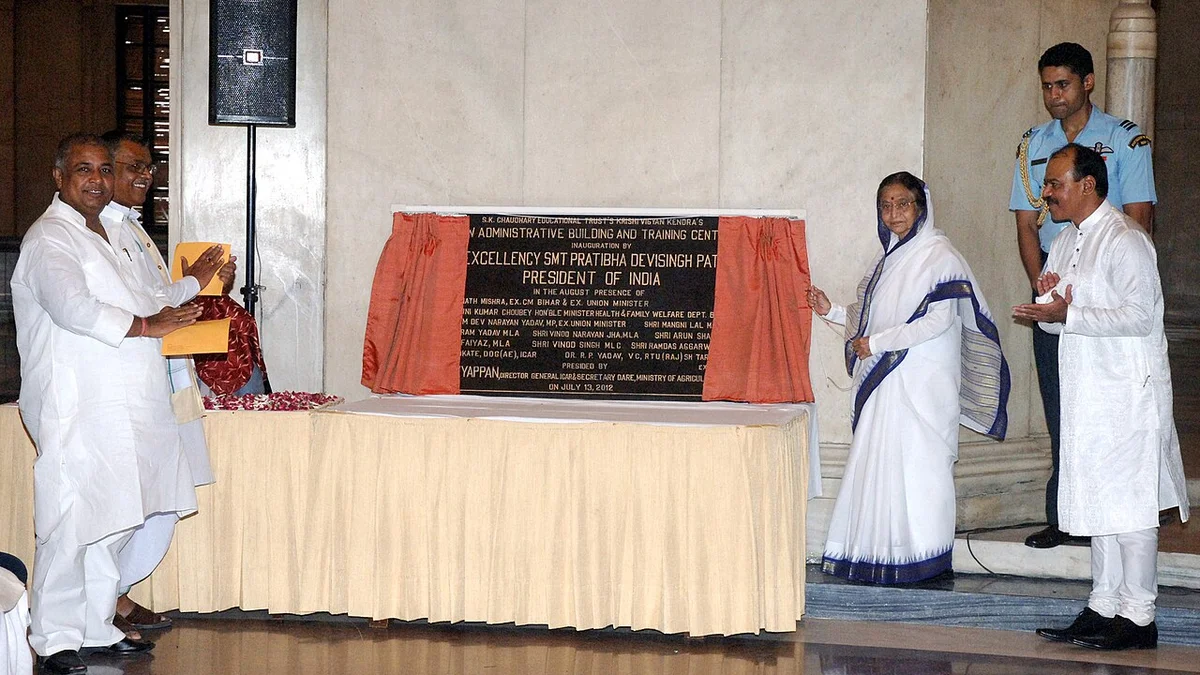
Major agricultural welfare schemes under the DBT portal
| Central Scheme Name | Financial Benefit / Subsidy Scale | Direct Beneficiary Target | DBT Delivery Mechanism |
|---|---|---|---|
| PM-Kisan Samman Nidhi | ₹6,000 per year (3 installments of ₹2,000) | 11+ Crore landholding farmer families | Aadhaar-seeded Bank PFMS credit |
| Pradhan Mantri Fasal Bima Yojana (PMFBY) | Premium subsidy (farmers pay 1.5% to 2% max) | All crop-growing farmers (Kharif/Rabi) | Direct electronic claim payout to bank |
| Sub-Mission on Mechanization (SMAM) | 40% - 50% capital subsidy (up to ₹2.5 Lakh) | Small/Marginal, SC/ST & Women farmers | Direct dealer token subsidy adjustment |
| Restructured Weather Based Crop Insurance | Actuarial premium subsidy against weather perils | Horticultural and commercial cash crops | Automated weather station electronic claim |
| PM Krishi Sinchayee Yojana (Per Drop More Crop) | 45% - 55% subsidy on Drip and Sprinkler systems | All categories of irrigated cultivators | Direct state agency DBT disbursement |
| Agriculture Infrastructure Fund (AIF) | 3% interest subvention on loans up to ₹2 Crore | FPOs, Agri-entrepreneurs, PACS, SHGs | Direct interest reimbursement to banks |
Source: Central Direct Benefit Transfer Mission (DBT Bharat) and Ministry of Agriculture & Farmers Welfare annual progress reports, November 2026.
Beneficiaries tracking their individual direct benefit installments can consult our detailed verification resources on pm kisan status check, pm kisan payment status, and Karnataka’s state-specific portal guide on Karnataka FRUITS PM Kisan FID check.
The grassroots delivery network: department of post & govt veterinary hospitals
While policy is framed at Krishi Bhawan by the Agriculture Minister of India, successful implementation relies heavily on allied government departments operating at the village panchayat level. Two prominent institutions that interface daily with Indian farmers are the Department of Post and State Government Veterinary Hospitals.
1. Role of the Department of Post in agricultural welfare delivery
The Department of Post (DoP), operating under the Ministry of Communications, has emerged as a revolutionary delivery partner for the Ministry of Agriculture. Through the vast network of more than 1,55,000 rural post offices and India Post Payments Bank (IPPB), local postal staff provide indispensable agricultural support services:
- Doorstep Aadhaar-Enabled Payment System (AePS): Gramin Dak Sevaks (GDS) and postmen carry biometric micro-ATM devices directly to farmers' doorsteps, enabling rural cultivators to withdraw cash from their PM-Kisan DBT bank accounts without visiting distant bank branches.
- Zero-Balance Account Opening for DBT: Farmers facing account dormancy or rejected PFMS transfers can open an instant, paperless IPPB digital savings account at any local post office within minutes using their biometric thumb impression.
- Aadhaar Mobile Seeding & e-KYC: Post offices serve as authorized UIDAI update centers, allowing farmers to update their mobile numbers and complete mandatory PM-Kisan biometric e-KYC directly in their village.
- Kisan Vikas Patra (KVP) & Rural Postal Life Insurance (RPLI): Smallholder farm households utilize secure postal savings instruments to build emergency reserves and access low-cost rural term insurance.
2. Role of the Government Veterinary Hospital in livestock farming
For millions of Indian cultivators, crop agriculture is intrinsically linked with dairy, goat, and poultry livestock. While the central Department of Animal Husbandry and Dairying (DAHD) formulates livestock policies, the state-run govt veterinary hospital network provides frontline clinical, preventive, and developmental healthcare:
- Free Mandatory Vaccinations: Veterinary dispensaries conduct bi-annual vaccination campaigns against devastating epizootics such as Foot and Mouth Disease (FMD), Haemorrhagic Septicaemia (HS), Black Quarter (BQ), and Peste des Petits Ruminants (PPR) under the National Animal Disease Control Programme (NADCP).
- Artificial Insemination (AI) Services: Government veterinary surgeons and trained paravets provide pedigree semen doses from elite indigenous breeds (such as Gir cow, Sahiwal, Red Sindhi, and Murrah buffalo) at nominal statutory rates (often ₹20 to ₹50 per dose) under the Rashtriya Gokul Mission.
- Pashu KCC Health Certificates: Farmers applying for animal husbandry working capital loans under the Kisan Credit Card (Pashu KCC) must obtain medical fitness and ear-tag verification certificates from their local government veterinary officer.
- Emergency Clinical Care and Deworming: From treating acute mastitis and bloat to conducting routine fertility camps and surgical procedures, veterinary hospitals safeguard livestock assets against catastrophic herd loss.
Farmers managing mixed cropping and dairy operations can explore our technical breed and production guides on gir cow milk yield and dairy farm business setup.
Historical agriculture ministers of India: key milestones and policy shifts
The portfolio of the Agriculture Minister of India has been held by some of the most influential political figures in post-independence history. The trajectory of Indian agriculture—from the chronic food deficits and "ship-to-mouth" PL-480 wheat imports of the 1950s to becoming a net global food exporter today—reflects the vision of successive agricultural ministers.
| Agriculture Minister | Tenure in Office | Prime Minister / Government | Historical Contribution & Landmark Reforms |
|---|---|---|---|
| Dr. Rajendra Prasad | 1946 - 1948 | Jawaharlal Nehru (Interim) | First Food & Agriculture Minister; managed post-partition food relief; later became India's 1st President |
| Rafi Ahmed Kidwai | 1952 - 1954 | Jawaharlal Nehru | Dismantled wartime food rationing, abolished inter-state grain movement controls, lowered food prices |
| C. Subramaniam | 1964 - 1966 | Lal Bahadur Shastri | Architect of the Green Revolution; imported Mexican semi-dwarf wheat seeds; created FCI and CACP |
| Jagjivan Ram | 1967-70, 1974-77 | Indira Gandhi | Navigated severe 1966-67 droughts; scaled national buffer grain stocks; established public PDS distribution |
| Balram Jakhar | 1991 - 1996 | P. V. Narasimha Rao | Longest continuous single-tenure speaker/minister; opened agricultural exports during economic liberalization |
| Sharad Pawar | 2004 - 2014 | Dr. Manmohan Singh | Oversaw National Food Security Act, massive ₹71,000 Cr farm loan waiver (2008), record pulse production |
| Radha Mohan Singh | 2014 - 2019 | Narendra Modi (1st Term) | Renamed ministry to include "Farmers Welfare", introduced PMFBY, Soil Health Card, and e-NAM portal |
| Narendra Singh Tomar | 2019 - 2023 | Narendra Modi (2nd Term) | Launched PM-Kisan Samman Nidhi, Agriculture Infrastructure Fund, and initiated the Digital AgriStack mission |
| Arjun Munda | 2023 - 2024 | Narendra Modi (2nd Term) | Oversaw tribal agrarian welfare integration and welfare stabilization ahead of the 2024 general elections |
| Shri Shivraj Singh Chouhan | June 2024 - Present | Narendra Modi (3rd Term) | Spearheading Digital Agriculture Mission, natural farming missions, and integrated rural-agri welfare synergy |
Source: Parliament of India official records, Ministry of Agriculture historical archives, and Press Information Bureau.
Farmers and rural entrepreneurs planning investments in farm machinery or livestock can examine our commercial guides including the Mahindra tractor price list, the heavy-duty Swaraj 855 FE guide, the Sonalika tractor guide, and John Deere tractor models. For smallholding operations, review our mini tractor price list and match soil implements using the rotavator HP matching guide and power tiller specifications.
To navigate government subsidies and welfare credit, cultivators can calculate monthly schedules using our tractor loan EMI calculator and check lending limits with the KCC loan calculator. Stay informed on regional market realisations through our guides on onion wholesale prices, anaj mandi arrivals, and daily produce auctions at Gazipur Sabji Mandi.
Official regulatory directives, DBT tracking, and scientific bulletins are published on the Ministry of Agriculture & Farmers Welfare Official Portal, the central DBT Bharat Portal, the Indian Council of Agricultural Research (ICAR), livestock schemes under the Department of Animal Husbandry and Dairying (DAHD), and rural banking access through the India Post Payments Bank (IPPB).
Frequently asked questions about the Agriculture Minister of India
Frequently asked questions
- Who is the current Agriculture Minister of India in 2026?
- Shri Shivraj Singh Chouhan is the current Union Cabinet Minister for Agriculture and Farmers Welfare of India. He assumed office in June 2024 as part of the Modi 3.0 government and concurrently holds the portfolio of Union Minister for Rural Development, overseeing national welfare programs documented on the DA&FW official portal.
- Who are the Ministers of State in the Ministry of Agriculture and Farmers Welfare?
- Assisting the Cabinet Minister at Krishi Bhawan are two Ministers of State (MoS): Shri Ram Nath Thakur (Rajya Sabha MP from Bihar) and Shri Bhagirath Choudhary (Lok Sabha MP from Ajmer, Rajasthan).
- Where is the headquarters of the Ministry of Agriculture located?
- The headquarters of the Ministry of Agriculture and Farmers Welfare is located at Krishi Bhawan, Dr. Rajendra Prasad Road, New Delhi 110001.
- What is the full name of the central agriculture ministry?
- The full official name of the ministry is the Ministry of Agriculture and Farmers Welfare (MoA&FW). In 2015, the name was officially changed from the Ministry of Agriculture to include "and Farmers Welfare" to symbolize a policy focus on farmer incomes alongside crop output.
- What is DBT in agriculture and how does it benefit farmers?
- DBT in agriculture (Direct Benefit Transfer) is the electronic transfer of government subsidies, income support payments, and crop insurance compensations directly into the Aadhaar-seeded bank accounts of verified farmers via PFMS. It eliminates intermediaries, ensures transparent payouts, and prevents ghost beneficiaries. Track upcoming DBT credit dates on our PM Kisan 20th installment date guide.
- How does the Department of Post assist farmers with PM-Kisan DBT payments?
- Through India Post Payments Bank (IPPB) and local postmen (Gramin Dak Sevaks), the Department of Post offers doorstep biometric cash withdrawals via micro-ATMs (AePS), enables instant zero-balance paperless account opening, and conducts biometric e-KYC updates right at the farmer’s doorstep. For bank verification troubleshooting, see our PM Kisan balance check guide.
- What services are provided by a Government Veterinary Hospital to farmers?
- State Government Veterinary Hospitals provide free preventive vaccinations against FMD, HS, and BQ, subsidized artificial insemination (AI) semen doses from certified pedigree bulls, clinical and surgical treatments for livestock, and mandatory health certificates for Pashu Kisan Credit Card loans. For dairy breed productivity, explore our Gir cow dairy farming guide.
- What is the difference between DA&FW and DARE in the agriculture ministry?
- The Department of Agriculture and Farmers Welfare (DA&FW) manages administrative policies, central sector welfare schemes (PM-Kisan, PMFBY), mechanization, and credit delivery. The Department of Agricultural Research and Education (DARE) coordinates scientific research, state agricultural universities, and the national network of over 730 Krishi Vigyan Kendras (KVKs) via ICAR.
- Who was the first Agriculture Minister of independent India?
- Dr. Rajendra Prasad was the first Food and Agriculture Minister of independent India in 1946–1948 in the interim cabinet, before later being elected as the first President of the Republic of India.
- Who is known as the architect of the Green Revolution among India’s agriculture ministers?
- Shri C. Subramaniam, who served as the Food and Agriculture Minister from 1964 to 1966 under Prime Minister Lal Bahadur Shastri, is celebrated as the political architect of the Indian Green Revolution for introducing high-yielding Mexican dwarf wheat varieties and establishing the Food Corporation of India (FCI).
- What is the Digital AgriStack initiative led by the agriculture ministry?
- Digital AgriStack is a unified national digital public infrastructure that creates a dynamic, Aadhaar-linked farmer registry (Digital Farmer ID), maps geo-referenced land records, and integrates digital crop surveys. This enables seamless, paperless verification for DBT schemes, crop insurance, and institutional bank credit. Learn how to generate your ID with our Farmer ID registration guide.
- How can a farmer file a grievance directly with the Ministry of Agriculture?
- Farmers can submit public grievances online through the central CPGRAMS portal (pgportal.gov.in), call the Kisan Call Centre toll-free helpline at 1800-180-1551 (available in 22 languages from 6 AM to 10 PM daily), or contact the dedicated PM-Kisan grievance desk at 011-24300606.
This article is for general information only and is not financial advice. Loan and scheme eligibility depends on partner and government criteria.