Kottur Mandi Bhav: Cotton, Narma & APMC Market Guide 2026
Key takeaways
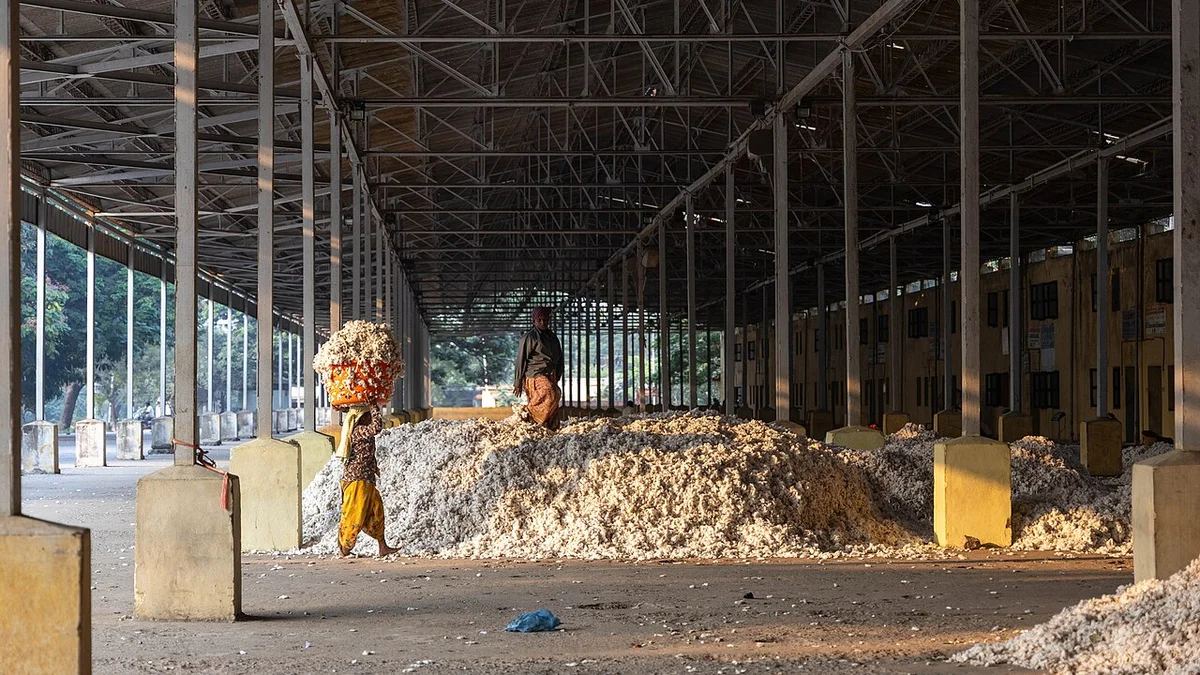
- Kottur APMC Mandi, located in Vijayanagara district (formerly part of Ballari district) of Karnataka, is a premier central trading terminal for raw seed cotton (Kapas / Narma), hybrid maize, and pod groundnut.
- Indicative auction rates in November 2026 range from ₹6,800 to ₹7,850 per quintal for Long-Staple (DCH-32) and Medium-Staple (Bunny/Bt Cotton) varieties, benchmarked against the central MSP of ₹7,521/quintal.
- Commercial maize arrivals trade briskly at ₹2,100 to ₹2,350 per quintal, supplying major starch extraction plants, animal feed compounders, and poultry clusters across Davanagere and Ballari.
- Pod groundnut (Shenga) trades between ₹5,800 and ₹6,600 per quintal, procured by regional edible oil expelling mills in Vijayanagara, Chitradurga, and Haveri.
- Under the Karnataka Agricultural Produce Marketing (Regulation and Development) Act, farmers are protected by a statutory 0% commission guarantee; all market cess (1.5%) and trader brokerages are borne strictly by registered buyers.
- Integrated with Karnataka’s pioneering Unified Market Platform (UMP) managed by Rashtriya e-Market Services (ReMS), Kottur Mandi ensures transparent electronic lot assaying and same-day direct bank transfers via RTGS/NEFT.
Krishi Upaj Mandi Samiti Kottur (ಕೋಟೂರು ಎಪಿಎಂಸಿ ಮಾರುಕಟ್ಟೆ), situated in the Vijayanagara district (carved out of historic Ballari district) in central Karnataka, is widely acknowledged as one of the most vital agricultural aggregation and wholesale trading hubs in the Tungabhadra basin. As of 23 November 2026, Kottur Mandi functions as the primary price discovery market for commercial raw seed cotton (locally referred to in trade circles as Kapas or Narma), yellow hybrid maize (Makka / ಜೋಳ), pod groundnut (Shenga / ಕಡಲೆಕಾಯಿ), and Bengal gram (Chana). Located at the convergence of the central Malnad transition zone and the semi-arid Bayaluseeme plains, Kottur attracts farming arrivals from hundreds of villages across Kottur, Kudligi, Harapanahalli, Hagaribommanahalli, Sandur, and neighboring tracts of Davanagere and Chitradurga districts.
What distinguishes Kottur Mandi in southern agricultural commerce is its early and seamless integration with Karnataka’s pioneering Unified Market Platform (UMP), operated by Rashtriya e-Market Services Private Limited (ReMS)—a visionary joint initiative of the Government of Karnataka and NCDEX. Long before the national e-NAM project was introduced, Karnataka computerized its APMC yards, introducing electronic gate entry, scientific quality assaying, multi-buyer online bidding, and direct-to-bank electronic payment settlements. For cotton and narma cultivators navigating seasonal price swings, understanding local auction dynamics, staple length grading, statutory 0% farmer commission protections, and Cotton Corporation of India (CCI) minimum support price (MSP) intervention centers is essential. This definitive guide provides an exhaustive review of Kottur Mandi commodity rates, daily trading schedules, ReMS UMP electronic bidding protocols, seasonal arrivals, and proven field harvesting practices.
Kottur Mandi commodity price list 2026: indicative price matrix and quality specifications
Auction pricing at Krishi Upaj Mandi Kottur is determined through competitive digital bidding on the ReMS platform based on standardized physical grading parameters: staple fiber length, moisture percentage, trash/leaf content, ginning outturn (GOT percentage), and seed kernel luster. The table below presents prevailing indicative wholesale price benchmarks across major crops traded at Kottur Mandi in November 2026.
All prices represent wholesale commercial auction ranges per quintal (100 kg) on an ex-mandi yard basis. Prices fluctuate daily based on international Intercontinental Exchange (ICE) cotton futures, domestic spinning mill yarn demand across Tamil Nadu (Coimbatore and Tirupur textile clusters), and regional monsoon arrival volumes.
| Commodity Name (ಕನ್ನಡ / Hindi) | Commercial Grade / Quality Sort | Min Auction Rate (INR / Qtl) | Modal Auction Rate (INR / Qtl) | Max Auction Rate (INR / Qtl) | Government MSP Benchmark (INR / Qtl) |
|---|---|---|---|---|---|
| Cotton / Narma (ಹತ್ತಿ - Long Staple) | DCH-32 / Super Bunny (Staple >30 mm, Low Trash) | ₹7,100 | ₹7,450 | ₹7,850 | ₹7,521 (Long-Staple MSP) |
| Cotton / Narma (Medium Staple) | Bt Cotton / First Pick (Staple 26–28 mm, 8% Moist) | ₹6,800 | ₹7,150 | ₹7,400 | ₹7,121 (Medium-Staple MSP) |
| Cotton / Narma (Rain-Damaged / Yellow) | Second / Third Pick (High Moisture / Discolored) | ₹5,200 | ₹5,900 | ₹6,400 | Market Discounted Lot |
| Maize / Corn (ಮೆಕ್ಕೆಜೋಳ / मक्का) | Yellow Hybrid (FAQ Grade, Moisture <14%) | ₹2,100 | ₹2,220 | ₹2,350 | ₹2,225 (Kharif Maize MSP) |
| Groundnut in Shell (ಕಡಲೆಕಾಯಿ / मूंगफली) | TMV-2 / JL-24 Bold Pods (High Oil Yield) | ₹5,800 | ₹6,200 | ₹6,600 | ₹6,783 (Groundnut Pod MSP) |
| Sunflower Seed (ಸೂರ್ಯಕಾಂತಿ / सूरजमुखी) | Black Seed (Oil Content >40%) | ₹4,400 | ₹4,850 | ₹5,300 | ₹7,280 (Sunflower MSP) |
| Bengal Gram / Chana (ಕಡಲೆ / चना) | Desi Brown Chana (Cleaned FAQ Grade) | ₹5,600 | ₹6,150 | ₹6,600 | ₹5,650 (Rabi Chana MSP) |
| Jowar / Sorghum (ಬಿಳಿ ಜೋಳ / ज्वार) | Maldandi / White Hybrid Grain | ₹2,600 | ₹3,100 | ₹3,750 | ₹3,371 (Jowar Hybrid MSP) |
| Foxtail Millet / Navane (ನವಣೆ / कंगनी) | Minor Millet Organic Cleaned | ₹3,400 | ₹3,900 | ₹4,400 | State Special Procured |
Farmers seeking to optimize their crop revenue can compare Kottur’s cotton rates against national fiber trends in our cotton market rate today analysis, assess certified planting material in our seeds buying guide, and monitor spice trends at Neemuch Mandi.
Cotton and Narma trade dynamics in Central Karnataka: staple quality and CCI procurement
The agro-ecological landscape surrounding Kottur, characterized by fertile deep black cotton soils (Vertisols) and red sandy loams nourished by borewells and the Tungabhadra High-Level Canal network, provides an exceptional agronomic setting for commercial cotton cultivation (Gossypium hirsutum and Gossypium barbadense). The region is celebrated for producing premium long-staple cotton varieties, notably DCH-32, Bunny, and modern Bt hybrid cultivars, which yield fiber with superior tensile strength (micronaire values between 3.5 and 4.2) and high brightness.
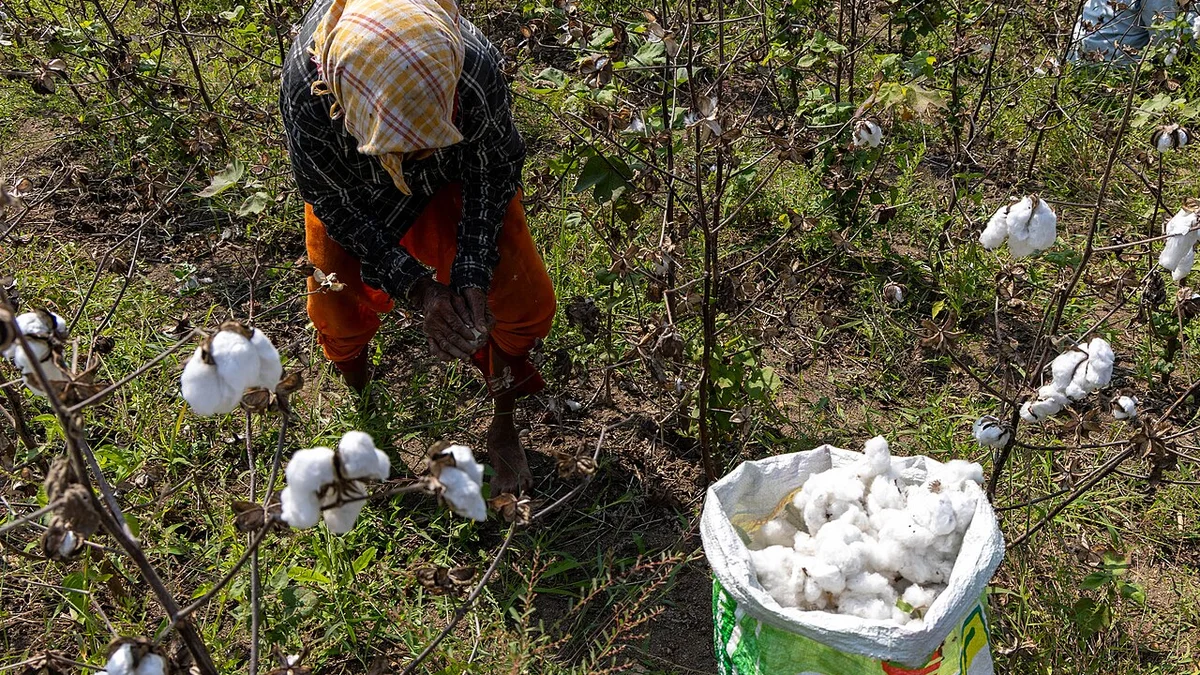
Arrival Seasons and Picking Flushes: The cotton marketing season at Kottur Mandi commences in late October and extends through March, peaking between November and January. The crop is harvested in three distinct successive pickings (known locally as "Bari"):
1. First Pick (ಮೊದಲ ಕೊಯ್ಲು / First Flush): Harvested in late October and November; yields fully matured, large, spotless white bolls with long fibers (28 mm to 32 mm) and minimal leaf trash; commands top-tier auction bids (₹7,400 to ₹7,850 per quintal) from textile ginning mills in Hubballi, Davanagere, and Guntakal.
2. Second Pick (ಎರಡನೇ ಕೊಯ್ಲು / Middle Flush): Harvested in December and January; represents the bulk volume of the harvest; fiber length ranges from 26 mm to 29 mm with moderate moisture; trades between ₹6,800 and ₹7,350 per quintal.
3. Third Pick (ಕೊನೆಯ ಕೊಯ್ಲು / Late Strippings): Harvested in February; comprises smaller, slightly yellowish bolls with higher seed-coat fragments and dry bract trash; trades between ₹5,200 and ₹6,200 per quintal.
Role of the Cotton Corporation of India (CCI): When open market auction prices at Kottur Mandi fall below the statutory central Minimum Support Price (MSP) due to global surplus or sudden import surges, the Cotton Corporation of India opens a designated MSP purchase center inside the Kottur APMC yard. CCI procures fair average quality (FAQ) raw seed cotton directly from registered farmers possessing valid land records (Pahani / RTC) and Aadhaar-linked bank accounts, guaranteeing that no cultivator is forced into distressed sales below MSP.
Karnataka ReMS Unified Market Platform: electronic bidding and transparent price discovery
Karnataka was the pioneering state in India to dismantle traditional trade cartels in agricultural mandis by establishing Rashtriya e-Market Services (ReMS) and launching the Unified Market Platform (UMP) across 160+ APMC yards, including Kottur. The UMP system integrates all market activities into an automated, auditable digital workflow:
1. Computerized Inward Gate Pass: As tractor-trolleys and goods tempos arrive at Kottur Mandi’s main gate, the vehicle is weighed on an automated electronic weighbridge. The operator scans the farmer’s mobile number and Farmer Identification Number (FID from the Karnataka FRUITS portal), issuing a computerized Inward Gate Pass with a unique Lot Barcode.
2. Scientific Quality Assaying: Mandi Samiti assayers collect representative composite samples from each cotton or maize lot. Portable moisture meters and digital fiber length gauges test the lot, and the assaying report (moisture %, staple length, trash %) is uploaded directly to the ReMS server against the lot barcode.
3. Multi-Buyer Electronic Bidding: Between 10:00 AM and 02:30 PM, licensed buyers—including local ginners, interstate traders from Andhra Pradesh and Maharashtra, and corporate procurement agents—log into the ReMS UMP portal via handheld POS devices or computer terminals. Buyers evaluate the electronic assay parameters and submit confidential online bids. The competition eliminates collusive low-balling typical of traditional secret cloth-covered hand-clasp bidding (हत्था प्रणाली).
4. Farmer SMS Notification and Consent: Once the bidding window closes, the software automatically declares the highest bid. The farmer receives an instant SMS notification on their registered mobile phone displaying the highest bid per quintal and buyer details. The farmer retains complete legal sovereignty: they can press "Accept" on their phone or inform the mandi desk to confirm the sale, or press "Reject" if they deem the price inadequate.
5. Direct RTGS Bank Settlement: Upon sale confirmation, the lot is weighed on calibrated electronic platform scales. The software calculates the exact net payable amount and initiates a direct electronic fund transfer (RTGS / NEFT) from the buyer’s pre-funded ReMS escrow account directly into the farmer’s bank account on the same business day.
Statutory 0% farmer commission and seller rights under Karnataka APMC Act
A vital statutory protection governing trade at Krishi Upaj Mandi Kottur is the 0% farmer commission rule enforced under the Karnataka Agricultural Produce Marketing (Regulation and Development) Act, 1966 (along with subsequent amendments).
Under Karnataka market regulations, it is strictly illegal for any commission agent (Dalali / ದಲಾಲಿ / Aadhatiya) or trader to deduct any commission percentage, trade discount, or cash rebate from the gross sale proceed payable to the farmer. The commission agent’s fee (statutorily capped at 2.0% for agricultural produce) and the Mandi Market Fee (1.5% Mandi Cess dedicated to rural market road development) must be paid exclusively and entirely by the buyer over and above the auction bid price.
The only authorized deductions from the farmer’s settlement slip are the standardized electronic weighment charges (Hamali and Tulawati), which are fixed at nominal government rates (typically ₹5.00 to ₹7.50 per bag/quintal). Any trader or agent caught demanding unauthorized deductions (such as illegal "Sample Cuts" or cash discounts) faces immediate cancellation of their APMC trading license and criminal penalties under state marketing statutes.
Kottur Mandi daily trading schedule and operational calendar
To ensure a smooth market experience and avoid vehicle congestion, farmers planning to bring produce to Kottur Mandi should follow the daily operational timetable:
Gate Entry & Vehicle Weighment: 06:30 AM to 09:30 AM daily Monday through Saturday. Arriving before 08:00 AM ensures priority unloading in covered commodity sheds.
Lot Arrangement & Assaying: 08:30 AM to 10:30 AM. Cotton and maize heaps are arranged in designated shed bays; ReMS assayers collect test samples.
ReMS Digital Bidding: 10:00 AM to 02:30 PM. Electronic auction lots remain open for competitive multi-buyer bidding across Karnataka.
Final Weighment and Billing: 02:30 PM to 06:00 PM. Electronic weighment passes are generated; sale proceeds are initiated via RTGS banking channels.
Weekly Holidays: Kottur APMC operates active auctions Monday through Saturday. The mandi yard is closed on Sundays and state gazetted holidays (such as Kannada Rajyotsava, Deepavali, and Sankranti) for yard cleaning and administrative reconciliation.
Best post-harvest practices for cotton and maize growers selling at Kottur
To secure top-tier auction bids and prevent heavy moisture discounts at Kottur Mandi, experienced growers observe these crucial field management practices:
1. Delay Morning Cotton Picking Until Dew Dries: Never pick cotton early in the morning when dew clings to open bolls. Damp cotton traps excessive moisture (above 12%), causing fungal discoloration, fiber staining, and severe auction price penalties of ₹400 to ₹700 per quintal. Pick cotton between 10:30 AM and 04:30 PM under bright sunshine.
2. Clean Separation of Trash and Bracts: Keep picked cotton clean from dry leaves, yellow bracts, soil particles, and weed seeds. Ginned cotton buyers heavily discount trashy lots because cleaning machinery damages fiber staple length.
3. Store in Clean Cotton Cloth or Jute Sheets: Never store or transport raw cotton in synthetic plastic or polypropylene fertilizer bags. Plastic fibers shed from cheap woven sacks contaminate cotton lint during spinning, resulting in catastrophic fabric defects that cause spinning mills to reject entire consignments.
4. Sun-Dry Maize Below 14% Moisture: For maize, sun-dry shelled grain on clean tarpaulins for 3 to 4 days until moisture drops below 13% to 14%. Dry maize kernels resist aflatoxin contamination and command a ₹100 to ₹180 premium per quintal from feed compounders.
Growers seeking capital credit for purchasing agricultural machinery, rotavators, or transport trolleys can explore our interactive financing tools such as the farm machinery EMI calculator, evaluate seasonal credit via the KCC loan calculator, and review state subsidy schemes in government schemes.
Official government resources and Karnataka agricultural marketing links
Accessing authentic daily mandi price bulletins, e-market bidding records, and state farmer portals is essential for transparent trading. Cultivators can monitor official market arrivals on the Karnataka State Agricultural Marketing Board (Marata Vahini) portal and track electronic auction logs on the Rashtriya e-Market Services (ReMS) platform. Nationwide commodity benchmarks are published on Agmarknet and the National Agriculture Market (e-NAM), while central MSP procurement operations are overseen by the Cotton Corporation of India (CCI).
To benchmark farm income and explore mechanization opportunities, cultivators can utilize KisanPe resources including our daily mandi rates dashboard, cotton market rate analysis, and certified seeds guide. Plan capital investments using the farm machinery EMI calculator, KCC scale of finance calculator, rotavator implement guide, and power tiller specifications. For broader crop agronomy and mandi intelligence across regions, explore our guides on anaj mandi grain auctions, Neemuch mandi bhav, Ramganj coriander trade, DAP fertilizer application, and government agricultural schemes.
Frequently asked questions about Kottur Mandi and cotton prices
Frequently asked questions
- Where is Kottur Mandi located and which crops are primary traded?
- Kottur Mandi is located in Kottur town in Vijayanagara district (formerly part of Ballari district) in central Karnataka. The mandi is famous as a major aggregation terminal for raw seed cotton (Kapas / Narma), hybrid yellow maize, pod groundnut (Shenga), sunflower, and Bengal gram.
- What is the current cotton (narma) price in Kottur Mandi?
- Indicative cotton prices in November 2026 range from ₹6,800 to ₹7,850 per quintal depending on staple length and moisture content. Premium long-staple DCH-32 and clean Bunny hybrid varieties command ₹7,400 to ₹7,850 per quintal. Cultivators can compare rates with our national cotton market rate today guide.
- Does a farmer have to pay any commission fee at Kottur APMC Mandi?
- No. Under the Karnataka Agricultural Produce Marketing (Regulation and Development) Act, there is a statutory 0% commission deduction for farmers. All market cess (1.5%) and commission agent brokerages are legally paid by the registered buyer over and above the auction bid.
- How does electronic bidding work on Karnataka’s ReMS platform in Kottur?
- When produce enters Kottur Mandi, it is weighed electronically and assayed for moisture and quality parameters. Registered buyers across Karnataka access lot details on the ReMS Unified Market Platform (rems.in) and submit confidential digital bids between 10:00 AM and 02:30 PM. The farmer receives an SMS with the highest bid and can choose to accept or reject.
- What are the gate entry and auction timings at Kottur Mandi?
- Gate entry and weighbridge pass issuance operate from 06:30 AM to 09:30 AM daily Monday through Saturday. Electronic lot bidding and open outcry auctions take place from 10:00 AM to 02:30 PM, followed by final weighment and same-day electronic payments until 06:00 PM.
- Is Kottur Mandi open for trading on weekends?
- Kottur Mandi conducts regular auctions on Saturdays. The market is closed on Sundays and gazetted public holidays for administrative account reconciliation, cleaning, and yard maintenance.
- How fast do farmers receive payment after selling at Kottur Mandi?
- Through the ReMS Unified Market Platform, sale proceeds are transferred electronically via RTGS/NEFT directly into the farmer’s verified bank account on the same business day of the auction, eliminating cash handling risks.
- What is the central MSP for cotton in the 2026 marketing season?
- The central government has fixed the Minimum Support Price (MSP) for raw cotton (Kapas) at ₹7,121 per quintal for Medium-Staple varieties and ₹7,521 per quintal for Long-Staple varieties. Discover related support initiatives on our government schemes portal.
- Does the Cotton Corporation of India (CCI) operate procurement at Kottur?
- Yes. If open market commercial auction prices fall below the government MSP, the Cotton Corporation of India (cotcorp.org.in) activates an MSP procurement center inside Kottur Mandi to buy FAQ-grade cotton directly from registered farmers possessing valid land records (RTC/Pahani).
- What is the prevailing price of maize in Kottur Mandi?
- Wholesale yellow hybrid maize trades at ₹2,100 to ₹2,350 per quintal for dry grain (moisture below 14%), supplied to regional animal feed manufacturers and starch processing units. For machinery matching such as harvesters and tillers, explore our power tiller specifications guide.
- Why should farmers avoid storing raw cotton in plastic or woven polypropylene bags?
- Plastic fibers and synthetic threads shed from polypropylene fertilizer bags contaminate cotton lint during mechanical ginning. These synthetic impurities cannot be removed during textile spinning and cause dye defects in finished cloth, prompting spinning mills to heavily discount or reject contaminated lots.
- How can farmers check Kottur Mandi daily prices online?
- Farmers can check official daily market arrivals and prices online through the Karnataka State Agricultural Marketing Board (Marata Vahini) portal, the central Agmarknet portal, and the KisanPe live mandi rates dashboard.
This article is for general information only and is not financial advice. Loan and scheme eligibility depends on partner and government criteria.