Syngenta Products List India 2026: Insecticides & Packs
Key takeaways
- Compare top Syngenta products in India including Ampligo, Amistar Top, Pegasus, Ridomil Gold, and Alika with CIB&RC active ingredients and spray use.
- Covers Master Syngenta Products Technical & Crop Usage Matrix with government-linked benchmarks and practical Indian farm guidance.
- Covers Flagship Syngenta Insecticides: Ampligo, Alika & Pegasus Explained with government-linked benchmarks and practical Indian farm guidance.
- Covers Syngenta Fungicides & Clarifying Brand Lookalikes (Vaniva, Sporium) with government-linked benchmarks and practical Indian farm guidance.
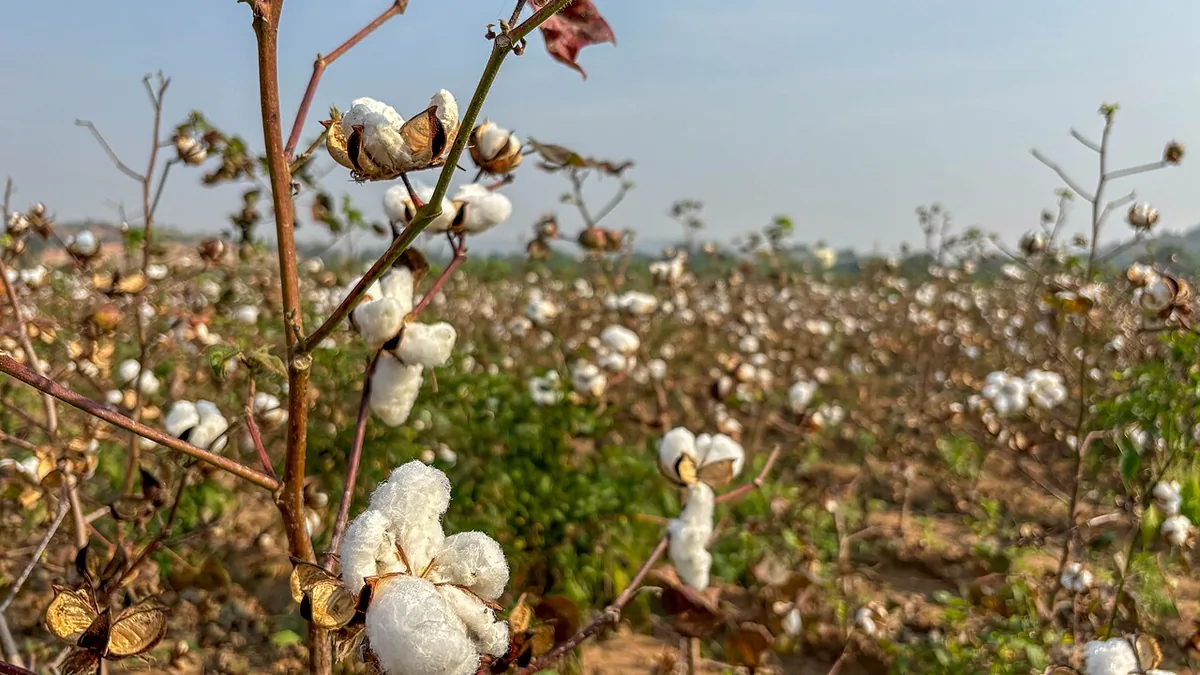
Walk into almost any Indian agri-input shop across Punjab, Maharashtra, Andhra Pradesh, or Karnataka and growers immediately recognize trusted Syngenta products covering broad-spectrum fungicides, dual-action lepidopteran insecticides, sucking-pest miticides, herbicides, and vegetable genetics. Verified against Indian Central Insecticides Board (cibrc.nic.in) registrations and Syngenta India official technical sheets, matching the exact chemical technical molecule to your crop's true pest stage saves massive spray waste while protecting pollinators and delayed harvest residues.
Below is an agronomic comparison of flagship Syngenta formulations sold in India—spanning Ampligo, Amistar Top, Pegasus, Ridomil Gold, Alika, and Tilt, plus how to evaluate syngenta products list packs alongside specialty fungicides like Vaniva or Sporium queries safely at dealer counters. Before buying chemical inputs, compare current retail MRP benchmarks on our Syngenta Products Price List guide, check genuine Syngenta hybrid seeds, inspect Tilt Propiconazole wheat dosing, and review Pegasus sucking-pest control.
1. Master Syngenta Products Technical & Crop Usage Matrix
Successful plant protection starts with reading chemical active names rather than colorful bottle labels alone. Applying two brands holding identical strobilurin or pyrethroid modes of action in back-to-back sprays fuels rapid insect and fungal resistance across village clusters. Use the verified reference table below to inspect active molecules, formulation types (ZC, SC, WP, EC), and core registered crop targets across India.
| Product Brand | Category | Verified Active Composition (CIB&RC) | Key Target Crops & Primary Pest / Disease Targets |
|---|---|---|---|
| Ampligo | Dual-Action Insecticide | Chlorantraniliprole 9.3% + Lambda-Cyhalothrin 4.6% ZC | Maize Fall Armyworm, Cotton Bollworm, Red Gram Pod Borer, Brinjal Fruit Borer |
| Amistar Top | Broad-Spectrum Fungicide | Azoxystrobin 18.2% + Difenoconazole 11.4% w/w SC | Paddy Sheath Blight/Blast, Chilli Anthracnose, Tomato Early Blight, Onion Purple Blotch |
| Pegasus | Sucking-Pest Insecticide / Miticide | Diafenthiuron 50% WP | Cotton Whitefly/Aphids/Jassids, Chilli & Brinjal Mites, Cabbage Diamondback Moth |
| Ridomil Gold | Systemic + Contact Fungicide | Metalaxyl-M 4% + Mancozeb 64% WP | Potato & Tomato Late Blight, Grape Downy Mildew, Black Pepper Foot Rot, Tobacco Damping Off |
| Alika | Broad-Spectrum Dual Insecticide | Thiamethoxam 12.6% + Lambda-Cyhalothrin 9.5% ZC | Cotton Jassids/Thrips, Soybean Girdle Beetle, Brinjal Shoot & Fruit Borer, Tea Mosquito Bug |
| Tilt | Systemic Triazole Fungicide | Propiconazole 25% EC | Wheat Yellow/Brown Rust, Paddy Sheath Blight, Groundnut Tikka Leaf Spot |
Source: Official technical labels published by Syngenta India & CIB&RC Insecticides Registry. Always verify approved crops and Pre-Harvest Intervals (PHI) printed on your exact bottle leaflet before mixing.
2. Flagship Syngenta Insecticides: Ampligo, Alika & Pegasus Explained
Understanding how different Syngenta insecticide formulations act inside plant canopies helps farmers target tough pests cleanly without wiping out helpful ladybird beetles and spider predators needlessly:
- Ampligo (Chlorantraniliprole 9.3% + Lambda-Cyhalothrin 4.6% ZC): Combines immediate fast-knockdown contact paralysis (Lambda-Cyhalothrin) with long-lasting systemic egg-and-larva control (Chlorantraniliprole) via micro-encapsulated ZC suspension. Ideal at ~80–100 ml/acre when Maize Fall Armyworm or Red Gram Helicoverpa larvae start chewing whorl leaves before tunneling deep inside ears or pods.
- Pegasus (Diafenthiuron 50% WP): Specifically engineered for severe piercing-sucking outbreaks (whiteflies, jassids, thrips, and red spider mites) across cotton, chillies, and brinjal (Pegasus technical guide). Once sprayed onto leaves under bright sunlight, Diafenthiuron converts smoothly into active carbodiimide derivatives reaching hidden underside nymphs via translaminar vapour action while showing relatively lower toxicity toward beneficial field bees post-drying.
- Alika (Thiamethoxam 12.6% + Lambda-Cyhalothrin 9.5% ZC): Bridges rapid contact biting-pest knockdown and systemic sap-feeding defense across soybean, cotton, groundnut, and vegetables—rotate strictly with non-neonicotinoid modes to keep local sucking pest populations responsive.
3. Syngenta Fungicides & Clarifying Brand Lookalikes (Vaniva, Sporium)
Farmers searching syngenta products list terms online frequently run across secondary trade keywords such as vaniva syngenta or sporium fungicide. Be cautious at local Mandis and online search counters! In India, genuine registered Syngenta fungicide brands include Amistar Top (Azoxystrobin + Difenoconazole for high-yield sheath blight and chilli anthracnose), Ridomil Gold (oomycete Downy Mildew and Late Blight defense—compare copper/carbendazim rotations in our Bavistin Carbendazim guide), Score (Difenoconazole 25% EC), Kavach (Chlorothalonil), and Tilt (Propiconazole 25% EC). Meanwhile, names like Vaniva or Sporium frequently circulate either as regional state specialty/biostimulant formulations, generic local brands, or regional phonetic misspellings rather than pan-India flagship pesticide molecules—never purchase any agrochemical bottle without inspecting three hard compliance proofs!
| Authenticity Checkpoint | How Genuine Syngenta India Packs Look | Red Flag Warning at Counter |
|---|---|---|
| 1. CIB&RC Registration No. | Printed clearly as CIR-xxxx/xxx on main label + batch number | Sticker-overwritten batch dates or missing CIR registration line |
| 2. QR Verification / Tamper Seal | Original holographic / induction aluminum foil cap seal + GS1/brand QR | Broken plastic cap rings or blurred photocopied leaflet text |
| 3. Pukka Tax / GST Cash Memo | Dealer prints batch code, expiry date, and licensed retailer stamp | Unbilled plain slip refills sold at steep off-MRP suspicious discounts |
Source: Statutory Pesticide Packaging & Retail Compliance norms, CIB&RC & Syngenta India. Explore comparative product MRP slabs on Syngenta Products Price List.
4. Spraying Weather, Nozzle Calibration & IPM Resistance Rotation
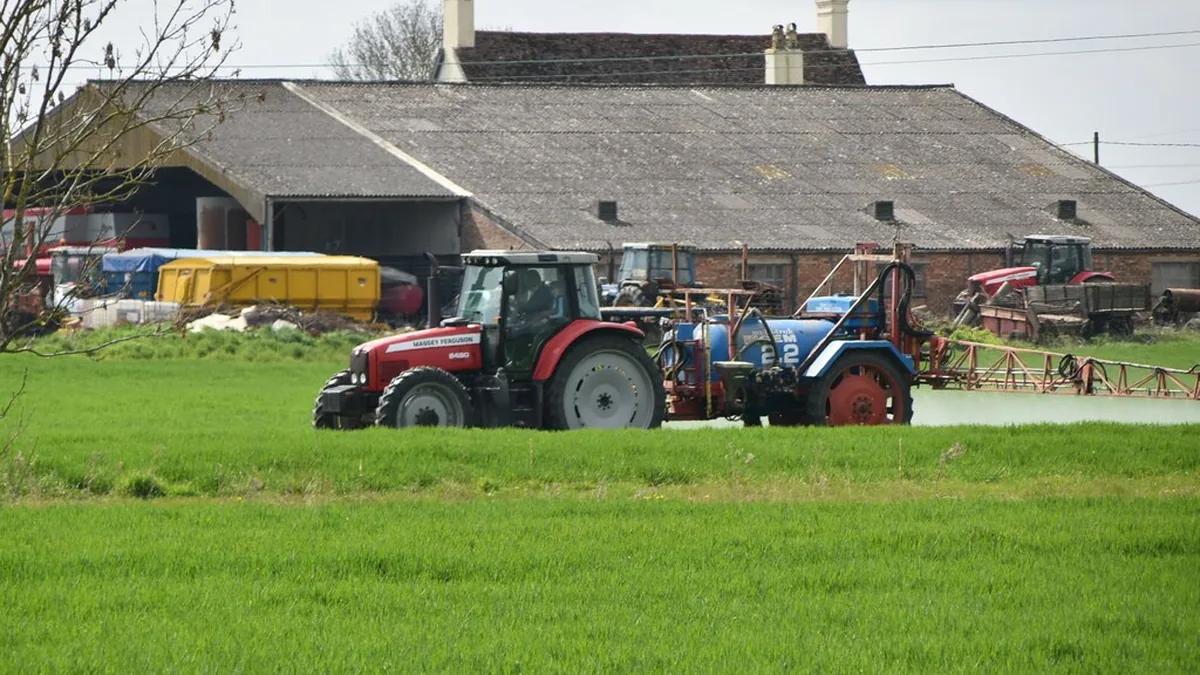
Even the best systemic chemistry loses 30%–40% field efficacy when sprayed into noon UV heatwaves, muddy high-pH borewell water, or windy afternoons prior to thunder showers! Before loading backpack knapsacks, power sprayers, or tractor-mounted boom tanks, check local humidity and 24-hour rain probability on KisanPe's Spray Weather Advisory and adopt disciplined Integrated Pest Management (IPM) rotation calendars across crops (paddy blast control, wheat rust schedule, and tomato disease prevention).
5. Smart Soil Nutrition Balance, Pre-Harvest Intervals & Input Finance
Excessive top-dressed Urea pushes lush, thin-walled vegetative shoots that attract sucking whiteflies, brown planthoppers, and rice sheath blight far faster than balanced fertilized fields! Pairing measured NPK scheduling from KisanPe's Fertilizer Calculator (combining basal DAP phosphate and grain-filling potash) with certified disease-tolerant Syngenta hybrid seeds and quality vegetable hybrids frequently halves total pesticide sprays required per season! Likewise, check Pre-Harvest Intervals (typically 7 to 30 days depending on chemical and crop) carefully so fresh green vegetables, chillies, grapes, or export basmati rice lots never fail domestic FSSAI or mandi MRL inspections.
Growers testing drone-spraying custom services under Kisan Drone schemes should confirm whether low-volume 10–15 L/acre droplet applications carry explicit CIB&RC drone-label SOP clearance for each targeted brand before loading concentrated tanks—remember WP wettable powders like Pegasus or Ridomil Gold can clog ultra-fine flat-fan drone nozzles unless thoroughly pre-slurried and filtered through clean 100-mesh sieves! Finance seasonal crop protection packages responsibly through low-interest Kisan Credit Card accounts, track active agri-input schemes on state farm subsidies, and evaluate historical yield margins inside KisanPe Crop Insights before investing heavily in late-season rescue sprays.
Equally vital when preparing tank mixes across Ampligo, Alika, Amistar Top, and Ridomil Gold is following strict water-volume and mixing-order discipline in the farm yard! Never dump concentrated suspension (SC/ZC) bottles directly into an empty spray barrel: fill your knapsack or tractor tank halfway with clear filtered canal/well water first, pre-dilute wettable powders like Pegasus (50% WP) into a smooth milky slurry inside a clean bucket before pouring, add suspension concentrates next under continuous agitation, and bring the tank cleanly up to target water volume (200 L per acre for manual hollow-cone nozzles on dense cotton/paddy crops). Using acidic-to-neutral water (pH 6.0–7.2) preserves active insecticidal hydrolysis stability cleanly without needing expensive retail spreaders unless targeting slick waxy onion or cabbage foliage!
Moreover, always separate crop sprays safely around flowering pollinator crops such as mustard, sunflower, cucumber, and mangoes: broad-spectrum pyrethroid premixes like Lambda-Cyhalothrin (present in both Ampligo and Alika) MUST NOT be misted across open buzzing blossoms between morning 7:00 AM and 11:30 AM! Execute essential sprays strictly in cool late afternoons when wind speeds settle below 8 km/h, wear chemical-resistant nitrile gloves alongside clean protective goggles during bottle pouring, avoid reusing pesticide drums for farm water storage, and match seed-to-harvest protection schedules closely against official Plant Protection Quarantine & Storage (PPQS) IPM bulletins so exported spice, cotton, grape, and basmati rice lots capture zero residue deductions at regulated mandi and commercial buyer laboratories. Finally, store remaining original HDPE insecticide bottles upright inside locked cool shaded cupboards well away from animal fodder sheds, kitchen utensils, and children's living spaces; check shelf stability cleanly before applying leftover previous-season bottles, and rotate non-chemical pheromone trapping, neem oil neem-seed kernel sprays, and biological fungicides cleanly alongside systemic brands so farm soils, beneficial insect predators, and farmer families remain protected season after season. Always review full seasonal chemical budgets carefully against projected mandi crop values (KisanPe Mandi Rates) before escalating tank mixes mid-season: proactive scouting, resistant varietal genetics, and balanced field drainage eliminate half of late-stage disease stress before expensive rescue fungicides ever leave the dealer shelf! Keeping an accurate seasonal farm protection log linking varietal performance, weather alerts, and approved input cash memos also makes agricultural bank credit renewals and crop insurance reviews straightforward across profitable multi-crop holdings. Combining timely leaf-threshold field scouting, clean filtered spray water (avoiding muddy high-pH canal draw that precipitates chemicals fast!), calibrated hollow-cone nozzles, and strict mode-of-action rotation across chemical families guarantees durable crop yield protection without spiraling input bills or rejected export mandi harvests across India.
6. Frequently Asked Questions on Syngenta Products in India
Find straightforward verified answers covering flagship Syngenta insecticides and fungicides, active technical ingredients, genuine pack checks, Vaniva/Sporium lookup clarification, and safe mixing tips.
Frequently asked questions
- What are the most popular Syngenta insecticides and fungicides used in India?
- Leading CIB&RC-registered Syngenta products across India include Ampligo, Alika, and Pegasus among insecticides, alongside Amistar Top, Ridomil Gold, Tilt, and Score among fungicides. Compare retail MRP benchmarks cleanly in our Syngenta Products Price List.
- What is the technical composition and target use of Syngenta Ampligo?
- Ampligo contains Chlorantraniliprole 9.3% + Lambda-Cyhalothrin 4.6% ZC, blending fast knockdown and long residual larval control against maize Fall Armyworm, cotton bollworm, red gram pod borer, and vegetable caterpillars—check weather windows first via KisanPe Spray Advisory.
- How do Amistar Top and Tilt fungicides differ in crop disease control?
- Amistar Top combines two systemic fungicides (Azoxystrobin 18.2% + Difenoconazole 11.4% SC) prized on paddy sheath blight, chilli anthracnose, and onion purple blotch, whereas Tilt (Propiconazole 25% EC) is a single-site triazole widely favored against wheat yellow/brown rusts and groundnut leaf spots.
- Is Vaniva Syngenta or Sporium fungicide a standard CIB&RC crop pesticide?
- Queries like vaniva syngenta or sporium fungicide frequently come up around specialty state mixes, micronutrients, or local phonetic names rather than pan-India core pesticides. Always inspect the bottle for an authentic CIB&RC CIR registration code and purchase against a valid GST invoice.
- How can farmers check if a Syngenta insecticide bottle is genuine?
- Confirm three checks before opening any pack: verify intact factory foil cap seals, scan the packaging QR code alongside legible batch numbers printed clearly against Syngenta India official labels, and demand a GST cash memo listing exact batch and expiry dates.
- Which Syngenta product targets severe cotton whiteflies and chilli mites?
- Pegasus (Diafenthiuron 50% WP) is specifically registered against whiteflies, jassids, thrips, aphids, and mites on cotton, chillies, and brinjal—review detailed application timing inside our Pegasus Insecticide Guide.
- Can Syngenta Ridomil Gold cure late blight in potatoes and tomatoes?
- Ridomil Gold (Metalaxyl-M 4% + Mancozeb 64% WP) delivers powerful preventive and early-curative systemic action against potato/tomato Late Blight and grape Downy Mildew. Pair chemical sprays with sanitation steps inside our tomato disease management guide.
- Can farmers rotate Syngenta fungicides with carbendazim or triazole generics?
- Yes! Rotating chemical families—for instance alternating strobilurin mixes like Amistar Top with non-strobilurin contact or systemic chemistries such as Carbendazim or Mancozeb—prevents single-site fungal resistance buildup across sequential rice and vegetable crops.
This article is for general information only and is not financial advice. Loan and scheme eligibility depends on partner and government criteria.