Atta Price Today 2026: 1 Kg Chakki & Wholesale Wheat Flour
Key takeaways
- Indicative retail 1 kg Atta price across India (November 2026) ranges from Rs 32 to Rs 46/kg for local milled Chakki Atta, Rs 42 to Rs 56/kg for packaged branded national 5 kg/10 kg packs, and subsidized Bharat Atta at ~Rs 30/kg when retail central stocks run.
- Wholesale 50 kg commercial Chakki Atta sacks trade indicatively at Rs 1,550 to Rs 1,980 per 50 kg bag (Rs 31–Rs 39.6/kg) across Delhi NCR, UP, Punjab, and Maharashtra grain mills tracked closely alongside raw wheat costs.
- Because milling wheat flour incurs ~1.5%–2% moisture/cleaning loss alongside grinding electricity and packaging, 1 kg whole wheat atta typically trades Rs 6 to Rs 12/kg above raw APMC grain rates anchored by Government Wheat MSP (Rs 2,585/qtl RMS 2026–27 -> Rs 2,610/qtl RMS 2027–28).
- Under DFPD FCI Open Market Sale Scheme (OMSS) e-auctions, central buffer releases help flour millers stabilize domestic retail atta inflation before summer harvest arrivals.
Checking the daily atta price (1 kg chakki atta rate / 50 kg wholesale wheat flour sack) sits right at the intersection of Indian household grocery budgets and domestic grain milling economics overseen by the Department of Food & Public Distribution (DFPD — dfpd.gov.in) and Department of Consumer Affairs Price Monitoring Cell (fcainfo.nic.in)! Whether buying 10 kg family packs of Sharbati whole-wheat chakki atta, comparing bakery tandoori/maida bulk sacks, or tracking how raw farmgate wheat harvests (Punjab wheat rate guide & Haryana MSP wheat analysis) translate into milled kitchen flour, understanding grain-to-flour extraction economics explains retail price moves clearly.
As of November 2026 indicative consumer monitoring baselines across Indian cities, loose loose local Chakki Atta trades around Rs 32 to Rs 46 per kg (Rs 1,550–Rs 1,980 per 50 kg wholesale mill sack), while packaged national retail brands (1 kg, 5 kg, and 10 kg bags blended with higher-protein MP Lokwan or Sharbati wheat) retail between Rs 42 and Rs 58 per kg—alongside government-stabilized Bharat Atta interventions via NAFED, NCCF, and Kendriya Bhandar at notified ~Rs 30/kg welfare bands during central retail stabilization drives verified via PIB releases.
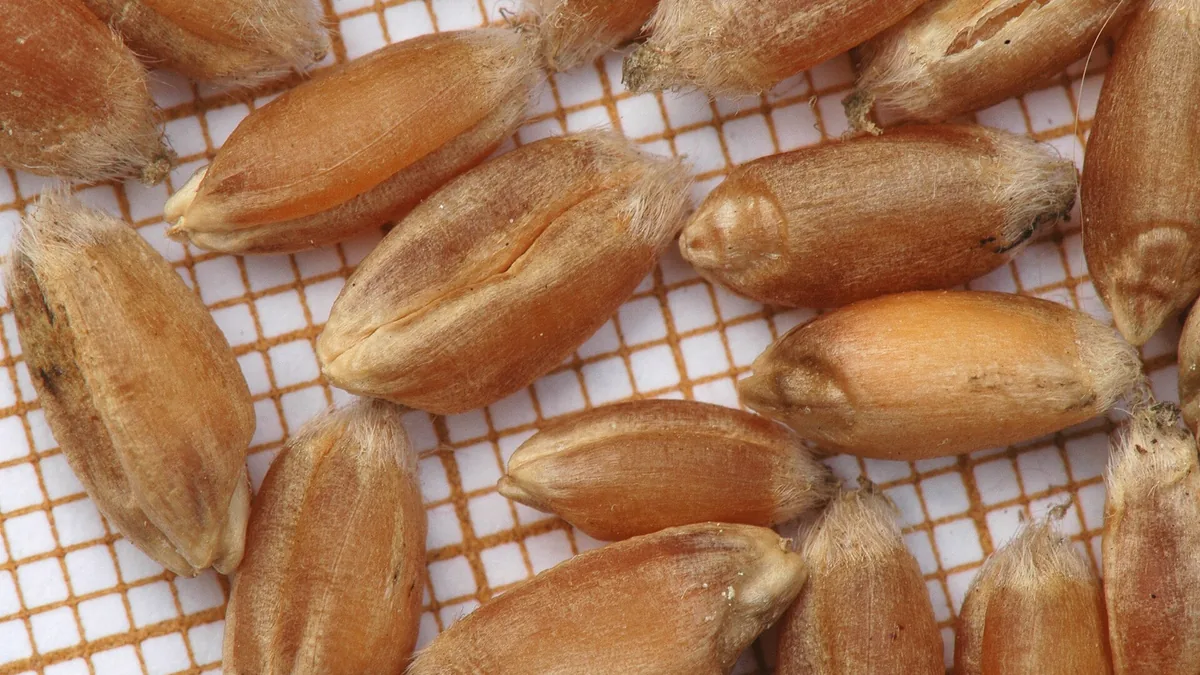
1. Atta Price Today in India: 1 Kg Retail, 10 Kg Packs & 50 Kg Wholesale Sacks (Nov 2026)
Wholesale flour prices across India split sharply into three distinct commercial tiers: unbranded neighborhood cold-stone Aara Chakki flour ground directly from clean local FAQ grain, high-capacity steel roller-flour-mill Chakki / Bakery / Tandoori Atta shipped in 50 kg BOPP/PP bags, and branded retail consumer packs engineered for soft roti moisture retention.
| Flour / Atta Category & Pack Weight | Primary Trade / Consumer Channel | Indicative Price Band (Nov 2026) | Raw Grain Blend & Quality Trait |
|---|---|---|---|
| Govt Stabilized Bharat Atta (When Active) | NAFED / NCCF / Kendriya Bhandar / Mobile Vans | Rs 30 / kg (10 kg Bag ~Rs 300) | Subsidized FCI central OMSS milled whole wheat intervention |
| Local Chakki Loose Wheat Flour (1 kg) | Neighborhood Retail Mills & Kirana Shops | Rs 32 – Rs 46 / kg | Fresh coarse cold-milled FAQ amber wheat + 100% bran |
| 50 Kg Wholesale Chakki Atta Sack | Delhi Narela, Mumbai Vashi, Indore & Kanpur Mills | Rs 1,550 – Rs 1,980 / 50 kg Bag | Clean FAQ milling extraction (~96%–98% yield after dust clean) |
| Packaged Branded Chakki Atta (1 kg / 5 kg / 10 kg) | Retail Supermarkets & Online Grocers | Rs 42 – Rs 58 / kg (10 kg Rs 395–520) | Moisture-calibrated blend of MP Lokwan + Northern PBW wheat |
| Pure MP Sharbati / Khapli Emmer Atta (1 kg) | Premium Specialty Organic & Urban Stores | Rs 58 – Rs 95 / kg | Single-origin Sehore/Vidisha Sharbati or low-GI Khapli ancient wheat |
| Commercial Maida & Suji / Semolina (50 kg) | Bakery, Sweets & Pasta Manufacturers | Rs 1,620 – Rs 2,150 / 50 kg Bag | Refined endosperm flour (68%–72% roller extraction + 25% bran) |
2. Grain-to-Flour Math: How Raw Wheat MSP Shapes Every Rupee of 1 Kg Atta Cost
Why can’t a 1 kg bag of clean stone-milled whole wheat atta retail sustainably at Rs 24/kg when farmers receive official Rs 2,585/qtl Wheat MSP (RMS 2026–27)? Understanding basic milling conversion proves transparent across every Indian city:
- Raw Wheat Grain Baseline (~Rs 26–Rs 29/kg Landed Mill Cost): At Agmarknet open spot prices (~Rs 2,600–Rs 2,880/qtl off-season inclusive of mandi tax, truck freight, and cleaning refraction), 1 kg clean destoned raw wheat already costs millers ~Rs 27.50–Rs 30.50 BEFORE electricity turns a single motor!
- Cleaning Dust & Grinding Moisture Loss (~2.0%–3.5%): Magnetic separators, destoners, and scourers strip mud pebbles, husks, and broken chaff—plus frictional emery-stone grinding evaporates ~1.5% natural kernel moisture—meaning 100 kg dirty mandi grain leaves roughly 96.5–98 kg clean edible Chakki Atta.
- Value Addition & Branding Expenses (~Rs 4 to Rs 14/kg): Electricity/solar grinding charges, woven laminate 5 kg/10 kg bagging, retailer distribution commission, and 5% GST (specifically applicable to pre-packaged labeled consumer packs unlike exempt unbranded loose flour!) explain why branded supermarket packs run Rs 8–14/kg above neighborhood loose Chakki pricing.
3. Cold Stone Chakki vs High-Speed Roller Flour & MP Sharbati Blending Secrets
Have you wondered why packaged branded rotis often remain surprisingly soft inside tiffin boxes 6 hours later compared to dry brittle rotis made from single cheap feed-grade wheat? Master millers achieve dough softness by blending specific wheat cultivars verified by ICAR-Indian Institute of Wheat & Barley Research (IIWBR Karnal):
- Punjab & Haryana High-Yield Base (PBW 826 / DBW 303 / HD 3086): Supplies clean bright amber starch body and competitive bulk volume across North Indian wheat mandis.
- Madhya Pradesh Lokwan & Sharbati (C-306 / JW 3288): Blending 20%–35% creamy plump Sehore/Vidisha grains elevates sweet caramel aroma, protein extensibility (gluten elasticity), and high water-absorption—letting home dough soak ~68% water cleanly for soft puffed chapatis!
- Emery Stone Slow-Grinding (Chakki) vs High-RPM Steel Hammer: High-speed pulverizers spike flour grinding temperatures past 65°C—burning away natural sweet wheat-germ aroma and scorched starch proteins, whereas cold-stone grinding keeps intact bran oil flavor sweet and digestible.
- High-Volume Wheat Flour & Maida Comparisons: Compare regional grain rates directly across wheat rate updates and 1 kg maida rates.
4. Custom Village Solar Atta Chakki Business, PMFME 35% Subsidy & Farmer Margins
Smart farmers and Rural FPOs across UP, MP, Bihar, Rajasthan, and Punjab increasingly skip dumping raw grain straight into seasonal harvest gluts—installing mini 10 HP–15 HP Destoner + Solar Stone Chakki Flour Units under the central PM Formalisation of Micro Food Processing Enterprises (PMFME / SMAM) program! With a 35% credit-linked government capital subsidy (up to Rs 10 lakh), farmer micro-enterprises convert clean stored home wheat (~Rs 26/kg grain cost) straight into chemical-free, farm-direct 5 kg packaged Sharbati / Khapli wheat flour selling reliably around Rs 45–Rs 65/kg directly to urban apartment societies—adding Rs 8 to Rs 18/kg value above mandi MSP!
Calculate complete processing unit payback using our farm ROI calculator and crop income calculator, compute eligible machinery & processing capital grants via our subsidy calculator & central schemes hub (DBT implements directory), evaluate working inventory loans via our KCC loan calculator & EMI calculator, insure wheat crops under PMFBY (PMFBY app guide), inspect Soil Health Card fertility balances via our fertilizer dosage tool, check regional wholesale trends on daily mandi boards, and link Farmer ID enrollment cleanly.
5. Checking Real Quality & Shelf Storage Rules for Home & Bakery Atta
Freshly stone-milled whole wheat Chakki Atta retains live wheat-germ oils rich in Vitamin E and bran antioxidants—making it noticeably more nutritious yet shorter-lived than bleached refined Maida! Unlike refined white flour lasting 9–12 months effortlessly, stone-milled whole grain atta begins oxidizing bitter oil notes if stored longer than 45 to 75 days in humid 35°C monsoon kitchens unless kept tightly sealed in cool dry stainless drums or airtight food-grade bins away from stove steam.
Buyers purchasing wholesale 50 kg mill sacks should always inspect packaging printing clearly: check FSSAI registration number, Net Weight (50 kg), milling date stamp, and absence of tiny web threads or sour damp musty smells around stitched bag corners—guaranteeing crisp nutty whole-grain rotis and optimal bakery yield on every single bag.
Frequently asked questions
- What is the atta price per kg in India today (loose vs packaged branded)?
- Under indicative November 2026 consumer price tracking (DoCA Price Monitoring), 1 kg loose neighborhood chakki atta costs roughly Rs 32 to Rs 46/kg, while branded packaged whole wheat atta (5 kg/10 kg retail bags) retails at Rs 42 to Rs 58/kg depending on Sharbati content and GST status.
- What is the wholesale price of a 50 kg atta sack in Indian mandis?
- Wholesale 50 kg commercial Chakki Atta sacks mill-direct across Delhi NCR, Uttar Pradesh, Punjab, and Madhya Pradesh cost indicatively Rs 1,550 to Rs 1,980 per bag (Rs 31 to Rs 39.6/kg), tracking raw grain arrivals on Agmarknet closely.
- What is the price of Government Bharat Atta and where does it sell?
- Under central market stabilization drives launched by DFPD via PIB, Bharat Atta sells via NAFED, NCCF, Kendriya Bhandar kiosks, and mobile vans at a subsidized MRP around Rs 30 per kg (Rs 300 per 10 kg pack) whenever active central allocation rounds operate.
- Why does packaged branded wheat flour cost Rs 10–15/kg more than raw wheat?
- Because processing 100 kg raw mandi wheat removes ~2%–3% dust/moisture loss, pays electricity, destoning, 5 kg laminate bag packaging, retail dealer margins, and attracts 5% GST on pre-packaged labeled flour—explain why clean retail packs sit Rs 10–18 above raw wheat costs.
- How much atta comes out of grinding 1 quintal (100 kg) of raw wheat?
- After sieving out small straw, chaff dust, and pebble refraction (~2–3.5 kg loss depending on mandi cleanliness), 100 kg of clean dry FAQ wheat produces approximately 96 to 98 kg of wholesome un-sieved 100% Chakki Atta.
- What is the difference between Chakki Atta and Maida or Tandoori Atta?
- Chakki Atta grinds the complete wheat kernel (endosperm + germ + fibrous outer bran), preserving fiber and micronutrients; Maida (maida rate guide) mills strictly starchy white inner endosperm (~70% extraction) while discarding bran for soft bakery goods.
- Why does MP Sharbati Atta cost Rs 60 to Rs 95 per kg?
- Grown selectively across rainfed/black soils of Sehore, Vidisha, and Ashoknagar in Madhya Pradesh (C-306 / JW 3020 lines), golden Sharbati wheat carries natural sweetness, creamy roti softness staying plush hours after cooking, and lower per-acre farm tonnage—commanding stiff retail premiums.
- What is the current Government Wheat MSP affecting atta rates in 2026?
- Central CCEA fixed official Wheat MSP at Rs 2,585/qtl for RMS 2026–27 (up from Rs 2,425 in 2025–26) and Rs 2,610/qtl for RMS 2027–28—compare state mandi benchmarks in our Punjab wheat rate guide and Haryana MSP wheat page.
- How do FCI OMSS wheat e-auctions help keep atta prices under control?
- Whenever open market grain prices rise above seasonal comfort, Food Corporation of India (FCI) sells reserve warehouse stocks electronically to small flour millers via Open Market Sale Scheme (OMSS) tenders—increasing regional flour output promptly.
- Can farmers get government subsidy to open a village mini atta chakki mill?
- Yes! Rural micro food processors and FPOs qualify for 35% credit-linked capital subsidy under the central PMFME scheme on cleaning-destoning graders and commercial flour mills—calculate project payback on our farm ROI calculator.
- How long does fresh stone-milled whole wheat chakki atta stay fresh at home?
- Because whole-grain flour holds natural wheat-germ oil, store it cool inside sealed steel or airtight drums and consume within 45 to 75 days in summer/monsoon heat (up to 3–4 months in cool winters) before bitter oil rancidity develops.
- Does pre-packaged atta carry GST in India whereas loose wheat flour does not?
- Yes—under Indian GST Council notifications, pre-packaged labeled retail flour packs up to 25 kg attract 5% GST, whereas unbranded loose flour ground freshly at neighborhood Chakkis remains outside packaged GST slabs.
This article is for general information only and is not financial advice. Loan and scheme eligibility depends on partner and government criteria.