Wheat Price in Punjab 2026: Kanak Mandi Bhav & MSP Guide
Key takeaways
- The official Government of India Minimum Support Price (MSP) fixed by the Cabinet Committee on Economic Affairs (CCEA) stands at Rs 2,585 per quintal for Rabi Marketing Season (RMS) 2026–27 (up Rs 160 over Rs 2,425 in 2025–26), and was further approved at Rs 2,610 per quintal for RMS 2027–28.
- Open private APMC kanak rates across Punjab benchmarks—Khanna (Asia’s largest grain mandi), Ludhiana, Patiala, Rajpura, Jalandhar, Moga, and Bathinda—trade at Rs 2,600 to Rs 2,880 per quintal in November 2026 off-season roller-mill demand.
- Punjab contributes the single largest share of India’s Central Pool wheat buffer stock via FCI, PUNGRAIN, MARKFED, PUNSUP, and Punjab State Warehousing Corporation (PSWC) across 1,800+ seasonal procurement yards.
- Direct Benefit Transfer (DBT) under Punjab Anaaj Kharid rules credits MSP proceeds directly into Aadhaar-linked bank accounts inside 48–72 hours after J-Form e-auction verification, bypassing informal credit cuts.
- FAQ (Fair Average Quality) procurement requires moisture <=12.0% cleanly (tolerated up to 14% with marginal value adjustments where notified) alongside minimal shriveled/luster-lost grain thresholds.
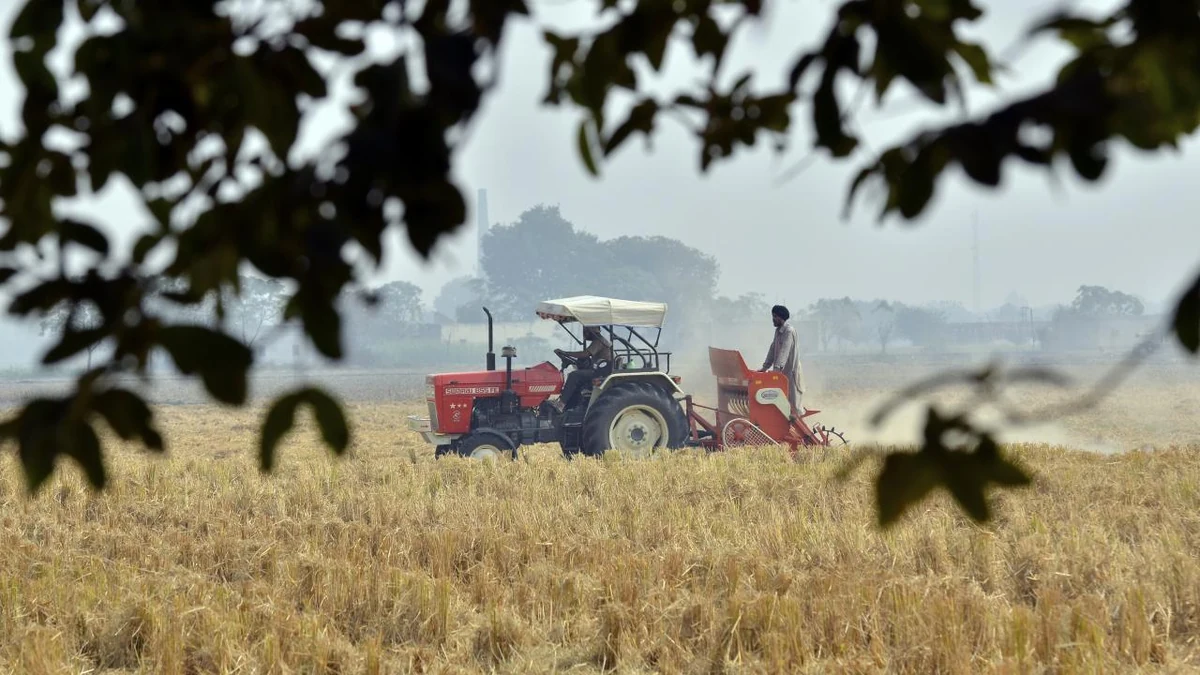
- Switching toward Super Seeder / Happy Seeder zero-burn sowing alongside ICAR-IIWBR Karnal & PAU Ludhiana heat-tolerant cultivars (DBW 303, DBW 187, PBW 826) stabilizes 21–24 quintal/acre yields against warm March winds.
Tracking the wheat price in Punjab 2026 (kanak price / wheat rate in punjab 2026) is vital across Punjab’s Malwa, Doaba, and Majha agricultural heartlands as growers balance November Rabi sowing economics against stored off-season grain realizations and upcoming April–May procurement MSP guarantees. Home to Khanna Mandi—Asia’s largest grain auction market—alongside powerhouse yards in Ludhiana, Patiala, Sangrur, Bathinda, Ferozepur, Moga, and Amritsar, Punjab establishes Northern India’s primary wheat supply anchor.
Official wheat market oversight integrates Minimum Support Price declarations released via the Press Information Bureau (PIB) and Department of Food & Public Distribution (DFPD), live arrival monitoring on Agmarknet, and agronomic varietal calendars maintained by Punjab Agricultural University (PAU), Ludhiana and ICAR-Indian Institute of Wheat & Barley Research (IIWBR), Karnal. Readers seeking Punjab state procurement checklists and local agronomy updates can also explore our dedicated Punjab Wheat Farmers portal, compare national trends in our India wheat rate guide, inspect MP/Haryana parity in Haryana wheat rates, browse daily mandi rates, and track nearby yards via Mandi Price Watch.
1. Official Wheat MSP Progression & Punjab Mandi Kanak Rates (November 2026)
While Punjab’s harvest season procurement runs strictly around government MSP between April and May across 1,800+ mandi yards, off-season wholesale transactions from August through February reflect flour roller-millers bidding cleanly above MSP for dry, high-protein, bold Sharbati/PBW lots. Review verified CCEA MSP rates alongside current November 2026 open APMC spot ranges:
| Wheat Benchmark / Punjab APMC Hub | Season / Variety Grade | Official MSP / Indicative Rate (Rs/Qtl) | Typical Weight & Quality Notes |
|---|---|---|---|
| Govt of India Official Wheat MSP (RMS 2025–26) | April 2025 Harvest Baseline | Rs 2,425 / quintal | CCEA approved statutory procurement floor |
| Govt of India Official Wheat MSP (RMS 2026–27) | April 2026 Harvest Cycle | Rs 2,585 / quintal | +Rs 160/qtl increase (approved Oct 2025 PIB) |
| Govt of India Official Wheat MSP (RMS 2027–28) | Upcoming 2026–27 Sown Crop | Rs 2,610 / quintal | +Rs 25/qtl advance announcement (Sept 2026 PIB) |
| Khanna & Ludhiana Open Mill Spot (Nov 2026) | Dry Off-Season FAQ Roller-Mill Wheat | Rs 2,660 - Rs 2,860 / quintal | Private chakki & atta mill demand >12% protein |
| Patiala, Rajpura & Sangrur Mandis | PBW / DBW Stored Commercial Lots | Rs 2,620 - Rs 2,820 / quintal | Moisture <=11%, zero weevils; clean Sortex |
| Bathinda, Moga, Ferozepur & Fazilka | Malwa Dryland & Irrigated Kanak | Rs 2,600 - Rs 2,800 / quintal | Lower freight haul toward Gujarat/Rajasthan mills |
Source: Official Minimum Support Prices published via Cabinet Committee on Economic Affairs / Press Information Bureau (PIB) circulars and Agmarknet Punjab grain receipts as of November 2026. Disclaimer: Open private market bids fluctuate daily based on Food Corporation of India (FCI) OMSS e-auction tender releases and domestic atta demand—compare regional milled trends in our Indian mandi guide.
2. Punjab Anaaj Kharid Procurement, J-Form & Direct DBT Payment Rules
During Punjab’s peak April wheat arrivals, state procurement agencies (PUNGRAIN, MARKFED, PUNSUP, PSWC) alongside FCI procure upwards of 120–130 lakh metric tonnes cleanly at official MSP without middleman evasion. Understanding every mandatory step on the Punjab Anaaj Kharid portal protects both landowners and theka lease cultivators:
- Land Record Mapping & Arthiya Registration: Verify updated Fard Jamabandi land acreage and registered lessee claims through your licensed mandi commission agent (Arthiya) prior to April arrival tokens.
- Mandatory FAQ Moisture Standard (≤12.0%): Combine-harvested morning wheat with green dew frequently hits 14%–16% moisture—harvest strictly between 10:30 AM and 6:00 PM once stalks dry crisp, preventing immediate auction rejection on mandi concrete floors.
- Digital J-Form & 48-Hour PFMS Direct Credit: Every quintal weighed automatically generates a numbered electronic J-Form receipt guaranteeing statutory MSP credit straight into the farmer’s bank account (eliminating old cheque delays!).
- Zero Deductible Hidden Cuts: Government rules cover standard 50-kg gunny bardana stitching and mandi unloading fees directly inside statutory allowances—report unlawful trader cleaning cuts cleanly at the Market Committee toll counter.
3. Top PAU & ICAR Wheat Varieties Beating March Heat Stress (DBW 303, PBW 826)
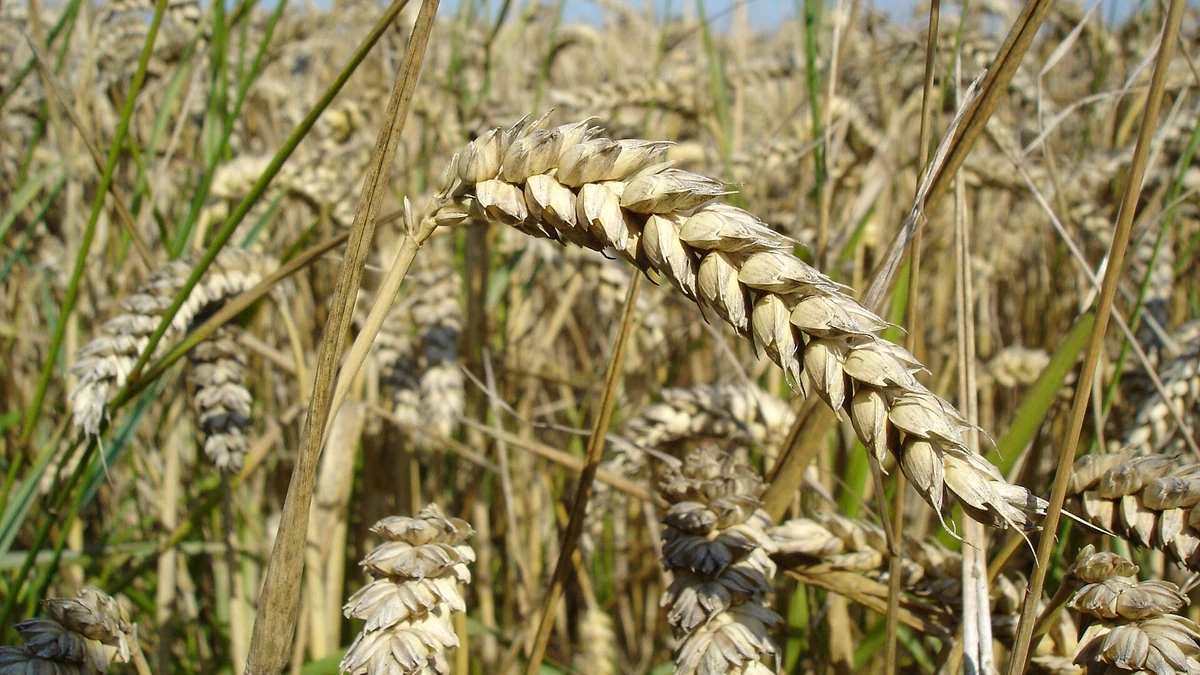
Every extra week past November 20–25 reduces Punjab wheat grain weight cleanly by ~1 to 1.5 quintals per acre due to sudden March afternoon heat waves! Selecting climate-resilient rust-resistant varieties bred by PAU Ludhiana and ICAR-IIWBR Karnal while eliminating straw burning via subsidized Super Seeders maximizes yields cleanly:
| Cultivar Name | Optimal Sowing Window | Average Yield Potential | Key Strength for Punjab Farmers |
|---|---|---|---|
| PBW 826 (PAU Release) | Early-Timely (Nov 1 – Nov 20) | 23 - 26 Quintals/Acre | Top heat tolerance + bold plump grain against yellow rust |
| DBW 303 (Karan Vaishnavi) | Early-Timely (Oct 25 – Nov 15) | 24 - 27 Quintals/Acre | Massive biomass potential under high-fertility early sowing |
| DBW 187 (Karan Vandana) | Timely Irrigated (Nov 1 – Nov 22) | 22 - 25 Quintals/Acre | Strong lodging resistance & high protein chapati texture |
| PBW 803 & Unnat PBW 343 | Mid-Timely Irrigated | 21 - 24 Quintals/Acre | Dependable Yellow Rust & Karnal Bunt tolerance |
| PBW 771 (Late Sown) | Late (After Potato/Toria Dec 1–25) | 18 - 21 Quintals/Acre | Quick grain-filling recovery escaping early April hot winds |
Source: Varietal agronomic recommendations published in PAU Ludhiana Package of Practices for Rabi Crops and ICAR-IIWBR Karnal bulletins (2026). Match precise basal DAP/Urea/Zinc quantities via our fertilizer dosage calculator, compare soluble top-ups in DAP and NPK 19:19:19 guides, and plan exact Crown Root Initiation (CRI — 21 DAS) watering via our irrigation calculator.
4. One-Acre Kanak Cost Breakdown, CRM Super Seeder Subsidies & Credit Tools
At Rs 2,585–Rs 2,610/quintal MSP and 21–24 quintal/acre yields, one acre of Punjab irrigated wheat yields roughly Rs 54,285 to Rs 62,640 gross grain value plus Rs 4,500–Rs 7,000 bonus turi (wheat bhusa straw) collected via straw reapers! Farmers investing in 50%–80% subsidized Super Seeders / Happy Seeders under Crop Residue Management (CRM — detailed in our DBT implements guide and 75 HP CHC tractor review) save Rs 1,500–Rs 2,500/acre in diesel cultivation while unlocking clean seedbed moisture.
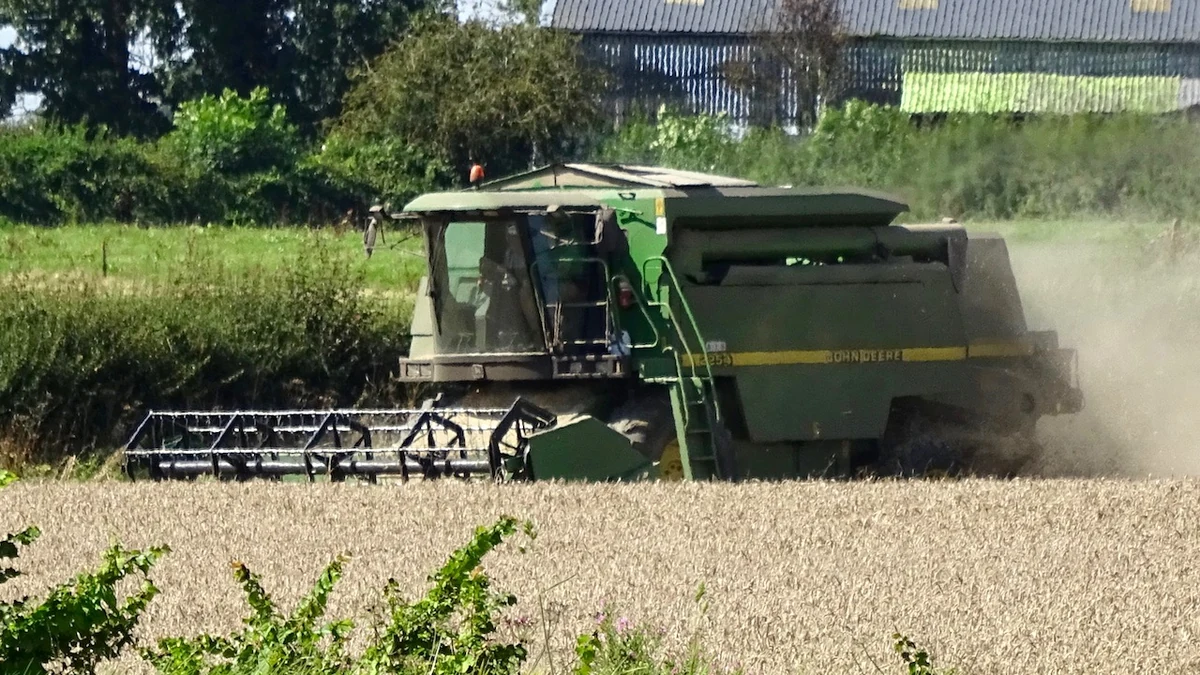
Stress-test exact wheat cultivation profit with our crop income calculator, compute machinery subsidies via our subsidy calculator & government schemes directory, tap 4%-interest working capital through KCC agricultural loans, check harvest combine equipment in our mini harvester guide & Swaraj 742 XT tractor review, track crop risks under PMFBY, and link Farmer ID profiles seamlessly via SMAM (agrimachinery.nic.in) and dfpd.gov.in.
5. Punjab Anaaj Kharid MSP Selling Protocol, FAQ Grain Quality & Moisture Norms
During Punjab’s Rabi Marketing Season (April–May), state procurement agencies—PUNGRAIN, MARKFED, PUNSUP, Punjab State Warehousing Corporation (PSWC), and Food Corporation of India (FCI)—purchase millions of tonnes of Fair Average Quality (FAQ) wheat at notified central MSP through over 1,850 regular mandis and seasonal purchase centers. Avoiding moisture deductions and ensuring fast 48-to-72-hour DBT bank payouts depends heavily on timely harvest preparation and accurate digital land-record mapping on Punjab’s Anaaj Kharid portal:
- Strict 12.0% Moisture Threshold: Under central DFPD FAQ specifications, full MSP applies strictly up to 12.0% moisture content, with maximum ceilings on damaged/slightly damaged grains, foreign inorganic impurities (≤0.75%), and shriveled/broken kernels. Never harvest combine wheat early in morning dew or immediately after light April showers.
- Land Revenue & Arhatiya Portal Mapping: Ensure your village Jamabandi / Khasra cultivating acreage matches Aadhaar-seeded bank passbook names cleanly through your commission agent (arhatiya) on Anaaj Kharid before trolley unloading so electronic J-Form billing proceeds seamlessly.
- Heatwave & Terminal Heat Management (March–April): Rising daytime winds above 36°C during late milk-to-dough stages cause premature shriveling unless irrigated judiciously—keep light surface irrigations timed calmly during low-wind evenings and compare varietal tolerance in ICAR-IIWBR bulletins.
- Turi (Wheat Bhusa) Additional Side Revenue: Post-combine straw recovery yields 15–20 quintals of clean dry turi per acre selling steadily to Punjab dairy farms—improving overall per-acre farm ROI calculated via our farm ROI calculator while keeping fields clean without stubble burning.
In open commercial wheat markets across Khanna, Rajpura, Ludhiana, and Bathinda outside the peak spring procurement window, private roller-flour mills (atta and suji/maida buyers) actively bid differentials above statutory MSP based on protein richness, bold amber kernel luster (Sharbati / PBW 826 / DBW 303 quality), and clean <11% storage moisture. Farmers tracking daily procurement policy alongside regional market swings can check Agmarknet wholesale arrivals, review neighboring Haryana mandi differentials, check moisture-matched fertilizer scheduling with our fertilizer dosage tool, and safeguard stored harvests against rust/aphids using our pesticide calculator and Soil Health Card manual.
Long-term wheat economics across Punjab’s Malwa, Doaba, and Majha belts also hinge closely on curbing paddy-straw residue burn penalties and balancing groundwater extraction alongside urea splitting. Utilizing subsidized Happy Seeders or 50%–80% CRM Super Seeders cuts land-preparation tractor diesel consumption from four harrowing/rotavator passes down to a single direct seeding pass immediately after basmati or parmal rice combine harvesting—saving Rs 3,000 to Rs 4,500 per acre in fuel and tillage rental while shielding topsoil organic carbon humus against March crusting!
When evaluating storage versus instant April-May MSP sale inside Khanna or Jagraon yards, consider both farm godown storage expenses and clean airtight metallic silo or Pusa Bin / WDRA e-NWR options: although dry home-stored wheat loses 1%–1.5% weight cleanly if fumigated carefully with recommended storage hygiene, holding selective lots past October frequently aligns with higher private miller demand ahead of urban winter festivals—always comparing expected seasonal price appreciation directly against low ~4% KCC working-credit carrying charges calculated cleanly online.
Equally critical for sustaining 23–26 quintal per acre Punjab kanak harvests over consecutive decades is addressing zinc, sulfur, and micronutrient depletion alongside timely Zero-Till / Happy Seeder sowing prior to November 20 each year: every week wheat planting slips into late November or mid-December trims potential spikelet grain fill by roughly 1.2 to 1.5 quintals per acre once hot March Westerly winds hit. Keeping Soil Health Card gypsum/zinc sulfate corrections current ahead of sowing, irrigating strictly at critical Crown Root Initiation (21 DAS), tillering, booting, and dough stages, and guarding plots promptly against Yellow Rust spots protects both total harvest tonnage and clean FAQ marketability across all state grain mandis.
Frequently asked questions
- What is the official MSP and wheat price in Punjab in 2026?
- Approved by the Cabinet Committee on Economic Affairs (CCEA) and notified via PIB, the official Government of India Wheat MSP stands at Rs 2,585 per quintal for RMS 2026–27 (up from Rs 2,425 in 2025–26) and Rs 2,610 per quintal for RMS 2027–28, while open off-season Punjab flour mill prices trade indicatively at Rs 2,600–Rs 2,880/qtl.
- Which mandi in Punjab is the biggest benchmark market for wheat?
- Khanna Grain Mandi in Ludhiana district is Asia’s largest agricultural grain market, followed closely by Ludhiana, Patiala, Rajpura, Sangrur, Bathinda, Jagraon, and Moga tracked on Agmarknet and KisanPe daily mandi boards.
- What is the moisture limit for selling kanak at MSP in Punjab mandis?
- Standard FCI / PUNGRAIN Fair Average Quality (FAQ) procurement norms specify maximum grain moisture of 12.0% alongside strict limits on damaged, slightly damaged, and foreign-matter seeds—harvesting mid-day once morning dew evaporates avoids auction delays.
- How many quintals of wheat (kanak) are harvested per acre in Punjab?
- Under timely November 1–20 sowing with improved cultivars like PBW 826, DBW 303, and DBW 187, irrigated Punjab farms routinely yield 21 to 26 quintals per acre (~8 to 10+ quintals per traditional kacha bigha depending on soil type and March weather).
- How quickly does MSP money reach Punjab farmers’ bank accounts after J-Form sale?
- Under Punjab’s Direct Benefit Transfer (Anaaj Kharid) procurement protocol managed by DFPD and state agencies, verified MSP payments settle straight into farmers’ Aadhaar-linked bank accounts typically within 48 to 72 hours of e-J-Form generation.
- Which wheat variety in Punjab handles hot March winds best without shriveling?
- PAU Ludhiana’s PBW 826 and DBW 303 / DBW 187 recommended under ICAR-IIWBR exhibit superior heat-stress grain-filling stability and resistance against Yellow Rust compared to older PBW 343 stocks.
- How can Punjab farmers claim subsidies on Super Seeders to sow wheat without burning stubble?
- Individual farmers qualify for 50% subsidy and CHCs/cooperative societies receive up to 80% subsidy on Super Seeders, Happy Seeders, and straw choppers under central CRM/SMAM (agrimachinery.nic.in) and state DBT implements schemes.
- Can private millers pay more than MSP for stored Punjab wheat later in the year?
- Yes! Between August and February, commercial wheat chakki and roller-flour millers routinely pay Rs 100 to Rs 300+ per quintal above MSP for clean, dry, high-protein stored wheat, subject to FCI Open Market Sale Scheme (OMSS) releases.
- What is the ideal DAP, Urea, and first irrigation schedule for Punjab kanak?
- Apply ~50–55 kg DAP + MOP/Zinc at sowing, followed by top-dressed Urea split sharply around Crown Root Initiation (CRI stage, 21 days after sowing) and second node stages, verifying exact dose splits on KisanPe fertilizer calculator tools.
- How do farmers check historical Punjab wheat trends alongside neighboring Haryana rates?
- Farmers can view our statewide Punjab wheat farmers page and cross-check nearby Karnal/Sirsa spreads in our Haryana wheat rate guide.
- How much extra profit comes from selling wheat bhusa (turi) straw in Punjab?
- Operating a straw reaper after combine harvesting typically recovers 15 to 20 quintals of clean dry turi per acre, selling between Rs 300 and Rs 500/qtl depending on livestock dairy demand—adding Rs 4,500–Rs 8,000+ net side revenue per acre!
- What is the seed rate per acre for Punjab irrigated wheat sowing?
- For timely November 1–20 Zero-Till or Super Seeder sowing, use 40 kg/acre of certified seed (50 kg/acre for late December sowing), modeling overall per-acre income cleanly via our crop income calculator.
This article is for general information only and is not financial advice. Loan and scheme eligibility depends on partner and government criteria.