Mandi Rates India: Check Today APMC Bhav, e-NAM & Mandi
Key takeaways
- India’s agricultural price discovery runs across more than 2,400 regulated primary APMC mandis and 1,389+ electronic e-NAM terminals monitored centrally via Agmarknet (Directorate of Marketing & Inspection).
- Major Uttar Pradesh & Central India regional benchmark yards include Lucknow’s Dubagga Fruit & Vegetable Mandi and Sitapur Road Grain Mandi, Azadpur (Delhi), Neemuch & Mandsaur (MP), Unjha (Gujarat), and Vashi (Mumbai).
- Agmarknet daily reports split arrivals cleanly into Minimum Rate, Maximum Rate, and Modal Rate (price at which maximum volume cleared)—always plan harvest logistics around Modal Price rather than top isolated outlier bids!
- Wholesale trading across states follows distinct traditional weight units—per quintal (100 kg) on grains/oilseeds nationwide, per 20 kg maund in Gujarat cumin/cotton, and per 40 kg / 5 kg panseri across UP vegetable mandis.
- Farmers storing clean dry grain inside WDRA-accredited warehouses receive electronic Negotiable Warehouse Receipts (e-NWR) unlocking bank pledge loans up to 75% valuation instead of distress-selling at peak harvest gluts.
- Comparing daily arrival trends on Agmarknet, e-NAM, and KisanPe Mandi Price Watch before loading a tractor trolley typically recovers 5% to 15% higher net price realization across regional borders.
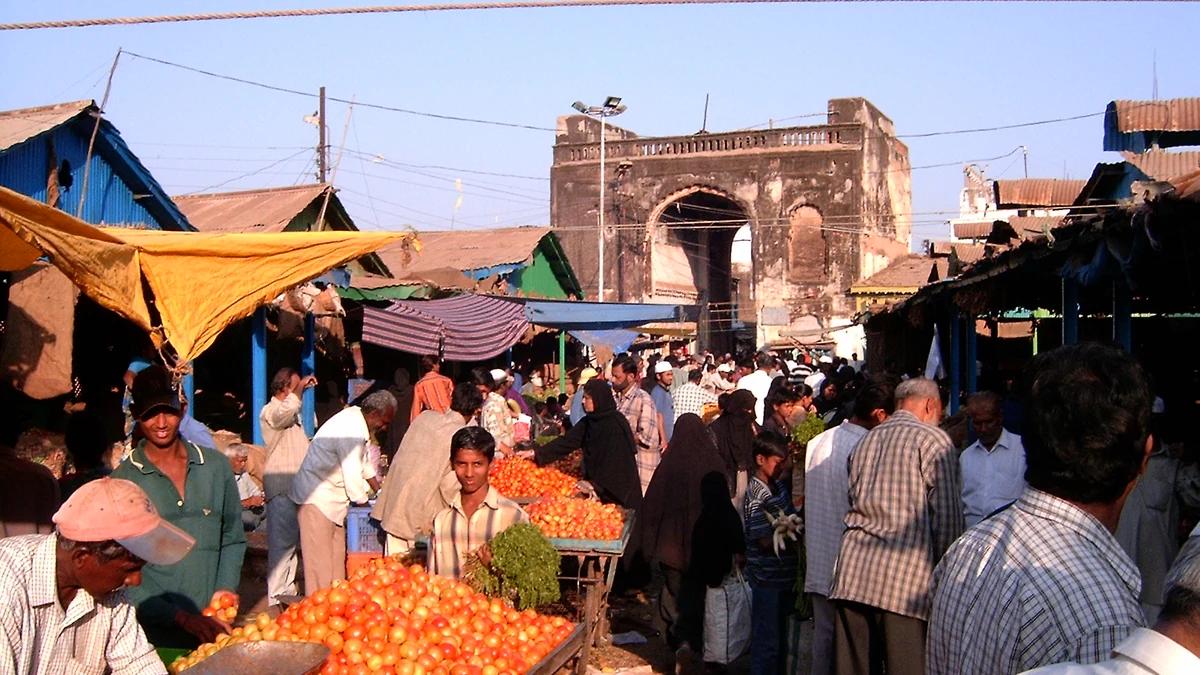
Checking accurate mandi rates (mandi bazar / today mandi rate) before hiring a transport trolley is one of the highest-return habits an Indian farmer can cultivate. Whether hauling newly harvested wheat and mustard into Lucknow mandi (including Dubagga Mandi Lucknow for fresh horticulture vegetables/mangoes and Sitapur Road for grains), tracking Neemuch / Indore garlic and soybean arrivals in Madhya Pradesh, or verifying tomato and onion auctions in Lasalgaon and Vashi APMC, real-time awareness protects cultivators from stale village broker discounts.
Centralized official price reporting runs daily through the Ministry of Agriculture’s Agmarknet portal and electronic spot auctions on e-NAM (National Agriculture Market), supported by regulated warehouse receipt backing from the Warehousing Development and Regulatory Authority (WDRA). On KisanPe, explore multi-commodity live filters via our dedicated interactive Mandi Rates hub, sign up for regional comparisons on Mandi Price Watch, find top-paying yards with our Best Mandi Near Me locator, check UP hub profiles like Barabanki, Ghazipur, Neemuch Mandi, Mandsaur Mandi, and compare regional spice/commodity guides like Unjha Jeera bhav and raw turmeric rates.
1. Major Indian Benchmark Mandis & Key Crops Traded (Lucknow Dubagga to Unjha)
India’s agricultural trade specializes regionally: specific benchmark APMCs act as national price anchors for key commodities because bulk interstate merchants, millers, and cold-storage exporters converge there daily:
| Benchmark APMC Mandi | State | Signature Commodities Traded | Indicative Typical Seasonal Spreads & Role |
|---|---|---|---|
| Lucknow Mandi (Dubagga & Sitapur Rd) | Uttar Pradesh | Dasheri Mango, Potato, Tomato, Green Peas, Paddy, Wheat | Primary Awadh vegetable & Lucknow grain auction hub; Dubagga handles massive UP fruit & sabji lots |
| Azadpur APMC | Delhi NCR | Apple, Onion, Potato, Tomato, Citrus, Garlic | Asia’s largest fresh fruit & vegetable wholesale redistribution yard |
| Vashi APMC & Lasalgaon | Maharashtra | Onion (Lasalgaon), Dry Fruits, Sugar, Tur/Gram, Tomato | National onion auction anchor & Mumbai import spice hub |
| Neemuch & Mandsaur APMCs | Madhya Pradesh | Garlic (Lahsun), Soybean, Isabgol, Coriander, Fenugreek, Wheat | India’s largest medicinal crop & Malwa garlic auction cluster |
| Unjha & Gondal APMCs | Gujarat | Cumin (Jeera), Fennel (Saunf), Isabgol, Sesame, Groundnut | Global export spice price setter (quoted per 20 kg maund) |
| Shimoga, Nizamabad & Sangli | KA / TS / MH | Red Arecanut (Shimoga), Turmeric Fingers (Nizamabad/Sangli) | Plantation & spice dry-cured auction leaders nationwide |
| Khanna & Ludhiana APMCs | Punjab | Wheat (Kanak), Basmati Paddy, Maize, Cotton | Largest wheat & grain arrivals hub across northern India |
Source: Synthesized from Agmarknet (DMI) commodity market specialization schedules and e-NAM integrated APMC directory as of November 2026. Check state-level mandi holidays carefully before dispatching overnight produce trucks.
2. Understanding Min Rate, Modal Rate & Max Rate on Agmarknet & e-NAM
When farmers inspect online mandi tables, three price columns always appear side by side: Min Price, Max Price, and Modal Price. Focusing blindly on the highest number ("Max Rate") often leads to disappointment at the auction heap unless your lot matches strict moisture and clean-seed grading specs:
- Modal Rate (True Realistic Benchmark): Represents the exact price at which the largest total share of incoming average-quality (FAQ — Fair Average Quality) farmer trolleys cleared that morning. Always calculate tractor/transport break-even using Modal Price!
- Maximum Rate (Export / Sortex / Bold Top 5%): Paid strictly to spotless, machine-cleaned, low-moisture Grade-A lots (for example, crisp unblemished garlic bulbs, moisture <10% maize, or bold golden wheat without black tip).
- Minimum Rate (Damaged / High-Moisture Distress Lots): Reflects wet freshly combined paddy (>18%–22% moisture), weather-blackened gram, or sprouted rain-soaked lots subject to high cleaning deductions.
- Lucknow Dubagga Sabji Mandi Timing: Fruit and vegetable auctions at Dubagga Mandi Lucknow start aggressively between 4:00 AM and 8:30 AM, while heavy grain trading runs mid-morning from 10:00 AM onward—arriving cleanly graded before dawn captures primary wholesaler buyers!

3. Five Practical Ways to Boost Net Mandi Realization by 8%–15%
Same village, same harvest day—yet top FPO growers consistently net Rs 150 to Rs 450 per quintal more than unorganized sellers. Apply these disciplined pre-sale steps reviewed across Ministry of Agriculture FPO manuals and Agmarknet extension guides:
| Value-Boosting Practice | Standard Unplanned Habit | Expected Realization Gain |
|---|---|---|
| Field Spiral / Fan Seed Cleaning | Haul 5% dirt, straw & split pods straight to mandi | Removes Rs 100–Rs 350/qtl arbitrary trader "channi" cut cleanly |
| Tarpaulin Solar Drying to <12% Moisture | Sell damp 17%–20% harvest right off combine | Earns full MSP / FAQ Modal Grade instead of wet discounts |
| Separate Bold vs Small Fruit/Vegetable Sizing | Dump mixed large + small potatoes/tomatoes/mangoes | Graded Super-A crates sell 15%–25% above mixed-heap averages |
| Electronic e-NAM Bidding Across States | Sell solely to one familiar village middleman | Transparent open digital bids attract outstation millers cleanly |
| WDRA e-NWR Warehouse Pledge Loan | Dump entire crop during 15-day peak harvest rush | Lets farmers take 75% cash loan (~7% interest) & sell off-season! |
Source: Post-harvest cleaning & electronic marketing best practices published under e-NAM (enam.gov.in) and Warehousing Development and Regulatory Authority (wdra.gov.in) farmer guides (2026).
4. MSP Procurement vs Open Mandi Sales, KCC & Farmer Financial Tools
During Rabi (Wheat, Mustard, Chana, Masoor) and Kharif (Paddy, Bajra, Soybean, Tur, Cotton) seasons, always benchmark nearby open mandi modal prices against central Minimum Support Price (MSP) procurement rates administered by FCI, NAFED, and NCCF via state procurement portals! Never sell clean FAQ wheat or mustard far below official MSP inside open private yards without verifying active state purchase center slots first.
Combine daily market research with KisanPe’s practical farmer calculators: check exact net profit margins using our crop income calculator, compare regional price alerts on KisanPe live mandi boards, explore mobile advisory tools via our official agriculture apps guide, calculate low-interest crop finance via our KCC loan calculator, verify implement grants with our subsidy calculator and DBT implements portal, protect crops under PMFBY crop insurance (PMFBY app guide), explore government schemes, and ensure your AgriStack Farmer ID enrollment stays updated before e-procurement token windows open.
5. Seasonal Mandi Arrival Cycles, Storage Finance & Auction Checklist
Agricultural commodity supply in India follows predictable monsoon-linked arrival surges that temporarily depress spot APMC prices whenever lakhs of trolleys enter yards simultaneously during the main 4-to-6-week harvesting window. Understanding these recurring Kharif and Rabi arrival calendars lets farmers avoid panic distress sales when buyer bids dip sharply below off-season demand equilibrium:
- Rabi Arrival Window (March to May): Massive new crop deliveries of wheat, chana, mustard, jeera (Unjha jeera rates), dhaniya, and isabgol peak across Punjab, Haryana, MP, Gujarat, and Rajasthan mandis. Holding dry grain past June routinely captures post-harvest firming once initial miller pipelines stabilize.
- Kharif Arrival Window (October to December): Paddy, soybean, bajra, maize, cotton, and red chilies flood Madhya Pradesh, Maharashtra, Telangana, and Gangetic belt APMCs—making dry <12% moisture winnowing critical so monsoon-damp lots do not attract Rs 150–Rs 400/qtl refraction cuts.
- Perishable Supply Shocks (Monsoon & Summer Peaks): Vegetable crops such as tomato (tomato market trends), onion, green chilies, and fruits move strictly by daily freight tonnage rather than multi-month warehousing, reacting sharply within 48 hours to highway disruptions or unseasonal heatwaves.
Before dispatching any grain, oilseed, or pulse load to an APMC commission agent (arhatiya), always run a fast 5-point field gate check: (1) sun-dry kernels on tarpaulins until biting clean with zero dent moisture (<12% for wheat/maize/soybean, <9% for cumin/spices), (2) sieve out chaff, straw sticks, and mud clods using portable spiral or rotary graders, (3) cross-check two adjacent mandi boards plus Agmarknet yesterday vs today Modal spreads before selecting your destination yard, (4) record gross and tare weighbridge weights personally before auction hammering, and (5) insist on an official computerized Sale Receipt / e-J-Form showing deducted commission, hamali, and weighment charges.
Farmers with dry surplus grain unwilling to sell during peak arrival gluts should store certified lots inside warehouses accredited by the Warehousing Development and Regulation Authority (WDRA) to obtain an electronic Negotiable Warehouse Receipt (e-NWR)—enabling low-interest pledge working capital (up to 70%–75% of asset valuation at ~4% subsidized short-term farm credit tiers via KCC linkage) cleanly while awaiting stronger off-season prices. Model farm payback across seasonal holding scenarios with our farm ROI calculator and verify clean input nutrition upfront via our fertilizer calculator.
Finally, farmers utilizing digital tools like e-NAM and state electronic weighing bridges eliminate hidden middleman deductions (karda excess free weight cuts and arbitrary moisture assumptions) common in manual open auctions. Checking regional transport economics—comparing a Rs 60/quintal diesel outlay to haul a tractor trolley 25 km farther to a Tier-1 benchmark market like Khanna, Unjha, Neemuch, or Azadpur against a Rs 180–Rs 350/quintal higher net Modal bid—routinely improves smallholder annual farm net income by 12% to 20% across every harvest season without spending one extra rupee on seed or fertilizer! Pairing cleaned lot grading with digital Farmer ID registration, KCC short-term credit bridges, and transparent Agmarknet price verification helps every progressive grower command peak market value consistently.
Frequently asked questions
- Where can farmers check official mandi rates today across all Indian states?
- Official daily Minimum, Maximum, and Modal wholesale mandi prices across 2,400+ APMC markets are published free by the Ministry of Agriculture on Agmarknet and e-NAM, alongside curated regional trackers on KisanPe Mandi Rates.
- What is the difference between Min Rate, Modal Rate, and Max Rate in mandi reports?
- Min Rate covers damp/damaged low grades, Max Rate covers the top 5% spotless premium lots, and Modal Rate represents the price where maximum average-quality (FAQ) farmer produce traded—making Modal Rate the single most realistic planning figure.
- What are the main Lucknow mandi hubs including Dubagga Sabji Mandi?
- Lucknow operates Dubagga Fruit & Vegetable Mandi (Hardoi Road) as UP’s bustling dawn auction center for potatoes, tomatoes, green peas, okra, and famous Malihabad Dasheri mangoes, while Sitapur Road Naveen Mandi handles heavy paddy, wheat, pulse, and oilseed grain trading.
- How can farmers sell produce online using the e-NAM portal?
- Register once using Aadhaar, Bank Passbook, and Mobile OTP through any linked APMC gate or enam.gov.in. Once your incoming trolley passes digital moisture/purity assaying, traders nationwide bid transparently online with direct bank payouts.
- What is an e-NWR warehouse receipt loan for avoiding low harvest mandi rates?
- Storing cleaned dry grain in a warehouse accredited by WDRA generates an electronic Negotiable Warehouse Receipt (e-NWR), enabling farmers to take instant low-interest pledge loans (up to 70%–75% crop value) and wait cleanly for off-season price surges.
- Why do Gujarat mandis quote prices per 20 kg while UP/MP quote per 100 kg?
- Traditional Gujarati trading customs in Unjha, Rajkot, and Gondal use the 20 kg maund (man) unit (multiply by 5 for quintal equivalence), whereas Punjab, Haryana, UP, MP, and Maharashtra APMCs quote standard 100 kg quintal weights.
- Does clean grading and drying really raise the price farmers receive at mandi?
- Yes! Cleaning chaff/mud stones and drying grain under 12% moisture routinely eliminates Rs 100 to Rs 400/quintal in moisture and refraction weight cuts, paying for home tarpaulins or mobile spiral cleaners within a single harvest.
- Are mandis open on Sundays and gazetted holidays in India?
- Most major grain and spice APMCs (such as Unjha, Neemuch, Mandsaur, and Barabanki) remain closed on Sundays, weekly local rest days, and major national holidays—whereas big urban vegetable markets like Azadpur and Dubagga operate nearly year-round except major festival closures.
- How do farmers decide between selling at APMC mandi vs Government MSP centers?
- Compare local open APMC Modal rates minus mandi/unloading charges directly against central Ministry of Agriculture MSP rates—sell to state FCI/NAFED MSP centers whenever open market bids dip below MSP, provided your crop meets FAQ moisture norms!
- How can farmers find which nearby mandi is offering the best rate today?
- Use our Best Mandi Near Me finder and Mandi Price Watch alerts to compare price differentials across neighboring district yards against diesel trolley distance before loading.
- Can Kisan Credit Card (KCC) loans reduce forced harvest selling at low mandi rates?
- Yes! Subsidized KCC loans (~4% effective yearly interest for prompt repayers) cover seasonal household and sowing expenses so farmers aren’t forced to dump newly harvested wheat or mustard during the lowest 2 weeks of mandi gluts. Calculate eligibility via our KCC calculator.
- Why do vegetable mandi prices crash or spike faster than wheat or soybean?
- Perishable crops like tomatoes, onions, and leafy vegetables cannot sit safely in village godowns without cold chains, causing sudden 2×–4× spikes whenever rain disrupts roads and sharp drops when warm sunny harvests flood yards simultaneously.
This article is for general information only and is not financial advice. Loan and scheme eligibility depends on partner and government criteria.