Bavistin Fungicide (Carbendazim 50% WP): Dose, Uses, Rate
Key takeaways
- Bavistin fungicide contains Carbendazim 50% WP (Wettable Powder)—a broad-spectrum systemic benzimidazole fungicide offering both preventive and curative fungal protection.
- Registered under India's CIB&RC framework via ppqs.gov.in, Bavistin powder works across three modes: dry/slurry seed treatment (2 g/kg seed), nursery root dip / soil drenching against collar rot, and foliar spray (100–300 g/acre).
- In paddy crops, CIB&RC label uses include seed treatment at 2 g/kg seeds and foliar control of rice blast & sheath blight around 100–200 g per acre in 200–300 L water; vegetables (brinjal, cucurbits) typically use 200–300 g/acre.
- Because overuse of single-site benzimidazole fungicides breeds fungal resistance rapidly, rotate cleanly with strobilurin/triazole blends (Amistar Top, Nativo) or protective mancozeb mixtures (Saaf).
- Indicative retail prices across Indian agro-dealers stand roughly around ₹110–₹150 (100 g), ₹240–₹330 (250 g), and ₹450–₹620 (500 g pack) as of November 2026.
When seedling collar rot wipes out fragile pulse sprouts or humid August rains trigger leaf blast across standing paddy tillers, Bavistin fungicide remains one of rural India's oldest and most recognizable systemic disease-control powders. Chemically, authentic Bavistin powder carries Carbendazim 50% WP (Methyl benzimidazol-2-ylcarbamate, Wettable Powder)—giving both preventive shield protection and early curative eradication inside plant tissues. However, using it blindly on unapproved crops, exceeding label waiting windows, or spraying it standalone every week without mode-of-action rotation invites rapid fungal resistance and export MRL violations. Review statutory rules regulated under India's CIB&RC and PPQS Plant Protection frameworks alongside our complete systemic fungicide guide, Carbendazim + Mancozeb (Saaf) comparison, and paddy disease manual. Verify related KisanPe comparisons and official portal references via certified paddy seed.
1. Bavistin Fungicide Content, Mechanism & CIB&RC Dose Chart
Always inspect the active ingredient line—bavistin fungicide content is strictly Carbendazim 50% WP (FRAC Group 1: MBC / Methyl Benzimidazole Carbamates), formulated as a fine cream-white wettable powder packaged inside foil pouches. Inside the fungal cell, Carbendazim disrupts beta-tubulin assembly during fungal mitosis (cell division), arresting spore germination, appressorium penetration, and internal mycelial growth across xylem vessels. Strictly adhere to verified CIB&RC crop label uses shown below:
| Crop / Stage | Target Fungal Disease(s) | Application Mode | Indicative Dose Rate | Water Volume & Notes |
|---|---|---|---|---|
| Paddy (Seed Treatment) | Seed-borne blast & foot rot | Dry or wet slurry seed coat | 2.0 g per kg seeds | Coat clean certified paddy seed evenly before nursery sowing |
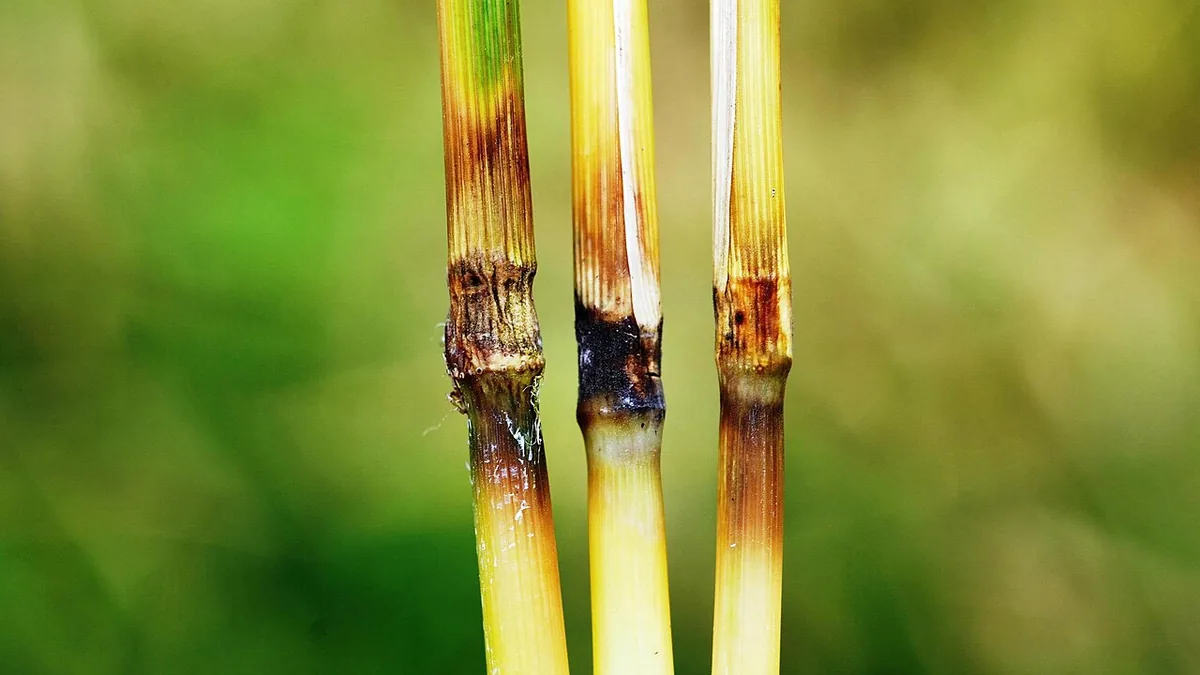
| Paddy (Foliar Stage) | Leaf/Neck Blast & Sheath Blight | Uniform foliar spray | 100 – 200 g per acre (0.5–1.0 g/L) | 200–300 L water/acre; start at first symptom sight |
| Wheat, Groundnut & Cotton Seeds | Loose smut, collar rot & early seedling blights | Pre-sowing seed dressing | 2.0 – 2.5 g per kg seeds | Coat seeds neatly in shade prior to seed-drill sowing |
| Vegetables (Brinjal, Cucurbits, Beans) | Powdery mildew, leaf spot & fruit rot | Foliar spray / root drench | 200 – 300 g per acre (1.0–1.5 g/L) | 200 L water/acre; strictly honor Pre-Harvest Interval (PHI) |
| Fruits (Grapes, Mango, Citrus) | Powdery mildew & Anthracnose | Canopy spray | 200 – 400 g per acre (crop volume) | Check label MRL bans carefully before export fruit harvests |
Unlike multi-site contact protectants, Carbendazim penetrates stems and leaves within hours and moves primarily upward (acropetally) through xylem transpiration streams. Consequently, seed treatment protects delicate emerging hypocotyls inside moist monsoon seedbeds for up to 15–20 days, saving expensive re-sowing bills. Check seed quantity math across your holding using KisanPe's Seed Rate Calculator before mixing slurry coats, and explore broader crop rotation strategies inside our paddy cultivation guide, rabi wheat profitability guide, and pulse sowing guidelines.
2. Three Core Bavistin Fungicide Uses in Indian Agriculture
Across Indian field extension work led by ICAR and state Krishi Vigyan Kendras (KVKs), farmers deploy bavistin fungicide uses mainly across three targeted crop moments:
A. Dry & Slurry Seed Treatment (Highest ROI per Rupee)
Treating 20 kg of rice, wheat, groundnut, gram, or urad seed requires barely 40 to 50 grams of Bavistin powder (~₹50 per acre!), yet guards roots against destructive Fusarium, Rhizoctonia, and loose smut pathogens before germination failures show above ground. Never treat chemically with Carbendazim on top of live biological seed inoculants on the exact same wet coat unless staggered properly—treat chemically first, let seeds shade-dry, and apply Rhizobium biofertilizers or Trichoderma viride right before sowing per KVK guidance.
B. Nursery Root Dip & Collar Rot Soil Drenching
High nursery moisture frequently spreads devastating damping-off (Pythium / Rhizoctonia) across chilli, tomato, and brinjal seedlings. Preparing a balanced 1.0 g/L to 1.5 g/L solution (15–22 g per 15 L pump without nozzle, or watering can drench) along raised nursery stem bases arrests stem girdle rot cleanly—compare dedicated multi-pathogen nursery protocols inside our chilli disease guide and tomato disease control page.
C. Early Foliar Canopy Spraying & Resistance Rotation
When high humidity triggers foliar blast, powdery mildew, or anthracnose spots, spray promptly using clean hollow-cone nozzles described in our spray equipment directory and knapsack calibration manual. Crucially, NEVER spray standalone Carbendazim 3+ consecutive times on one crop! Fungal pathogens develop single-site resistance quickly against FRAC Group 1 fungicides. Always rotate cleanly with combination chemistries such as Azoxystrobin + Difenoconazole (Amistar Top), Tebuconazole + Trifloxystrobin (Nativo), Custodia, or preventive Carbendazim + Mancozeb (Saaf) / Thiophanate Methyl (Roko)—just verify your exact rotation schedule carefully (broad-spectrum vs systemic rotation) and avoid spraying ahead of thunderstorms using our daily spray weather forecast.
3. Indicative Bavistin Fungicide Price in India (Nov 2026)
At retail agro-input counters across India as of November 2026, authentic bavistin fungicide price tags typically reflect pack weights: roughly ₹110 to ₹150 for 100 g pouches, ₹240 to ₹330 for 250 g packs, ₹450 to ₹620 for 500 g packs, and ₹880 to ₹1,180 for 1 kg commercial jars (subject to brand—original BASF/Crystal/Biostadt formulations vs generic Carbendazim 50% WP equivalents—plus state dealer discounts). Always examine aluminum foil seals, crisp hologram batch dates, and legible CIB&RC registration numbers before mixing powder into field tanks.
4. Mandatory Safety, Export MRL Awareness & PPE Precautions
While Carbendazim carries a relatively moderate acute toxicity label (usually Blue/Slightly Toxic triangle depending on pack), international regulators including the European Union and Australia have either tightened Maximum Residue Limits (MRLs) dramatically or banned Carbendazim on export-bound basmati rice, table grapes, mangoes, and tea. Consequently, Indian export growers must verify current APEDA / Spices Board MRL advisories strictly BEFORE spraying Bavistin on export crops!
During any mixing or foliar spray using 12V battery sprayers, wear thick nitrile gloves, a face dust respirator (to avoid inhaling fine WP powder dust while pouring into slurry buckets!), protective goggles, and full sleeves. Observe strict Pre-Harvest Intervals (PHI—typically 14 to 21+ days minimum depending on crop leaflet instructions), wash hands and spray nozzles cleanly away from rural wells, and fund seasonal protection budgets cheaply via a Kisan Credit Card alongside disease-tolerant paddy hybrids.
5. How to Prepare a Proper Slurry Without Clogging Spray Nozzles
A common reason field operators complain about uneven disease control with Bavistin powder is dumping dry 50% WP granules straight into a half-filled 15-litre knapsack tank—creating thick gummy lumps that settle at the tank bottom and choke brass filters within two rows! Instead, follow standard two-step wettable powder slurry preparation taught across KVK field demonstrations: measure the exact crop-wise gram weight cleanly (for example, 15 g to 20 g per 15 L knapsack tank for 150–200 g/acre paddy or vegetable foliar sprays) into a clean 1-litre plastic mug containing soft clean borewell or filtered canal water, stir vigorously with a wooden stick until a uniform lump-free white milk-like slurry forms, pour cleanly through the tank inlet strainer while topping up the remaining clean water, and agitate lightly between tank walks. Never store leftover mixed fungicide overnight inside tanks, as alkaline hydrolysis slowly degrades suspended Carbendazim particles before next morning's spray.
Beyond chemical spraying alone, growers cutting annual crop-protection spending should integrate non-chemical sanitation steps across nurseries and main plots: rogue infected leaf-blast seedlings immediately out of raised seedbeds, avoid excessive top-dressed nitrogen fertilizer (which triggers soft juicy foliage prone to rapid sheath blight spread!), maintain periodic alternate wetting and drying irrigation intervals in rice, and improve drainage across damp clay lowlands using balanced potassium from potash nutrition and certified clean seed stocks. Furthermore, store unopened foil pouches in cool, lockable dry agricultural cupboards out of children's and livestock reach—keeping powders away from direct afternoon sunlight preserves Carbendazim chemical shelf-life across two consecutive Kharif and Rabi seasons cleanly while preventing moisture caking inside half-used sachets.
6. Frequently Asked Questions on Bavistin Fungicide (Carbendazim 50% WP)
Find straightforward verified answers covering Bavistin active content, seed treatment ratios, per-acre spray doses, current India prices, and resistance rotation.
Frequently asked questions
- What is the technical composition (content) of Bavistin fungicide?
- Bavistin fungicide contains Carbendazim 50% WP (Wettable Powder), a broad-spectrum systemic benzimidazole fungicide regulated by CIB&RC under India's Insecticides Act, 1968.
- What are the main agricultural uses and dosage of Bavistin powder per acre?
- For paddy leaf blast and sheath blight, spray 100–200 g per acre in 200–300 L water; for vegetables (brinjal/cucurbits leaf spot & powdery mildew), spray 200–300 g per acre. Always match PPQS approved label claims and rotate chemistries with products like Amistar Top.
- How much Bavistin powder should be used for seed treatment per kg of seed?
- Use 2.0 grams of Bavistin (Carbendazim 50% WP) per kg of seed for paddy, and 2.0 to 2.5 grams per kg for wheat, cotton, and groundnut seed dressing prior to sowing. Compute total field seed need using our Seed Rate Calculator.
- What is the indicative retail price of Bavistin fungicide in India in 2026?
- Indicative retail prices generally run ₹110–₹150 for 100 g pouches, ₹240–₹330 for 250 g packs, and ₹450–₹620 for 500 g packs across licensed agro-dealers depending on state GST and brand formulation.
- What is the difference between Bavistin and Saaf fungicide?
- Bavistin is pure systemic Carbendazim 50% WP, whereas Saaf combines Carbendazim 12% + Mancozeb 63% WP (both systemic + contact action), slowing resistance buildup on stubborn downy/blight complexes—see full comparisons in our Saaf fungicide guide.
- Can Bavistin be mixed with foliar fertilizers or insecticides in one spray tank?
- Carbendazim 50% WP is compatible with most neutral non-alkaline insecticides and water-soluble foliar NPKs, though you should never tank-mix with strongly alkaline Bordeaux mixture, lime sulfur, or copper oxychloride slurries. Check timing on our spray advisory tool.
- Is Bavistin safe on export basmati rice, grapes, or chillies?
- Exercise extreme caution! While legally registered domestically for specific crops under CIB&RC labels, importing nations enforce strict Carbendazim MRL caps—export-oriented basmati, chilli, and grape growers often switch cleanly to biological Trichoderma or MRL-cleared triazole/strobilurin rotations.
- Does Bavistin cure bacterial leaf blight or viral curl diseases?
- No. Bavistin controls strictly fungal infections (smuts, blasts, powdery mildews, anthracnose); it has zero action against bacterial leaf blight (BLB) or whitefly-transmitted yellow/leaf curl viruses.
This article is for general information only and is not financial advice. Loan and scheme eligibility depends on partner and government criteria.