Coconut Price in Kerala 2026: Kochi, Kozhikode & Copra

Key takeaways
- Check indicative coconut price in Kerala across Kochi, Kozhikode & Thrissur 2026: 1 kg nut & piece parity, Kerafed ₹12,027 copra MSP & oil yields.
- Covers Kerala Coconut & Copra Indicative Market Price Matrix (2026) with government-linked benchmarks and practical Indian farm guidance.
- Covers Per-Nut to Copra to Oil Math: Should Kerala Growers Sell Raw Nuts or Copra? with government-linked benchmarks and practical Indian farm guidance.
- Covers Kerafed Procurement, CDB Schemes & Farmer Co-op Value Addition with government-linked benchmarks and practical Indian farm guidance.
In Kerala—literally named the Land of Coconuts (Kera)—orchard prices across Kochi, Kozhikode, Thrissur, Palakkad, Alappuzha, and Kasaragod fluctuate directly alongside fresh culinary household demand, Milling Copra crushing quotes, temple festival calendars, and Kerafed / NAFED Minimum Support Price (MSP) procurement operations! Monitored regularly through the Coconut Development Board (CDB, Kochi) and Agmarknet Kerala APMCs, smart growers watch wholesale nut parity per kg right beside dry white copra rates so they always pick the highest-margin selling form across rainy vs summer seasons.
Below is a clear benchmark matrix covering 1kg coconut price in Kerala today equivalents, district Kochi vs Kozhikode spot spreads, central 2026 Copra MSP protections, and West Coast Tall (WCT) drying conversions. Compare inter-state Tamil Nadu & Andhra hubs on our pan-India coconut price page, track companion coconut oil milling trends, inspect CDB Kochi orchard subsidies, and review KisanPe Mandi Rates.
1. Kerala Coconut & Copra Indicative Market Price Matrix (2026)
Unlike wholesale Tamil Nadu yards that frequently count sorted pieces by calibrated steel rings, Kerala primary societies and village aggregators weigh clean mature nuts and sun-dried copra predominantly by kilogram or quintal! As indicative November 2026 benchmarks reflecting firm oil crushing demand across southern belts, note typical district spreads below—always confirm live morning yard auctions on coconutboard.gov.in or Agmarknet before harvesting large orchard blocks:
| Kerala Product Form / Centre | Primary Trading Unit | Indicative Kerala Wholesale Benchmark | Key Pricing Driver |
|---|---|---|---|
| Mature Whole / Dehusked Coconut (Kozhikode, Thrissur, Kochi) | Per Kg / Per Piece (~500–650g nut) | ₹45 – ₹62 / kg (₹24 – ₹38 / nut) | Kitchen culinary demand, thick kernel endosperm recovery & dry weight |
| Fresh Tender Green Coconut (Karikku Farm-Gate) | Per Nut (7-Month Stage) | ₹24 – ₹40 / nut (Urban retail ₹50–₹65) | Coastal tourism, summer hydration surge & metro expressway demand |
| Spot Fair Average Milling Copra (Kochi / Kozhikode) | Per Quintal (100 kg) | ₹15,800 – ₹16,400 / qtl (₹158–₹164/kg) | Firm coconut oil expeller parity (~₹250–₹271/kg oil wholesale) |
| Statutory Govt Milling Copra MSP (2026 Season) | Per Quintal (NAFED / Kerafed PSS Floor) | ₹12,027 / qtl (Official Central MSP) | Protects growers via DBT procurement whenever spot arrivals depress bids |
| Statutory Govt Ball Copra MSP (2026 Season) | Per Quintal (Slow-Dried Edible Ball Grade) | ₹12,500 / qtl (Official Central MSP) | North Indian religious/confectionery edible export grade protection |
Source: Indicative spreads anchored to Coconut Development Board Kochi market bulletins, PIB 2026 Copra MSP approvals, and NAFED PSS procurement schedules.
2. Per-Nut to Copra to Oil Math: Should Kerala Growers Sell Raw Nuts or Copra?
Understanding simple conversion yields protects smallholder palm owners against smooth local dealer pitches! Across traditional Kerala West Coast Tall (WCT) and Chowghat / Tiptur stands, splitting and solar-drying mature 11–12 month harvests unlocks clear mass parity:
- 100 Kg Mature Whole Coconuts (With Husk / Semi-Husked) Yield: Roughly 55–65 medium nuts depending on district variety; splitting clean ripe kernels yields approximately 32–36 kg wet fresh kernel, which dries neatly down under 6% moisture into 16–19 kg crisp white Milling Copra (roughly 5.5 to 6.5 mature coconuts produce 1 kg dry Milling Copra!).
- 100 Kg Milling Copra Crushes Into: Approximately 62 to 65 kg pure fragrant Coconut Oil plus ~33–35 kg protein-rich Coconut Oil Cake (Punnaku) widely bought across Kerala cattle sheds—meaning every ₹10/kg jump in wholesale coconut oil lifts underlying raw milling copra value nearly ₹6.20/kg instantly!
- Break-Even Rule of Thumb: Before investing family labour in splitting, drying, and fuel charcoal over rainy months, verify spot Milling Copra per kg divided cleanly by ~5.8–6.2 against local farm-gate per-nut buyers—if spot per-nut buyer quotes beat net post-drying copra equivalent plus ₹2–₹3 shell/husk savings, sell sorted mature nuts immediately; when dealers slash fresh nut bids aggressively during seasonal festivals/monsoons, dry crisp cups cleanly and deliver via Kerafed or FPO solar dryers!
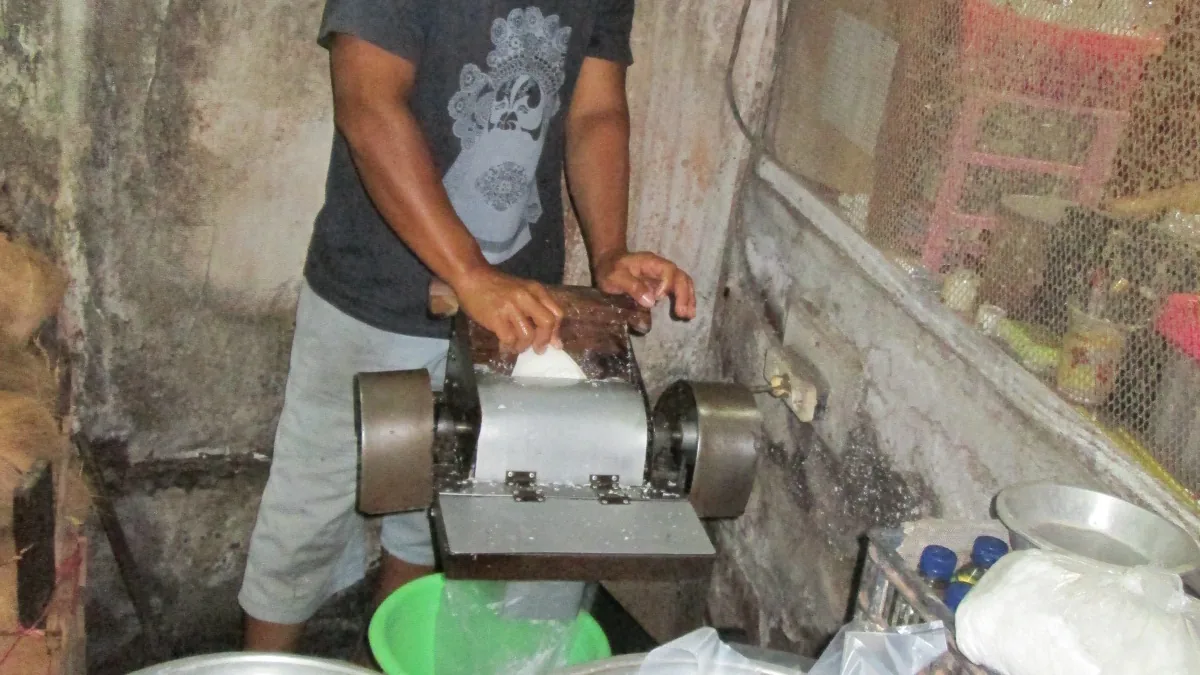
3. Kerafed Procurement, CDB Schemes & Farmer Co-op Value Addition
Unlike scattered unorganized middleman pickups across interior Palakkad and Kozhikode gardens, Kerala farmers benefit from strong cooperative backing anchored by Kerafed and Coconut Producer Societies (CPS) / Companies (CPCs) promoted by the Coconut Development Board! Whenever excess Tamil Nadu or global palm-oil imports soften regional prices toward the statutory ₹12,027/qtl floor, primary cooperatives procure properly dried up to6% moisture FAQ copra under central NAFED Price Support Scheme (PSS) operations directly through DBT bank transfers (review CDB subsidy guides).
| Value-Added Kerala Stream | Key Target Scheme / Market | Net Income Boost Mechanism |
|---|---|---|
| Solar Cabinet Copra Dryers (Zero Smoke) | CDB / State Horticulture Mission / AIF Credit | Eliminates monsoon mold discoloration; gains food-grade sulfur-free copra premium |
| Virgin Coconut Oil (VCO) & Neera Clusters | CDB Farmer Producer Companies (CPCs) | Cold-centrifuged edible/cosmetic VCO commands multi-fold retail returns per nut |
| Coir Fibre, Cocopeat & Coconut Shell Charcoal | Coir Board / Activated Carbon Mills | Coir pith + thick hard shells offset 100% manual tree-climbing pluck costs! |
Source: Coconut Development Board (CDB Kochi) & KisanPe Coconut Cultivation Manual. Track palm seedling programs via certified coconut varieties.
4. Protecting Kerala Palm Yields: Nutrient Splits, Rhinoceros Beetle & Mite Care
High coconut price in Kerala earns real profit ONLY when palms stay free from yellow crown rot, premature button shedding, and nut scarring that cuts fresh market grade value by 40%! Follow strict CDB palm agronomy: apply split organic cow dung/compost plus calibrated NPK + Magnesium Sulphate + Boron cleanly inside circular 1.8-metre palm basins during May and October monsoon edges using KisanPe's Fertilizer Calculator (Boron and Potash deficiency directly causes empty wrinkled misshapen nuts and cracked kernel cups!). Simultaneously, monitor palm spindles weekly for Rhinoceros beetle V-cuts and Red Palm Weevil ooze (Rhinoceros beetle IPM guide) using safe green muscardine fungus and clean crown hygiene.
5. Multi-Tier Intercropping, Insurance & Climate-Smart Orchard Finance
Because pure monocrop tall coconut palms utilize barely 25% of horizontal land area once crowns rise past 12 years, progressive Kerala growers routinely plant high-value black pepper vines climbing coconut trunks, cocoa, robusta coffee, nutmeg, or tissue-culture bananas inside dappled orchard shade—shielding household cashflow smoothly whenever palm copra cycles dip! Insure bearing palms timely via weather-indexed / Coconut Palm Insurance schemes against devastating monsoon windstorms, check fungal leaf-blight rain sprays on KisanPe Weather Advisory, fund farm drip upgrades or solar copra cabinet units affordably via a Kisan Credit Card alongside state agricultural subsidies and rural farmer schemes, and monitor competitive Tamil Nadu vs Kerala auctions daily on our mandi finder and mandi trend tools.
Finally, maintain strict 45-to-50 day palm climber intervals cleanly between mature harvest bunches rather than stripping semi-mature 9-month bunches alongside 12-month brown nuts simply to save climbing charges! Semi-mature nuts shrink unevenly into rubbery papaya-skin copra containing 10%–12% lower oil recovery—prompting Kochi and Kozhikode millers to slash batch quotations sharply. Disciplined maturity picking paired with hygienic sorting guarantees top clean modal rates across every Kerala trading season.
Kerala Monsoon Copra Drying & Farmgate Quality Safeguards
Between June and September south-west monsoon downpours across Thrissur, Malappuram, and Kozhikode, continuous rain frequently halts traditional open courtyard sun-drying within 48 hours—causing pale white copra surfaces to bloom blue-green Aspergillus mold spots! Never burn rubber tyres or painted waste wood in smoky pit-kilns to rescue damp monsoon harvests, because heavy polycyclic smoke residues render edible oil rancid and disqualify lots cleanly from Kerafed / CDB premium procurement grades! Instead, adopting FPO-shared indirect heat biomass copra dryers or polycarbonate solar-assisted cabinet dryers dries clean split cups uniformly below 6.0% residual moisture in under two days regardless of monsoon clouds—commanding smooth ₹800–₹1,600/qtl clean-grade market premiums while protecting cold-pressed edible oil aroma and storage shelf stability cleanly across humid coastal seasons. Furthermore, coastal Kerala palm estates intercropping shade-tolerant spices and fruit banana clusters beneath 30-year tall palms should monitor micro-nutrient foliar sprays closely after heavy north-east monsoon leaching rains: applying clean organic husk mulch rings cleanly around feeder root bowls conserves soil moisture through crisp January–April dry months so young floral button spikes hold firmly into full heavy mature summer harvests rather than prematurely dropping across rural plantations! In addition, younger commercial palm blocks replanted with dwarf-hybrid lines (Chowghat Orange Dwarf x West Coast Tall) benefit noticeably from staggered crown cleaning ahead of onset pre-monsoon showers in May: pruning dead sagging petioles cleanly, treating dark crown buds preventively against Bud Rot fungus (`checked via wet weather alerts`), and verifying transparent electronic weighment slips at Kerala co-operative collection hubs guarantees reliable premium returns across both wet summer months and festive Onam copra peaks statewide. Maintaining clean palm crown hygiene, synchronized multi-tier banana/pepper shade intercropping revenue streams, and timely Kerafed PSS society memberships equips Kerala coconut smallholders cleanly to ride monsoon moisture dips smoothly without surrendering fresh mature nuts below fair regional copra parity. Growers strengthening orchard soil structure and post-harvest warehouse strategies can also review organic coconut orchard methods, beneficial microbial soil biofertilizers, accredited storage godown loans, e-NAM electronic auction steps, and APMC modal checking guides.
6. Frequently Asked Questions on Coconut Price in Kerala
Find concise verified answers covering today 1kg and per-piece coconut prices across Kochi & Kozhikode, Kerafed ₹12,027 Milling Copra MSP, copra-to-oil conversions, and orchard protection.
Frequently asked questions
- What is indicative 1kg coconut price in Kerala today across Kochi and Kozhikode?
- Indicative November 2026 wholesale coconut prices in Kerala range roughly ₹45 to ₹62 per kg (~₹24–₹38 per whole dehusked nut depending on size and district) across Kozhikode, Kochi, Thrissur, and Palakkad, while spot fair-average Milling Copra trades near ₹15,800–₹16,400/quintal—verify daily bulletins via Coconut Development Board and KisanPe Mandi Rates.
- What is the official 2026 Government MSP for Milling Copra and Ball Copra?
- Central Cabinet MSP rates published via PIB India stand at ₹12,027 per quintal for FAQ Milling Copra and ₹12,500 per quintal for Ball Copra, procured across Kerala through Kerafed and NAFED societies during market troughs.
- How many Kerala coconuts are needed to produce 1 kg of dry copra and coconut oil?
- Typically 5.5 to 6.5 mature Kerala West Coast Tall coconuts yield 1 kg of dry Milling Copra (~6% moisture), and 100 kg of clean dry Milling Copra yields 62 to 65 kg pure Coconut Oil plus ~34 kg cattle oil-cake (punnaku)—compare regional oil pricing in our Coconut Oil Price Guide.
- Why do coconut buyers penalize mixed-bunch harvests in Kerala gardens?
- Harvesting immature 9-month nuts prematurely alongside fully ripe 12-month nuts lowers overall fat content, leaving dried copra thin and rubbery—causing oil expellers to apply severe percentage cuts across entire lots.
- How does Kerafed protect smallholder Kerala palm farmers from price crashes?
- Kerafed coordinates procurement through primary agricultural cooperatives under NAFED PSS operations whenever open-market copra dips toward MSP, transferring transparent DBT payments cleanly to registered growers—review CDB & cooperative schemes.
- Can farmers earn extra profit from coconut husks and shells in Kerala?
- Yes! Selling fresh fiber husks to coir extraction mills and clean intact mature brown shells to shell-charcoal units regularly offsets ₹1.50 to ₹3.00 per nut in tree-climbing and dehusking labour costs.
- Which nutrient deficiency shrinks coconut size and copra yield most in Kerala soils?
- Potassium (Potash), Boron, and Magnesium deficiencies across leached lateritic Kerala soils directly reduce nut weight, crack shells, and trigger heavy button drop—balance splits accurately using KisanPe's Fertilizer Calculator.
- Where can I compare Kerala coconut prices against Tamil Nadu and Andhra Pradesh?
- Inspect Pollachi/Kangayam per-kg parity alongside Konaseema Andhra 1,000-nut rings and Karnataka Tiptur Ball Copra inside our pan-India Coconut Price Today Guide.
This article is for general information only and is not financial advice. Loan and scheme eligibility depends on partner and government criteria.