Differentiate Between Kharif and Rabi Crops (+ Zaid
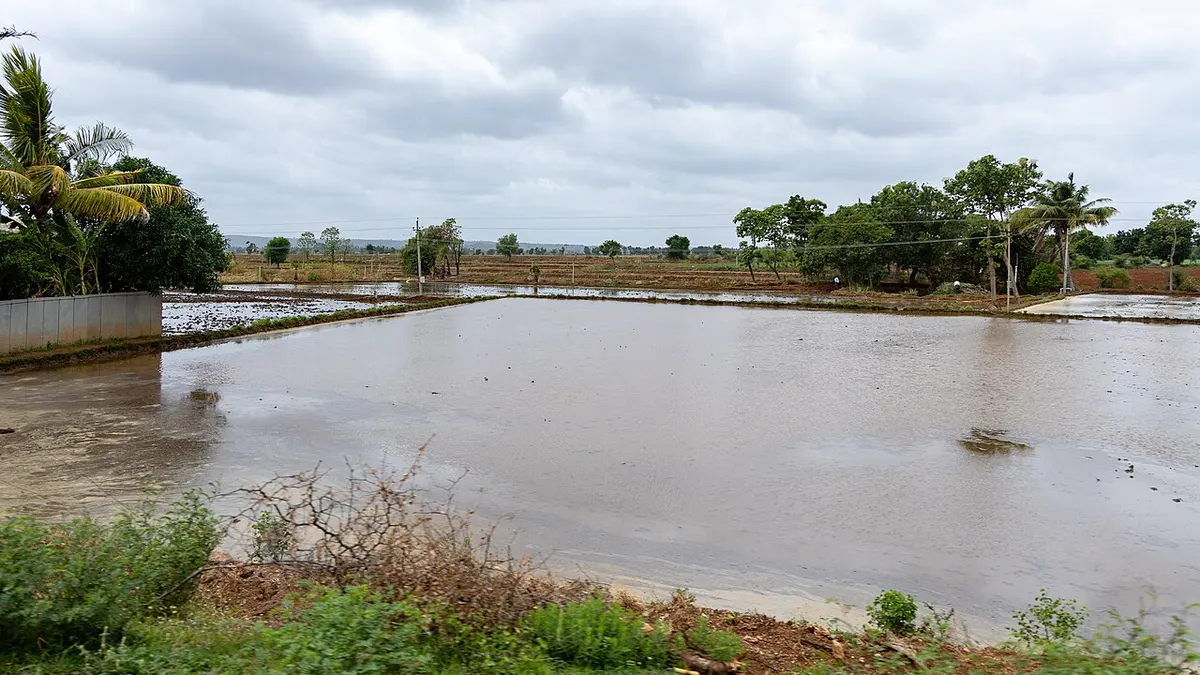
Key takeaways
- Kharif = Monsoon Warmth (June–July Sow -> Oct–Nov Harvest): Long-day warm humid rains nourish Rice, Soybean, Cotton, Tur, Bajra, Jowar, Guar, Sunflower & Sugarcane.
- Rabi = Cool Winter Growth (Oct–Nov Sow -> Mar–Apr Harvest): Cool winter frost-tolerant chill drives crisp Wheat, Mustard, Gram (Chana), Barley, Pea, Oats, Onion & Garlic.
- Zaid = Short Summer Bridge (March–June): Heat-loving quick 60–90 day Zaid harvests (Watermelon, Muskmelon, Cucumber, Moong, Sunflower, Fodder & Mentha) bridge Rabi-to-Kharif fallow gaps.
- Digital Crop Survey & PMFBY Cutoffs: Patwari/App e-Girdawari field verification maps Kharif vs Rabi agricultural produce precisely for MSP slots, KCC credit & PMFBY claims!
Learning how to differentiate between kharif and rabi crops (including Kharif season crops, spring Zaid bridges, agricultural produce classification, crop estimation surveys, and PM-KISAN/Farmer Welfare portal sync) unlocks both agricultural science AND practical Indian rural policy (agricoop.nic.in)! India’s Kharif season (meaning Autumn harvest — sown cleanly June–July at Southwest monsoon onset, harvested Oct–Nov) thrives on warm humid days (25°C–35°C), housing Paddy, Maize, Cotton, Soybean, Tur (Arhar), Guar, Bajra, and Groundnut! Conversely, Rabi (meaning Spring harvest — sown Oct–Nov cooling weather, harvested March–April) demands crisp cool vegetative winters (10°C–20°C growing, warm dry ripening) for Wheat, Chana, Mustard, Barley, Masoor, and Garlic (Quick Difference Chart & Indian Crop Calendar)!
Beyond textbook exams, discover how State Digital Crop Surveys (DCS / FarmApp / Meri Fasal Mera Byora feeding accurate crop estimation), PMFBY seasonal cutoffs (pmfby.gov.in), and verified PM-KISAN Land Records directly connect your plot’s Kharif/Rabi Girdawari entries to MSP procurement and crop insurance payouts!
Core scientific differences between Kharif, Rabi & Zaid agricultural seasons in India
Derived classically from Arabic/Urdu revenue terms kept across Indian agrarian records (_Kharif_ meaning autumn harvest; _Rabi_ meaning spring bloom/harvest), understanding seasonal botany prevents heartbreaking sowing failures cleanly (agricoop.nic.in)! Think strictly about seed germination temperature + daylight photoperiod + harvesting humidity: monsoon Kharif seedlings (Paddy, Maize, Pigeonpea, Cotton, Soybean) germinate cleanly inside warm 28°C–35°C soaked soils carrying shortening late-summer day lengths right into October harvesting (Kharif Crops Overview & Detailed Crop Contrast).
Try sowing cool-season Rabi Wheat or Chana mistakenly into blistering humid July mud and warm fungal rots melt seedlings instantly while long daylight triggers hollow sterile stalks! Conversely, planting heat-loving winter-intolerant Rabi Wheat safely after October Dussehra cooling (18°C–22°C crown root initiation + mild January winter chills followed cleanly by hot bright March dry ripening) fills plump vitreous golden heads cleanly ahead of Baisakhi harvesting (Wheat Season Hub & Zaid Crops Reference).
| Agronomic / Policy Feature | Kharif Season (Autumn Monsoon) | Rabi Season (Spring Winter) | Zaid Season (Short Summer) |
|---|---|---|---|
| Sowing Window (India) | June – July (SW Monsoon Arrival) | October – November (Post-Diwali Cool) | March – Early April (Post-Rabi Clear) |
| Harvesting Months | September Late – November | March – Late April | May – Late June (Pre-Monsoon) |
| Ideal Climate & Photoperiod | Warm wet (25–35°C), >120 cm paddy belts | Cool dry (10–22°C) + sunny dry 30°C finish | Warm dry clear sun (32–42°C), irrigated |
| Water / Irrigation Dependency | Monsoon rain-dependent + supplementary drip | Stored winter soil moisture + tube-well/canal | 100% Assured borewell/canal irrigation needed |
| Major Benchmark Crops | Paddy, Maize, Cotton, Soybean, Tur, Guar (Tur Hub) | Wheat, Chana, Mustard, Masoor, Garlic (Chana Hub) | Watermelon, Cucumber, Moong, Mentha, Zaid Sunflower |
| Govt Crop Insurance & MSP | CACP Kharif MSP | PMFBY ~31 July Cutoff | CACP Rabi MSP | PMFBY ~31 Dec Cutoff | State-notified Summer Horticultural / Veg |
How Digital Crop Surveys (DCS / FarmApp), Crop Estimation & Farmers Corner (PM-KISAN) connect
Why do progressive farmers searching differentiate between kharif and rabi crops also bump into official agri-tech governance portals (fw pm kisan, farmap 2.0, and cropestimation field surveys)? Every Kharif August and Rabi January nationwide, state agriculture surveyors capture live geo-tagged mobile plot photos across village fields under India’s Digital Crop Survey (DCS / Farmer Registry AgriStack) (agricoop.nic.in)!
Those exact seasonal Kharif vs Rabi plot entries drive three massive farmer rights automatically: 1) Transparent National Crop Estimation (preventing wild commodity hoarding rumors cleanly), 2) Hassle-Free MSP Procurement Verification (NAFED / FCI matching exact sown Khasra hectares against trolley quantities!), and 3) Accurate PMFBY Insurance & PM-KISAN Identity (pmkisan.gov.in) (pmkisan.gov.in & PM-KISAN Portal Guide)! Check how crop surveys eliminate fake middleman receipts cleanly on Procurement Verification and Crop Insurance Hub.
- Always Inspect Your Village e-Girdawari / Khasra Crop Entry Every Season: If you shifted from Kharif Paddy to Cotton or from Rabi Wheat to Mustard/Chana yet Patwari records mistakenly echo old crops, BOTH your MSP portal booking AND PMFBY crop loss compensation stall cleanly!
- Remember Two-Region Exception: Tamil Nadu NE Monsoon Kharif-Samba! Unlike north India drying completely across October–December, Tamil Nadu and coastal Andhra harvest lush NE Monsoon Samba / Thaladi winter rice directly off October–December cyclonic Bay rains!
- Leverage Short Zaid Legumes For Free Soil Nitrogen: Drilling 65-day Summer Moong (Green Gram) or Cowpea cleanly inside vacant April–June stubble enriches organic soil fertility cleanly for lush July Kharif maize or rice.
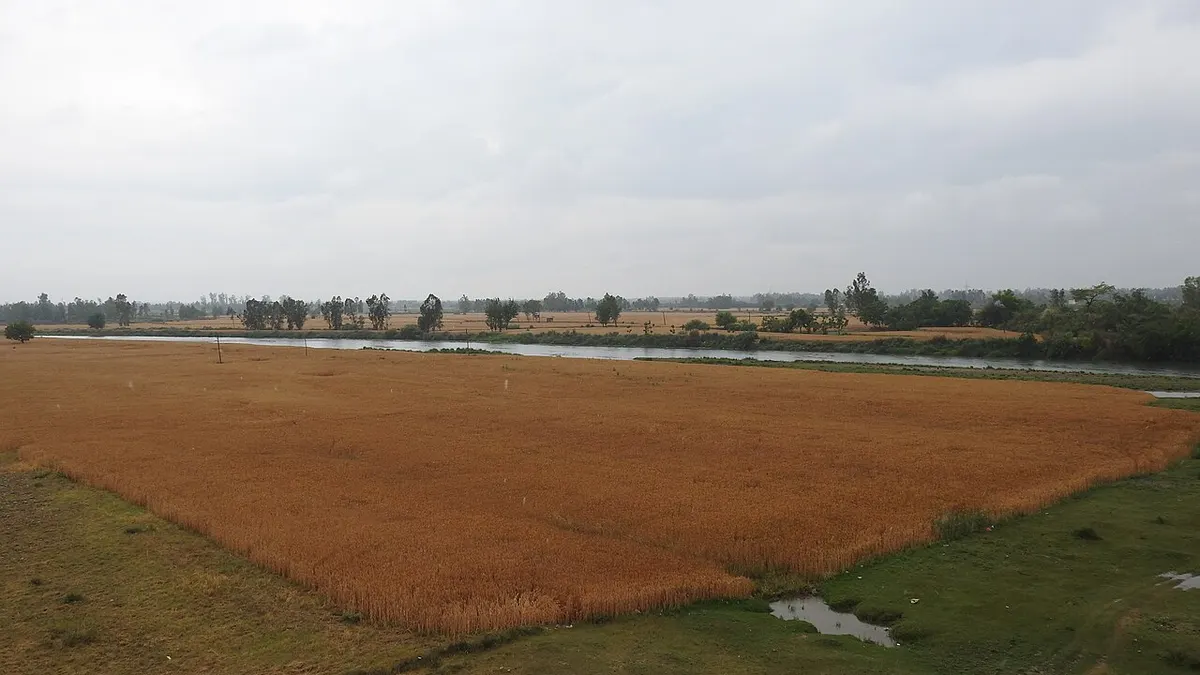
Designing profitable 3-season India crop rotations without exhausting groundwater or soil
Monocropping identical heavy water-guzzling Kharif Rice -> Rabi Wheat -> Kharif Rice endlessly across Punjab, Haryana, and western UP mines deeper borewell water tables down relentlessly while locking stubborn Phalaris minor weed resistance cleanly! Inserting leguminous nitrogen-fixing Rabi Chana/Lentil (instead of wheat on light fringes), oilseed Mustard (low 1–2 winter irrigations), or quick spring Guar / Zaid Sunflower + Mentha builds natural biological resilience while slashing seasonal urea bills calculated via Fertilizer Planner & Seed Rate Tool cleanly (Crop Rotation Science).
Checking CACP MSP announcement cycles & PMFBY crop-loss deadlines across both main seasons
Aligning cashflow cleanly starts with tracking exact calendar deadlines: central CACP Kharif MSPs (covering Paddy, Tur, Maize, Groundnut, Cotton, Soybean, Sunflower) announce normally ahead of June monsoon sowing (May–June), whereas Rabi MSPs (Wheat, Barley, Gram Chana, Mustard, Lentil) release cleanly each October before winter drilling (pib.gov.in)! Simultaneously monitor Pradhan Mantri Fasal Bima Yojana (pmfby.gov.in) enrolment windows (usually July 31 for Kharif & Dec 31 for Rabi) alongside local KCC loan renewals on KCC Credit Hub so unexpected hailstorms or August droughts never wipe out family capital.
Comparing regional Kharif, Rabi & Zaid commodity prices cleanly on Agmarknet & MSP schedules
Understanding seasonal timing doesn’t merely safeguard crop yields—it directly powers smart farm sales! Whenever nationwide Kharif rains advance crisply across Maharashtra, Madhya Pradesh, and Punjab (sowing strong acreage in Kharif Tur, Soybean, Cotton & Rice), wholesale grain arrivals flood mandi platforms sharply across October–December, naturally moderating spot cash quotes cleanly against statutory CACP Kharif MSPs (agricoop.nic.in)!
Conversely, crisp winter harvests (Wheat, Mustard, Garlic, Chana, Barley) begin crowding rural market yards across March through early May (protected smoothly via central NAFED / FCI procurement when registered correctly through village PACS portals!). Checking both seasonal arrivals and crop storage viability on All-India Mandi Rates + Income Tool empowers balanced year-round farming liquidity cleanly!
- Check PMFBY Cut-Off Alerts Early (July 31 Kharif / Dec 31 Rabi): Never delay KCC crop insurance endorsement past seasonal cutoffs (pmfby.gov.in); check notified crops per district tehsil calmly!
- Synchronise Soil Testing Right Between Harvest & Next Season Sowing: Clear empty May post-Rabi or dry November post-Kharif fields offer the ideal calm window for digging clean 15 cm samples via District Soil Testing Labs!
- Pair Clean Digital Crop Survey Entries With Direct Welfare: Accurate seasonal e-Girdawari field proofs protect uninterrupted PM-KISAN DBT Payouts and State Kisan Benefits.
Real classroom & civil-exam memory tricks differentiating Kharif, Rabi & Zaid cleanly
Students preparing for ICAR, IBPS Agriculture Field Officer (AFO), or state patwari exams effortlessly nail differentiate between kharif and rabi crops remembering three crisp anchors (Quick Cheat Matrix): 1) _Kharif_ rhymes nicely with Monsoon/July (water-loving warm crops: Paddy, Jowar, Bajra, Maize, Cotton, Jute, Groundnut, Tur, Soybean, Guar); 2) _Rabi_ blooms brightly after cool winter dew (Wheat, Barley, Oats, Chickpea/Gram, Lentil, Pea, Mustard, Linseed, Onion/Garlic); and 3) _Zaid_ shines strictly through hot scorching March–June irrigation (Cucurbits, Watermelons, Moong, Fodder & aromatic Mentha) (Zaid Guide)!
Adapting Indian sowing windows smoothly against delayed monsoons & March heatwaves
Climate volatility across Indian sub-zones increasingly compresses calm autumn-winter sowing intervals (pushing late October paddy clearing dangerously close to warm March terminal heatwaves threatening grain weight on late-sown wheat!)! Adopting zero-till Happy Seeders / Super Seeders (sowing wheat right inside harvested standing paddy stubble without waiting 20 wasteful burn-plough days!), choosing bold heat-tolerant cultivars (like DBW-187 / HD-3226), and tracking 10-day weather updates on Climate Alerts shield seasonal harvests smoothly sustainably (Indian Crop Calendar).
Linking Kharif/Rabi Soil Moisture conservation, Zero-Till mulching & KCC renewal dates cleanly
Synchronizing Kharif monsoon water harvesting (broad-bed furrow drainage on heavy black clay preventing June/July seedling waterlogging) seamlessly with crisp October zero-till Rabi drilling (conserving precious late-monsoon root moisture immediately without drying fields down via three wasteful ploughings!) transforms marginal two-crop farms into dependable all-weather producers across central and northern India! Pair clear winter wheat/chana sowing dates alongside timely cooperative KCC seasonal crop scale-of-finance renewals (maintaining prompt 4% effective subvention deadlines annually) and accurate Girdawari Digital Crop Survey updates effortlessly.
Every well-timed rotational cycle naturally limits persistent cereal weeds, boosts rainwater percolation cleanly into rural borewells, and locks resilient farm profitability across fluctuating Indian monsoon patterns year after year sustainably.
Checking timely village agricultural extension bulletins alongside Soil Health Cards bridges Kharif monsoon rains seamlessly into productive Rabi harvests across India cleanly with durable soil health.
Frequently asked questions
- What is the simplest rule to differentiate between Kharif and Rabi crops across India?
- Kharif crops are sown at June–July monsoon arrival and harvested Sept–Nov (Paddy, Maize, Cotton, Soybean, Tur), whereas Rabi crops are sown in Oct–Nov winter chill and harvested March–April (Wheat, Chana, Mustard, Barley, Garlic) (Quick Chart).
- What are Zaid season crops and when do Indian farmers sow them?
- Zaid (March to June) bridges harvested Rabi winter fields cleanly ahead of monsoon rains using irrigated short-duration crops like Watermelon, Cucumber, Summer Moong, Fodder, Zaid Sunflower & Mentha (Zaid Overview).
- Why can north Indian farmers NOT sow Rabi Wheat successfully in June or Kharif Cotton in December?
- Wheat demands cool winter crown-root vernalisation (12°C–20°C) plus increasing spring daylength (failing in hot July monsoons), whereas warm tropical Kharif cotton/paddy stalls or dies in crisp north Indian winter frost (Indian Crop Calendar).
- Why are accurate Kharif and Rabi Girdawari Digital Crop Surveys crucial for Indian farmers?
- State Digital Crop Surveys (agricoop.nic.in) verify genuine sown crop acreage against Khasra IDs—unlocking trouble-free NAFED/FCI MSP slots, KCC bank scale-of-finance & PMFBY insurance claims (Insurance Claims Guide).
- How does Tamil Nadu’s rice cropping calendar differ from north India’s Kharif-Rabi system?
- Driven by coastal Northeast retreating monsoons (Oct–Dec), Cauvery Delta farmers in Tamil Nadu cultivate wet Samba/Thaladi rice right during northern winter months when north India grows crisp dry wheat (Regional Crop Matrix).
- Which major oilseeds & pulses belong strictly to Kharif vs Rabi seasons?
- Kharif oilseeds/pulses: Soybean, Groundnut, Kharif Sunflower, Castor, Sesame, Tur (Arhar), Moong, Urad (Tur Guide); Rabi oilseeds/pulses: Mustard/Rapeseed, Linseed, Desi/Kabuli Chana & Masoor (Chana Guide).
- What are typical PMFBY crop insurance cutoffs separating Kharif and Rabi seasons?
- Generally July 31 anchors nationwide Kharif coverage while December 31 anchors Rabi enrollments (confirming exact notified state bank/CSC dates cleanly on pmfby.gov.in ahead of sowing!).
- How does alternating Kharif legumes cleanly with Rabi cereals improve farm profitability?
- Growing nitrogen-fixing legumes (Tur / Soybean / Guar / Chana) cleanly inside cereal rotations enriches microbial humus naturally, breaks stubborn grassy weed cycles (Phalaris minor), and trims annual synthetic fertilizer bills (Fertilizer Planner).
- Which major seasonal crops fall cleanly under Zaid (March–June) bridging Kharif & Rabi?
- Short sunny Zaid harvests include Watermelon, Muskmelon, Cucumber, Summer Moong, Fodder Sorghum, Zaid Sunflower (Sunflower Guide) & Mentha (Mentha Hub).
- How do Happy Seeders help wheat avoid scorching March heatwaves between Kharif & Rabi?
- Direct zero-till drilling straight into harvested rice residue sows Rabi Wheat 15 days sooner without soil burning—boosting grain weight comfortably ahead of warm spring winds (Wheat Season Hub).
This article is for general information only and is not financial advice. Loan and scheme eligibility depends on partner and government criteria.