Pigeon Pea in Hindi (अरहर / तूर दाल): Meaning, ₹8,450 MSP
Key takeaways
- Exact Hindi & Regional Names: Whole split/raw grain = अरहर / तूर / तुवर (Arhar / Tur / Tuvar); Milled yellow dal = अरहर दाल / तूर दाल (Toor Dal).
- Powerful MSP ₹8,000 -> ₹8,450/qtl Anchor: CACP/PIB fixed Tur/Arhar MSP at ₹8,000/qtl (2025–26) and ₹8,450/qtl (2026–27) encouraging massive rain-fed pulse expansion.
- Nitrogen-Fixing Soil Builder: Deep Cajanus cajan taproots break hard plough pans cleanly while fixing 40–60 kg atmospheric Nitrogen/ha benefiting succeeding wheat or jowar crops.
- Critical Pod-Borer Defense: Flowering/podding losses from Gram Pod Borer (Helicoverpa) & Spotted Maruca Borer dictate actual net farm quintal output sharply.
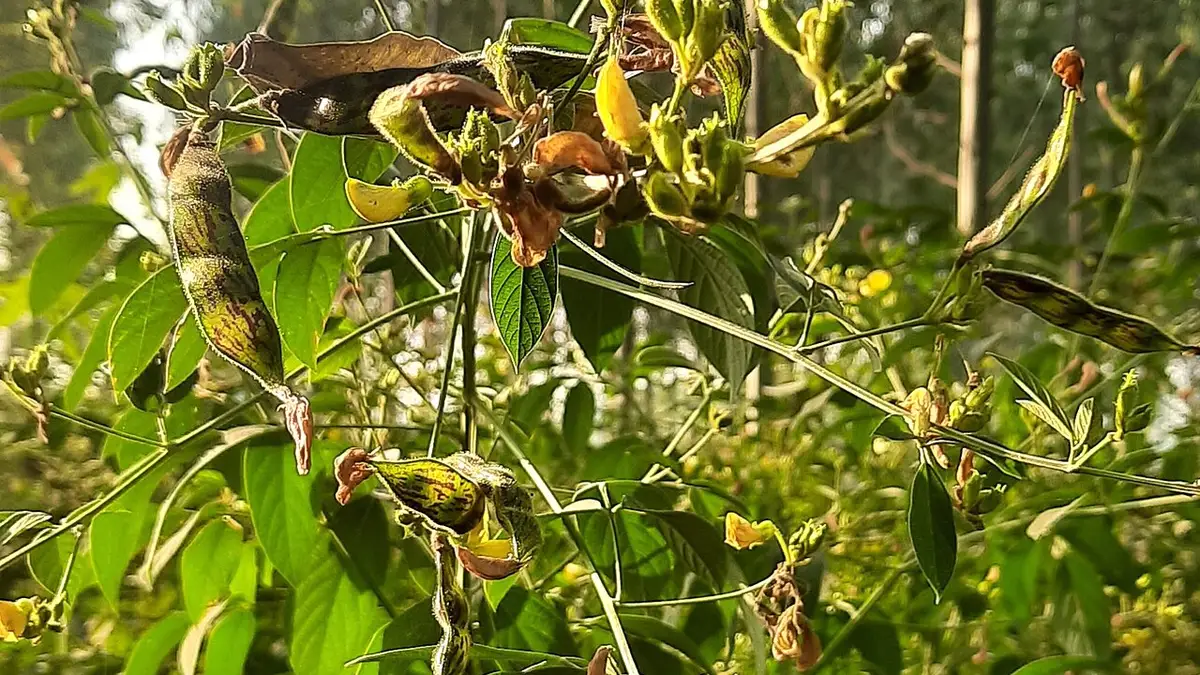
The verified pigeon pea in Hindi translation is अरहर (Arhar) across northern and eastern India and तूर / तुवर (Tur / Toor) across Maharashtra, Madhya Pradesh, Gujarat, and southern trading mandis (Botanical Name: Cajanus cajan). Known respectfully nationwide as the king of Kharif pulses supplying India’s daily household Arhar / Toor Dal protein—backed sharply by CACP Minimum Support Prices raised to ₹8,000/quintal for KMS 2025–26 and ₹8,450/quintal for KMS 2026–27 (PIB / CACP notification, +₹450/qtl rise reflecting ~54% margin over cost!)—understanding regional Arhar vs Tur varieties, milling extraction (~72% dal outturn), and Maruca/Helicoverpa pod borer IPM documented via ICAR-IIPR Kanpur unlocks huge rain-fed income. Explore full agronomy inside Tur Cultivation Hub and wholesale markets in Arhar Dal Guide.
Notice too why wholesale traders across Latur, Gulbarga (Kalaburagi), Akola, Kanpur, and Katni check bilingual terms daily alongside Mandi Hubs, Desi Chana Rates, and APMC Terminal Prices.
Bilingual Indian dictionary: Pigeon Pea names in Hindi, Marathi, Telugu, Tamil & Gujarati
Trading pulses smoothly from Kanpur or Varanasi (Arhar) down to Latur (Tur) and Kalaburagi (Togari) requires recognizing six regional words denoting the exact same botanical crop (Cajanus cajan) researched by ICAR-IIPR Kanpur. Compare culinary retail grades—notably glossy golden oiled Desi Tur vs mild matte dry unpolished Dal—across regional Indian markets:
| Language / Region | Local Common Name & Script | Milled Dal / Mandi Term | Regional Trade Hub Focus |
|---|---|---|---|
| Hindi (UP, Bihar, MP North) | अरहर (Arhar) / तुवर (Tuvar) | अरहर की दाल (Arhar Dal) | Kanpur, Varanasi, Jabalpur & Katni pulse mills |
| Hindi / Marathi (MH, Vidarbha) | तूर (Tur) / तूर डाळ | तूर डाळ / फाटका तूर | Latur (India’s Pulse Capital), Akola, Amravati & Jalna |
| Gujarati (Saurashtra, Bharuch) | तुवेर (Tuver) / लिली तुवेर | तुवेर दाळ (Tuver Dal) | Vadodara, Bharuch & Gondal (famous winter green Tuver pods!) |
| Telugu (Telangana, AP) | కందులు (Kandulu) | కందిపప్పు (Kandi Pappu) | Tandur (GI-tagged Tandur Redgram!), Kurnool & Guntur |
| Kannada (Kalyana Karnataka) | తొగరి / ತೊಗರಿ (Togari) | ತೊಗರಿ ಬೇಳೆ (Togari Bele) | Kalaburagi / Gulbarga GI Tur Dal & Bidar hubs |
| Tamil (Tamil Nadu) | துவரை (Thuvarai) | துவரம் பருப்பு (Thuvaram Paruppu) | Tiruvannamalai, Dharmapuri & Salem intercrop hills |
Tur / Arhar MSP ₹8,000–₹8,450/qtl & why NAFED procurement anchors Kharif earnings
Because domestic household pulse protein nutrition runs tightly every autumn, CACP and central Cabinet committees (pib.gov.in) raised statutory Tur / Arhar MSP cleanly to ₹8,000/quintal for KMS 2025–26 and stepped it upward again cleanly to ₹8,450/quintal for KMS 2026–27 (~54% above weighted national cost of ₹5,496/qtl!). Whenever post-harvest December–March Gulbarga, Latur, and Tandur arrivals push farmgate auctions briefly beneath MSP due to overseas Mozambique or Myanmar duty-free import shipments, NAFED & NCCF buy crisp <12% dry whole raw Tur through state FPO registrations at full ₹8,450/qtl directly via bank DBT!
Compare Arhar wholesale trends calmly against Desi Chana inside Chana Price Hub, explore retail दलहन milling parity on Arhar Dal Guide, and calculate per-acre pulse earnings cleanly inside Income Calculator.
- Check NAFED FAQ Moisture Ceilings Strictly At Procurement Gates: Clean dry whole Tur below 12% moisture free of weevil puncture clears full MSP zero deductions!
- Track Myanmar Lemon Tur & East African Import Policy Alerts: Central DGFT pulse import duty policy notifications instantly swing domestic Latur/Akola mill offers cleanly.
Short-duration vs long-duration cultivars (ICPL-87, Asha, Bahar, BSMR-736) & intercrops
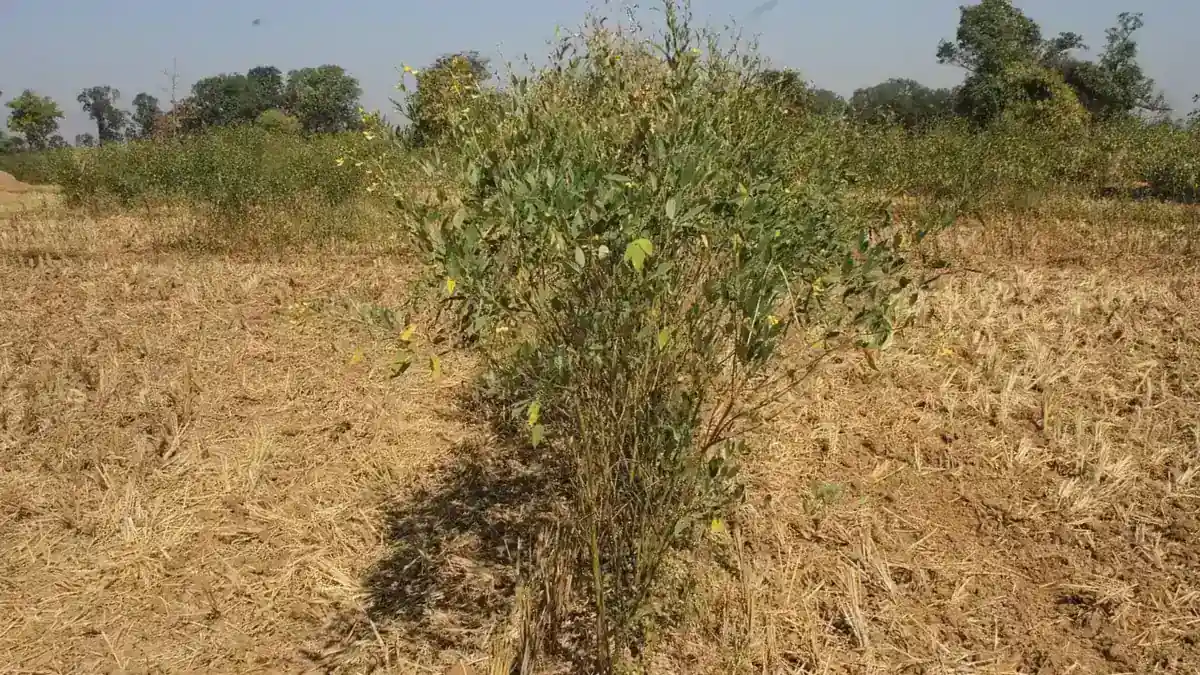
Selecting the wrong maturity cultivar costs Kharif growers entire harvest months! Across UP and Bihar plains rotating cleanly into late-November winter wheat, select crisp short-duration Pusa 992, Manak, UPAS-120, or Paras maturing cleanly inside 130–145 days (Best Tur Varieties Hub). Conversely, across rain-fed Vidarbha, Marathwada, and Kalaburagi deep black soils intercropped in classic 6:1 or 8:2 Soybean+Tur, Cotton+Tur, or Ragi+Tur (Ragi Crop Guide) patterns, hardy wilt-resistant medium/long-duration cultivars (BSMR-736, BDN-711, Asha / ICPL-87119, Maruti / ICP-8863) survive long August dry spells brilliantly!
Calculate exact seed weights (12–15 kg/ha sole vs 3–5 kg/ha intercrop rows treated smoothly with Rhizobium + Trichoderma) inside Seed Rate Calculator.
Defeating Sterility Mosaic, Fusarium Wilt & Pod Borers (Helicoverpa / Maruca)
Two fatal enemies slash Arhar pods mercilessly every autumn: soil-borne Fusarium Wilt & Phytophthora Stem Blight across undrained waterlogged black clay ridges, AND voracious caterpillars (Spotted Maruca web-borer + Gram Pod Borer Helicoverpa armigera) eating tender protein kernels right inside green pods (Tur Disease & Pest Guide). Planting on raised Broad Bed Furrows (BBF) prevents monsoon root rot cleanly, while early pheromone trap scouting (5 traps/acre) triggers timely Group 30 (Exponus or Gracia) or Spinosad / Emamectin rotations cleanly before large borers chew halfway inside ripening pods!
- Install Bird Perches (15–20 Wooden T-Stakes / Acre): Free agricultural drongos and mynas sit quietly consuming hundreds of exposed caterpillars cleanly daily!
- Spray Sulphur + Neem Ahead Of Bud Initiation: Suppresses mite-borne Sterility Mosaic Virus vectors while feeding essential pulse seed Sulphur cleanly.
Safe Dal-Mill cleaning vs Bruchid weevil protection in farm storage
Whole dry Arhar turns roughly 70%–73% edible milled Toor Dal plus nutritious chuni husk cattle fodder inside Akola and Latur commercial mills. Whether selling raw or holding 10 quintals cleanly at home for later market strength, remember one deadly pulse rule: tiny Pulse Beetle / Bruchids (Callosobruchus) emerge relentlessly from invisible field eggs laid onto maturing green pods! Sun-drying cleaned dry Arhar sharply below 9.5%–10% moisture and storing sealed with 3–5 ml edible mustard/castor oil coat OR zero-air hermetic super-grain bags locks zero bruchid perforation cleanly without harsh poison fumes (Safe Storage Hub).
Financing rain-fed Tur pulse farming cleanly with KCC, PMFBY & FPO milling grants
Because unseasonal November cyclonic clouds or December frost snaps devastate flowering pigeon pea panicles fast, enrolling Kharif Tur cleanly under PMFBY Weather/Yield Crop Insurance safeguards input capital cleanly alongside subsidized 4% KCC loans via KCC Limit Calculator and village dal-mill processing grants via PMFME Subsidy Calculator.
Intercropping Arhar with Soybean, Cotton & Ragi plus FPO mini Dal-Mill profitability
Why do savvy central & southern farmers across Vidarbha, Marathwada, Kalaburagi, and Bundelkhand champion Tur / Arhar (Cajanus cajan) cleanly even when single-crop monsoon rains swing unpredictably? Its deep taproot architecture pairs remarkably effortlessly inside alternating Soybean+Tur (6:1 / 8:2), Cotton+Tur (8:1), or Finger Millet+Tur intercropping bands! Early-harvested soy or ragi crops cover seasonal family cash outlays smoothly by October (Soybean Hub & Ragi Guide), while slow-maturing resilient pigeon pea bushes burst across sunny November gaps harvesting clean ₹8,000–₹8,450/qtl MSP-backed pulse pods cleanly in January!
Furthermore, local Farmer Producer Companies (FPOs) deploying compact electric ICAR-CFTRI / IIPR-inspired village Mini Dal Mills cleanly de-hull and split cured raw Arhar into bright aromatic natural Unpolished Arhar Dal (~72% recovery) plus nutritious cattle husk (chuni, Cattle Feed Link)—capturing crisp urban health markups cleanly tracked via Arhar Dal Rate Guide, Crop Income Calculator, and 35% PMFME capital grants (Subsidy Calculator).
- Check Broad Bed Furrow (BBF) Planters Ahead Of June Rains: Raising drainage beds cuts devastating Kharif Phytophthora stem blight & wilt losses drastically cleanly.
- Apply Seed Rhizobium + Phosphate Solubilizing Bacteria (PSB): Simple bio-fertilizer seed coating amplifies natural pulse root nodulation sharply with zero extra urea cost!
- Monitor NAFED PSS Registration Windows In December: Sync Aadhaar-Khasra sowing entries on state portals reliably securing full ₹8,450/qtl MSP parity if port imports soften cash markets.
Seed purity, Broad Bed Furrow drainage & pulse price tracking for Indian Tur / Arhar growers
Achieving strong net farm profits cleanly off Kharif Arhar / Tur (Cajanus cajan) starts smoothly before monsoon rains begin: treat certified short or long-duration seeds cleanly with Trichoderma plus Rhizobium + Phosphorus-Solubilizing biofertilizers (Fertilizer Calculator), ridge sowing lines onto well-drained Broad Bed Furrows sparing delicate root systems from August waterlogging collapse, and deploy early pheromone traps checking Helicoverpa / Maruca hatching promptly.
Whenever post-harvest Latur, Kalaburagi, or Tandur spot auctions soften momentarily beneath ₹8,000–₹8,450/qtl CACP MSP floors, check NAFED Price Support Scheme online farmer registrations early and cure clean whole grains gently below 10% moisture inside elevated super-grain bags protecting full market grades cleanly off season (Mandi Rates Directory).
Retaining clean FPO Dal-Mill sorting records and syncing seasonal Khaasra sowing proofs early on state agricultural portals secures timely access both to institutional storage credit and fair MSP settlement smoothly across dryland belts. Matching wilt-resistant improved ICAR-IIPR seeds against seasonal rainfall averages keeps Kharif pulse incomes thriving safely year after year.
Maintaining accurate seasonal Khasra sowing updates across rural cooperative societies ensures seamless access to central NAFED Tur procurement slots whenever wholesale arrival surges briefly soften village cash rates across Maharashtra and Karnataka. Selecting bold, wilt-resistant improved cultivars such as BSMR-736 or ICPL-87119 multiplies rain-fed pulse profitability steadily across consecutive monsoon cycles while enriching residual nitrogen naturally for rabi crops. Pairing timely nipping at thirty-five days after sowing alongside clean solar pheromone monitoring traps limits costly pod borer outbreaks sustainably across unirrigated black-cotton belts while maintaining uniform dry harvest dates and healthy seed recovery.
Frequently asked questions
- What is pigeon pea called in Hindi and Maharashtra/Gujarat mandis?
- Pigeon pea (Cajanus cajan) is called अरहर (Arhar) across northern/eastern India and तूर / तुवर (Tur / Toor / Tuver) across Maharashtra, Gujarat & southern spice hubs; review full agronomy on Tur Cultivation Guide.
- What is the official CACP MSP for Tur / Arhar in 2025–26 and 2026–27?
- Published PIB / CACP MSP rates fix central Tur/Arhar MSP at ₹8,000/quintal for KMS 2025–26 and ₹8,450/quintal for KMS 2026–27 (Mandi Rates Hub).
- Why is Arhar called "Red Gram" in English Indian agricultural papers?
- Because raw split Indian pigeon pea coats carry reddish-brown or pale red-tan hulls prior to splitting inside dal mills into familiar golden Toor Dal (ICAR-IIPR glossary).
- Which Indian states and mandis anchor wholesale Arhar / Tur dal trading?
- Latur & Akola (Maharashtra), Kalaburagi / Gulbarga (Karnataka), Tandur (Telangana), and Kanpur / Katni anchor national whole & milled Toor Dal prices (Arhar Dal Rate Guide).
- How much yellow Toor Dal recovers from 100 kg whole clean Tur / Arhar grain?
- Efficient commercial pulse mills recover roughly 70% to 73% clean split yellow dal plus nutritious cattle-feed pulse bran (tur chuni) and broken fractions (Cattle Feed Link).
- Which short-duration Arhar cultivars finish before UP-Bihar wheat sowing?
- Early varieties UPAS-120, Pusa 992, Manak, and Paras clear harvest cleanly within 130–145 days letting North Indian plains sow Rabi wheat smoothly by late November (Tur Varieties Hub).
- How do growers control devastating Helicoverpa and Maruca pod borers in Arhar?
- Install pheromone traps at flowering, add 15 bird perches/acre, and mist registered high-canopy insecticides at pinhead hatch stage cleanly—including Exponus or Gracia rotated cleanly via Pump Calculator.
- Why should Tur farmers grow on raised beds or intercrop with Soybean/Cotton?
- Pigeon pea suffers fatal waterlogging root rot inside standing monsoon mud—raised Broad Bed Furrow (BBF) ridges and Soybean+Tur strip lines shield drainage while insuring continuous farm yield (Soybean Farmers Hub).
- How do small farmers stop tiny Bruchid pulse beetles inside stored dry Arhar?
- Sun-dry clean grain safely under 10% moisture and coat home sacks gently with edible mustard/castor oil or store inside zero-oxygen hermetic grain bags cleanly (Storage Guide).
- What are Pigeon Pea’s Telugu and Kannada names used in South Indian pulses trade?
- Pigeon pea is called కందులు (Kandulu / Kandi Pappu) in Telugu and ತೊಗರಿ (Togari / Togari Bele) in Karnataka; check regional linguistic crop hubs like Avalu Telugu Guide & Wheat in Telugu.
This article is for general information only and is not financial advice. Loan and scheme eligibility depends on partner and government criteria.