Tura Mandi (West Garo Hills): Ginger, Black Pepper & MSAMB
Key takeaways
- MSAMB & MEGAMB Digital Market Bridge: Farmers track regional market board rules, aggregation centers & crop advisories through Meghalaya Agricultural Marketing platforms rather than blind highway guesswork.
- Direct Mumbai Spice Links Via IVCS: Sorted, cleaned Garo Hills Black Pepper collected through Dalu/Tikrikilla/Dadenggre cooperatives reaches national spice majors bypassing multi-layer town traders.
- Low-Fiber Aromatic Ginger -> Dry Value Addition: Upgrading fresh perishable rhizomes into solar-dried slices & crushed powder via PRIME Hubs (Rongram/Dalu/Tikrikilla) saves distress selling cleanly!
- Kew & Queen Pineapple Collective Logistics: Sweet low-acid West Garo Hills pineapples scale past local bottlenecks using state collective grading & Assam railhead dispatch.
Exploring tura mandi opens India’s vibrant horticultural trading gateway across the West Garo Hills (Tura, Rongram, Dalu, Tikrikilla, Dadenggre, and Phulbari in western Meghalaya)! Coordinated cleanly under the Meghalaya State Agricultural Marketing Board (MSAMB & MEGAMB market intelligence app, dofpmeghalaya.org) alongside rapid local PRIME Processing Hubs (Rongram, Dalu, Tikrikilla), Garo Hills farmers are transforming traditional perishable mountain haats into direct national spice pipelines (meghalaya.gov.in)! Discover how village Integrated Village Cooperative Societies (IVCS) sort high-piperine Black Pepper directly for Mumbai spice exporters, dry low-fiber Nadia Ginger, and market juicy Kew & Queen Pineapples alongside Mandi Hub & Better Price Playbook.
Strictly respecting genuine official sources over fabricated daily price cards, examine how Tura’s clean village aggregation centers, sliced dry ginger value-addition (avoiding perishable monsoon gluts!), and hill transport corridors empower smallholders across Garo Hills.
How Tura Mandi & MSAMB serve West Garo Hills: Ginger, Black Pepper, Pineapple & Arecanut
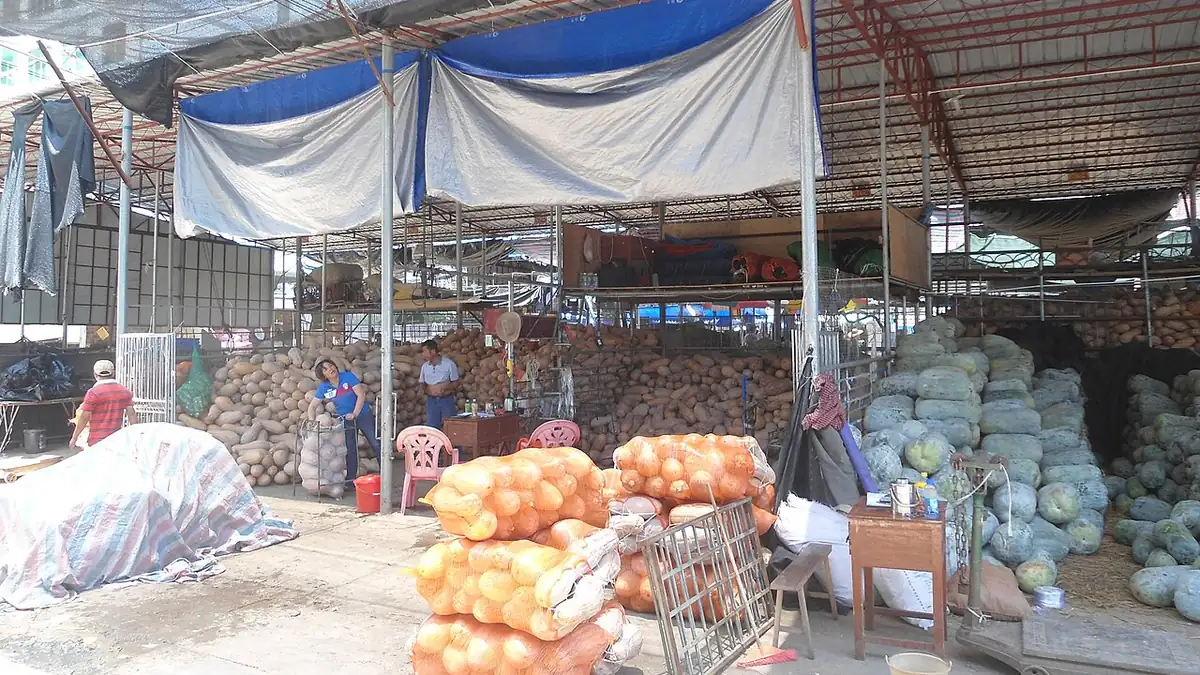
Set nestled cleanly along western Meghalaya foothills linked southward toward Dalu/Assam Goalpara highway depots (making Guwahati & Goalpara broad-gauge corridors vital exit arteries!), Tura serves simultaneously as an essential rural household bazaar AND high-value agro-aggregation hub (dofpmeghalaya.org)! Four distinct rainforest-hill crops define farmer cashflows around every Tura Mandi (and traditional weekly haats) (meghalaya.gov.in):
First is crisp aromatic low-fiber Organic Meghalaya Ginger (Nadia / local sweet-aroma hills landraces) prized intensely by national spice packers; second is shade-grown homestead Black Pepper (climbed cleanly up towering betelnut / arecanut trunks across Dalu, Dadenggre & Tikrikilla!) famous for bold piperine punch; third is low-acidity fragrant Kew & Queen Pineapples; and fourth is dried fermented Garo Arecanut (Kwai) alongside raw Cashewnut harvested along warmer western plains! Compare smart collective selling strategies nationwide smoothly via Better Mandi Realizations & All-India Mandi Hub.
| Core West Garo Hills Crop | Unique Quality Strength | IVCS / PRIME Hub Marketing Breakthrough Around Tura |
|---|---|---|
| Black Pepper (Dalu / Dadenggre) | High piperine essential oil; organically intercropped on Betelnut | IVCS Cooperatives clean, sun-dry & ship bulk graded berries straight to major Mumbai spice firms |
| Meghalaya Ginger (Nadia / Hill) | Low fibrous strings, fiery lemony essential oil aroma | PRIME Hubs (Rongram/Dalu/Tikrikilla) slice & dehydrate surplus raw crop into high-margin spice packs |
| Pineapples (Kew & Queen) | Bright golden flesh, sweet Brix with remarkably low mouth acidity | Grouped via farmer collectives bypassing local truck jams straight to national food/retail brands |
| Arecanut (Kwai) & Hill Cashew | Dense hardy perennial tree harvests anchored in village compounds | Graded cured dry splits shipped seamlessly through Phulbari-Goalpara Assam corridors |
Cooperative IVCS Aggregation & PRIME Processing Hubs (Rongram, Dalu, Tikrikilla) beating middlemen
Historically across remote Garo hills, rugged terrain meant smallholder farmers carrying tiny 40 kg bamboo baskets (kokcheng) down slippery monsoon tracks into dusty haat yards had ZERO bargaining choice except dumping ungraded damp harvests into town middlemen’s trucks before dusk! Today, Integrated Village Cooperative Societies (IVCS) backed seamlessly by Meghalaya’s PRIME Processing Hubs operating locally at Rongram, Dalu, and Tikrikilla shatter that bottleneck cleanly (meghalaya.gov.in)!
Instead of dumping damp soil-caked raw ginger during crowded February peak harvests, IVCS farmer clusters pool clean washed lots inside cooperative wash-slice-dehydrate dryers (reducing perishable 80% moisture down into compact lightweight dry flakes retaining aroma safely 12+ months!) while cleaning, sun-drying, and sorting plump Black Pepper evenly through mechanical sieves matching strict spice-corporate moisture limits—capturing dramatic jumps in farmer household take-home rupees (Compute FPO Value Addition & Mandi Price Watch)!
- Zero Soil & Rhizome Rot Before Packing Ginger: Brush mountain clay thoroughly dry (or wash & shade-fan crisp 48 hrs cleanly) keeping bruised wet rot rhizomes OUT of export mesh sacks so transit mold never heats entire trucks!
- Harvest Black Pepper At Red-Berry Break Stage (Pin-Head Check): Picking immature green spikes early gives light shrivelled wrinkled chaff (tiny bulk density!); wait calmly until 1–2 berries turn bright scarlet red on each spike for plump heavy bold Grade-A Tellicherry-style Weight!
- Check Meghalaya SMAM Tillers & Hill Tools: Hills cultivators operating stepped terraces can verify 50% Northeastern SMAM subsidy grants directly for Compact Diesel Power Tillers & Hill Soil Testing Labs!
Monsoon landslide logistics, dry grading hygiene & MEGAMB market transparency tips
Operating out of scenic yet heavy-rainfall hills (Meghalaya regularly catches intense June–September monsoon downpours flooding Goalpara approaches!), physical truck scheduling around Tura Mandi revolves around dry highway clearance windows and ventilated storage! Never seal moist newly harvested Black Pepper or Arecanut berries directly into closed polythene sacks—damp warm condensation creates invisible ochratoxin / white storage mould rejected instantly by strict export lab inspectors! Spread sun-dried spice seeds onto elevated bamboo drying mats (preventing stray farmyard animals), inspect moisture crisply (pepper crunches audibly under teeth without bending rubbery), pack cleanly inside breathable double-lined jute bags, and download official MSAMB / Agmarknet (agmarknet.gov.in) price advisories before hiring external trucks.
Scaling Garo Hills homestead agro-forestry cleanly with PM-KISAN & ₹2 Lakh Agri Credit
Most Tura & West Garo Hills farms balance multi-tier natural perennial ecosystems effortlessly—growing clean tall Arecanut palms supporting climbing Black Pepper vines, tucked gracefully beside lower shade-loving Ginger, Turmeric (Lakadong / Megha Turmeric-1), and Pineapple ridges cleanly without harsh synthetic chemicals! Registering clean land-holding certifications through village Nokma / A.khing council records alongside Assam/Meghalaya bank branches unlocks both seasonal PM-KISAN DBT support (PM-KISAN Guide) AND working capital via 4% KCC Cooperative Credit (allowing IVCS farmers to aggregate harvests calmly instead of forced distress barter)!
Solar Ginger dehydration, packaging & Lakadong-grade synergy lifting Garo Hills earnings
When intense winter harvesting fills rural paths across Rongram, Phulbari, and Tura simultaneously (forcing raw perishable river-washed ginger rates down temporarily), PRIME Processing Hubs (meghalaya.gov.in) unlock brilliant shelf-life transformation cleanly! Washing fibrous Garo Nadia ginger, slicing uniform 3–4 mm chips cleanly onto stainless steel racks, and drying down crisp below 10% moisture creates fiery fragrant dry ginger flakes (Sonth Grade) preserving essential volatile oil (gingerol & zingiberene) smoothly over 18 months inside moisture-proof food-grade kraft pouches—allowing cooperatives to auction dried cargo cleanly across Kolkata, Guwahati, and Mumbai spice houses completely free of muddy spoilage urgency (FPO Margin Tool)!
- Keep Ginger Plots Strictly Rotated Every Year To Curb Bacterial Soft Rot: Planting Nadia ginger back-to-back in saturated hills spreads soil Ralstonia bacterial rhizome rot rapidly—rotate smoothly after hill upland paddy, millet, or beans (Soil Health Labs).
- Bundle Arecanut & Black Pepper Intercrops On Multi-Tier Slopes: Pairing live Gliricidia/Arecanut trunks for climbing Pepper keeps vertical shade balanced sustainably without clearing forest humus.
Assam-Goalpara transit access, MSAMB e-NAM links & cold-chain pineapple expansion
Expanding clean road logistics linking Tura & West Garo Hills (Phulbari / Dalu / Tikrikilla) straight down onto Assam’s Goalpara-Guwahati broad-gauge freight rails lets collective Kew & Queen Pineapple harvests (famous statewide for crisp sweet low-acid pulp — dofpmeghalaya.org) ship swiftly inside breathable 2-layer ventilated plastic crates right onto urban retail shelves! Tracking Agmarknet Northeast Arrivals alongside Mandi Price Watch & Farmer Marketing Strategies equips Garo smallholders cleanly for resilient year-round prosperity.
Safeguarding Black Pepper pollination, shade density & fungal quick-wilt across humid hills
Intense Garo monsoon humidity nurtures lush climbing pepper foliage—yet dense untrimmed shade canopies (allowing dripping rain splashes off weeds straight onto exposed tender collar roots) unleash dreaded Phytophthora Quick Wilt (Foot Rot) capable of wiping out prime bearing vines overnight! Prune lower overhanging tree limbs cleanly ahead of June storms (keeping light dappled airflow cleanly drying leaves), apply protective Copper / Mancozeb collar drenches or Trichoderma-enriched neem cake around vine bases, and keep clean fallen mulch elevated cleanly off crown collars preserving bountiful scarlet berry harvests yearly (West Garo Hills Trade Hub)!
Organizing village IVCS spice quality sorting & protecting Tura Garo organic agro-identity
What gives Garo Hills agricultural produce from Tura (West Garo Hills) enduring pricing strength inside Mumbai corporate spice plants and Assam supermarket chains? Natural rainfed hillside aroma and authentically low-chemical soil ecosystems (organic by tradition across pristine Garo hill compounds)! By cleaning, solar-drying, and sorting raw Nadia Ginger, red-break harvested Black Pepper, crisp Kew Pineapples, and shaded hill Arecanut (Kwai) strictly by moisture and berry density inside village Integrated Village Cooperative Societies (IVCS)—and processing volatile fresh surges cleanly into shelf-stable sliced Sonth ginger inside state PRIME Hubs at Rongram, Dalu, and Tikrikilla—farming households turn treacherous steep village tracks smoothly into reliable direct commercial wealth without losing hard-earned profit to intermediate traders cleanly.
Partnering smoothly with MSAMB cooperative aggregators and local PRIME Hubs helps Garo Hills farmers capture cleaner export spice margins right out of Tura without seasonal middlemen pressure. Recording clean batch moisture tests ahead of Goalpara truck loading strengthens cooperative reputation steadily across national spice markets year-round ensuring fair farmer payments directly cleanly every season.
For broader financial, market, and crop-planning continuity alongside tura mandi, farmers across India also consult KisanPe resources including KisanPe Mandi Price Trends, Best Mandi Near Me Finder, AI Mandi Intelligence Tool, Mandi Market Intelligence Services, Crop Insights Hub, All-India Mandi Bhav Guide, Anaj Mandi Arrival & Auction Guide, Gehu Ka Bhav Commodity Report, Indian Wheat Rate & MSP Guide, Sarso Ka Bhav Market Overview, Sugar Chini Ka Bhav Benchmark.
Frequently asked questions
- Which unique agricultural crops drive trading across Tura Mandi in West Garo Hills?
- Tura and surrounding West Garo Hills cooperatives specialise cleanly in aromatic low-fiber Meghalaya Ginger (Nadia), high-oil Black Pepper (Dalu/Tikrikilla), sweet low-acid Kew & Queen Pineapples, Arecanut (Kwai), and hill Cashew (dofpmeghalaya.org; Mandi Hub).
- How are local IVCS cooperatives transforming Black Pepper farmers around Tura?
- Across Dalu, Tikrikilla, and Dadenggre, Integrated Village Cooperative Societies (IVCS) sort, dry, and bulk-aggregate farmer pepper cleanly—establishing direct direct-trade sales straight to major Mumbai spice processors bypassing local middlemen (meghalaya.gov.in).
- What are Meghalaya PRIME Hubs in Rongram, Dalu, and Tikrikilla doing for Tura growers?
- State-backed PRIME Hubs provide clean local slicing, dehydration, grading, and hygienic spice-packing equipment right inside rural blocks—turning surplus perishable Ginger & Pineapple into high-margin non-perishable packs (Value-Add Math).
- Why does harvesting Black Pepper spikes strictly when 1–2 berries turn red raise farmer payouts?
- Picking overly immature green spikes produces lightweight wrinkled seeds (low density g/litre), whereas harvesting at early crimson berry break gives dense plump bold grains prized cleanly by spice grading desks.
- How can Garo Hills ginger growers stop transit rot when shipping raw crops to Assam/mainland?
- Harvest carefully on dry clear mornings, trim clean bruised muddy nodules cleanly on farm, shade-dry 48 hours allowing outer skin corking, and pack loosely inside airy woven crates/leno mesh rather than sealed suffocating polythene (Price Playbook).
- What digital platforms help Meghalaya farmers track Tura market trends and prices?
- Farmers use Meghalaya State Agricultural Marketing Board (MSAMB / MEGAMB) tools alongside central Agmarknet arrivals (Mandi Price Watch) before negotiating transport rates cleanly.
- Are hill terrace cultivators around Tura eligible for 50% Northeastern farm machinery subsidies?
- Yes—under central SMAM Northeast special provisions (50% ceiling), Meghalaya farmers qualify cleanly for subsidized lightweight power tillers (VST Power Tiller), brush cutters & mini processing mills (SMAM Rules).
- How do tribal Nokma / A.khing landholders access institutional farm KCC loans around Tura?
- District Autonomous Council (GHADC) / Village Nokma agricultural cultivation certificates accepted by rural Meghalaya Cooperative & Rural Banks unlock low-interest 4% KCC Working Capital cleanly (PM-KISAN Guide).
- How do Garo Hills PRIME Hubs protect Tura farmers against wet ginger distress crashes?
- Clean cooperative slicing and solar/mechanical drying at Rongram, Dalu & Tikrikilla PRIME Hubs turns bulky 80%-moisture fresh ginger into high-value shelf-stable dry Sonth chips (meghalaya.gov.in).
- What simple orchard step prevents Phytophthora Quick Wilt ruining Garo Black Pepper vines?
- Trim dense overhanging shade ahead of June monsoon downpours, avoid splashing collar wounds during weeding, and apply Trichoderma + neem cake or protective fungicide collars cleanly (Fungicide Hygiene).
This article is for general information only and is not financial advice. Loan and scheme eligibility depends on partner and government criteria.