Flax Seeds Price in India 2026: Alsi Mandi Rate & 1 Kg
Key takeaways
- Check indicative flax seeds price (Alsi rate) across Neemuch, Indore & Kota in 2026: ₹9,400-₹10,885/qtl mandi parity, 1 kg retail & ICAR Rabi linseed yields.
- Covers Neemuch, Indore, Kota & Pan-India Alsi Mandi vs 1 Kg Retail Prices (2026) with government-linked benchmarks and practical Indian farm guidance.
- Covers Why Superfood Health Demand & Cold-Press Extraction Boost Alsi Prices with government-linked benchmarks and practical Indian farm guidance.
- Covers Profitable Rabi Farming: ICAR Varieties, Low Water Needs & Rust Defense with government-linked benchmarks and practical Indian farm guidance.
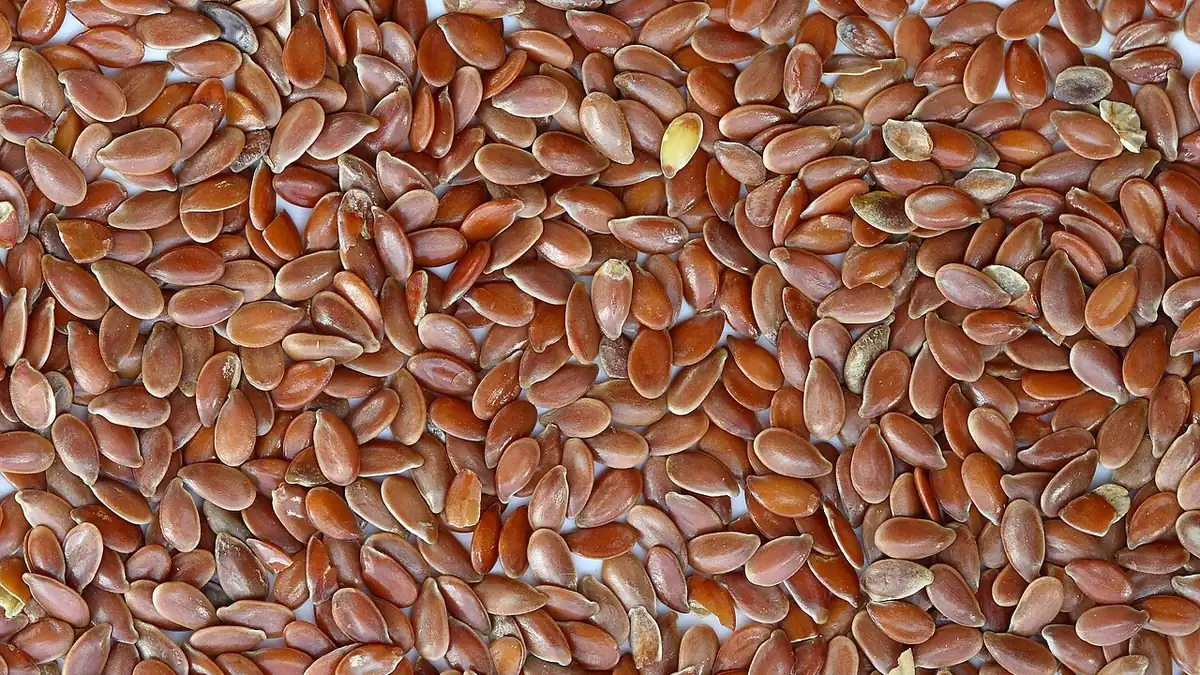
Once grown quietly across rain-fed central Indian margins mainly for linseed paint oil and traditional village winter laddoos, Alsi (Flax Seeds / Linum usitatissimum) has surged cleanly into one of India's highest-paying low-input Rabi cash oilseeds! Driven both by urban health-food boom demand for Omega-3 fatty acids, dietary lignans, and fiber-rich roasted superfoods AND industrial oleochemical uses, clean bold flax seeds price realizations across Malwa and Hadoti mandis trade comfortably around ₹9,400 to ₹10,885+ per quintal in late 2026!
Tracked daily directly across spot physical APMC yards on Agmarknet (note: Alsi does NOT trade as an active futures contract on NCDEX—spot arrivals dictate daily rates cleanly!), check exact Neemuch, Mandsaur, Indore, and Kota wholesale spreads, retail 1 kg flaxseed price markups, high-oil ICAR Rabi varieties, and moisture grading rules below! Explore oilseed insights inside KisanPe's multi-crop oilseed margin tracker, KisanPe Mandi Rates, and Seed Rate Calculator.
1. Neemuch, Indore, Kota & Pan-India Alsi Mandi vs 1 Kg Retail Prices (2026)
Because Madhya Pradesh (Neemuch, Mandsaur, Indore, Damoh, Sagar), Rajasthan (Kota, Ramganjmandi, Baran), Chhattisgarh, Bihar, and UP supply virtually all domestic commercial harvest volumes, watch Neemuch Krishi Upaj Mandi closing quotes closely as India's clearest daily Alsi price barometer:
| Market Hub / Quality Form | Wholesale Per Quintal (100 kg) | Per Kg Wholesale / Retail Parity | Grading & Buyer Segment |
|---|---|---|---|
| Neemuch Krishi Upaj Mandi (MP Prime Hub) | ₹9,400 – ₹10,885 / qtl (Top bold clean lots) | ₹94.00 – ₹108.85 / kg | Export-grade roasted superfood packs & cold-press oil extraction |
| Mandsaur & Indore APMCs (MP Malwa Belt) | ₹10,000 – ₹10,312 / qtl modal band | ₹100.00 – ₹103.12 / kg | Plump chocolate-brown shiny grains free of weed chaff |
| Kota & Ramganjmandi (Rajasthan Hadoti Yards) | ₹9,700 – ₹10,050 / qtl | ₹97.00 – ₹100.50 / kg | Clean FAQ dry lots supplying Jaipur & Delhi NCR processors |
| Pan-India Regional Average / Standard Lots | ₹9,500 – ₹10,350 / qtl broad range | ₹95.00 – ₹103.50 / kg | Traditional industrial expellers & regional masala wholesale trades |
| Retail Branded 1 Kg Consumer Packs (Raw / Roasted) | Sorted Destoned Stand-Up Pouches | ₹150 – ₹280 / kg (Roasted / Golden ₹320+) | Vacuum-cleaned supermarket pouches with zero chaff/grit |
Source: Indicative off-season spot trading benchmarks synthesized around Agmarknet APMC daily arrivals and ICAR-IIOR (Indian Institute of Oilseeds Research) sector reviews. Check neighboring mandi floors via Nearest Mandi Finder and Mandi Price Trends.
2. Why Superfood Health Demand & Cold-Press Extraction Boost Alsi Prices
Historically sold cheaply to paint-varnish boiled linseed oil factories, why do clean shiny dark-brown flax seeds now command triple wheat's price per kilogram? Three strong domestic demand waves transformed Alsi economics:
- Urban Omega-3 & Lignans Nutrition Surge: Rich in ~50%+ alpha-linolenic acid (plant Omega-3 ALA), soluble digestive mucilage fiber, and hormone-balancing phyto-lignans, urban bakeries, protein-bar makers, and families buy cleaned raw, roasted, and milled flaxseed meal aggressively all twelve months!
- Low-Temperature Edible Cold-Pressed (Wood Ghani) Flaxseed Oil: Unlike high-heat solvent paint extraction, boutique urban organic brands crush pure edible Alsi seeds under 45°C yielding 35%–38% golden edible Omega-3 oil retailing past ₹600–₹900/litre alongside high-protein cattle cake (khal).
- Tight Spring Acreage Competition vs Wheat & Mustard: Farmers harvesting bold clean zero-chemical organic Alsi stocks capture niche export & nutraceutical buyers paying reliable ₹10,000+/quintal prices.
3. Profitable Rabi Farming: ICAR Varieties, Low Water Needs & Rust Defense
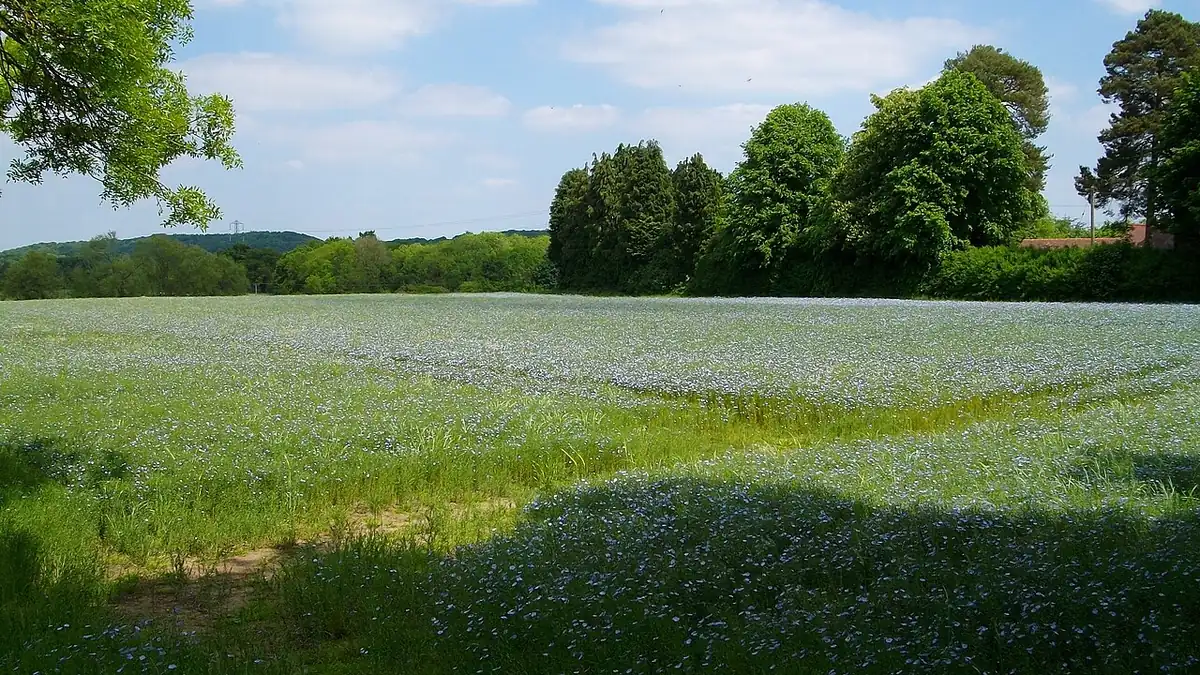
One huge hidden advantage drawing Malwa, Bundelkhand, and Rajasthan dryland farmers back into Alsi cultivation is its remarkable drought thriftiness: where irrigated wheat requires 5 to 6 winter water rounds, improved ICAR-IIOR linseed lines harvest 5 to 8+ quintals/acre cleanly on conserved post-monsoon soil moisture plus merely 1–2 supplemental irrigations!
| Recommended ICAR / SAU Alsi Variety | Key Agronomic Strength | Indicative Yield & Oil Content |
|---|---|---|
| JLS-9, JLS-27 & JLS-67 (JNKVV MP Favorites) | Early-to-medium maturity; bold shiny brown grain prized at Neemuch | 6 – 8 qtl/acre irrigated (~40%–43% oil) |
| T-397 & Shekhar / Parvati (Central/UP Plains) | Strong powdery mildew & wilt tolerance across rain-fed loams | 4.5 – 6.5 qtl/acre dryland (~40% oil) |
| Padmini & Kartika (Chhattisgarh / Utera Paira Crop) | Unique double-crop Utera relay sowing cleanly into standing ripening paddy! | Zero tillage sowing cost; reliable bonus farm cash |
Source: Cultivar guides published via ICAR Indian Institute of Oilseeds Research (IIOR) & Certified Seeds Overview. Compute exact ~10–12 kg/acre irrigated drilling rate (25–30 cm rows) on our Seed Rate Calculator!
4. Agronomic Boosters: Basal Sulphur, Boron & Powdery Mildew Protection
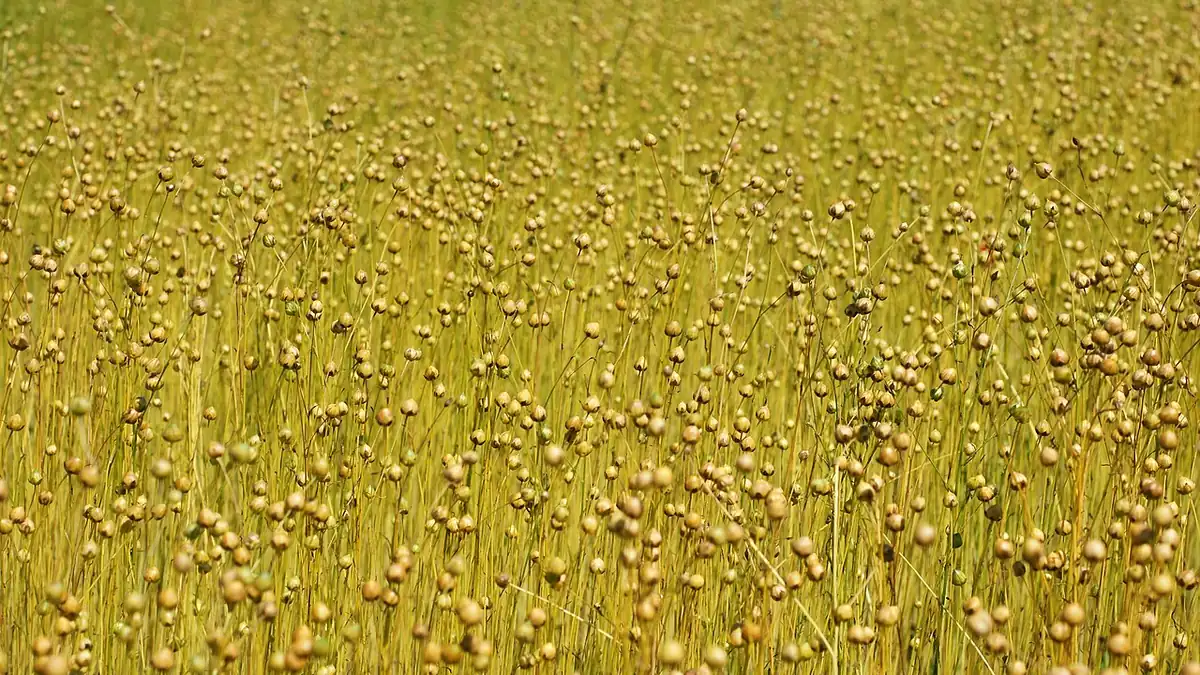
To keep harvest yield bright, clean, and oil-dense (>41%), apply balanced light nutrition calibrated on KisanPe's Fertilizer Calculator—prioritizing Single Super Phosphate (SSP containing 11% Sulphur) over bare DAP alongside gentle flowering Boron 20% sprays so spherical seed capsules fill completely without empty hollow chaff! Treat seed cleanly before sowing (fungal seed treatment steps) to prevent early seedling wilt, and inspect foliage closely in humid February mornings for fluffy white Powdery Mildew dust or rust streaks—stopping fungal blight early protects full grain plumpness.
5. Sieve Grading, Airtight Storage & Wholesale Sale Channels
Notice why two neighbouring farmers unloading at Neemuch Mandi on the same morning receive ₹9,200/qtl vs ₹10,750/qtl! Because Alsi grains are sleek, tiny, and slipperier than mustard or gram, combine threshing frequently leaves tiny bitter bathua weed seeds, bits of broken capsule husk, or soil clods mixed inside gunny bags—forcing supermarket destoning buyers to slash opening bids sharply! Passing farm-threshed sacks once across a clean gravity sieve grader leaves mirror-glossy bold brown seed ready for immediate superfood buyers! And because high Omega-3 oil seeds oxidize and taste fishy (rancid) if kept damp or warm, store clean under8% moisture seed strictly inside sealed airtight multi-layer liners at cool rural godowns (Gramin Bhandaran warehouse scheme), trade transparently via e-NAM digital auctions (e-NAM comparison & auction reading tips), fund inputs via a Kisan Credit Card, and verify active oilseed grants on state agricultural subsidies and KisanPe Schemes.
6. Home Buyer Quality Guide: Brown vs Golden Flax Seeds & Storage
Consumer shoppers scanning flax seeds price per kg online regularly debate paying ₹100/kg more for lighter blonde Golden Flax Seeds versus standard deep chocolate Brown Alsi harvested across MP and Rajasthan! Nutritional testing consistently reveals almost identical Omega-3, lignan, and protein density across both colors (brown seeds actually edge slightly higher in natural plant antioxidants, whereas mild golden types suit light-colored bakery loaves cleanly!). More crucial for home kitchens is buying whole clean raw glossy seeds (~₹150–₹240/kg retail) rather than pre-ground open bags: pre-ground flax flour oxidizes fast under summer air unless stored inside airtight glass jars inside home refrigerators, so dry-roasting gently and grinding small weekly portions yields superior nutty aroma and maximum health nutrition. Simultaneously, agricultural growers storing seasonal harvest surpluses across Neemuch, Mandsaur, or Kota belts should inspect warehouse humidity sheets monthly across wet monsoon quarters—because oily linseed develops stale fungal heat spots swiftly inside leaky tin sheds unless kept cleanly stacked on dry wooden dunnage pallets away from damp masonry walls! Pairing zero-weed clean gravity separation at harvest time with verified Mandi Rates tracking and e-NWR pledge working funds turns drought-hardy Indian Alsi cultivation cleanly into one of the highest-margin, lowest-water Rabi cash rotations nationwide. Moreover, commercial seed-cleaning units and progressive farmer cooperatives around Neemuch, Sagar, and Kota increasingly sort shiny flaxseed harvests into distinct calibrated packaging lots: dark medicinal bakery food-grade sacks, organic export-certified container lots, and crushed oil-mill pressing batches—delivering steady year-round market demand far beyond brief winter harvest months! Always keep dry moisture meters below 8.0% ahead of rainy July storage, retain clean e-NAM weighment receipts, and confirm balanced Sulphur + Boron soil supplementation before sowing every autumn plot so seed oil density and plump shiny test-weights stay unmatched across Malwa auction yards. Additionally, farmer groups exploring organic superfood export channels across Neemuch, Mandsaur, and Indore should pair zero-herbicide manual weeding passes with PGS-India / NPOP traceability paperwork and 25-kg retail kraft sack grading—directly reaching urban health stores and oil-press kitchens well above baseline grain wholesaler offers while preserving natural dryland soil health season after season. Inspecting wholesale mandi moisture charts alongside neighbor FPO gravity-grading hubs turns every winter Alsi crop cleanly into higher per-quintal household realizations without high chemical dependency or heavy canal pumping expenses. Whether contracting directly with specialty urban whole-food buyers in Indore and Jaipur or delivering clean moisture-graded sacks onto Neemuch APMC auctions, maintaining pure bright seed gloss and dry airtight storage consistently safeguards India's strongest per-acre dryland oilseed profit margins cleanly. Growers pairing winter linseed alongside competing Rabi oilseeds can track Sarso mustard mandi auctions, regional Rajasthan mustard benchmarks, everyday APMC commodity rates, balanced top-dressed Urea rules, basal phosphate dosing, clean KCC document preparation, and PMFBY crop risk cover.
7. Frequently Asked Questions on Flax Seeds Price (Alsi Bhav)
Get crisp verified answers covering today Alsi mandi quintal rates in Neemuch/Indore/Kota, 1 kg retail flaxseed parity, top ICAR linseed varieties, and superfood vs industrial uses.
Frequently asked questions
- What is indicative Alsi (flax seeds) price per quintal and per kg in Indian mandis?
- Indicative November 2026 spot flax seeds prices span roughly ₹9,400–₹10,885/quintal in Neemuch, ₹10,000–₹10,312/qtl in Mandsaur/Indore, and ₹9,700–₹10,050/qtl in Kota (₹94–₹108/kg wholesale across bold clean lots), while sorted 1 kg retail consumer packs sell near ₹150–₹280/kg—track live arrivals via Agmarknet and KisanPe Mandi Rates.
- Are flax seeds traded in NCDEX futures or strictly in physical APMC mandis?
- Alsi is not a major active futures contract on NCDEX—spot prices discover transparently each trading day through physical open auctions and e-NAM digital mandis across Madhya Pradesh, Rajasthan, and UP—compare oilseed insights inside our Crop Insights Portal.
- How much flaxseed (alsi) yield can Indian farmers harvest per acre?
- Rain-fed dryland fields typically harvest 4.5 to 6.0 quintals/acre, whereas lightly irrigated Rabi linseed grown with balanced Sulphur + Boron reaches 6.5 to 8.5+ quintals/acre—meaning at ₹10,000/qtl wholesale parity, low-input net profits compete strongly against traditional winter crops (verify seed density).
- Which improved ICAR Alsi varieties perform best in MP and Rajasthan?
- Top varieties bred under ICAR-IIOR and state universities include bold-seeded JLS-9, JLS-27, and JLS-67 (prized heavily in Neemuch/Indore markets) alongside drought-hardy T-397, Shekhar, and Padmini.
- Why do clean sieved Alsi bags fetch ₹600–₹1,000/qtl higher at Neemuch Mandi?
- Health-food packers and edible cold-pressed oil mills pay steep premiums strictly for mirror-clean, weed-free, under8% moisture bold brown grains requiring minimal re-cleaning shrinkage (godown grading & holding tips).
- What is the nutritional difference between Brown Alsi and Golden Flax Seeds?
- Both colors provide virtually identical Omega-3 ALA fats, protein, and dietary fiber—dark brown Indian Alsi even holds slightly higher natural antioxidant pigments while costing much less per kg than imported golden varieties.
- Can Chhattisgarh and eastern UP paddy farmers sow Alsi without tractor ploughing?
- Yes! Sowing dwarf relay cultivars like Padmini directly into wet standing paddy fields 10–15 days prior to rice harvesting (Utera / Paira system) germinates cleanly on residual rice mud with zero diesel tillage cost.
- How long can farmers or kitchens store dried flax seeds safely without spoilage?
- Intact whole glossy seeds below 8.0% moisture sealed inside cool dark airtight containers remain sweet cleanly for 8–12+ months; once crushed into ground flour, store tightly chilled inside glass jars for 30–60 days to stop bitter rancidity.
This article is for general information only and is not financial advice. Loan and scheme eligibility depends on partner and government criteria.