GOBARdhan Scheme 2026: Biogas Subsidy, Portal & Benefits
Key takeaways
- GOBARdhan (Galvanizing Organic Bio-Agro Resources Dhan), launched under the Department of Drinking Water & Sanitation (DDWS), Ministry of Jal Shakti via gobardhan.sbm.gov.in, turns cattle dung and farm waste into clean Biogas / Compressed Biogas (CBG) and organic manure.
- Under Swachh Bharat Mission (Grameen) Phase-II, rural Gram Panchayats and district clusters access financial grants up to ₹50 lakh per district to construct community/cluster gobar gas units.
- Per Union Cabinet PIB approvals upgrading GOBARdhan into the National Circular Bioenergy Scheme (FY 2026–27 to FY 2035–36) with a massive ₹23,731 crore outlay, commercial CBG plants receive assured pipeline connectivity and offtake pricing.
- Dairy farmers gain triple earnings: selling surplus cattle dung at collection hubs (or cutting LPG cylinder fuel costs via household methane), using nutrient-rich bio-slurry instead of expensive Urea/DAP, and lowering dairy barn sanitation fly vectors.
- Explore state subsidy combinations alongside DAHD dairy schemes, FPO livestock models, and KisanPe's companion GOBARdhan & Dairy Farming guides.
Rural dairy owners across Punjab, Haryana, Gujarat, Uttar Pradesh, and Maharashtra spend thousands yearly hauling excess cow/buffalo dung onto smoky open heaps—even while burning cash on commercial LPG cylinders and imported chemical fertilizers! Enter GOBARdhan (Galvanizing Organic Bio-Agro Resources Dhan), the Government of India's flagship waste-to-wealth umbrella managed through gobardhan.sbm.gov.in under Swachh Bharat Mission (Grameen) alongside MNRE and Ministry of Petroleum & Natural Gas support. Backed by up to ₹50 lakh per district for community biogas units under SBM-G Phase-II and upgraded by Union Cabinet approval into the ₹23,731 crore National Circular Bioenergy Scheme (FY 2026–27 to FY 2035–36) per PIB India, GOBARdhan unlocks clean village gas, compressed Bio-CNG (CBG) sales, and nutrient-dense organic slurry! Read full registration and farm revenue insights alongside our companion GOBARdhan application walkthrough, commercial cow dung value guide, dairy farm revenue guide, and KisanPe's central scheme directory.
1. GOBARdhan Scheme Highlights, Funding Tiers & Official Portals (2026)
Many livestock entrepreneurs confuse household backyard gobar gas domes (handled largely under MNRE's Biogas Programme) with cluster community plants and industrial Compressed Biogas (CBG) factories coordinated inside the Unified GOBARdhan Portal. Understanding which government ministry handles your exact daily dung tonnage saves months of misfiled applications! Review official funding structures verified against Swachh Bharat Mission (DDWS) and PIB Cabinet releases:
| Biogas / CBG Plant Category | Nodal Ministry & Portal | Financial Support / National Outlay | Typical Daily Dung Input Scale | Primary Eligible Beneficiaries |
|---|---|---|---|---|
| Village Community / Cluster Biogas Plant | DDWS / SBM-G (gobardhan.sbm.gov.in) | Up to ₹50 Lakh per district (SBM-G Phase-II grant norms) | ~1 to 10+ Tonnes/day pooled village livestock waste | Gram Panchayats, Gaushalas, Dairy Co-ops, SHGs & FPOs |
| Commercial Compressed Biogas (CBG / Bio-CNG) | MoPNG + National Circular Bioenergy Scheme | ₹23,731 Crore multi-year Cabinet outlay (FY26–36) + capital/pipeline aid | 20 to 250+ Tonnes/day (dung + paddy straw pressmud) | Agri-entrepreneurs, sugar mills, cooperative dairies, FPO clusters |
| Small-to-Medium Off-Grid Household Biogas (1–25 m³/day) | MNRE Biogas Division / State Nodal Agencies | Tiered CFA subsidy (~₹14,350 to ₹1,17,000+ by cubic capacity) | ~25 kg to 600 kg fresh cattle dung daily (~2 to 45 animals) | Individual dairy cattle/buffalo farmers & small gaushalas |
| Dairy Infrastructure Integration (DEDS / AHIDF) | Dept. of Animal Husbandry & Dairying (DAHD) | Interest subvention / credit linked support via banks | Integrated sheds, milking & waste slurry lines | Commercial dairy farms upgrading herd waste circularity |
Explore adjacent rural livestock and organic farming benefits via KisanPe's Dairy Entrepreneurship Scheme guide, compare breeds in Buffalo vs Cow dairy economics, calculate farm profit ratios with our Dairy Profit Calculator, and examine soil-fertility synergy inside organic biofertilizer manuals and Soil Health Card testing guides.
2. Triple Benefits for Indian Dairy Farmers & Gaushalas
Why are dairy collectives from Banaskantha (Gujarat) to Karnal (Haryana) rushing to register dung aggregators on the GOBARdhan portal? Because scientific anaerobic digestion squeezes THREE independent revenue streams out of waste that previously drew village sanitation complaints:
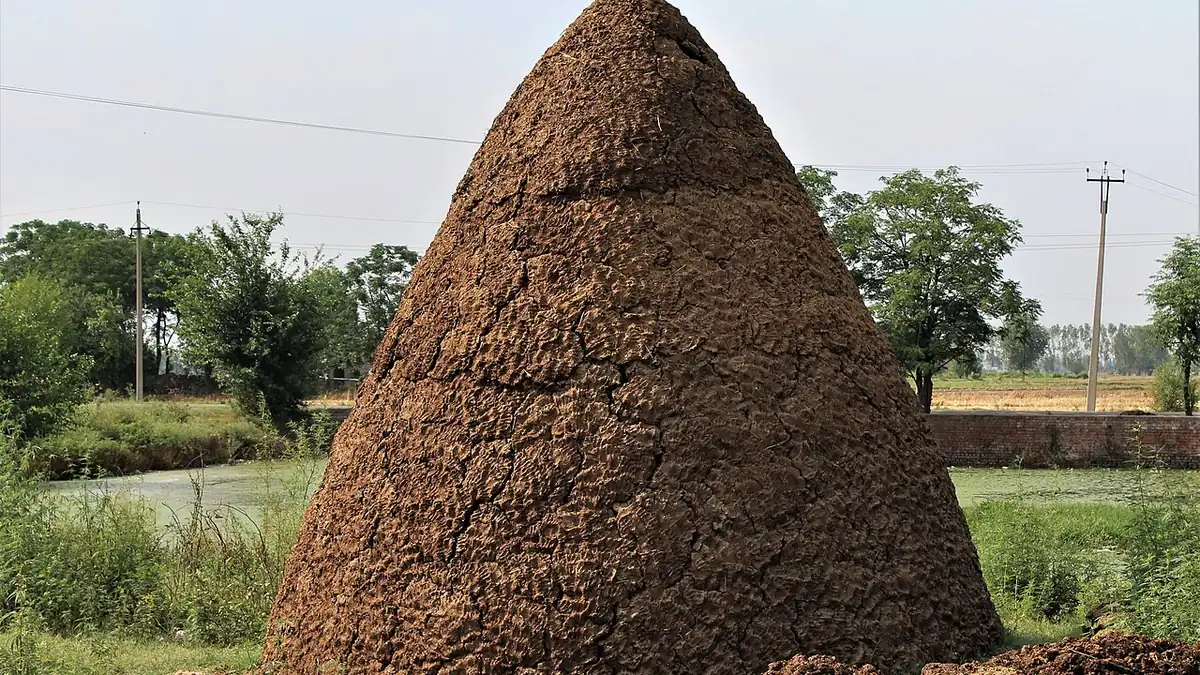
- 1. Raw Cattle Dung Cash Sales or Free LPG Replacement: A single healthy adult cow or Murrah buffalo drops 10 to 15 kg of fresh dung daily (~4–5.5 tonnes yearly!). Households owning 4–6 buffaloes running a simple 3 m³ family unit save ~₹12,000–₹18,000/year in LPG refill bills cleanly—while bigger dairy belts delivering excess dung to CBG plants earn steady ₹1.00 to ₹2.50/kg wet dung side cash (Check Murrah buffalo productivity profiles).
- 2. Nutrient-Rich Organic Liquid Slurry (Fermented Organic Manure – FOM): Unlike raw fresh cow dung—which burns crop roots, harbors aggressive weed seeds, and breeds termites—digested GOBARdhan bio-slurry contains stabilized humic acid, ammoniacal nitrogen, phosphorus, potash, and beneficial microbes! Applying dewatered slurry across wheat, vegetable, and orchard fields trims expensive chemical Urea and DAP fertilizer purchases by 25%–35% cleanly (compute nutrient savings).
- 3. Paddy Stubble (Parali) & Crop Residue Co-Digestion: Advanced commercial CBG units blend cow dung slurry mixed with chopped paddy straw / pressmud, creating lucrative zero-burn cash demand for kharif harvest residues harvested by combine harvesters—cutting winter air pollution and unlocking carbon-credit monetization!
3. Who Can Apply? Eligibility & Unified GOBARdhan Registration Steps
Whether you represent a Gram Panchayat, Women Self-Help Group (SHG), milk cooperative society, agricultural FPO, registered charitable Gaushala, or private bioenergy startup, registering a project cleanly on the official GOBARdhan portal requires structured technical planning:
- Step 1 – Identify Scale & Register Entity Profile: Visit gobardhan.sbm.gov.in -> click Registration -> pick Government/Cooperative (for Gram Panchayat / SBM-G district grant) or Private/Entrepreneur / Gaushala CBG developer -> verify email, PAN/GST/Darpan ID, and authorized signatory Aadhaar.
- Step 2 – Conduct Feedstock & Land Feasibility Audit: Document reliable year-round daily feedstock availability within a 5–10 km pickup radius (at least ~2–5 tonnes/day cattle dung for rural clusters or ~50+ tonnes mixed agro-dung biomass for commercial bottling CBG), adequate non-flooding land title/lease, clean water supply for 1:1 slurry dilution, and local buyer agreements for purified gas/FOM manure.
- Step 3 – Submit DPR to District SBM-G / State Technical Committee: For community SBM-G Phase-II ₹50 lakh/district pool grants, prepare a Detailed Project Report (DPR) alongside the Gram Panchayat and District Collector / Zila Parishad Sanitation Cell detailing biodigester civil structure, H₂S scrubbing safety, slurry de-watering filters, and revenue-sharing bylaws.
- Step 4 – Track Disbursements, FOM Marketing & AIF/NABARD Credit: Commercial developers combine government viability grants cleanly with 3% interest subvention loans under the Central Agriculture Infrastructure Fund (AIF) (AIF scheme guide) plus cooperative financing backed by KCC / NABARD livestock credit and registered organic fertilizer marketing approvals.
4. Converting Bio-Slurry (FOM/LFOM) into Commercial Organic Manure Income
Smart FPO and Gaushala operators discover quickly that selling methane gas alone isn't the sole money-maker—properly dewatered solid Fermented Organic Manure (FOM) and enriched Liquid Fermented Organic Manure (LFOM) (officially recognized under India's Fertilizer Control Order!) frequently generate equal or higher profit per tonne of dung! By pressing digested slurry cleanly through screw-press separators, enriching dry cakes moderately with rock phosphate or microbial PSB/Azotobacter cultures (Azotobacter guide), and packing neat 25 kg / 50 kg organic manure sacks labeled under FCO standards, FPOs supply nearby fruit orchards, vegetable nurseries, and kitchen gardeners cleanly at ₹8–₹15/kg!
Verify baseline farm-yard manure pricing benchmarks inside our cow dung & vermicompost market guide, manage cattle hygiene cleanly across barns (modern dairy shed sanitation), and monitor additional central rural welfare schemes on KisanPe's Government Schemes tracker and AI Scheme Finder.
5. Civil Construction Quality, Methane Safety & Digester Maintenance Tips
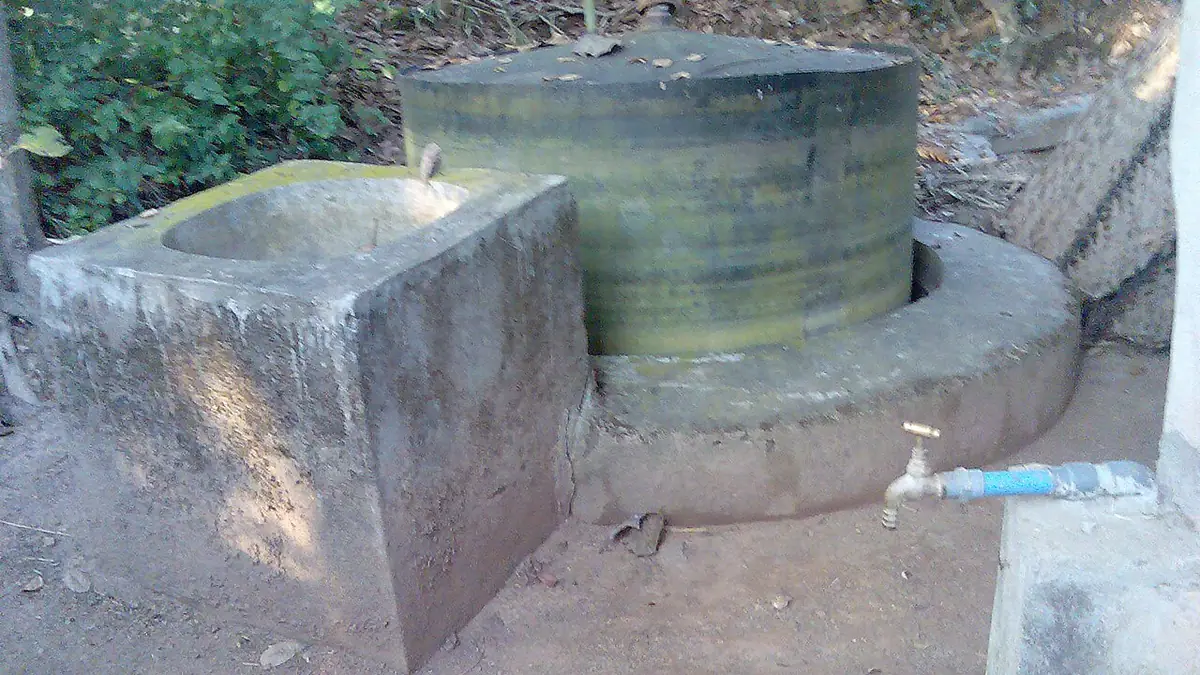
Community and household GOBARdhan biogas systems run cleanly for 15 to 20+ years when masonry teams respect exact slurry ratios and winter thermal insulation! Mix fresh cow or buffalo dung cleanly 1:1 by weight with non-chlorinated water (avoid dumping heavy chemical barn disinfectants or antibiotic mastitis waste into the inlet tank, as harsh biocides kill sensitive anaerobic methanogenic bacteria!), stir scum crusts twice weekly in fixed-dome Deenbandhu or floating-drum KVIC digesters, check yellow HDPE dome pressure gauges daily for condensate water traps in gas pipes, and maintain simple iron-sponge H₂S gas scrubbers cleanly ahead of commercial CBG compressors or village kitchen burners. Keeping digester pits sheltered safely with perimeter safety rails, proper slurry soak-pits, and scheduled 6-month valve checks delivers safe zero-smoke clean cooking gas right through peak January North Indian cold snaps!
At cluster-scale panchayat and Gaushala plants, sustainable long-term revenue depends equally on disciplined feedstock logistics and formal buyer agreements before concrete pouring starts. Map daily dung availability within a compact 5–8 km radius using tractor-mounted hydraulic slurry tankers calculated via equipment financing estimates, and supplement fresh cattle dung cautiously with chopped seasonal agricultural residues such as paddy straw or press-mud strictly inside engineered CSTR digesters equipped with pre-shredders and temperature control. Simultaneously, FPOs producing bagged organic slurry cakes under Fertilizer Control Order norms can help member farmers cut synthetic basal NPK fertilizer applications cleanly across irrigated wheat, maize, sugarcane, and orchard belts while verifying soil carbon gains on regional extension plots (state agricultural assistance programs). By aligning sanitation grants, Gaushala waste disposal, zero-smoke rural cooking fuel, and certified organic fertilizer sales on one audited ledger, village cooperatives turn daily livestock waste management into reliable multi-year rural enterprise income. Additionally, state nodal Swachh Bharat Mission (Grameen) engineers inspect civil dome curing and pressure-testing cleanly prior to releasing milestone tranches, ensuring public community GOBARdhan installations avoid gas leakage, ground seepage, or premature shutdowns during peak winter and monsoon farming calendars across India.
6. Frequently Asked Questions on the GOBARdhan Scheme
Explore direct verified answers covering GOBARdhan portal registration, ₹50 lakh/district grants, the ₹23,731 crore National Circular Bioenergy Scheme, daily dung requirements, and FOM manure profits.
Frequently asked questions
- What is the full form and objective of the GOBARdhan scheme?
- GOBARdhan stands for Galvanizing Organic Bio-Agro Resources Dhan, coordinated by the Department of Drinking Water & Sanitation via gobardhan.sbm.gov.in under Swachh Bharat Mission (Grameen) to convert cattle dung and agricultural residues cleanly into Biogas / CBG fuel and organic manure.
- How much financial subsidy is available under GOBARdhan in 2026?
- Under Swachh Bharat Mission (Grameen) Phase-II (sbm.gov.in), districts receive financial grants up to ₹50 lakh per district for Gram Panchayat community/cluster biogas units, while the Cabinet-approved National Circular Bioenergy Scheme carries a ₹23,731 crore pan-India CBG outlay (FY 2026–27 to FY 2035–36)—compare detailed rules inside our GOBARdhan scheme guide.
- Can individual dairy farmers apply for a small gobar gas subsidy?
- Yes! Farmers owning 2 to 10+ dairy cattle/buffaloes apply for household biogas plants (1 to 25 m³/day capacity) via state rural renewable agencies under MNRE schemes, while community/cluster plants pool village livestock herds via Gram Panchayats, Gaushalas, or FPOs (dairy farm management guide).
- How much cattle dung is needed to run a village GOBARdhan biogas plant?
- Small family 2–3 m³ units need roughly 50–75 kg fresh dung daily (~4–6 adult buffaloes/cows); community cluster plants run cleanly on 1 to 10+ tonnes/day pooled from 150–1,000+ village cattle plus crop stalks.
- What is the difference between raw dung and GOBARdhan bio-slurry (FOM)?
- Digested bio-slurry (Fermented Organic Manure – FOM) passed through a biodigester has zero live weed seeds, zero foul odor, zero pathogen fly breeding, and immediately plant-available organic NPK humus—reducing chemical Urea use cleanly across farmland.
- Who buys Compressed Biogas (CBG) produced under commercial GOBARdhan projects?
- City Gas Distribution (CGD) networks and Oil Marketing Companies (IOCL, BPCL, HPCL, GAIL) purchase purified commercial CBG under MoPNG blending mandates, while local industries and fleets use compressed bio-CNG cylinders.
- How do entrepreneurs combine GOBARdhan projects with AIF bank loans?
- Commercial CBG and organic manure processing plants set up by FPOs, cooperatives, or private agri-enterprises often layer 3% interest-subvented bank credit under the Agriculture Infrastructure Fund—check eligibility steps on our AIF loan guide and use the KisanPe Dairy Profit Calculator.
- How can farmers sell cow dung profitably to existing regional CBG plants?
- Dairy owners situated near operational GOBARdhan cluster plants or Gaushala hubs pool daily dung at village aggregation points—verify district plant locations directly via PIB updates and the Unified GOBARdhan Portal district dashboard.
This article is for general information only and is not financial advice. Loan and scheme eligibility depends on partner and government criteria.