Khad Guide 2026: Organic vs NPK Fertilizer MRP & Soil Card
Key takeaways
- Compare organic khad (compost, vermicompost, Jeevamrut) vs subsidized chemical NPK khad (₹266.50 Urea, ₹1,350 DAP) with Soil Health Card 4:2:1 balance.
- Covers Statutory Indian Chemical Khad Bag MRPs vs Organic Khad Costs (2026) with government-linked benchmarks and practical Indian farm guidance.
- Covers Why Soil Health Cards Warn Against Breaking India's 4:2:1 NPK Balance with government-linked benchmarks and practical Indian farm guidance.
- Covers Integrated Nutrient Management (INM): Pairing Deshi Khad + Biofertilizers + NPK with government-linked benchmarks and practical Indian farm guidance.
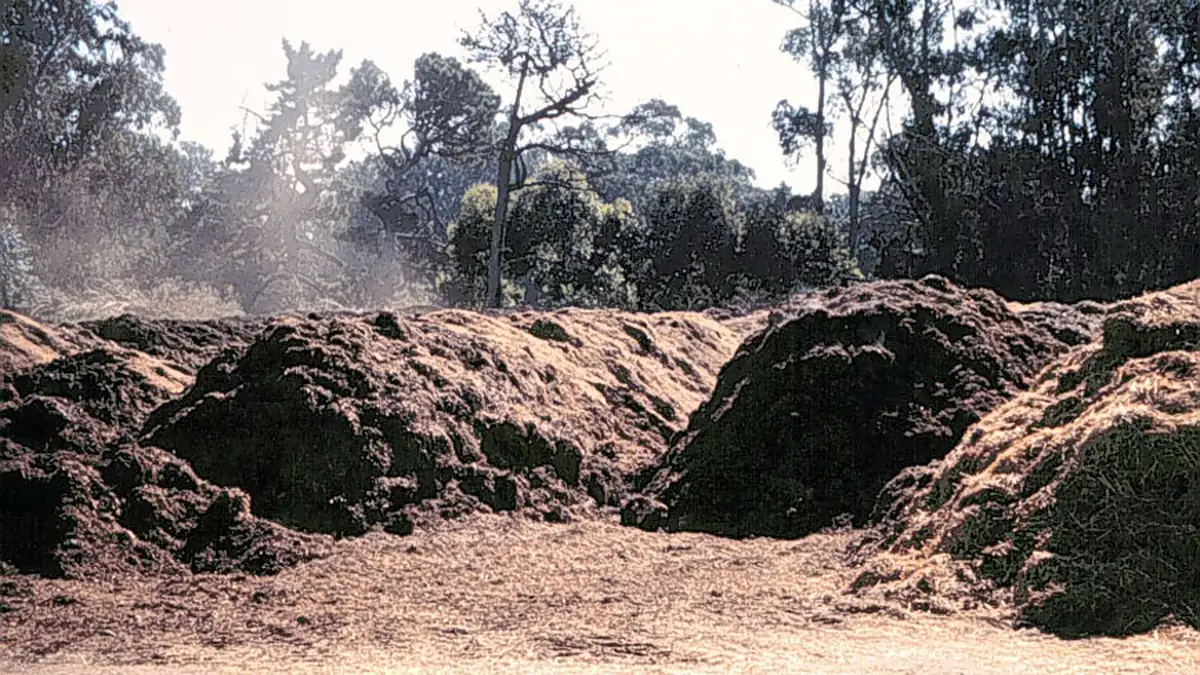
Across every Indian village farm from Punjab wheat plains to Maharashtra cotton ridges, the word Khad encompasses two completely different yet mutually supportive pillars of soil fertility: bulky carbon-rich organic deshi khad (Farmyard Manure / Gobarkhad, Vermicompost, Green Manure, Jeevamrut) that builds living soil sponge structure, and concentrated chemical NPK / liquid nano khad (Neem-Coated Urea, DAP, MOP, SSP, NPK complexes) delivering immediate rapid mineral uptake! Using either one blindly—dumping cheap excessive Urea alone without organic matter, or skipping essential Phosphorus/Zinc where deficient soils scream for help—slowly starves yields while shrinking net profit per acre.
Regulated strictly under India's Fertilizer Control Order (FCO) by the Department of Fertilizers (fert.nic.in) alongside central Soil Health Card portals (soilhealth.dac.gov.in), smart growers combine bulky basal compost khad with exact Soil Health Card NPK splits computed cleanly on KisanPe's Fertilizer Calculator! Explore deep composting tips inside our FYM Compost Manual, Cow Dung Market Guide, DAP Pricing, and Urea Application Rules.
1. Statutory Indian Chemical Khad Bag MRPs vs Organic Khad Costs (2026)
To keep crop food production affordable, the Central Government subsidizes agricultural fertilizers via DBT (Direct Benefit Transfer) to manufacturers sold strictly through Aadhaar/PoS-verified licensed shops (fert.nic.in)—meaning every legitimate Indian farmer MUST refuse black-market over-charging above official printed bag MRPs listed below:
| Khad / Fertilizer Type | Primary Nutrient Grade (%) | Pack Weight / Dose Size | Statutory FCO MRP / Indicative Farm Cost |
|---|---|---|---|
| Neem-Coated Urea (46% Nitrogen) | 46-0-0 (Amide Nitrogen) | 45 kg Bag | ₹266.50 / 45-kg Bag (Govt Statutorily Capped MRP) |
| DAP (Di-Ammonium Phosphate) | 18-46-0 (N + Phosphate) | 50 kg Bag | ₹1,350 / 50-kg Bag (Subsidized Standard NBS Rate) |
| MOP (Muriate of Potash) | 0-0-60 (Potassium) | 50 kg Bag | ₹1,650 – ₹1,700 / 50-kg Bag (Indicative Market Rate) |
| SSP (Single Super Phosphate, Granular/Powder) | 0-16-0 + 11% Sulphur + Calcium | 50 kg Bag | ₹450 – ₹580 / 50-kg Bag (Top Oilseed Basal Choice) |
| IFFCO Nano Urea / Nano DAP Liquid | Nano Liquid Foliar / Seed Coats | 500 ml Bottle | ₹225 (Nano Urea) / ₹600 (Nano DAP) per 500 ml Bottle |
| Well-Rotted Vermicompost / Enriched FOM | 1.2%–2.0% N + Micronutrients + Humus | 50 kg Sack / Per Tonne | ₹350–₹550 / 50-kg sack (~₹4,000–₹8,500/tonne bulk) |
Source: Official FCO statutory caps & NBS notifications via Department of Fertilizers India & ICAR soil nutrient advisories. Inspect companion NPK grade costs cleanly on our NPK Price Directory and IFFCO Urea & Nano Guide.
2. Why Soil Health Cards Warn Against Breaking India's 4:2:1 NPK Balance
Check any regional block bulletin on soilhealth.dac.gov.in and one glaring farm crisis jumps straight off the page: tempted by subsidized ₹266.50 Urea bags, many Indo-Gangetic farms apply 10:1 or even 25:1 excessive Nitrogen relative to Potassium! Over-saturating soil exclusively with cheap Urea without basal Potash, Sulphur, Zinc, and organic khad delivers three costly failures:
- Soft Lush Leaves That Attract Pests & Fungus: Excess nitrates inflate cell water content without strengthening cellulose—turning wheat/paddy leaves bright soft targets for rust, sheath blight, brown planthopper, and sucking aphids.
- Root Burn & Lodging Flatten Ripe Crops: Heavy top nitrogen forces overly tall thin stems lacking Potassium (potash nutrient role), causing entire fields to lodge flat when March windstorms blow!
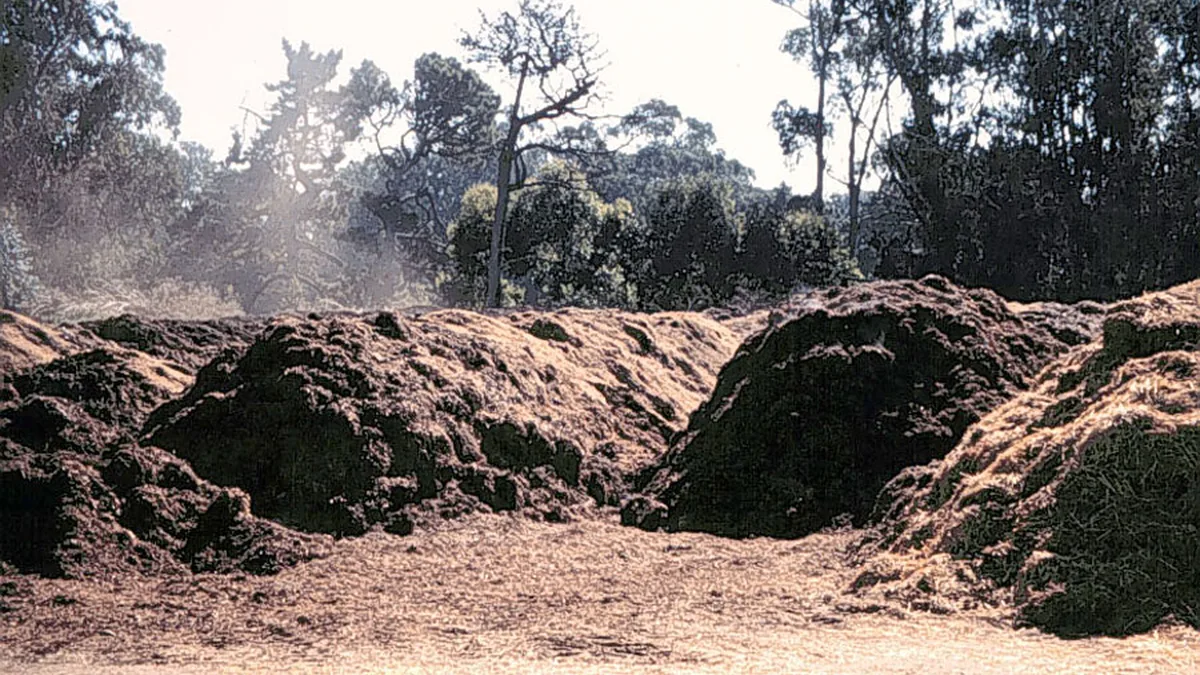
- Soil Hardpan & Dying Earthworms: Years of raw synthetic salt fertilizer minus farmyard gobarkhad exhaust organic soil carbon down below 0.35%—leaving baked clods that reject monsoon water penetration and need twice as much diesel ploughing every season.
3. Integrated Nutrient Management (INM): Pairing Deshi Khad + Biofertilizers + NPK
Backed firmly by the National Centre of Organic & Natural Farming (NCOF) (NCOF guide), highest long-term rupee profitability across India comes from Integrated Nutrient Management (INM)—never swinging blindly to 100% synthetic salt overdosing OR starvation zero-input neglect! Combining well-rotted Farmyard Manure / GOBARdhan FOM with low-cost liquid Rhizobium/Azotobacter/PSB cultures and precise Soil Health Card NPK splits trims chemical fertilizer cash outlay by 20%–30% while lifting crop kernel density steadily!
| Natural / Organic Khad Component | Recommended Rate Per Acre | Concrete Agronomic Value Added |
|---|---|---|
| Well-Decomposed FYM / GOBARdhan FOM | 4 – 5 Tonnes (or 1.5–2 Tonnes Vermicompost) | Restores soil organic carbon (>0.6%), water retention & slow micronutrients cleanly |
| Summer Green Manure (Dhaincha / Sunhemp) | Sow May -> Plough into wet soil @ 45 days | Fixes ~35–50 kg biological Nitrogen/acre & loosens rice paddy clay hardpan |
| Jeevamrut / Ghanajeevamrut Ferment | 200 L/acre via irrigation water every 15–21 days | Triggers explosive microbial life unlocking locked soil Phosphate & Potash |
| Biofertilizers (Azotobacter, PSB, Mycorrhiza) | Seed coat / Soil drench with organic compost | Solubilizes residual DAP rocks naturally (VAM Mycorrhiza guide) |
Source: Integrated soil guidelines from ICAR & NCOF India. Follow home preparation recipes in our Jeevamrut Guide and Organic Fertilizers Overview.
4. Avoiding Urea-Tagging Black Marketing & Spotting Fake Khad Sacks
Every peak sowing month across Madhya Pradesh, UP, and Bihar brings recurring headaches for honest farmers: unscrupulous retail dealers insisting growers buy expensive unsolicited liquid tonics or sulfur packets ("tagging") just to buy two statutory ₹266.50 Urea or ₹1,350 DAP sacks, OR quietly slipping adulterated dust inside stitched bags! Protect your farm budget cleanly:
- Insist Strictly on PoS Aadhaar-Authenticated Billing: Central subsidy transfers track real farmer off-take through Point-of-Sale machines—ALWAYS collect your printed PoS receipt showing official ₹266.50 Urea / ₹1,350 DAP MRP lines cleanly without forced extra bottles.
- Simple 60-Second Farm Yard Authenticity Checks: Genuine DAP dissolves slowly into cool milky sediment when crushed and rubbed with wet lime (chuna), smelling faintly of pungent ammonia—whereas fake dyed chalk mud lacks odor; real Urea dissolves instantly leaving ice-cold water inside clear glass jars!
- Check Bag Weights & Stitching Quality: Look closely for intact original double-machine factory stitching across FCO-stamped PACS / IFFCO / KRIBHCO bags rather than loose manual needle re-stitching.
5. Smarter Khad Application Timing: Cut Waste & Lock High Crop Profit
Even verified organic or chemical khad goes largely to waste when scattered over standing afternoon floodwater or dry sun-cracked soil! Notice three golden engineering rules proven repeatedly across ICAR agronomy trials: always band-place Phosphorus (DAP / SSP / NPK 12-32-16) directly inside moist soil 4–5 cm deep right at sowing via calibrated seed-cum-fertilizer drills (DAP vs NPK comparison) because surface-broadcast phosphate binds immovably onto topsoil clay away from seedling roots! Conversely, never dump 100% Urea upfront—divide Nitrogen cleanly into 2–3 crisp splits matching active root tillering and panicle initiation, applying strictly on moist soil just ahead of light irrigation or mixing neem-coated granules softly so volatile ammonia gas doesn't escape straight into afternoon sunshine!
And don't overlook silent secondary and micronutrient hunger masking full crop yield potential! Indian oilseeds (Mustard, Soybean, Groundnut) thrive markedly on basal Sulphur (SSP or agricultural Gypsum) + pre-flowering Boron 20% rather than pricey extra Urea bags, while irrigated paddy requires basal Zinc Sulphate separately (NEVER mixing Zinc directly inside the exact same DAP drill hopper, as chemical zinc-phosphate precipitates lock BOTH nutrients unusable!). Budget complete seasonal input purchases accurately on KisanPe's Fertilizer Calculator, access cheap 4% working funds via your Kisan Credit Card, inspect state Soil Health / organic certification subsidies (organic certification grants & state agricultural subsidies), and watch soil tilth reward every thoughtful rupee invested.
Pre-Sowing Soil Sampling Guide for Accurate Khad Prescriptions
Want zero-guesswork savings before purchasing Rabi DAP or Kharif potash? Draw a clean 15-cm V-shaped composite soil sample across 6 to 8 zigzag spots per two-acre block after crop harvesting (avoiding compost heaps, field bunds, or fresh dung piles!), dry in clean room shade, mix thoroughly into a clean 500 g bag, and drop at your Block Agriculture Office or nearest KVK Soil Testing Lab linked under soilhealth.dac.gov.in! Reading exact available Soil Organic Carbon (OC%), Phosphorus (P), Potassium (K), pH, Electrical Conductivity, and DTPA-Zinc/Boron/Sulphur values takes guesswork completely out of fertilizer buying—frequently saving rural households ₹1,200 to ₹2,800 per acre in wasted off-target chemicals micro-nutrient depletion across double-cropped irrigated plains. Keep dry stored Urea, DAP, and Potash sacks cleanly elevated atop dry wooden pallets well away from rain-damp concrete walls inside locked farm sheds: hygroscopic fertilizer salts cake into stony bricks when humidity penetrates torn bags, causing erratic clogged drill hopper drops during precious sowing weeks! Pair neat fertilizer inventory records cleanly with PoS GST purchase slips and regional agricultural extension crop schedules so balanced crop yields climb sustainably every season. Remember also that combining legume green-manure cover crops like Dhaincha or Moong cleanly ahead of monsoon paddy transplanting restores active microbial earthworm life while cutting commercial chemical Urea demand by 25%–35% across progressive Indian farms without starving dense cereal tillering—building rich spongey topsoil year after year. Farmers evaluating balanced complex blends can inspect exact NPK 10-26-26 uses, NPK 12-32-16 formulations, complete complex fertilizer handbooks, basal DAP and MOP strategies, and central soil fertility subsidy schemes.
6. Frequently Asked Questions on Khad Types, Prices & Soil Balance
Find straightforward verified answers covering official ₹266.50 Urea & ₹1,350 DAP MRPs, organic deshi khad composting times, Soil Health Card NPK ratios, IFFCO Nano liquid dosing, and zinc compatibility.
Frequently asked questions
- What are official subsidized chemical khad prices in India in 2026?
- Regulated strictly by the Department of Fertilizers under FCO caps, Neem-Coated Urea (45 kg) costs ₹266.50/bag, DAP (50 kg) stands at ₹1,350/bag, while MOP (50 kg) trades near ₹1,650–₹1,700/bag—always compute exact acre bag needs via our Fertilizer Calculator.
- What is the best balance between organic deshi khad and chemical NPK fertilizers?
- Combining 4–5 tonnes of well-decomposed FYM / vermicompost per acre (to rebuild soil carbon and water sponge porosity) alongside calibrated NPK tailored to your district Soil Health Card (targeting ~4:2:1 overall NPK balance) maximizes sustainable profit—read recipes in our FYM Compost Manual.
- How does IFFCO Nano Urea and Nano DAP work alongside solid khad?
- Applied cleanly as fine foliar leaf sprays (or seed dressings for Nano DAP) during active canopy tillering—around 2–4 ml per litre water—liquid nano particles enter leaf stomata swiftly, letting growers cut costly second/third solid Urea top-dressings; verify timing in our Nano Urea Dosage Guide.
- Why should Zinc Sulphate never be mixed in the same hopper as DAP khad?
- Mixing dissolved Zinc Sulphate directly inside concentrated Phosphate (DAP) forms insoluble Zinc Phosphate precipitates that permanently lock up both nutrients away from young roots—always broadcast Zinc separately 2–3 days apart from basal DAP.
- How long should fresh cow dung take to turn into safe organic khad?
- Fresh farm cattle manure MUST decompose cleanly for 90 to 120 days in aerated turned pits or vermicompost beds until turning cool dark crumbly black—spreading hot fresh unrotted dung directly burns germinating roots and hatches stubborn weed seeds and white-grub larvae!
- What simple check tests genuine DAP or Urea khad at home before sowing?
- Genuine Urea turns clear cool water icy-cold immediately upon dissolving, whereas crushing moist DAP granules cleanly with a pinch of slaked lime (chuna) releases unmistakable pungent ammonia vapors within seconds—check dealer compliance inside our DAP Fertilizer Guide.
- Which khad boosts seed oil percentage in Mustard, Groundnut, and Soybean?
- Oilseed crops crave Sulphur alongside Phosphorus! Choosing Single Super Phosphate (SSP 0-16-0 + 11% Sulphur) or applying agricultural Gypsum/Sulphur + Boron 20% consistently raises natural seed oil recovery past profitable mandi lab floors.
- Are government schemes available to subsidize organic khad production units?
- Yes! Central initiatives including PKVY, GOBARdhan FOM biogas units, and NCOF organic programs offer substantial capital aid to FPOs, cooperatives, and Gaushalas producing FCO-certified fermented organic manure and vermicompost.
This article is for general information only and is not financial advice. Loan and scheme eligibility depends on partner and government criteria.