Wheat Price in India 2026: Punjab, UP & 1 Kg Retail
Key takeaways
- Check indicative wheat price in Punjab, UP, Haryana, and MP mandis in 2026 alongside statutory ₹2,425 MSP, 1 kg retail flour parity, and FCI OMSS rules.
- Covers State-Wise Wholesale Wheat Price & 1 Kg Parity Benchmarks (2026) with government-linked benchmarks and practical Indian farm guidance.
- Covers Why 1 Kg Retail Wheat Costs Higher Than Wholesale Mandi Bhav with government-linked benchmarks and practical Indian farm guidance.
- Covers Statutory MSP Procurement, FCI Buffer Stocks & OMSS Market Caps with government-linked benchmarks and practical Indian farm guidance.
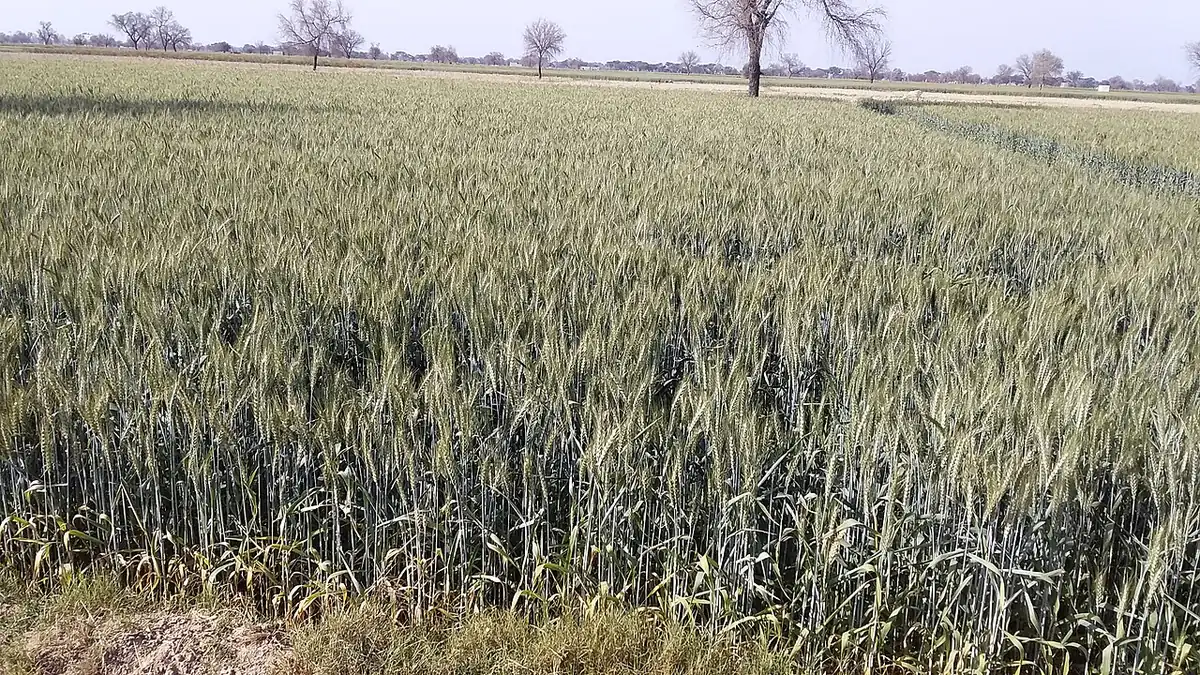
Whether checking bulk farm-gate quotes across Ludhiana, Karnal, and Meerut APMCs or budgeting household grocery costs per kilogram in metropolitan markets, tracking the true wheat price in India starts cleanly by separating government statutory MSP (₹2,425/quintal), state APMC wholesale modal auction bids (~₹2,580–₹3,680/quintal), and urban consumer 1 kg retail grain/atta parity! Monitored daily across Agmarknet and the Department of Consumer Affairs Price Monitoring Division (fcainfoweb.nic.in), off-season November stocks routinely trade comfortably above official procurement floors as roller flour millers, chakki processors, and institutional buyers bid actively across surplus producing belts.
Growers looking specifically for wheat price in Punjab 2026, wheat price in UP, or consumer 1 kg wheat price breakdowns can pair these state comparisons smoothly with KisanPe's Wheat Farmers Hub, pan-India APMC wheat spreads, Punjab district mandi tracking, Mandi Rates directory, and regional price trends.
1. State-Wise Wholesale Wheat Price & 1 Kg Parity Benchmarks (2026)
Because wholesale arrivals tighten considerably by late autumn prior to fresh April harvests, open-market wheat price today quotes across major North and Central Indian grain yards hold firm premiums above the central ₹2,425/qtl FAQ MSP. Notice how dryland MP Sharbati and amber Lokwan wheat command distinct ₹400–₹800+/qtl eating-quality premiums over soft high-yielding Punjab/UP varieties:
| State / Benchmark Hub | Primary Trade Varieties | Indicative Wholesale Mandi (Per Quintal / 100 kg) | Wholesale Per Kg Equivalent |
|---|---|---|---|
| Central Govt Statutory FAQ MSP | FAQ Wheat (All-India FCI Floor, up to12% moisture) | ₹2,425 / qtl (Statutory RMS 2025–26 & 2026–27) | ₹24.25 / kg |
| Punjab (Khanna, Ludhiana, Jagraon, Patiala) | PBW-343 / HD-3086 / Dara Mill Grade | ₹2,580 – ₹2,840 / qtl | ₹25.80 – ₹28.40 / kg |
| Haryana (Karnal, Sirsa, Kurukshetra, Hisar) | WH-1105 / HD-2967 / FAQ Milling | ₹2,600 – ₹2,880 / qtl | ₹26.00 – ₹28.80 / kg |
| Uttar Pradesh (Agra, Meerut, Kanpur, Bahraich) | Dara / HD-2967 / Local Milling Lots | ₹2,620 – ₹2,910 / qtl | ₹26.20 – ₹29.10 / kg |
| Madhya Pradesh (Sehore, Indore, Ujjain) | Lokwan / Malavraj / Premium Sharbati | ₹2,680 – ₹3,680 / qtl (Sharbati top end) | ₹26.80 – ₹36.80 / kg |
| Urban Retail Kirana / Packaged Shelf | Cleaned Loose Chakki Wheat vs Branded 1 kg Whole Grain | Consumer Retail Band (DoCA + Trade Parity) | ₹32.00 – ₹48.00 / kg (Specialty ₹55+) |
Source: Indicative off-season spreads compiled around Agmarknet arrivals, DoCA Retail Price Dashboard, and PIB MSP Notifications. Check today's latest posted mandi slip locally before dispatching transport trucks.
2. Why 1 Kg Retail Wheat Costs Higher Than Wholesale Mandi Bhav
Home buyers searching 1 kg wheat price often wonder why neighborhood kirana sacks read ₹34–₹44/kg when APMC auctions clear near ₹27/kg! Tracing raw farmer grain from tractor trolley through urban pantry reveals five concrete cost layers:
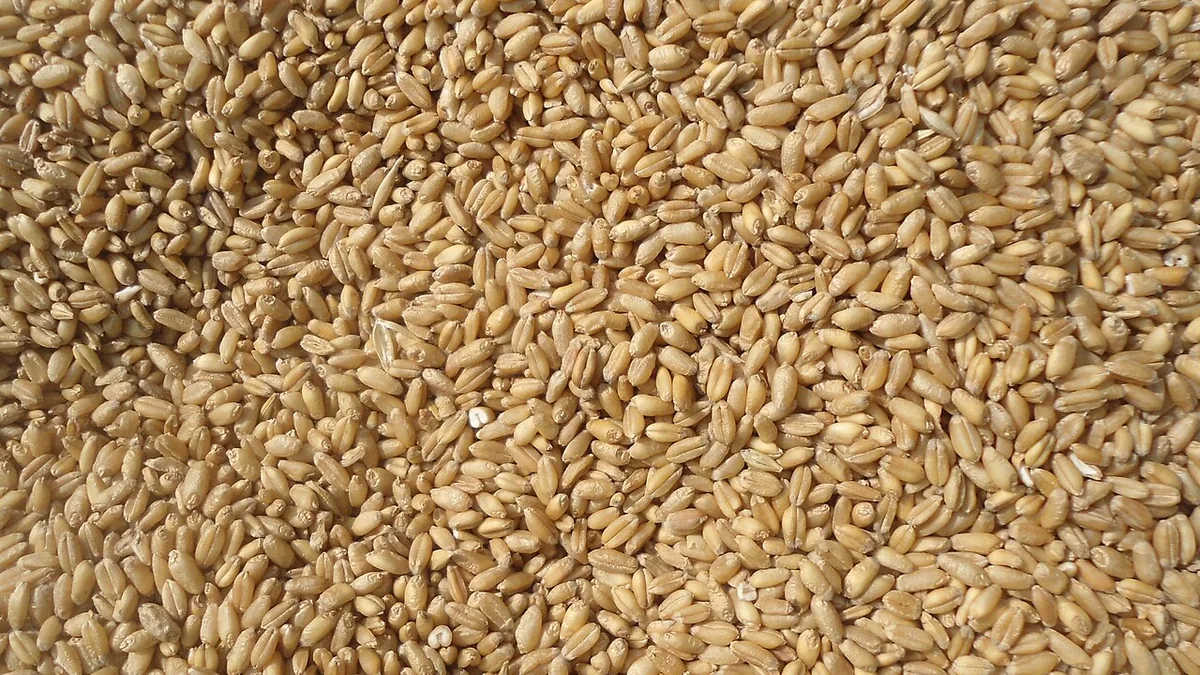
- APMC Cleaning & Destoning Shrinkage (~3%–5%): Raw harvested grain always contains chaff dust, tiny broken grains, and stones removed cleanly through mechanical gravity destoners—raising clean consumable grain cost automatically by ~₹1.20–₹1.80/kg.
- Statutory Mandi Fee, Commission & Loading (~3%–4%): Punjab, Haryana, UP, and MP market boards levy statutory market development fees, electronic auction charges, new jute/PP stitching bags, and warehouse hamali labour totaling roughly ₹1.00–₹1.50/kg.
- Inter-State Diesel Truck Freight & Insurance: Shipping surplus grain 900 to 1,800 km from Punjab/MP silos to Mumbai, Bengaluru, Chennai, or Kolkata adds ₹2.20 to ₹4.20/kg in diesel transport fees!
- Storage Moisture Loss & Working Capital Interest: Carrying winter April harvests safely through October humid rains locks up rural godown rent and seasonal working capital finance.
- Wholesale-to-Retail Packaging & Kirana Margin: Sorting cleaned 5 kg / 10 kg retail sacks alongside urban shop overheads accounts for the final ₹4–₹8/kg retail shelf spread.
3. Statutory MSP Procurement, FCI Buffer Stocks & OMSS Market Caps
Two massive central mechanisms published continuously through Food Corporation of India (FCI) govern Indian grain economics all twelve months: April–May RMS MSP Procurement (putting a rock-solid ₹2,425/qtl price floor beneath compliant up to12% moisture grain deposited onto state portals like Punjab Anaj Kharid, Haryana Meri Fasal Mera Byora, and UP e-Procurement) and OMSS (Open Market Sale Scheme) auctions! Whenever domestic retail grain inflation pushes open mandi rates steeply upward in autumn or winter, FCI auctions buffered wheat stockpiles directly to small flour millers via e-auctions at regulated reserve caps—keeping chapati and atta shelves affordable without choking farm incentives.
| FCI Quality Parameter | Full MSP Clean Limit (No Cut) | Buyer Negotiation Impact on Open Markets |
|---|---|---|
| Grain Moisture Content | Up to 12.0% (12.1%–14.0% minor value cut) | Moist >13% lots suffer fungus heating risks; buyers shave ₹80–₹180/qtl immediately |
| Foreign Matter / Soil Clods | Max 0.75% – 1.0% | Unwinnowed combine loads with high chaff dust attract steep destoning penalties |
| Broken & Shriveled Kernels | Max 6.0% Combined Tolerance | Heatwave-pinched grains lower flour yield; high hectolitre weight (>76 kg/hL) wins bonuses |
| Black Point / Weather Damage | Within Statutory Lustre Norms | Heavy March hailstorm/rain spots force grain from chapati class down into starch/feed grades |
Source: Official Fair Average Quality norms via FCI India & CACP Price Policy Reports. Compare historical Punjab vs Haryana trends inside Punjab Wheat Price tracker and Haryana procurement benchmarks.
4. Yield Economics, Cost Cutting & e-NWR Godown Holding Strategy
Improving household net profit at ₹2,580–₹2,900/qtl wholesale parity relies equally on smart marketing timing AND lowering field cost per quintal harvested! Adopting early-November sowing schedules with heat-resilient high-yielding lines, preventing yellow/brown rust outbreaks early (rust disease schedules & wheat IPM protection), sizing seed lots accurately on KisanPe's Seed Rate Calculator, and tuning balanced NPK via the Fertilizer Calculator routinely adds 2 to 4 bonus quintals per acre while avoiding lodged shriveled heads!
5. Choosing Spot Mandi Sale vs e-NAM vs Accredited WDRA Warehouses
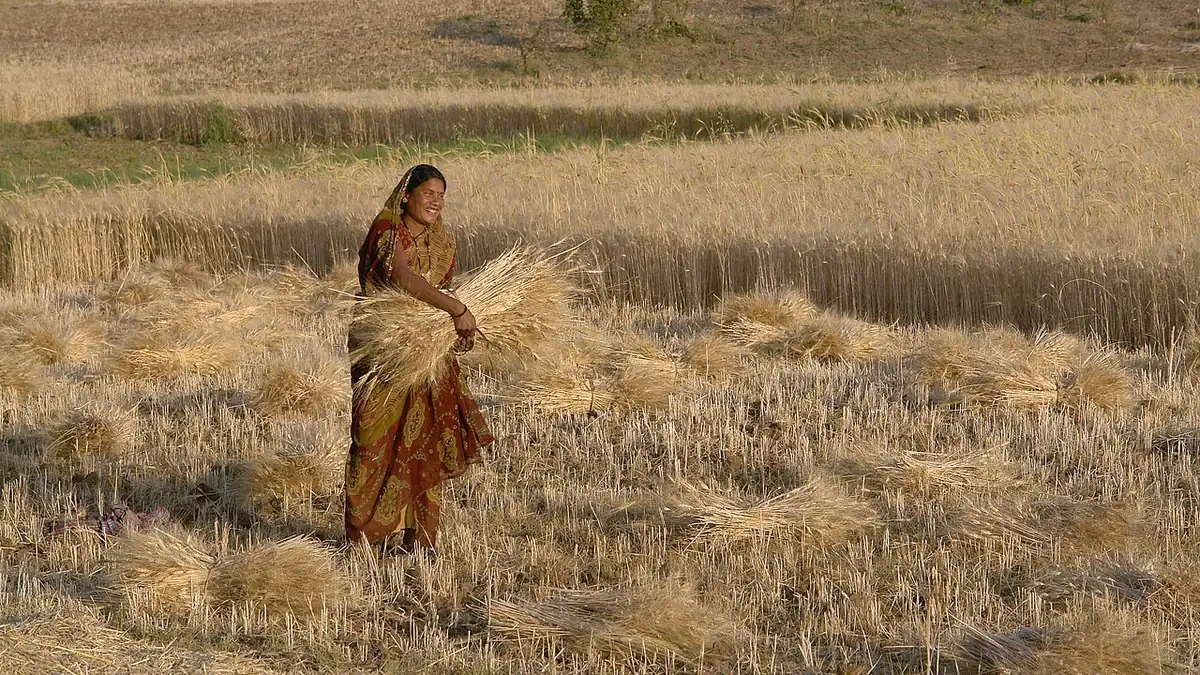
Farmers possessing surplus winter output above immediate April household cash demands should avoid dumping 100% of threshed wheat during crowded 3-week combine glut periods whenever storage space exists! Depositing dry sieved grain (under11.5% moisture) into registered WDRA / rural warehouses covered in our Gramin Bhandaran godown guide yields electronic e-NWR receipts eligible for subsidized ~7% bank pledge loans (effectively ~4% under prompt KCC repayment rules!) so Kharif paddy/cotton input expenses run smoothly without forced selling. Simultaneously, listing cleaned, lab-assayed lots digitally on e-NAM (e-NAM vs local APMC comparison) opens bidding directly to distant out-of-state roller flour millers beyond neighborhood village brokers.
For everyday verification prior to hiring transport tractors, compare three neighbouring district yards on KisanPe's Nearest Mandi Finder, learn auction slip decoding via our mandi bhav reading manual, and explore central fertilizer or drip aids inside state agricultural subsidy lists! Checking both state procurement bonus circulars (where specific states like MP or Rajasthan occasionally announce temporary procurement bonuses atop central ₹2,425 MSP!) AND private mill opening premiums turns every harvest quintal into steady, transparent rural household earnings.
Punjab vs Uttar Pradesh vs MP Procurement & Freight Arbitrage
Notice how regional supply surpluses create crisp interstate pricing patterns watched continuously by flour millers and commodity traders across India! During April–May Rabi harvesting, massive centralized state FCI procurement across Punjab (~125–130+ lakh MT) and Haryana (~65–75 lakh MT) absorbs peak village arrivals cleanly at full ₹2,425/qtl MSP into Aadhaar-linked bank accounts within 48 hours—meanwhile leaving northern open markets exceptionally tight by September–December! Simultaneously, Uttar Pradesh (~2,620–₹2,910/qtl wholesale parity) supplies towering dense urban demand around Delhi NCR, Kanpur, Lucknow, and Bihar consumer markets where retail milled atta demand holds steady year-round.
Down across central Madhya Pradesh (Indore, Sehore, Vidisha, Bhopal), dry black-soil harvests wrap up 2 to 3 weeks earlier in late March than chilly Punjab—making crisp early MP Lokwan and golden Sharbati wheat India's very first fresh arrivals prized nationwide by top packaged flour mills! Understanding this geographic March-to-May harvest conveyor helps farmers holding clean, dry (under11.5% moisture) grain time e-NWR warehouse releases cleanly when urban chakki buyers scramble for bright plump golden wheat kernels during festive October and winter December demand peaks.
Finally, whether checking daily Mandi Rates as a rural cultivator planning your harvest dispatch OR budgeting monthly urban pantry grocery costs per kilogram, remember that clean physical grain separation (bold bright sound kernels free from chaff, stones, or weathered monsoon stain) remains the single fastest practical upgrade raising farmer returns cleanly every Rabi cycle across India!
On top of open mandi cleanliness, keeping household wheat stocks safe inside airtight grain bins or hermetic bags between April and November prevents destructive khapra beetle and Sitophilus weevil tunneling that ruins baking protein quality silently during July monsoon humidity. Remember that agricultural buyers inspecting autumn warehouse samples drop bids immediately by ₹180–₹400/quintal whenever tiny black pinhole exit-dots appear inside kernels—so drying clean freshly combined wheat thoroughly on sunny concrete yards down to 11.0% moisture right before bagging pays massive dividends over cheap shortcuts! Likewise, smallholders checking UP, Punjab, and Haryana J-Form auction slips should verify digital electronic weighment ticket receipts against daily posted board rates and confirm Aadhaar-NPCI DBT account linkage before state April procurement windows open so ₹2,425/qtl statutory MSP transfers land seamlessly in bank passbooks with zero deduction leakage.
Lastly, explore crop rotation economics carefully alongside chickpea (mandi price trend tools), mustard oilseeds, and summer short-duration pulses: balancing soil organic carbon across cereal-legume cycles lowers urea outlay next winter while lifting grain protein density prized across Indian atta millers nationwide. Compare inter-district transport spreads weekly via KisanPe's nearest APMC hub and protect sudden hailstorms before March ripening via central PMFBY crop coverage so farm family cashflows stay steady regardless of late winter weather spikes! Moreover, commercial grain millers, rural roller operators, and village FPO procurement managers should maintain transparent pre-cleaning dust sieves directly inside collection yards rather than loading muddy combine chaff directly onto district highway trailers—delivering mirror-clean bold grain raises net settlement weight reliably across every state APMC auction floor! Finally, remember that combining proper early-November line sowing, balanced phosphatic root nutrition, timely yellow rust defense, and airtight under11.5% dry bag storage preserves bright lustrous chapati flavor cleanly through autumn months when urban retail demand rewards top grain lots strongly across India. Simultaneously, progressive farmers planning Rabi rotations across Punjab, Haryana, UP, and MP can check forward weather alerts (crop weather advisories) and lock subsidized warehouse receipts ahead of summer arrivals—preserving grain crispness and steady farmgate revenue reliably across dynamic domestic grain cycles. Keeping calibrated farmgate cleaning records alongside regional mandi arrival tables turns every quintal harvested into measurable annual family earnings.
6. Frequently Asked Questions on Wheat Price in India (Punjab, UP & Retail)
Explore concise verified answers covering November 2026 wheat price per quintal and 1 kg in Punjab, UP, and MP, official ₹2,425 MSP rules, Sharbati premiums, and FCI OMSS auctions.
Frequently asked questions
- What is today wheat price per quintal and per kg in Punjab and UP?
- Indicative off-season wholesale wheat prices in late 2026 span roughly ₹2,580 to ₹2,840 per quintal (₹25.80–₹28.40/kg) across Punjab (Khanna/Ludhiana) and ₹2,620 to ₹2,910 per quintal (₹26.20–₹29.10/kg) in Uttar Pradesh for clean FAQ mill wheat—verify daily yard bids via Agmarknet and KisanPe Mandi Rates.
- What is the official 1 kg retail wheat price in Indian grocery markets?
- According to DoCA Retail Price indices, loose cleaned 1 kg wheat typically retails between ₹32 and ₹48/kg depending on city freight and varietal grade, while specialty MP Sharbati and organic whole grains retail higher—compare wholesale vs retail parity in our Wheat Rate Breakdown.
- What is the official Central Government Wheat MSP for 2026?
- Backed by PIB India MSP declarations, statutory Minimum Support Price for Fair Average Quality (FAQ) Wheat stands at ₹2,425 per quintal (₹24.25/kg) across RMS 2025–26 and 2026–27.
- Why does MP Sehore Sharbati wheat command higher prices than normal mill wheat?
- Grown predominantly in rain-fed/limited-irrigation black soils of Sehore and Vidisha (Madhya Pradesh), Sharbati wheat delivers sweet amber pearls, high protein-starch quality, and soft chapatis prized across premium retail flour brands—routinely fetching ₹3,100–₹3,680+/qtl wholesale.
- What happens when FCI conducts Open Market Sale Scheme (OMSS) wheat auctions?
- FCI auctions surplus buffer wheat stocks weekly at government reserve base prices exclusively to accredited small flour mills and state agencies—expanding domestic milling availability and cooling abnormal speculative winter retail spikes.
- How does grain moisture content affect Punjab and Haryana wheat procurement prices?
- Under official FCI quality parameters, wheat lots up to 12.0% moisture qualify for 100% full statutory MSP without deductions; 12.1%–14.0% triggers proportionate moisture weight cuts, while wet >14% grain is rejected until sun-dried.
- Can farmers earn higher net prices by storing harvested wheat until October–November?
- Often yes! Storing dry cleaned (under11.5% moisture) wheat inside accredited rural warehouses (godown scheme guide) lets farmers take cheap e-NWR pledge loans and sell off-season when mill competition strengthens above peak April glut prices.
- Which farming decisions boost farmer wheat net profit per acre most reliably?
- Early November sowing, balanced NPK dosing via our Fertilizer Calculator, timely yellow rust spraying, and mechanical combine grain sieving before APMC unloading raise marketable weight while minimizing buyer deductions.
This article is for general information only and is not financial advice. Loan and scheme eligibility depends on partner and government criteria.