Arecanut Price Today in Shimoga APMC: Rashi & Chali Rate
Key takeaways
- Shivamogga (Shimoga) APMC serves as India’s premier red boiled & processed arecanut auction center, setting daily benchmark prices for Rashi Idi, Saraku, Bette, Gorabalu, and Red Chali varieties across Malnad Karnataka.
- Indicative Shimoga APMC modal trading bands in November 2026 span Rs 46,000 to Rs 55,500 per quintal for Rashi Idi, Rs 50,000 to Rs 62,000/qtl for superior Bette, and Rs 54,000 to Rs 78,000+/qtl for export/premium Saraku lots depending on moisture and curing luster.
- Lower-grade processed lots (Gorabalu & Kempu) typically trade between Rs 24,000 and Rs 40,000 per quintal, while White Chali (whole sun-dried supari) auctions higher in Sirsi, Mangaluru, and Puttur CAMPCO belts.
- Cooperative marketing societies such as MAMCOS (Malnad Areca Marketing Co-operative Society) and CAMPCO protect Malnad growers from distress harvest selling via transparent electronic APMC tender bidding and pledge advances.
- Protecting immature green bunches against Southwest monsoon Mahali / Kole Roga (Phytophthora meadii) using timely 1% Bordeaux mixture sprays saves 30% to 70% of annual Shivamogga orchard realization.
- Horticulture subsidies under MIDH, NHB, and PMFBY Weather-Based Crop Insurance (WBCIS) cover drip irrigation, curing boilers, and Malnad cyclone/excess-rain damage.
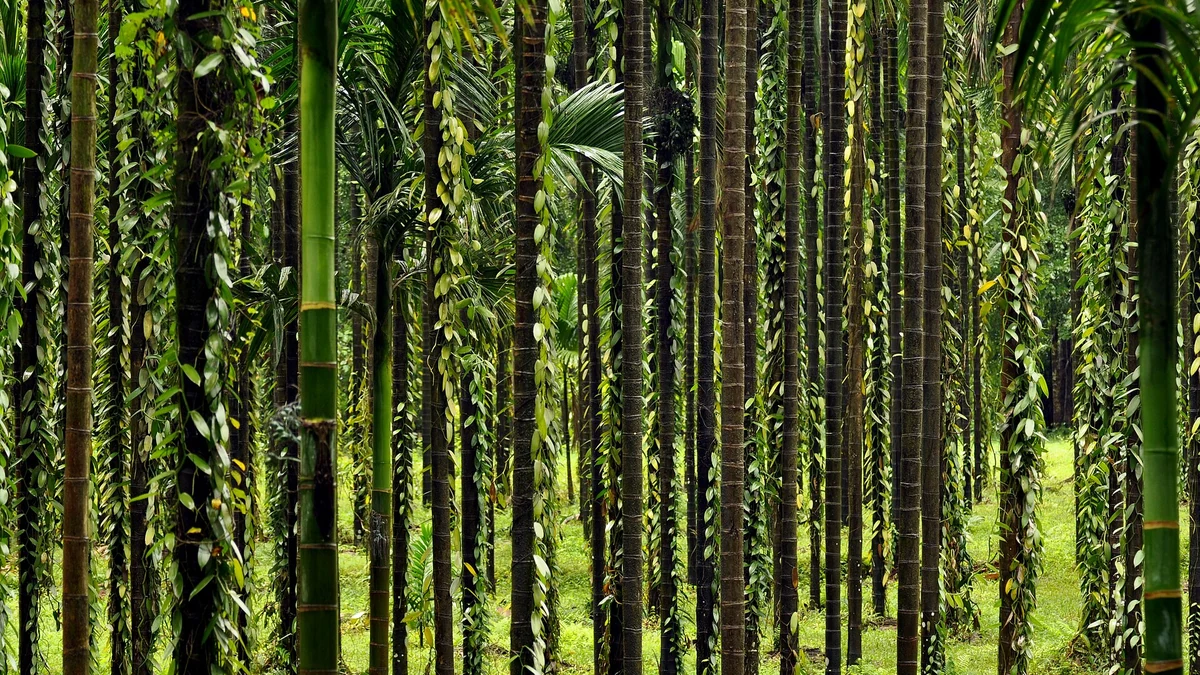
Monitoring the daily arecanut price today in Shimoga (shivamogga adike rate todays / adike rate shimoga today) is essential for more than three lakh Malnad plantation households spread across Shivamogga, Chikkamagaluru, Davanagere, Chitradurga, and Uttara Kannada. Nestled in the heavy-rainfall foothills of the Western Ghats, Shivamogga Agricultural Produce Market Committee (Shimoga APMC) operates Asia’s largest specialized red-processed arecanut (kempu adike) auction market—discovering prices that guide traders, pan-masala blenders, cooperative depots, and dry-nut buyers across North India.
Every trading day (Monday through Saturday excluding public holidays), Shimoga APMC commissions and cooperative societies like MAMCOS and Agmarknet (Directorate of Marketing & Inspection) publish minimum, maximum, and modal rates per quintal across strictly sorted red-arecanut grades alongside orchard advisories issued by the ICAR-Central Plantation Crops Research Institute (CPCRI) and National Horticulture Board (NHB). Malnad farmers benchmarking regional Karnataka prices also check our statewide arecanut price today Karnataka summary, Chikkamagaluru coffee price report, black pepper prices (popular intercrop on arecanut palms!), and daily mandi rates portal.
1. Shimoga APMC Arecanut Rate Today by Grade (Rashi, Bette, Saraku, Chali)
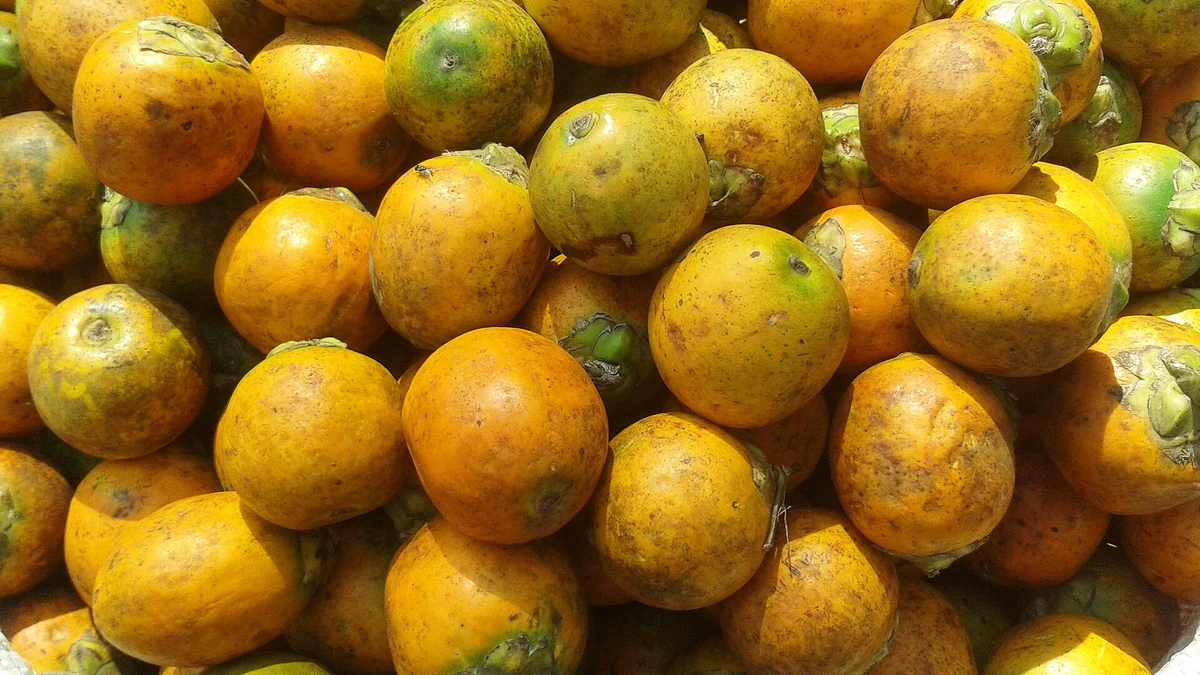
Unlike coastal Dakshina Kannada (Mangaluru / Puttur) which specializes in whole-dried White Chali supari, growers across Tirthahalli, Sagar, Hosanagara, Sorab, and Shikaripura predominantly process tender green arecanuts into shiny deep-red cured kernels by dehusking, boiling (kashi / tannin glaze coating), and sun-drying on elevated mats. Price spreads between the five major Shimoga APMC grades remain wide:
| Shimoga APMC Grade | Nut Maturity & Processing Method | Min Rate (Rs/Qtl) | Modal Rate (Rs/Qtl) | Max / Top Quality (Rs/Qtl) |
|---|---|---|---|---|
| Rashi Idi (Core Benchmark) | Matured firm boiled red whole kernel (sweet glossy finish) | Rs 46,000 | Rs 51,500 | Rs 56,500 |
| Bette Grade | Medium-tender sliced/halved high-sheen boiled nuts | Rs 50,000 | Rs 56,000 | Rs 63,000 |
| Saraku / Api (Ultra-Tender) | Soft early-harvest tender boiled nuts with smooth aroma | Rs 54,000 | Rs 68,000 | Rs 82,000+ |
| Gorabalu (Late / Rough Grade) | Over-ripe fallen or weathered dark red whole nuts | Rs 24,500 | Rs 32,000 | Rs 39,500 |
| New Crop Moisture-High Rashi | Fresh season arrival (~12%–15% higher residual moisture) | Rs 41,000 | Rs 46,500 | Rs 51,000 |
| White Chali Reference (Davanagere/Sirsi) | Fully ripe whole sun-dried outer-husk peeled supari | Rs 36,000 | Rs 41,500 | Rs 46,000 |
Source: Indicative auction ranges synthesized from Shimoga APMC e-tender bulletins, Agmarknet Karnataka arecanut receipts, and cooperative trading benchmarks (MAMCOS/CAMPCO) as of November 2026. Actual lot pricing hinges strictly on moisture content (<8%–9% old cured vs fresh arrival), uniform uniform walnut size, absence of moldy koleroga black cores, and zero fungal stink.
2. Shimoga vs Sirsi vs Mangaluru vs Channagiri: Karnataka Mandi Parity
Karnataka accounts for roughly 60%+ of India’s commercial arecanut harvest, yet regional mandis command distinct grades. Growers along the Shivamogga–Channagiri–Tirthahalli triangle track daily arrivals across neighboring yards to decide where transport margins maximize net realization:
| Karnataka Mandi Hub | Dominant Traded Grades | Indicative Benchmark Range (Rs/Qtl) | Key Buyer & Market Strength |
|---|---|---|---|
| Shimoga (Shivamogga APMC) | Rashi Idi, Bette, Saraku, Gorabalu | Rs 46,000 - Rs 78,000 | Highest red boiled supari liquidity & MAMCOS pledge auctions |
| Channagiri (TUMCOS Hub) | Red Rashi & Semi-Maidaan Boiled | Rs 47,500 - Rs 55,500 | Clean transparent farmer cooperative e-auctions (TUMCOS) |
| Sirsi & Siddapur (Uttara Kannada) | Chali, Rashi & Bette Dual Mix | Rs 38,000 - Rs 54,000 | Strong TSS cooperative grading bridging red & white supari |
| Mangaluru & Puttur (CAMPCO) | Single Chali, Double Chali & New Chali | Rs 36,000 - Rs 45,500 | White whole supari floor-price stability via CAMPCO procurement |
| Tumakuru / Chitradurga (Maidaan) | Bori / Rashi Maidaan Red Nuts | Rs 42,000 - Rs 51,000 | Borewell-irrigated plains output feeding North India pan traders |
Source: Cross-APMC Karnataka price parity compiled from Agmarknet historical patterns and cooperative mandi auctions (November 2026). Check live inter-mandi alerts cleanly via our KisanPe Mandi Price Watch tool.
3. How Import Parity, Yellow Leaf Disease & Mahali Drive Shimoga Adike Rates
Shimoga’s arecanut prices surged strongly over recent cycles thanks to tight Indian Minimum Import Price (MIP — Rs 351/kg cif tariff shield) curbing low-cost dried betel nut dumping across borders, paired with serious supply disruptions in traditional Malnad groves:
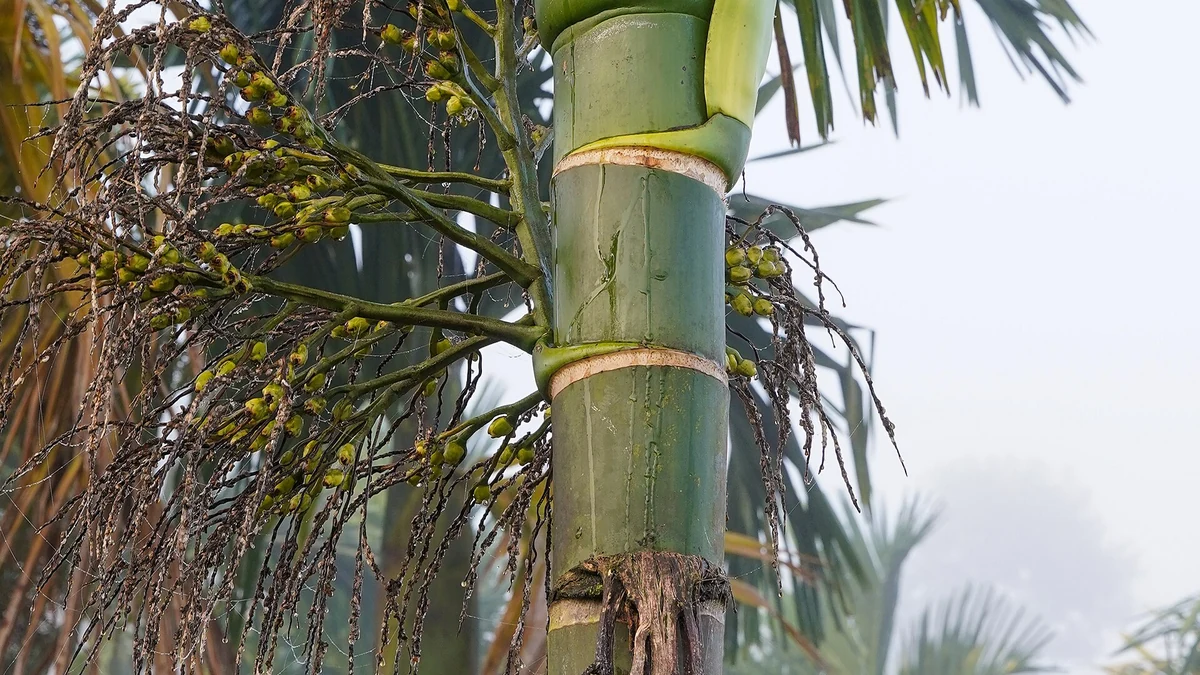
- Mahali / Kole Roga (Fruit Rot — Phytophthora meadii): Unchecked June–August heavy Malnad rains cause green nut drop of 30%–70%. Performing two timely high-volume 1.0% Bordeaux mixture bunch sprays (late May pre-monsoon + July repeat) protects nut fill and prevents downgraded black Gorabalu lots—follow exact recipe steps in our Bordeaux mixture 1:1:100 preparation guide and select high-pressure orchard spray machines.
- Yellow Leaf Disease (YLD) & Acreage Shift: Chronic YLD spread across aging Sringeri, Koppa, and Tirthahalli gardens pushes growers toward soil micro-nutrient management checked via Soil Health Card testing and fertilizer dosage plans while tightening supply of elite Saraku and Bette tender grades.
- High-Density Intercropping Income: Progressive Shivamogga planters climb yields further per acre without waiting for new palm maturity by training black pepper vines up palm trunks and cultivating shaded banana or turmeric under canopy filter light.
- New Vs Old Stock Curing Premium: Properly sun-cured Old Rashi stored over dry monsoon months cleanly commands Rs 2,500–Rs 5,000/qtl above damp newly boiled November arrivals!
4. MAMCOS Pledge Loans, Orchard Subsidies & Crop Insurance for Malnad Growers
Because peak harvest curing requires heavy manual climbing/dehusking labor and solar drying mats between November and February, growers needing instant family cash should avoid distress-selling damp New Rashi at heavy weight cuts. Instead, members of cooperatives like MAMCOS and TUMCOS store dry gunny sacks inside ventilated godowns and draw low-interest produce pledge advances, or use subsidized working capital via Kisan Credit Card (KCC) loans.
Plan seasonal orchard investments and check drip/shade-net grants via our crop income calculator, farm subsidy calculator, and government agricultural schemes hub alongside MIDH Horticulture guidelines (ICAR planting advisories). Protect perennial palms against unseasonal Malnad cloudbursts and fruit-drop anomalies under Karnataka’s Weather-Based Restructured WBCIS / PMFBY crop insurance, track PMFBY payout status, verify palm irrigation needs with our irrigation calculator, and complete AgriStack Farmer ID enrollment early.
5. Shimoga Arecanut Curing Protocol & Harvest Quality Grading Standards
Getting Rs 55,000+ per quintal instead of Rs 44,000 inside the exact same Shimoga APMC auction depends heavily on precise post-harvest processing. Traditional Malnad red supari curing follows time-tested boiling, dye-glazing, and hygienic solar-mat drying rules that directly control kernel color luster, cut-edge crispness, and fungal absence:
- Optimum Nut Harvest Maturity (7–8 Months): For crisp tender Saraku and glossy Rashi Idi, harvest green bunches right when inner kernels turn crisp semi-firm ivory without fibrous chalk holes or dried husk cracks.
- Rapid Dehusking Within 24 Hours: Keeping green nuts piled inside humid gunny sacks triggers fermentation black-spots; mechanised hand-fed or tractor-PTO dehusking removes outer green husks cleanly the same day.
- Precision Boiling & Kashi Tannin Coating: Simmer cleanly dehusked kernels inside copper/stainless boiling cauldrons for 45–60 minutes using natural bark/previous boiled chogaru extract so rich red catechin pigments bind evenly onto smooth glossy surfaces.
- Clean Elevated Mat Solar Drying (6–8 Days): Spread boiled nuts strictly on shaded woven bamboo mats, perforated tables, or solar greenhouse dryers (polyhouse tunnel dryers) rather than bare damp courtyard soil—driving residual moisture below 9% so mold growth never dulls grade aroma during monsoon godown holding.
- Lot Uniformity Sorting Before APMC Bagging: Separate cracked halves (Chooru), black fungal rejects (Gotu), and bold uniform whole nuts (Idi) before stitching APMC gunny bags; mixed ungraded bags ALWAYS anchor bids down toward the lowest broken nut quality!
Seasonal moisture retention and warehouse storage discipline also play decisive roles across Shimoga, Channagiri, Sagar, and Sirsi marketing cycles between November and September. During peak November–February new-crop harvests, freshly boiled lots entering open yards frequently carry 11%–13% kernel residual moisture—prompting cooperative auction graders (dalals) to discount New Rashi rates by Rs 2,000 to Rs 4,500 per quintal relative to crisp well-cured Old Rashi carrying strictly under 8.5%–9% moisture. Growers running dry sealed HDPE-lined double-jute gunny storage atop ventilated wooden dunnage racks protect bright glossy catechin surface tint cleanly past July–August rains without musty white Gotu mold blemishes.
Equally vital for Malnad smallholders holding 1 to 5 acre gardens is tracking domestic gutka/pan-masala factory restocking cycles alongside import tariff notifications issued by Agmarknet and central Directorate of Arecanut & Spices Development portals. Whenever central Minimum Import Price (MIP) rules restrict under-invoiced border supari inflows into North Indian grinding hubs like Kanpur, Delhi, and Nagpur, Shimoga and CAMPCO tender bids stiffen visibly within weeks! Pairing multi-tier perennial intercrops (pepper vine + cocoa/banana + coffee) under irrigated gardens lowers dependency on volatile single-month spot price dips and stabilizes steady year-round household farm cashflow verified across Karnataka cooperative ledgers. Meanwhile, regular palm basin organic mulching with green loppings and clean soil pH liming keeps older bearing trees productive well past 35–40 years without sudden potassium starvation nut shedding.
Frequently asked questions
- What is the arecanut price today in Shimoga APMC for Rashi, Bette, and Saraku?
- Indicative Shimoga APMC auction bands in November 2026 place Rashi Idi between Rs 46,000 and Rs 56,500/qtl, Bette at Rs 50,000 to Rs 63,000/qtl, Saraku premium tender grades at Rs 54,000 to Rs 82,000+/qtl, and Gorabalu at Rs 24,500 to Rs 39,500/qtl as tracked on Agmarknet Karnataka mandi bulletins.
- Why is Shivamogga APMC famous for red arecanut rather than white chali?
- Malnad growers across Tirthahalli, Sagar, and Sorab traditionally harvest nuts slightly tender before full ripening, boil them to seal lustrous red tannins, and cure them quickly ahead of coastal monsoons—making Shimoga India’s undisputed hub for red processed supari (Rashi / Bette / Saraku).
- What is the difference between Rashi, Bette, Saraku, and Chali arecanut?
- Saraku uses ultra-tender early nuts (highest price), Bette uses halved glossy medium-tender nuts, Rashi Idi uses mature boiled red whole nuts (Shimoga benchmark), and White Chali is fully ripe whole sun-dried unboiled nut traded heavily in Mangaluru and Sirsi.
- How much price gap exists between Old Stock and New Crop arecanut in Shimoga?
- Clean dry Old Crop Rashi cured properly and stored past monsoon humidity typically fetches Rs 2,500 to Rs 5,000 per quintal higher than damp early-season New Crop arrivals that suffer buyer weight deductions for excess water.
- How do farmers check daily shivamogga adike rate official e-tender results?
- Growers verify official minimum, maximum, and modal rates daily through Shimoga APMC e-mandi slips, MAMCOS cooperative SMS bulletins, Karnataka ReMS portals, and KisanPe’s Karnataka arecanut price tracker.
- How can growers prevent Mahali (Kole Roga) fruit drop in Malnad arecanut gardens?
- Follow ICAR-CPCRI plant protection schedules by applying 1.0% fresh Bordeaux mixture bunch sprays pre-monsoon (late May) and again 40–45 days later using agricultural stickers—detailed step-by-step in our Bordeaux mixture preparation guide.
- What are the annual yields and income potential per acre of Shimoga arecanut?
- A well-managed mature irrigated garden (approx. 520–560 palms/acre spaced 2.7 m × 2.7 m) typically yields 8 to 12 quintals of cured dry red kernel per acre alongside bonus black pepper intercrop income. Model garden returns using our crop income calculator.
- Does the Central Minimum Import Price (MIP) help support Shimoga arecanut rates?
- Yes! Raising the Minimum Import Price ceiling (Rs 351/kg CIF) discourages cheap bulk betel-nut imports from neighboring countries, directly defending domestic prices earned by Karnataka and Kerala plantation farmers.
- Can Shimoga farmers avoid distress selling using MAMCOS pledge loans?
- Yes. Members storing cleaned dried gunny sacks inside approved MAMCOS or APMC warehouses can avail immediate pledge financing at low cooperative interest, holding stock cleanly until off-season price rallies—or pair with KCC working credit.
- Are subsidies available for arecanut drip irrigation, dehusking machines, and solar dryers?
- Eligible Karnataka orchardists can apply through state Horticulture / MIDH portals and Karnataka Krishi Bhagya schemes for 40%–50%+ subsidies on PMKSY drip lines, dehusking units, and plastic drying mats—estimate support via our subsidy calculator.
- Does crop insurance cover arecanut Kole Roga or hailstorms in Shivamogga?
- Yes! Karnataka notifies specific Malnad and Maidan hoblis annually under Weather-Based Crop Insurance (RWBCIS / PMFBY), compensating registered farmers when excess continuous rainfall triggers abnormal fruit drop or wind-throw.
- Which research body releases dwarf and high-yielding arecanut varieties like Hirehalli Dwarf?
- High-yielding dwarf hybrids (VTLAH-1, VTLAH-2), Mangala, Sumangala, and Mohitnagar reducing risky tree-climbing harvesting costs are bred and released by ICAR-CPCRI.
This article is for general information only and is not financial advice. Loan and scheme eligibility depends on partner and government criteria.