Fennel Seeds in Kannada (Sompu): Meanings, Uses & Price
Key takeaways
- Fennel seeds in Kannada are primarily called ಸೋಂಪು (Sompu) or ಸೋಂಪು ಕಾಳು (Sompu Kalu), and widely known across Karnataka households as ಬಡೇಸೋಪು (Badesopu / Badisopu); fennel powder is ಸೋಂಪು ಪುಡಿ (Sompu Pudi).
- Do not confuse Sompu (Fennel / Foeniculum vulgare — sweet cool mint-licorice spice) with Jeerige (Cumin / Cuminum cyminum — earthy warm spice) or Ajwain/Oma (Carom seeds — sharp thymol aroma) at Karnataka kirana stores or mandis.
- Unjha APMC (Gujarat) is India's national benchmark pricing yard for Saunf/Sompu, trading wholesale grades broadly at ₹12,000 to ₹15,000 per quintal (₹120–₹150/kg indicative as of November 2026; specialty green sortex lines higher).
- Karnataka, Gujarat, Rajasthan, and Uttar Pradesh growers access improved high-essential-oil varieties such as Ajmer Fennel-2 (AF-2) bred by ICAR-NRCSS Ajmer (nrcss.icar.gov.in).
- Verify daily Unjha, Jodhpur, Nagaur, and Bengaluru spice yard arrivals officially on Agmarknet and explore seed cultivation specs via KisanPe's Fennel & Cumin guides.
When buying bulk spice stocks at Bengaluru's Yeshwanthpur APMC, reading South Indian recipes, or sourcing aromatic Rabi crop seeds, confirming the accurate translation for fennel seeds in Kannada prevents costly mix-ups at kirana counters and spice mandis! In Karnataka, whole dried fennel seeds (Foeniculum vulgare) are universally called ಸೋಂಪು ಕಾಳು (Sompu Kalu / Sompu) or ಬಡೇಸೋಪು (Badisopu / Badesopu), while ground fennel powder in Kannada is known as ಸೋಂಪು ಪುಡಿ (Sompu Pudi). Beyond kitchen spice labels, Sompu represents a prized high-margin export spice anchored by Unjha APMC in Gujarat (~₹12,000–₹15,000/quintal indicative wholesale as of November 2026) and supported by improved cultivars bred at ICAR-NRCSS (National Research Centre on Seed Spices, Ajmer). Verify daily mandi arrivals directly on Agmarknet, check Karnataka spice vocabulary on our companion cumin seeds in Kannada (Jeerige) guide and coriander spice guide, and explore agronomy inside our fennel farming handbook.
1. Complete Fennel Meaning in Kannada Dictionary & Lookalike Spices
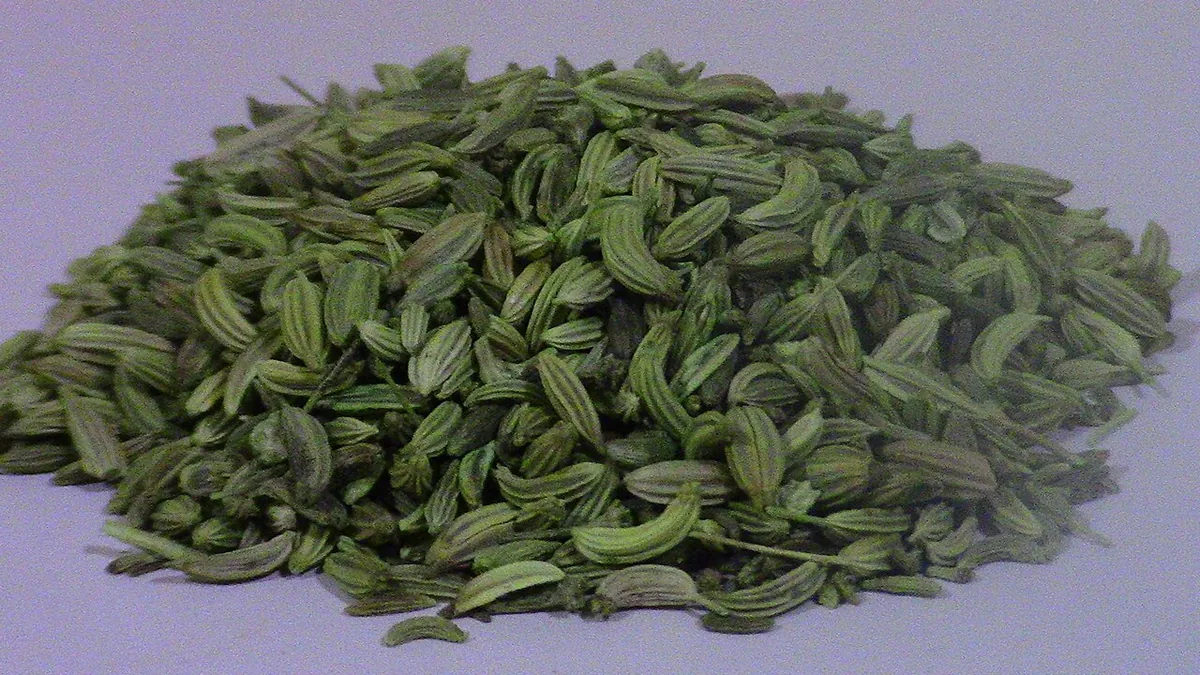
Why do shopkeepers and market forms confuse fennel meaning in Kannada (Sompu) with cumin (Jeerige), caraway (Shajeera), or aniseed (Shatapushpa)? Because elongated ribbed umbellifer seed spices look nearly identical across raw unlabelled grain sacks unless you examine color, sweetness, and botanical family! Use this exact Karnataka bilingual spice verification table before purchasing bulk seed or spice bags:
| English Spice Name | Kannada Script & Pronunciation | Hindi / Trade Name | Botanical Species | Visual & Aroma Key Differences |
|---|---|---|---|---|
| Fennel Seeds | ಸೋಂಪು ಕಾಳು / ಬಡೇಸೋಪು (Sompu / Badisopu) | Saunf / Variali | Foeniculum vulgare | Larger bright-green or pale-yellow-green ribbed seed; sweet refreshing licorice taste |
| Fennel Powder | ಸೋಂಪು ಪುಡಿ (Sompu Pudi) | Saunf Powder | Ground F. vulgare | Sweet greenish-beige aromatic spice dust for masalas, sweets & digestion mixes |
| Cumin Seeds | ಜೀರಿಗೆ (Jeerige) | Jeera | Cuminum cyminum | Slender darker brown-tan seed; strong warm earthy savory curry aroma |
| Carom Seeds | ಓಮ (Oma / Ajwain) | Ajwain | Trachyspermum ammi | Tiny olive-brown oval seed; sharp pungent thyme aroma |
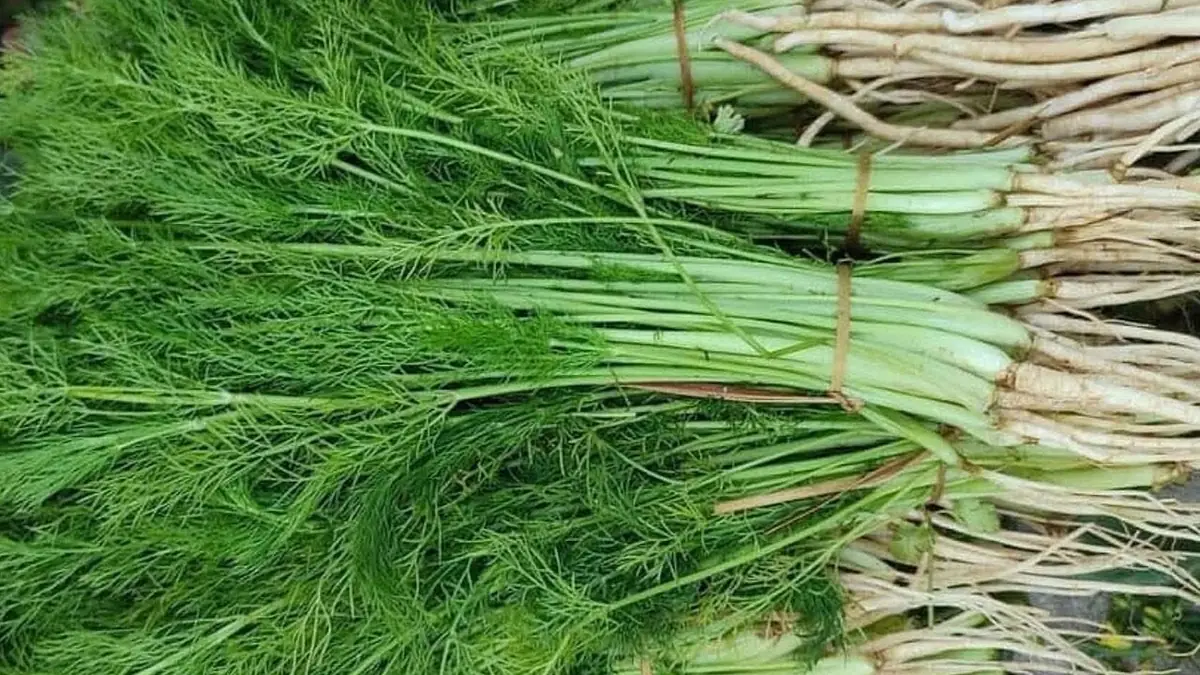
| Dill / Sowa Seeds | ಸಬ್ಬಸಿಗೆ ಬೀಜ (Sabbasige Beeja) | Sowa / Suva | Anethum graveolens | Flat oval winged seed; sharp herbal pickle aroma (common leafy greens in Karnataka) |
| Coriander Seeds | ಕೊತ್ತಂಬರಿ ಬೀಜ (Kothambari Beeja) | Dhaniya | Coriandrum sativum | Round hollow golden-brown globes; mild citrus-warm curry base |
Always cross-check Karnataka kitchen and farm commodity names across our bilingual spice references including Cumin (Jeerige) in Kannada, Cumin agronomy guides, Coriander cultivation tips, Bajra (Sajje) in Kannada, and Cardamom (Elakki) Karnataka benchmarks.
2. Unjha APMC & Karnataka Mandi Price Benchmarks for Sompu / Saunf (Nov 2026)
Whether you call it Saunf in Kannada (Sompu) or Gujarati Variali, India's domestic and international export pricing centers overwhelmingly on APMC Unjha (Mehsana District, Gujarat)—home to Asia's largest seed-spice trading complex alongside Nagaur, Jodhpur, and Sirohi in Rajasthan. Farmers and wholesale Karnataka spice buyers in Bengaluru, Hubballi, and Mysuru track Unjha sortex-clean auctions daily:
- Wholesale Unjha APMC Range: Standard FAQ bulk fennel (Mota / Medium Saunf) generally trades at an indicative ₹12,000 to ₹15,000 per quintal (~₹120 to ₹150 per kg wholesale) as of November 2026, varying sharply with crop supply cycles between historical ₹7,000 floor lows and ₹20,000+ scarcity spikes.
- Emerald Green vs Brown Fade Grades: Sunlight-bleached golden-brown threshed seed trades ₹1,500–₹3,500/qtl cheaper than bright green Abu Road / Lucknowi thin aromatic chewing fennel (often called sweet mukhwas Sompu) which maintains lush emerald chlorophyll via careful shade drying!
- Retail Karnataka Sompu Rates: Cleaned consumer-packed Sompu inside Bengaluru and Mysuru grocery hubs retails around ₹220–₹340/kg after sortex grading, 5% GST packaging, and logistics from Gujarat/Rajasthan mandis—check live APMC arrivals anytime via KisanPe Mandi Rates, Mandi Intelligence, and Mandi Price Watch.
3. Growing Fennel (Sompu) in Karnataka & Semi-Arid India: Varieties & IPM
Although Gujarat and Rajasthan dominate 85%+ of India's fennel acreage, progressive dryland Karnataka districts (Bagalkote, Vijayapura, Koppal, Haveri, and Belagavi black/red loams) increasingly trial winter Rabi fennel as a lucrative rotation alternative after early Kharif moong or urad! Follow recommended production principles curated by ICAR-NRCSS (Ajmer) and Spices Board India:
- Improved ICAR Varieties: Choose high-yielding short-stature lines such as Ajmer Fennel-1 (AF-1), Ajmer Fennel-2 (AF-2), or RF-101 / Gujarat Fennel-12 (GF-12) yielding ~7 to 9 quintals/acre (~18–22 qtl/ha) with rich anethole essential oil (1.6%–2.2%) and strong Ramularia blight tolerance. Calculate exact 4–5 kg/acre nursery/line sowing seed rates cleanly with KisanPe's Seed Rate Calculator.
- Cool Rabi Window (Oct–Nov Sowing): Fennel requires cool vegetative weather (15°C–25°C) followed by warm dry seed-filling air; avoid late December sowing that pushes sensitive umbels into scorching March heatwaves. Prepare weed-free seedbeds cleanly with light rotary tillage and balanced NPK + sulphur checked against our Fertilizer Calculator.
- Aphid, Powdery Mildew & Ramularia Blight Control: Dense fennel umbels attract green/mustard aphids rapidly during cloudy January mornings! Inspect leaves weekly, maintain healthy organic soil humus, apply gentle neem/systemic sprays strictly per Spices Board export MRL guidelines using calibrated sprayers and our spray advisory, and rotate with protective registered fungicides ONLY within pre-harvest safety windows.
4. Harvesting, Shade-Drying & Storage to Preserve Emerald Sompu Color
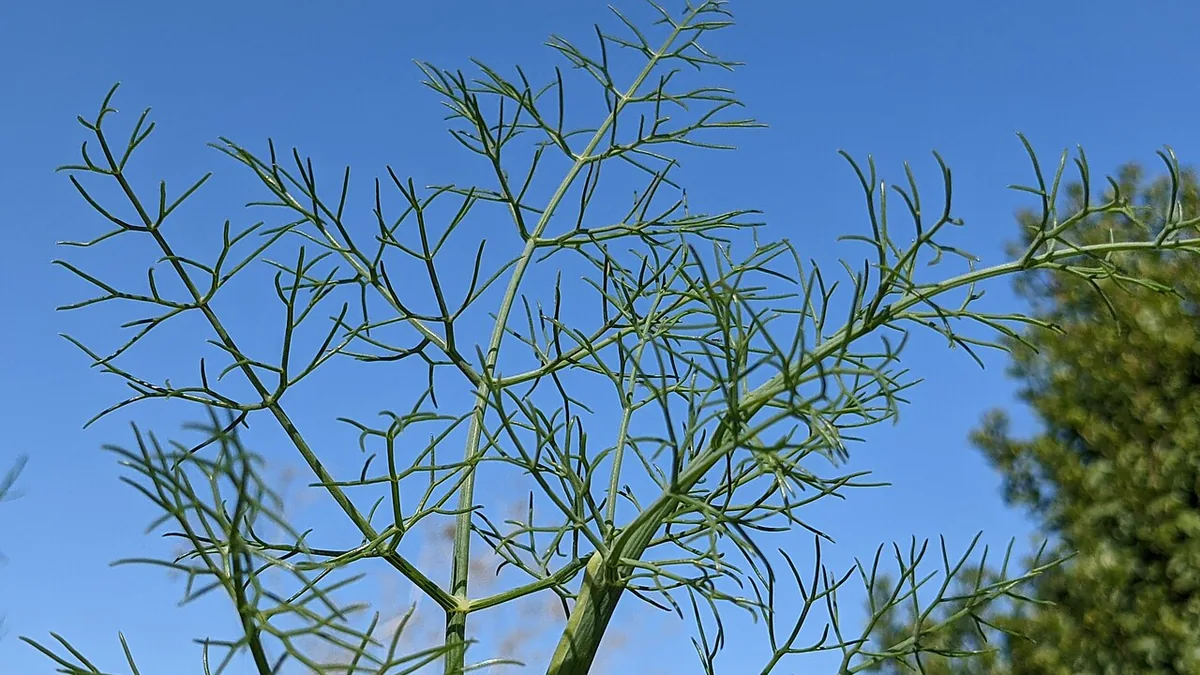
The biggest grading mistake first-time Karnataka or MP growers make is waiting until every field umbel turns brittle golden-yellow in hot sunshine! Instead, harvest fennel sequentially in 2 to 3 selective hand pickings right when primary center umbels reach full plump size but remain bright green. Dry harvested umbels thinly under ventilated shade tarpaulins for 4–5 days (never baking under noon UV rays that bleach emerald oil pigment dull tan!), thresh gently at low drum speeds, sieve out dust and stalk sticks, and store clean <9% moisture seed inside laminated moisture-barrier sacks or accredited rural storage facilities detailed inside our Gramin Bhandaran godown guide. Compare regional selling spreads via e-NAM digital auctions, nearest APMC finder, and seasonal Kisan Credit Card finance alongside full fennel cultivation steps.
5. Karnataka Sompu Medicinal Value, Grading Standards & Export Quality
Across traditional Ayurvedic households and modern Karnataka spice trading hubs (Yeshwanthpur APMC in Bengaluru, Hubballi, Gadag, and Haveri), dried Sompu (Foeniculum vulgare) acts as far more than a post-meal mouth freshener! Rich natural concentrations of trans-anethole, fenchone, and dietary fiber make fennel tea (Sompu Kashaya) a staple postpartum, colic, and summer digestive infusion across both rural and urban southern families. From a commercial trading lens, sorting dried fennel into four transparent wholesale grades maximizes farmer realization: A+ Bold Green Chewing Grade (Abu Road / Lucknowi Type, >7 mm clean) commanding steep ₹160–₹210+/kg wholesale peaks; Standard FAQ Green/Golden Unjha Milling Grade trading broadly within ₹120–₹150/kg for curry powder grinders; Sub-Standard Sun-Faded / Split Grain discounted ₹15–₹25/kg; and clean distillation-grade tailings pressed into valuable food/pharma fennel essential oil (~1.5%–2.2% recovery!).
Remember to handle dried spice storage hygienically inside food-grade lined jute bags atop dry raised dunnage planks rather than bare cement godown floors: because Stegobium paniceum drugstore beetles tunnel rapidly through warm moist fennel sacks once ambient relative humidity crosses 65%, keep moisture firmly below 9.0%, check storage conditions weekly, and obtain proper agricultural mandi weighment receipts or GST spice dispatch slips when moving bulk lots inter-state across Karnataka and Gujarat. Finally, growers investing in drip lines, small gravity spiral cleaners, or FPO spice grading infrastructure can explore low-interest capital lines via our Kisan Credit Card page, track agricultural infra grants on AIF warehouse schemes, and monitor competitive regional spice auction hubs across Karnataka and Rajasthan via KisanPe's subsidy portal and mandi price trend tools. Whether you are a Bengaluru household cook picking fragrant green Badesopu packets at local markets or a northern Karnataka dryland grower testing profitable winter rotation rows, pairing crisp bilingual terminology (Sompu Kalu / Sompu Pudi) with Unjha APMC quality checks locks reliable culinary flavor and better farm economics simultaneously! Furthermore, rural retail spice shopkeepers and progressive kitchen gardeners across Mysuru, Mangaluru, and Belagavi can easily distinguish fresh current-season green Sompu lots from aged warehouse carry-forward bags simply by crushing four or five plump ribbed seeds lightly between fingers—true low-moisture first-picking seeds release an immediate sweet, crisp, sweet-licorice aroma without any dusty damp or woody chaff aftertaste! Maintaining transparent Kannada and Hindi bilingual weight-unit signage (1 kg Sompu versus wholesale 100 kg quintal quotes) helps farmers, FPO traders, and home buyers trade equitably across India's lively regional spice supply chains.
6. Frequently Asked Questions on Fennel Seeds in Kannada (Sompu)
Get instant bilingual clarity on fennel meaning in Kannada, Sompu vs Jeerige culinary distinctions, Unjha APMC wholesale rates per quintal, and Karnataka growing tips.
Frequently asked questions
- What are fennel seeds called in Kannada?
- Fennel seeds in Kannada are called ಸೋಂಪು (Sompu) or ಸೋಂಪು ಕಾಳು (Sompu Kalu), and are also commonly known as ಬಡೇಸೋಪು (Badesopu / Badisopu) across Karnataka homes and spice markets. Ground fennel powder is ಸೋಂಪು ಪುಡಿ (Sompu Pudi)—compare other Karnataka spice terms in our Cumin in Kannada guide.
- What is the difference between Sompu (Fennel) and Jeerige (Cumin) in Kannada?
- Sompu (Fennel / Saunf) consists of plump greenish ribbed seeds with a distinct sweet, cooling anise flavor used in masala curries and mouth fresheners, whereas Jeerige (Cumin / Jeera) is slender, brownish-tan, and carries a warm earthy savoriness essential to tadka and sambhar powders.
- What is the wholesale price of fennel seeds (Sompu / Saunf) in India in 2026?
- At India's flagship Agmarknet benchmark market (Unjha APMC, Gujarat), indicative wholesale fennel prices span roughly ₹12,000 to ₹15,000 per quintal (₹120–₹150/kg), while emerald green sortex chewing fennel and retail packs trade higher—track trends via KisanPe Mandi Rates.
- Can farmers grow fennel (Sompu) profitably in Karnataka?
- Yes—well-drained black and red loams in northern Karnataka districts like Bagalkote, Koppal, and Vijayapura grow Rabi fennel smoothly between October and March using improved ICAR-NRCSS Ajmer varieties such as Ajmer Fennel-2 (AF-2); review full crop timelines in our fennel cultivation guide.
- Why do emerald green Sompu seeds sell faster than brown sun-dried seeds?
- Intense harsh sunlight bleaches protective leaf-green seed chlorophyll pigments brown; harvesting plump mature green umbels early and drying under shaded airflow retains vibrant emerald export color and higher volatile anethole aroma.
- What is Sompu Pudi and how is it used in Karnataka cooking?
- Sompu Pudi (fennel powder) is finely ground roasted/raw Sompu used widely across Karnataka masala pastes, meat/biryani spice rubs, herbal digestive teas (kashaya), and sweet festive laddus.
- How much seed rate is required per acre to plant fennel crop?
- Direct line sowing needs roughly 4 to 5 kg per acre of clean certified seed (or ~1.5–2 kg/acre if raising nursery transplants first), spaced cleanly at 45–60 cm row widths—calculate seed quantities accurately with our Seed Rate Calculator.
- Which export standards apply when selling clean Indian fennel?
- Exporters registered with Spices Board India require clean sortex purity (<1%–2% foreign matter), <10% moisture, zero pesticide residue violations, and natural dried color free from artificial dye adulteration.
This article is for general information only and is not financial advice. Loan and scheme eligibility depends on partner and government criteria.