Ghazipur Phool Mandi Delhi: Timings, Flowers & DAMB Guide
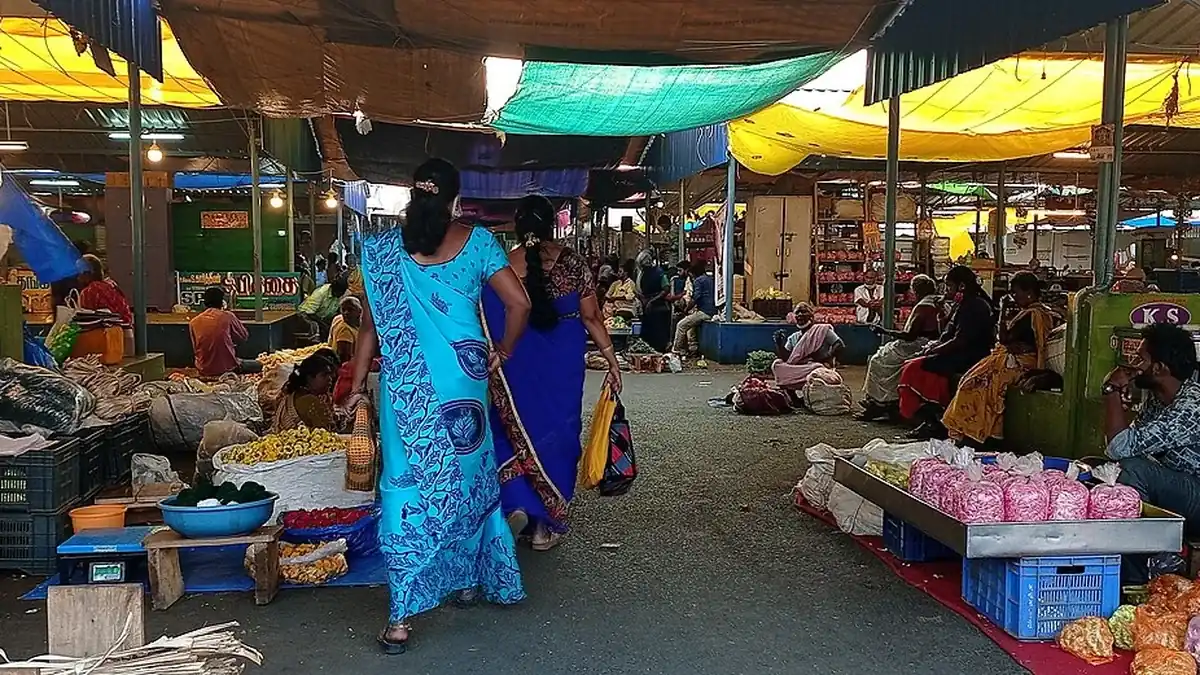
Key takeaways
- Peak Auction Window: Wholesale grower auctions hit maximum velocity from 3:00 AM to 6:00 AM; arrive prior to 04:30 AM for prime stem selection or top buyer bids.
- DAMB Regulated Hub: Governed under the Delhi Agricultural Marketing Board framework alongside adjacent Ghazipur Vegetable, Fruit & Murga trading yards.
- Three Primary Floral Streams: Loose traditional garlands (marigold, rose petals, jasmine), domestic field/polyhouse cut stems (tuberose, chrysanthemum, aster, Dutch rose), and cold-chain exotics (lilies, orchids, carnations, anthuriums).
- Farmer Supply Corridors: Heavy daily arrival trucks run overnight from Hapur, Bulandshahr, Meerut, Saharanpur, Sonipat, Pushkar, and Bengaluru air freight.
- Packing Determines Margin: Pre-chilled, uniform-length 20-stem newspaper sleeves and ventilated baskets command crisp premiums over tangled gunny sacks.
Situated on the eastern border of Delhi along NH-24 / Ghazipur Dairy Farm road, Ghazipur Phool Mandi stands as North India’s premier wholesale flower trading exchange regulated by the Delhi Agricultural Marketing Board (DAMB) (delhi.gov.in). Every morning long before sunrise—peaking intensely between 3:00 AM and 6:00 AM within an active wholesale window stretching roughly 3:00 AM to 11:00 AM—flower farmers from Western Uttar Pradesh, Haryana, Uttarakhand, Himachal Pradesh, and Bengaluru air-cargo suppliers auction tonnes of marigold (genda), desi & Dutch roses, jasmine (mogra), tuberose (rajnigandha), chrysanthemums, and exotic cold-chain lilies and orchids.
Whether you are a smallholder scheduling harvest tempos for festive auctions or an NCR event florist seeking farm-direct morning grading clarity, mastering Ghazipur’s three distinct trade tiers—open loose-flower auction platforms, cold-room polyhouse stem stalls, and decorative foliage lanes—protects profit margins sharply. Explore allied East Delhi produce markets in our Ghazipur Wholesale Mandi overview, Keshopur Sabzi Mandi guide, and flower crop production practices on Cosmos seeds and Zinnia seeds.
Ghazipur Phool Mandi timings, DAMB governance & morning auction rhythm
Timing dictates everything inside Ghazipur Phool Mandi (gazipur phool mandi). Unlike mid-day grain exchanges that open at 10:00 AM, perishable floral physiology demands cool pre-dawn transactions before NCR ambient temperatures climb past 25–35°C. Regulated under DAMB (Delhi Agricultural Marketing Board) oversight (delhi.gov.in), incoming pickups and Tempo vans from Western UP, Rajasthan, and Haryana unload crates between 01:30 AM and 03:30 AM.
Bulk wholesale bidding surges between 3:00 AM and 6:00 AM, as major wedding decorators, hotel florists, and regional NCR retail cart buyers snap up prime A-grade Dutch roses, clean dry genda baskets, and boxed Karnataka carnations. Between 6:30 AM and 11:00 AM, secondary clearing sales wrap up across perimeter stalls before midday heat forces unsold loose stock into rapid markdowns. Monitor seasonal produce market linkages across Delhi NCR via KisanPe Mandi Rates and Anaj Mandi Arrival Guidelines.
| Time Window (IST) | Market Activity Inside Ghazipur Phool Mandi | Guidance for Growers vs Buyers |
|---|---|---|
| 01:30 AM – 03:00 AM | Arrival unloading from UP, Haryana, Rajasthan & Airport cargo | Growers check into licensed arhatiya platforms & remove transit covers |
| 03:00 AM – 06:00 AM | Prime Wholesale Auction & Bulk Decorator Buying | Peak price realisation for fresh A-grade blooms & widest exotic inventory |
| 06:00 AM – 11:00 AM | Late retail / neighbourhood vendor replenishment & clearing | Ideal for small local buyers; prices soften sharply on bruised loose petals |
| Festive Days (Diwali / Navratri / Weddings) | Expanded 24-hr arrival staging & overflow marigold lanes | Book unloading bays early & double-check damp dew prevention during transit |
Flower varieties traded at Ghazipur: loose garlands, cut stems & cold-chain exotics
Walking the tiered platforms reveals distinct botanical specialisation that growers can target strategically across seasons:
First, Domestic Loose & Garland Blooms form the immense volume backbone of Ghazipur—led by sunny orange and yellow Marigold (Genda) (African Tagetes erecta and French Tagetes), traditional scented Desi Red & Pink Rose, fragrant Mogra (Jasmine), Chrysanthemum (Guldawadi), and summer Aster. Compare open-field production steps for top-selling marigold varieties in our African Marigold Farming Guide.
Second, Domestic Polyhouse & Open-Field Cut Stems supply florists and NCR hotels year-round: long-stemmed Dutch Roses shipped from Pune, Bengaluru, and NCR polyhouses; fragrant double & single Rajnigandha (Tuberose) stalks from West Bengal and UP; plus colourful filler annuals grown from Cosmos seeds and Zinnia seeds. Third, Exotic & Imported Stems—including Oriental & Asiatic Lilies, Dendrobium & Phalaenopsis Orchids, standard Carnations, Anthuriums, and winter Tulips—trade out of climate-controlled stalls flanked by cut ferns, asparagus, and green dracaena fillers.
- Marigold Crate Grading: Keep yellow Inca orange and bright Calcutta lemon varieties cleanly separated inside rigid ventilated crates—mixed crushed baskets take 15%–25% broker penalties.
- Desi Rose Harvest Moisture: Never sprinkle heavy splash water over rose bags right before unloading—excess surface dew triggers dark Botrytis petal browning within 4 hours.
- Stems Packing Discipline: Strip lower thorns/foliage cleanly from the bottom 15 cm of rose and chrysanthemum stems before boxing in corrugated vents.
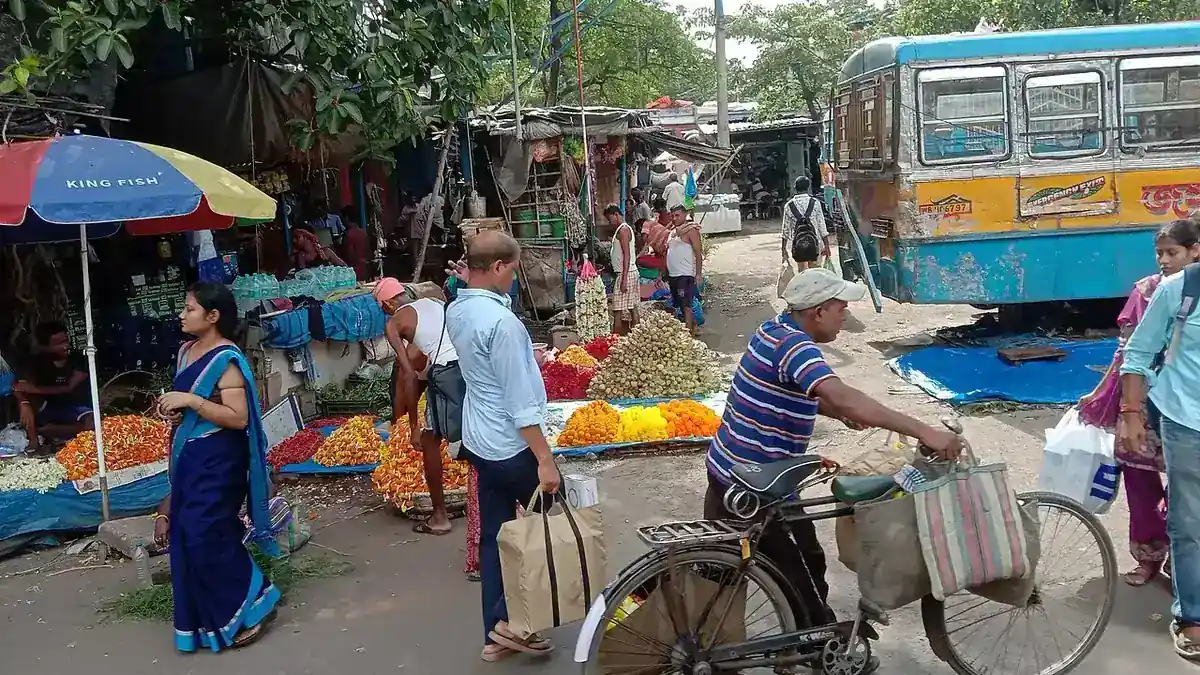
Farmer preparation checklist: maximizing net realisation at Ghazipur auctions
Farmers transporting flowers 60 to 250 km overnight from Bulandshahr, Aligarh, Kannauj, Rohtak, or Pushkar routinely leave money on the concrete floor due to rushed afternoon picking. Cutting blooms strictly in cool pre-dusk or dawn hours, resting freshly bunched cut stems in clean cold water with minimal sugar/citric hygiene before sunset packing, and timing dispatch for 02:30 AM gate arrival places crisp turgid petals in front of top-paying decorators at peak bidding hour.
Track weather shifts affecting NCR wedding & festive consumption via KisanPe Weather Advisory, compare nearby Delhi produce market logistics in Keshopur Mandi Delhi and Najafgarh Anaj Mandi, and verify horticulture cold-chain subsidies under National Horticulture Board schemes linked through our Agriculture Subsidy Hub.
Location, metro access, neighbouring yards & financial planning for flower growers
Located directly off the Delhi–Meerut Expressway / NH-24 near the Anand Vihar border and accessible conveniently via East Delhi’s Anand Vihar ISBT / Kaushambi / Mandawali–West Vinod Nagar transit corridors, Ghazipur Phool Mandi shares infrastructure adjacency with Ghazipur Subzi Mandi and the regulated Ghazipur Poultry / Murga Mandi. Smallholders scaling into polyhouse rose or gerbera floriculture should model term-loan costs and subsidy eligibility cleanly with KisanPe Crop Income Calculator, Horticulture Insights, and KCC Capital Credit Rules.
Cold-chain polyhouse profitability, Kisan Credit Card working capital & festive calendar tips
Commercial flower farms within a 150 km radius supplying Ghazipur Phool Mandi generate dramatically smoother cash flow when staggering planting across three clear seasonal peaks: Shradh-to-Diwali loose marigold surges (September–November), North Indian wedding winter peaks (November–February roses, lilies, rajnigandha, orchids), and early-summer temple demand (March–May jasmine/mogra). Rather than planting 100% single-day harvests, staggered 15-day block sowings match weekly florist procurement rhythms cleanly.
Smallholders scaling polyhouses, shade nets, cold rooms, or drip beds for flower deliveries to NCR can check subsidy options on KisanPe Subsidy Calculator, fund working capital for nursery plugs and crates through KCC Horticultural Limits, and compare real-time regional horticulture insights inside our Crop Income Calculator and Flower Spray Safety Calculator.
- Pre-Cool Cut Stems Overnight: Placing cut blooms into 4–6°C cool sheds (or shaded damp evaporative chambers) between 05:00 PM and departure cuts petal respiration heat buildup.
- Avoid Ethylene Exposure: Never share overnight transport trucks hauling ripe apples, bananas, or onions with delicate roses or orchids—natural ethylene gas triggers overnight petal drop.
- Strict Crate Tagging: Label grower mobile code cleanly on corrugated sleeves so reliable Ghaziabad/Noida florists request repeat direct-farm lots.
Post-harvest floral conditioning, preservative hydration solutions & transit weight math
Growers travelling 100–250 km overnight from Western UP or Rajasthan flower villages into Delhi’s Ghazipur Phool Mandi routinely lose 15%–25% of morning buyer value not on field quality, but during careless post-picking transit. Cut flowers remain living respiring tissues that burn stored carbohydrates three times faster once stems sit unshaded in warm afternoon piles. Within 30 minutes of harvest, place cut Dutch rose, tuberose, cosmos, or zinnia stems cleanly into shaded cool buckets holding filtered clean water dosed lightly with household sugar (1%–2% energy boost) and an approved mild acidifier keeping water pH near 4.0–4.5.
For loose garland marigold (genda) blooms hauled inside plastic crates or bamboo baskets, avoid piling heavy layers over 45 cm deep—lower blooms bruise under weight, blackening quickly before the 03:00 AM–06:00 AM wholesale bidding peak. Track live regional market alerts cleanly across Ghazipur Market Complex, Keshopur Mandi, and KisanPe Mandi Intelligence.
- Pre-Dawn Harvest Timing: Pick loose flowers at daybreak or cool late dusk—never under harsh 13:00–15:30 heat waves.
- Clean Crate Lining: Line woven bamboo baskets or rigid plastic crates lightly with damp clean cotton cloth or perforated paper rather than dripping banana leaves that stain yellow marigold petals.
- Transparent Auction Recording: Note basket net weights at farm loading before passing through DAMB yard arhatiya scales.
Seasonal diversification across chrysanthemum, tuberose, aster & ornamental foliage
Successful NCR floriculture units treat Ghazipur not as a single-flower seasonal gamble, but as a structured 12-month supply calendar balancing fast-turnaround Cosmos and Zinnia beds with autumn marigolds and winter polyhouse roses. Model nursery capex, drip infrastructure, and seasonal working capital neatly via Horticulture Hub and Crop Income Calculator.
Adding durable green cut-foliage filler strips—such as Asparagus sprengeri, golden duranta, palm fronds, and Song of India cuttings—along outer polyhouse borders creates steady extra morning auction income during dull mid-summer wedding lulls when fragile cut roses overheat rapidly. Cross-check regional Delhi nursery & irrigation subsidies via AI Scheme Finder and safeguard plant health via Crop Protection Guides.
For broader financial, market, and crop-planning continuity alongside ghazipur phool mandi, farmers across India also consult KisanPe resources including KisanPe Mandi Price Trends, Mandi Price Watch, Best Mandi Near Me Finder.
- Match Staggered Sowing Blocks: Divide irrigated flower beds into 4 sequential 15-day sowing blocks to supply uniform morning bouquets weekly.
- Retain Broker Weight Slips: Match farm crate count against daily DAMB arhatiya settlement slips every morning at unloading.
Frequently asked questions
- What are the best wholesale timings for Ghazipur Phool Mandi in Delhi?
- Peak wholesale grower arrivals and bulk auctions happen between 3:00 AM and 6:00 AM. Overall trading generally stretches from 3:00 AM to roughly 11:00 AM, though late morning brings reduced variety and lower wholesale freshness. Compare nearby Delhi market hours in Ghazipur APMC Hub.
- Who regulates and manages Ghazipur Phool Mandi?
- The market operates under the statutory Agricultural Produce Market Committee framework supervised by the Delhi Agricultural Marketing Board (DAMB) via delhi.gov.in, alongside Agmarknet market surveillance (agmarknet.gov.in).
- Which flower varieties are commonly auctioned at Ghazipur Phool Mandi?
- Growers and florists trade loose yellow/orange marigold (genda), desi and Dutch roses, jasmine (mogra), tuberose (rajnigandha), chrysanthemum, aster, decorative green fillers, plus exotic lilies, orchids, carnations, and anthuriums. Explore field marigold practices in African Marigold Farming.
- How do flower farmers get higher prices when supplying Ghazipur wholesale yards?
- Harvest early morning or cool evening, grade petal colours cleanly, trim bottom leaves off cut stems, pack inside corrugated boxes or rigid ventilated crates (avoid compressed gunny sacks), and arrive prior to 03:00 AM. Review floriculture crop budgets on KisanPe Horticulture Hub.
- Which nearby flowers are suitable for seasonal supply to NCR markets like Ghazipur?
- Fast-turnaround cut annuals such as Cosmos bipinnatus, Zinnia, and hybrid marigolds turn farm plots cleanly within 60–80 days for Western UP and Haryana suppliers.
- Are vegetables and poultry sold in the exact same shed as Phool Mandi?
- No—while located in the broader Ghazipur APMC complex on Delhi’s eastern border, the dedicated Phool Mandi holds specialised flower platforms separate from Ghazipur Sabzi Mandi and Murga Mandi.
- When do marigold and rose demand spike sharpest during the year?
- Demand surges sharply around Dussehra, Diwali, Chhath Puja, Valentine’s Week, and peak North Indian winter-spring wedding dates from November through February.
- Can outstation buyers purchase single retail garlands at Ghazipur Phool Mandi?
- Yes—later morning hours (6:30 AM–10:30 AM) see many semi-wholesale and retail vendors selling single bundles, flower garlands (mala), and mixed bouquets at significant discounts vs inner-city retail florists.
- Where is Ghazipur Phool Mandi situated and what metro stations sit closest?
- Ghazipur Phool Mandi sits cleanly along NH-24 / Ghazipur Dairy Farm border in East Delhi near Anand Vihar ISBT and Kaushambi transit corridors—confirm yard administration circulars on delhi.gov.in and market rates via KisanPe Mandi Rates.
- How do small UP and Haryana farmers receive payments at Ghazipur Phool Mandi?
- Regular growers sell via registered DAMB market commission agents (arhatiyas), receiving printed auction sales receipts settled via cash/bank transfer—keep documented harvest sale slips handy to demonstrate commercial turnover on KCC loan renewals.
This article is for general information only and is not financial advice. Loan and scheme eligibility depends on partner and government criteria.