Lahsun Ka Bhav & Garlic Grading Guide: Malwa, Kota & Export
Key takeaways
- Wide 3x–5x Auction Grade Dispersion: Fresh damp mud bulbs (Geela Kaccha) sell sharply below crisp dry papery-white Box-grade (Phool / Jumbo Gola >50 mm) bulbs on the identical morning.
- Three Regional Benchmark Champions: South Indian Ooty-1 anchors winter green early-box exports, MP Riyawan Silver wins shelf storage longevity, while G-282 / Yamuna Safed anchor high productivity.
- Mandatory 20–30 Day Shaded Curing Rule: Hanging fresh garlic bundles in airy shade seals papery skins tightly & trims 2 cm neck caps cleanly, halting green storage mould.
- Realistic 20%–30% Off-Season Shrinkage Math: Storing cured garlic from April through October naturally drops gross bulb moisture weight cleanly by ~25% — factor true net weight before holding!
Checking lahsun ka bhav (aaj ka lahsun ka bhav across Mandsaur, Neemuch, Indore, Kota, Chipabarod, and Delhi Azadpur) reveals one stunning truth: unlike wheat or mustard where all FAQ bags trade inside a narrow ₹150/qtl band, garlic bulbs regularly split across a massive 3x to 5x price gap on the exact same auction floor! Verified auction spreads tracked on agmarknet.gov.in & mpkrishi.mp.gov.in depend cleanly on cultivar skin strength (Ooty-1 vs Riyawan Silver vs G-282), 20–30 day post-harvest shade curing, bulb size grading (Phool-Gola >50 mm vs Laddu vs Chharri), and shelf life (Mandsaur Market Guide & Neemuch Mandi Report).
Because KisanPe strictly refuses inventing fake daily live garlic prices, examine the exact size grading screens, NHRDF seed cultivar economics (nhrdf.org), storage weight-shrinkage math, and mandi invoice rules separating profitable Malwa-Hadoti growers from panicked distressed sellers.
Why Lahsun ka bhav splits 3x–5x on the same auction table: Cultivar & Bulb Size Grades
Stand beside auctioneers inside Neemuch, Mandsaur, Kota-Chipabarod, or Indore Choithram Mandis and watch buyers scoop right into open burlap sacks checking three instant visual cues before calling out lahsun ka bhav (Mandsaur Auction Hub & Indore Market Directory)! First is variety skin whiteness & pungent oil: Riyawan Silver (traditional Malwa GI-renowned pungent cultivar) and large multi-clove Ooty-1 hold sparkling silvery paper coats and crisp spicy cloves—earning distinct export box bids above dark yellow-tinted small Deshi (Garlic Farming Guide & Lahsun Setup Hub).
Second is dryness (Geela vs Pakka): February–March wet freshly lifted bulbs evaporate nearly half their fresh stem water inside transit trucks cleanly costing traders heavy weight losses, so damp bulbs absorb sharp moisture deductions until fully cured for 20–30 days in shaded sheds (nhrdf.org)! Third is diameter grading: separating jumbo Box-Grade Phool-Gola (>50 mm) clean away from mid Laddu (35–50 mm) and tiny seed Chharri (<25 mm) maximizes buyer competition immediately cleanly.
| Garlic Auction Grade / Lot | Physical Bulb Traits & Clove Spec | End Buyers & Shelf-Holding Profile |
|---|---|---|
| Phool / Jumbo Gola Box (>50 mm) | Plump snowy intact outer coats (dry rustling paper), large firm cloves | Metro supermarket boxes, export containers & top restaurant chains |
| Laddu / Super Medium (35–50 mm) | Uniform medium-bold silvery cured bulbs without open cracked skins | National wholesale urban Sabji Mandis (Delhi Azadpur, Mumbai, Chennai) |
| Chharri / Medium Small (<35 mm) | Small healthy sound cloves, low spoilage when cured dry below 65% RH | Household rural kiranas, pickle factories & autumn replanting seed splits |
| Kaccha / Geela & Fut/Dantri Damaged | Muddy damp un-cured stalks OR loose split shattered cloves / yellowed rot | Instant local quick-peel paste & dehydration factories at sharp discount (Mandi Hub) |
NHRDF varieties (G-282, Bhima Omkar, Riyawan) & defeating field Basal Rot / Thrips
Good aaj ka lahsun ka bhav realization starts six months before threshing right at October clove selection (nhrdf.org)! Planting disease-clean plump cloves from NHRDF Yamuna Safed-3 (G-282 bold milky-white high bulb weight), Riyawan Silver (superior storage longevity), or DOGR Bhima Omkar cleanly dressed with Carbendazim + Mancozeb or Trichoderma halts devastating winter purple blotch and basal root rot before bulbs stain ugly amber (Mancozeb M-45 Protection).
Monitor garlic thrips (pale silvery leaf streaks sucking bulb sap during February–March heat) weekly via yellow sticky cards and Spray Window Advisories, calibrate nitrogen tapering off strictly 25 days before harvesting so necks dry papery tight, and compare state-wise arrivals seamlessly across Mandi Price Watch and Mandi Analytics.
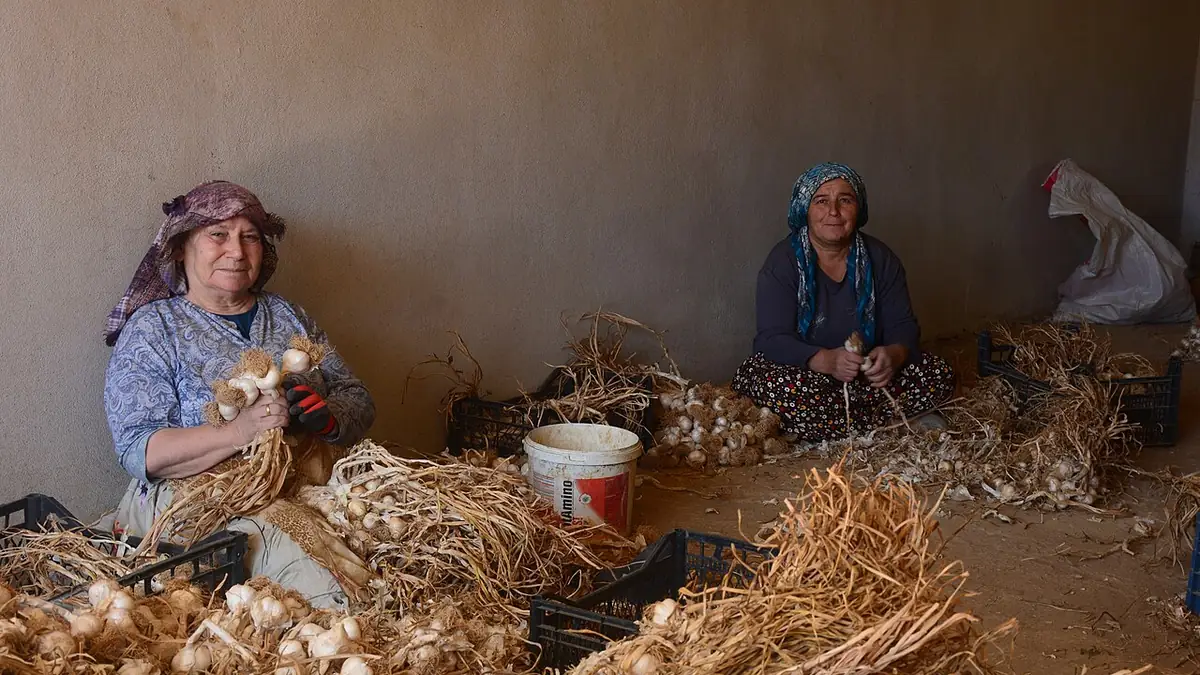
- 2 cm Protective Stem Cap Rule: After curing under bamboo shade 20–30 days (never baking in scorching noon sun which boils cloves rubbery!), clip dry roots & leaves cleanly leaving 2 cm papery neck collars sealing cloves cleanly.
- Never Mix Unsorted Sizes In One Gunny: Auction buyers bid strictly to the weakest smallest bulb inside mixed bags! Sorting Gola from Chharri cleanly adds genuine extra profit effortlessly.
- Track Rajasthan Hadoti & China Supply Alerts: Watch Kota, Baran & Chhipabarod arrivals right beside Indore/Mandsaur and verify true return margins on Income Calculator.
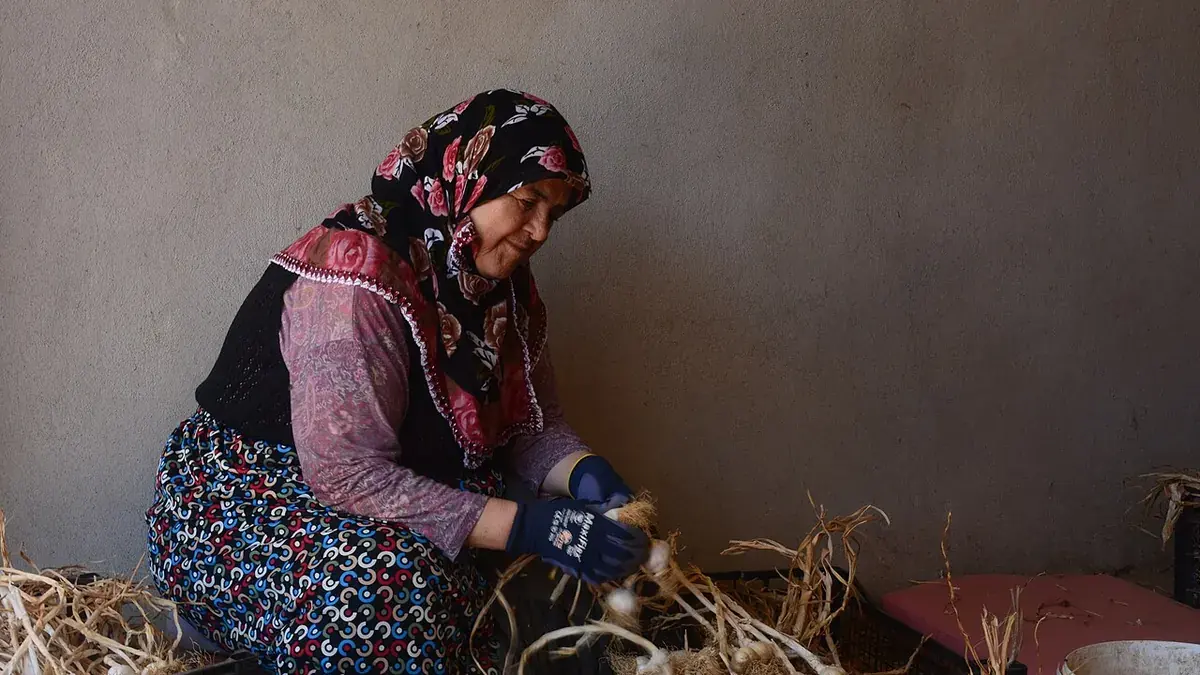
Real farm curing & storage math: accounting for 20%–30% off-season dry weight loss
Should growers hold sound cured Deshi / Riyawan garlic cleanly suspended on shaded breathable bamboo racks (taad) through October instead of selling at April peaks? Calculate your honest shrinkage breakeven point first! Even under cool airy village sheds free of fungal black-mould condensation, natural moisture evaporation and papery outer tunic shedding shrink 100 kg of crisp April cured garlic down into ~70–78 kg cleanly by October (~22%–30% natural dry weight shrinkage)! Therefore, waiting calmly until October ONLY raises farm wealth when off-season price climbs reliably exceed 35%–40%—and pairing clean inventory with subsidised 4% KCC Working Credit stops panic seasonal dumping.
Verifying clean weighment slips, commission limits & e-NAM auction transparency
Across notified Krishi Upaj Mandis (agmarknet.gov.in), regulated yard commission rules protect growers strictly against unauthorized flat-rate bag deductions (Karda / Mud cuts)! Inspect electronic weighbridge tickets personally (Toul Parchi), check signed auction rate slips (Anubandh Parchi) before moving heaps, and compare distant metro wholesale rates clearly via Mandi Checking Guide cleanly.
Seasonal arrival waves across Madhya Pradesh, Rajasthan & South India garlic belts
Predicting multi-month shifts in lahsun ka bhav becomes remarkably logical once farmers trace how India’s regional garlic harvests replace each other along a crisp calendar conveyor belt (agmarknet.gov.in)! South Indian hill estates around Nilgiris, Kodaikanal, and Wayanad harvest sharp fresh white cloves (Ooty-1) during autumn/early winter fetching early festive rates cleanly until February, when massive northern Malwa-Hadoti arrivals (Mandsaur, Neemuch, Ratlam, Ujjain, Kota, Chhipabarod accounting for >60% national supply!) surge sharply onto mandi auction tables (Mandsaur Arrivals Hub & Neemuch Auction Report)!
Whenever heavy February–March wet harvests flood local platforms (pushing damp Kaccha prices down sharply), seasoned exporters and regional cold-traders quietly stack crisp dry-cured Riyawan Silver & Yamuna Safed-3 (G-282) lots inside dry bamboo ceiling barns (taad) anticipating leaner August–November wedding & monsoon demand! Monitor weekly mandi truck counts transparently via All-India Mandi Rates and Mandi Price Watch cleanly. Combining disciplined dry curing with staggered lot dispatches prevents localized peak-harvest traffic drops while capturing steadier autumn returns.
- Avoiding Chinese Smuggling & Import Rumor Panics: Verify real customs alerts cleanly rather than reacting to fake social posts claiming sudden import floods across Kolkata/Mumbai mandis.
- Clean Box vs Loose Gunny Packing Premium: Pre-grading clean bold Phool (>50 mm) into crisp 20–25 kg cardboard cartons protects white outer papery tunics cleanly against heavy crushing transit bruising on south-bound trucks.
- Compare Fresh Sowing Clove Costs Ahead of October: Rising autumn Chharri/Medium seed-clove prices often trigger sharper acreage expansion in November—track seeding intentions early via Garlic Farming Guide.
Value-added dehydrated garlic flakes, peeled cloves & farmer FPO cold-chain profit options
Small bulbs under 25 mm (Chharri) and lightly bruised harvest splits (Dantri) frequently sell at brutal steep discounts inside bulk wholesale vegetable markets—yet Gujarat’s Mahuva (Bhavnagar) and Madhya Pradesh’s Malwa dehydration plants turn clean washed Chharri effortlessly into dehydrated garlic flakes, powder, and frozen paste sachets exported globally (apeda.gov.in)! Progressive FPO clusters grading harvest mechanically on farm can sell bold snowy cartons to city brokers (at top fresh mandi bids) while contracting Dantri/Chharri rejects straight to industrial spice grinders cleanly (FPO Margin Tool). Separating small firm clean seed bulbs early for neighboring growers also opens lucrative local autumn planting revenue without mandi haulage fees.
Nutrient balancing: why excess late nitrogen causes bulb splitting, green sprouts & weak shelf life
Want every lifted April bulb to store firm silvery white cleanly until Diwali? Watch nitrogen discipline sharply after 60 days post-planting (nhrdf.org)! Dumping late heavy Urea into February garlic beds triggers lush green leaf regrowth cleanly splitting protective dry wrappers (witch-brooming / dantri splitting) while feeding soft bacterial bulb rot inside summer storage sheds! Switch smoothly past bulb-initiation strictly onto clean Sulphur + Potash (0-0-50 SOP or Gypsum) verified via Fertilizer Dose Tool cleanly. Stopping drip water gently two weeks ahead of lifting builds crispy dense papery coats that survive months effortlessly.
Storing well-cured Deshi Riyawan and G-282 garlic gently suspended above dry earthen barn breezes keeps pungent clove density intact into late monsoon weddings, letting growers capture meaningful seasonal spreads without panic spring unloading. Pairing clean bulb grading carefully with e-NAM mandi price intelligence protects farm returns cleanly across every harvest. Checking weekly Malwa and Hadoti truck arrivals alongside NHRDF clean seed selection turns seasonal garlic price swings into calculated household wealth steadily year after year cleanly across rural farmholds. Inspecting empty trolley tare tickets personally at mandi weighbridges before signing electronic auction slips prevents hidden weight discrepancies while preserving hard-earned bulb revenue smoothly throughout peak summer markets. Separating bruised split cloves promptly for dehydration factories preserves pure snowy box grades across Mandsaur auction tables cleanly without seasonal markdowns. Always store clean winter harvest bags neatly on elevated slatted racks checking weekly shed humidity carefully during wet August winds so fungal mould never dulls pearly cloves before winter planting arrival surges across central farms and neighboring Rajasthani vegetable auctions while sustaining uniform buyer trust cleanly.
For broader financial, market, and crop-planning continuity alongside lahsun ka bhav, farmers across India also consult KisanPe resources including KisanPe Mandi Price Trends, Best Mandi Near Me Finder, Mandi Market Intelligence Services, Crop Insights Hub, All-India Mandi Bhav Guide, Anaj Mandi Arrival & Auction Guide, Gehu Ka Bhav Commodity Report.
Frequently asked questions
- Why can two garlic lots sell 3x apart in price on the exact same mandi day?
- Because bulb diameter (>50 mm Phool-Gola Box vs <30 mm Chharri), moisture curing (dry 20–30 day shade cured vs damp wet digs), unbroken papery skin cleanliness, and variety (Ooty-1 / Riyawan Silver) determine export & retail usability (Mandsaur Mandi Guide).
- Which Indian mandis anchor daily wholesale Lahsun ka bhav price discovery?
- Malwa-Mewar giants Mandsaur, Neemuch, and Indore (MP) paired with Kota-Chhipabarod (Rajasthan) anchor national supply, mirrored daily on Agmarknet (Neemuch Hub).
- How should farmers harvest and cure garlic before hauling to auction floors?
- Stop irrigation 15 days prior, shade-cure lifted bundles cleanly 20–30 days (shielded from direct harsh midday sunburn) until stems dry papery crisp, and clip keeping 2 cm protective neck collars (Garlic Farming Hub).
- Why do damp freshly dug February bulbs suffer heavy mandi deductions?
- Wet green necks evaporate rapid sap weight during highway transport and rot quickly inside closed plastic bags—buyers deduct steeply for excess mud moisture (Lahsun Field Guide).
- How much weight does stored garlic lose between April harvesting and October festive markets?
- Clean shaded bamboo-rack storage loses approximately 20% to 30% gross weight via natural moisture respiration & skin peelings—ensure anticipated seasonal price appreciation safely beats shrinkage plus interest via Income Tool.
- Which high-yielding varieties does NHRDF recommend for bold white Indian garlic?
- NHRDF highlights bold white Yamuna Safed-3 (G-282), Yamuna Safed-4 (G-323), alongside prized regional Riyawan Silver and Ooty-1 (Price Trends).
- Can farmers store garlic longer if nitrogen fertilizers are stopped late season?
- Yes—halting excessive late urea top-dressing 30 days pre-harvest produces tight crisp double skins resisting storage splitting & neck rot far longer.
- Does PM-KISAN or KCC cover working credit while holding garlic off-season?
- Farmers use concessional KCC Seasonal Credit (~4% effective prompt repayment) cleanly to pay harvest expenses without distressed bottom-price sales.
- Why do late February urea applications worsen stored garlic splitting and winter rot?
- High late nitrogen sparks soft green inner cloves splitting protective dry outer husks (Dantri), welcoming green mould cleanly into monsoon storage barns (Fertilizer Dose Plan).
- Which industrial buyers purchase damaged Dantri or small <25 mm Chharri garlic lots cleanly?
- Garlic dehydration factories (producing crisp white flakes & powder across Gujarat/MP) contract graded Chharri and split cloves cleanly keeping clean farm yard waste low (Income Tool).
This article is for general information only and is not financial advice. Loan and scheme eligibility depends on partner and government criteria.