Turmeric Price Today: Mandi Grading, GI Hubs & Curcumin
Key takeaways
- India Global Market Dominance (PIB): India accounts for over 75% of global turmeric production and more than 62% of world turmeric trade, cultivating haldi across 20+ states led by Maharashtra, Telangana, Karnataka, and Tamil Nadu.
- National Turmeric Board Export Push: Established with its headquarters in Nizamabad, Telangana under the Ministry of Commerce and Industry, the National Turmeric Board targets USD 1 billion in Indian turmeric exports by 2030.
- How Spot Mandi Lots Are Priced: Rather than one flat rate, Agmarknet and e-NAM auctions price cured dry fingers (phali), mother rhizome bulbs (gatha/gattu), unpolished organic lots, double-polished lots, and raw fresh rhizomes separately based on curcumin percentage and dry moisture.
- GI Curcumin Benchmarks (Spices Board / Research Studies): Registered GI varieties command structural quality premiums—such as Erode Manjal (2.5%–4.5% curcumin), Sangli Turmeric (2.2%–4.5%), Kandhamal Haladi (2.5%–3.5%), and Wardha’s deep-orange Waigaon Turmeric (up to 5.5%).
- FSSAI & AGMARK Export Compliance: Statutory whole-turmeric moisture is capped at 12.0% by weight (commercial export contracts tightly prefer ≤10%), while toxic lead chromate and artificial metanil-yellow colouring must test strictly Negative.
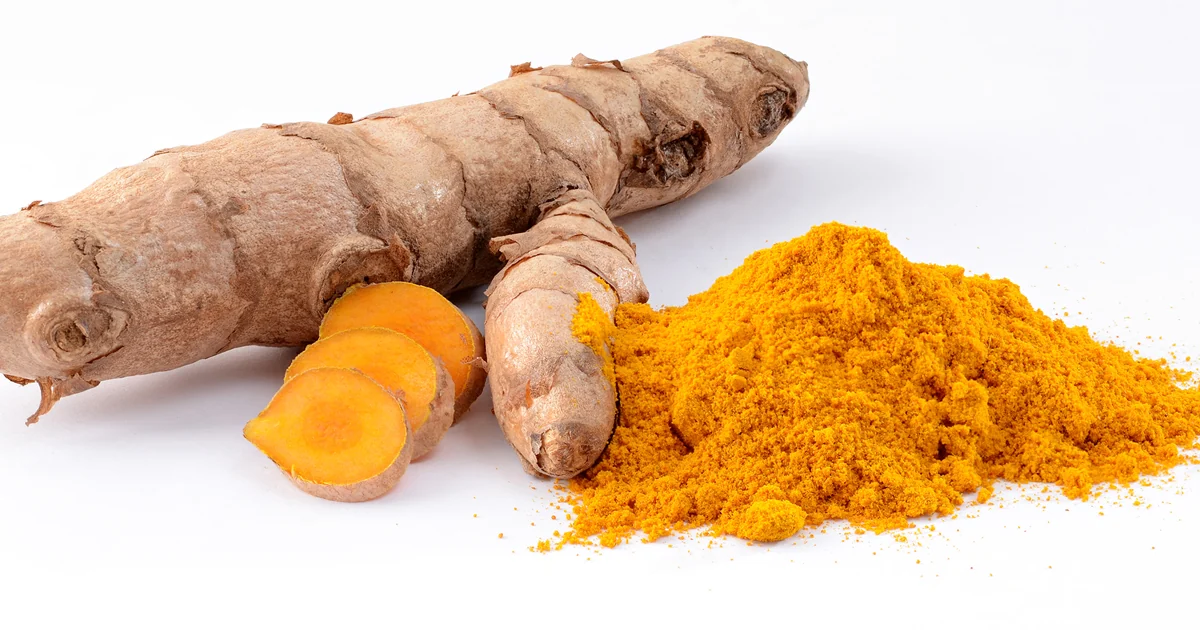
Tracking turmeric price today accurately starts by recognising that Indian haldi (Curcuma longa) is priced across five very different physical grades—cured polished Finger (Phali), primary mother Bulb (Gatha / Gattu), unpolished export lots, high-curcumin GI-tagged haldi, and freshly dug winter raw turmeric (kacchi haldi). Because India generates more than 75% of global turmeric output and supplies over 62% of international turmeric trade according to Press Information Bureau (PIB) data, domestic spot auctions in Nizamabad, Erode, Sangli, Duggirala, and Bengaluru directly reflect both local harvest arrivals and overseas pharmaceutical, oleoresin, and spice demand.
Instead of copying unverified static prices off third-party aggregators, farmers and spice traders should pair KisanPe’s official quality & grading reference below with real-time APMC auction feeds on Agmarknet, electronic national bidding on e-NAM, and our KisanPe live mandi rates hub. If you specifically track exchange derivatives, inspect our NCDEX turmeric futures guide; for undried green harvest economics, read our raw kacchi haldi pricing analysis.
India’s turmeric production hubs & National Turmeric Board overview
Although turmeric grows across more than 20 Indian states, commercial wholesale price discovery concentrates around four powerhouse belts highlighted in Government of India (PIB) releases: Maharashtra, Telangana, Karnataka, and Tamil Nadu. Historically anchored by terminal trading yards in Nizamabad, Sangli, Basmat, Erode, and Chamarajanagar/Bengaluru, Indian turmeric entered a major policy upgrade with the inauguration of the National Turmeric Board headquartered in Nizamabad, Telangana under the Ministry of Commerce and Industry.
The National Turmeric Board’s core mandate is to lift farm-gate realisation by scaling Indian turmeric exports toward USD 1 billion by 2030, connecting Farmer Producer Organisations (FPOs) directly to global spice buyers, standardising residue-free curing and oleoresin extraction infrastructure, and promoting scientific curcumin R&D alongside Spices Board India (indianspices.com) and ICAR crop research centres.
| Regional Trading Corridor | Major Terminal & Spot Mandis | Primary Cultivars & Form | How to Check Official Daily Modal Rates |
|---|---|---|---|
| Telangana (Godavari Belt) | Nizamabad, Jagtial, Kamareddy, Nirmal, Warangal (Kesamudram) | Nizamabad Double-Polished / Unpolished Finger & Gatha Bulb, Salem type | e-NAM live gate auctions (enam.gov.in) & Agmarknet APMC daily sheet |
| Maharashtra (Deccan & Marathwada) | Sangli, Basmat (Hingoli), Nanded, Hingoli, Wardha (Waigaon) | Rajapuri Fingers, Selam, Waigaon high-curcumin lines | Sangli/Basmat APMC e-auction logs via Agmarknet & e-NAM |
| Tamil Nadu (Cauvery–Bhavani Basin) | Erode, Gobichettipalayam, Perundurai, Salem, Kodumudi | GI-registered Erode Manjal, Salem Finger & Bulb | TN Regulated Market daily bids on Agmarknet & e-NAM |
| Karnataka & Andhra Pradesh | Chamarajanagar, Mysuru, Bengaluru, Duggirala, Cuddapah (Kadapa) | Erode/Salem finger grades, high-colour coastal Duggirala lots | Karnataka/AP APMC Agmarknet feeds & KisanPe mandi tracker |
| Odisha & Northeast Niche | Kandhamal (Phulbani), Jaintia Hills (Meghalaya) | GI Kandhamal Haladi (2.5%–3.5% curcumin), Lakadong export lots | ODOP / Spices Board FPO buyer portals & organic trade boards |
GI-tagged Indian turmeric varieties & why curcumin percentage moves mandi rates
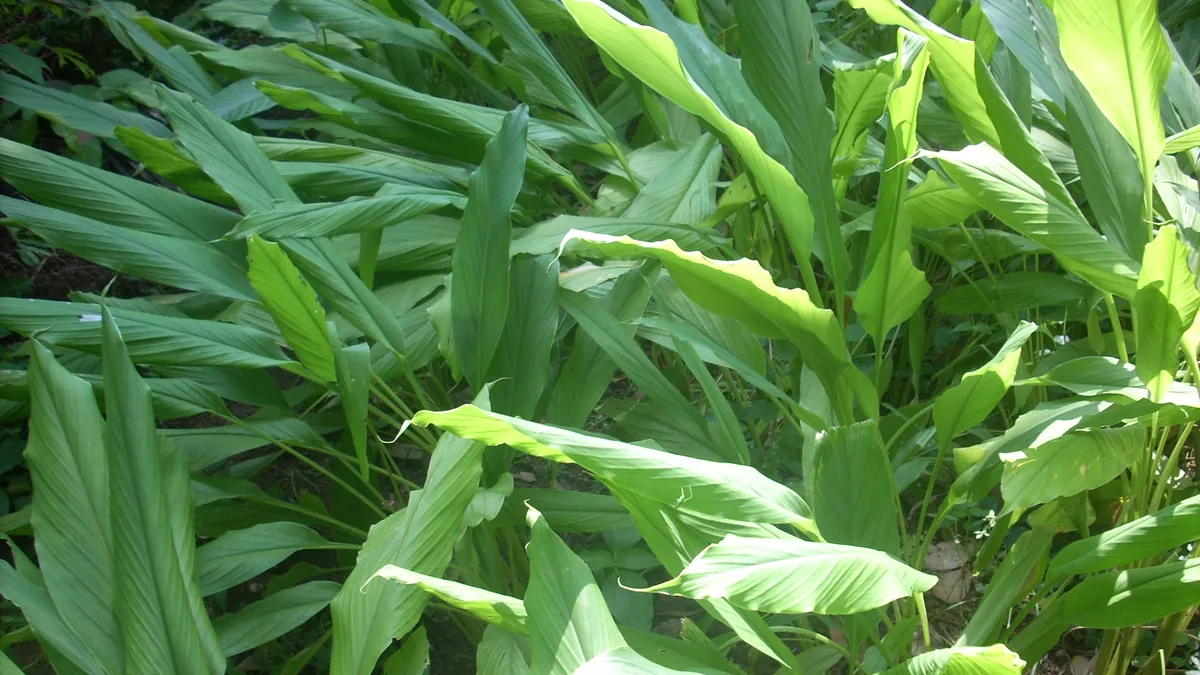
In spot mandi yards and spice-mill contract tenders, two visually similar sacks can clear at sharply different prices per quintal solely because of curcuminoid concentration, natural volatile essential-oil richness, bold finger length, and bright colour index (L* lightness and b* yellowness values). Several historic Indian growing tracts hold registered Geographical Indication (GI) protection documented through Spices Board India and ICAR spice studies:
| Registered GI Turmeric Name | State / Growing Basin | Reported Curcumin Range | Key Quality & Market Buyer Appeal |
|---|---|---|---|
| Erode Manjal | Tamil Nadu (Erode / Cauvery–Bhavani basin) | 2.5% to 4.5% | Golden-yellow colour, strong natural resistance to post-boiling storage weevils, high K/Ca/Mg mineral content |
| Sangli Turmeric | Maharashtra (Sangli / Krishna river belt) | 2.2% to 4.5% | Bright high-chroma yellow Rajapuri/local lines heavily benchmarked across Western India & futures delivery |
| Kandhamal Haladi | Odisha (Kandhamal hilly forested belt) | 2.5% to 3.5% | Tribal low-chemical highland cultivation prized for high oleoresin, volatile aroma & organic export |
| Waigaon Turmeric | Maharashtra (Wardha district) | Up to 5.5% | Deep dark-orange internal flesh, rich oleoresin extractability and superior rhizome grade |
Note that actual lot curcumin percentages fluctuate noticeably with seasonal rainfall, raised-bed drainage, crop maturity (waiting full 8–9 months until foliar yellowing dries cleanly before digging), and boiling duration during curing. Always request a certified lab Certificate of Analysis (HPLC or spectrophotometer test) when negotiating export or oleoresin buyer contracts, and review cultivar agronomy via our KisanPe Haldi crop insights page and Horticulture resource hub.
Finger vs Bulb vs Double-Polished & FSSAI / AGMARK export quality rules
Buyers bidding on e-NAM or in open APMC yards split every cured dry harvest cleanly by rhizome anatomy and post-harvest finish:
- Primary Fingers (Phali — Bold Single & Double Polished): Long smooth cylindrical daughter rhizomes snapped cleanly from the mother clump. Bold fingers (over 3–5 cm, sound metallic ring when snapped dry) always command top auction bids over chipped splits or miniature tips (kanni).
- Mother Rhizomes / Bulbs (Gatha / Gattu): Round central rhizomes retained partly as next-season planting seed and partly ground for domestic commercial masala—normally trading at a discount below bold long fingers.
- Double-Polished vs Single-Polished vs Unpolished Organic: Mechanical drum polishing removes outer scaly cork skin for bright supermarket appeal, but export oleoresin extractors increasingly request unpolished residue-free batches so essential oils remain intact and clean.
- Fresh Raw Turmeric (Kacchi Haldi): Sold uncured at ~75%–80% water moisture during winter peak harvest (4:1 to 5:1 weight shrinkage once boiled and sun-dried)—explore raw-vs-cured economics in raw turmeric rate guide.
| Regulatory Parameter (FSSAI / AGMARK / Trade) | Mandatory Statutory Ceiling | Mandi & Export Commercial Reality |
|---|---|---|
| Moisture Content (Whole Fingers & Bulbs) | 12.0% maximum by weight (FSSAI / AGMARK) | Moisture >12% invites mould (Aspergillus) and warehouse discounts; export contracts strictly demand ≤10.0% max moisture |
| Lead Chromate Test | Strictly Negative (Zero tolerance) | Illegal yellow chemical polishing causes immediate port container rejection, criminal FSSAI prosecution & buyer blacklisting |
| Extraneous Matter & Foreign Dirt | Minimal statutory AGMARK tolerance limits | Clean soil-washed boiling and mechanical fanning raise modal hammer bid consistently across Erode & Nizamabad |
How to track daily turmeric market rates & avoid distress harvest sales
Peak harvest arrivals between February and May routinely push short-term cash prices down inside surplus yards when wet-dug, hastily dried lots flood platforms simultaneously. Use this five-step verification workflow to maximise net per-quintal income:
- Step 1 — Compare 3 Mandis Before Loading Your Tractor: Filter Commodity = Turmeric across Nizamabad, Sangli, Basmat, Erode, or Chamarajanagar inside Agmarknet and track daily price swings on our Mandi Price Watch and Mandi Price Trends pages.
- Step 2 — Separate Mother Bulbs from Bold Fingers Before Curing: Boil fingers and bulbs in separate clean steam-boiler batches because thick mother bulbs require longer boiling time; over-boiling fingers splits starch and spoils outer sheen.
- Step 3 — Sun-Dry Cleanly to ≤10% Moisture Without Lead Chromate: Dry boiled fingers on clean concrete tarpaulins for 10–15 days until fingers snap sharply with a metallic sound—never dust roots with toxic lead chromate or synthetic dyes.
- Step 4 — Check Government Storage & Horticulture Support: Apply for curing boilers, drying yards, and cold-storage pack-house grants through your State Horticulture Department (Subsidy Calculator) and safeguard multi-month spice crops under PMFBY.
- Step 5 — Avoid Peak-Arrival Panic Using e-NWR / KCC Finance: Store graded ≤10% dry turmeric sacks inside WDRA-accredited warehouses against pledge finance or cover post-harvest bills via KCC working capital and Crop Income Calculator until festive and export demand lifts spot bids.
Frequently asked questions
- How can farmers check genuine turmeric price today in Erode, Nizamabad, Sangli and Bengaluru?
- Verify official daily minimum, modal, and maximum APMC auction lots directly on Agmarknet (agmarknet.gov.in), monitor e-auction bids on e-NAM, or check KisanPe mandi rates alongside exchange settlement moves in our NCDEX turmeric futures guide.
- What is the National Turmeric Board and where is its headquarters located?
- Notified by the Government of India under the Ministry of Commerce and Industry (pib.gov.in), the National Turmeric Board has its headquarters in Nizamabad, Telangana. Its flagship mission is growing Indian turmeric exports to USD 1 billion by 2030 while supporting FPOs and modern quality infrastructure.
- Why does finger turmeric (phali) command a higher price than bulb turmeric (gatha)?
- Long cured primary fingers (phali) carry cleaner uniformity, lower cork-peel wastage during drum polishing, higher visual grade appeal, and strong export contract demand compared to dense round mother bulbs (gatha/gattu). Grading fingers apart from bulbs before auction—explained alongside raw recovery ratios in our raw turmeric guide—consistently lifts lot bids.
- Which GI turmeric varieties in India have the highest curcumin percentage?
- Per Spices Board India records and ICAR-linked spice analyses (icar.org.in), GI-tagged Waigaon Turmeric (Wardha, Maharashtra) reaches up to 5.5% curcumin, Erode Manjal ranges around 2.5%–4.5%, Sangli Turmeric 2.2%–4.5%, and Odisha’s highland Kandhamal Haladi 2.5%–3.5%.
- What moisture limit is permitted for whole cured turmeric under FSSAI and export rules?
- Indian FSSAI and AGMARK standards cap moisture in whole dried turmeric (fingers and bulbs) at a strict statutory maximum of 12.0% by weight, while export buyers monitored via Spices Board India commonly insist on 10.0% maximum moisture to prevent mould during sea freight. Plan safe drying yards using grants mapped on our Horticulture Department guide.
- Why is lead chromate polishing banned in Indian turmeric mandis?
- Lead chromate is a toxic heavy-metal pigment regulated as strictly Negative (zero tolerance) under FSSAI food safety rules. Artificial chemical dyeing ruins India’s >62% global spice export reputation and leads to immediate rejection of export shipments; stick to steam-boiling and mechanical drum polishing backed by KisanPe Haldi best practices.
- What share of global turmeric does India produce and which states lead?
- According to official Press Information Bureau (PIB) spice summaries, India produces over 75% of the world’s turmeric and accounts for over 62% of world trade, led by four major states—Maharashtra, Telangana, Karnataka, and Tamil Nadu. Estimate per-acre spice returns cleanly with our Crop Income Calculator.
- How can small turmeric growers avoid distress selling during February–May peak arrivals?
- Cure and dry bold fingers properly below 10% moisture, pack them cleanly in moisture-safe sacks inside WDRA-accredited warehouses, and draw short-term working liquidity via KCC loans or e-NWR warehouse pledge financing instead of accepting depressed harvest-glut spot bids tracked on Mandi Price Trends.
- Which basal fertilizer ratio and field schemes support turmeric rhizome development?
- Turmeric rhizome bulking responds strongly to balanced basal potash and phosphate—such as soil-test-calibrated NPK 10:26:26 complex paired with heavy organic FYM—and drip irrigation under state horticulture subsidies overseen by agriwelfare.gov.in.
- Aaj ka haldi mandi bhav aur Nizamabad / Erode rate online kaise check karen?
- Nizamabad, Sangli, Erode aur Bengaluru mandi ke adhikarik daily haldi bhav seedhe Agmarknet (agmarknet.gov.in) ya e-NAM portal par check karen. Behtar bhav ke liye ungli (finger) aur gatha (bulb) alag-alag grade karke ≤10%–12% moisture tak sukhayen aur KisanPe Mandi Rates par nazar rakhen.
This article is for general information only and is not financial advice. Loan and scheme eligibility depends on partner and government criteria.