Wheat Rate in Punjab 2026: Statutory MSP, J-Form & Mandis
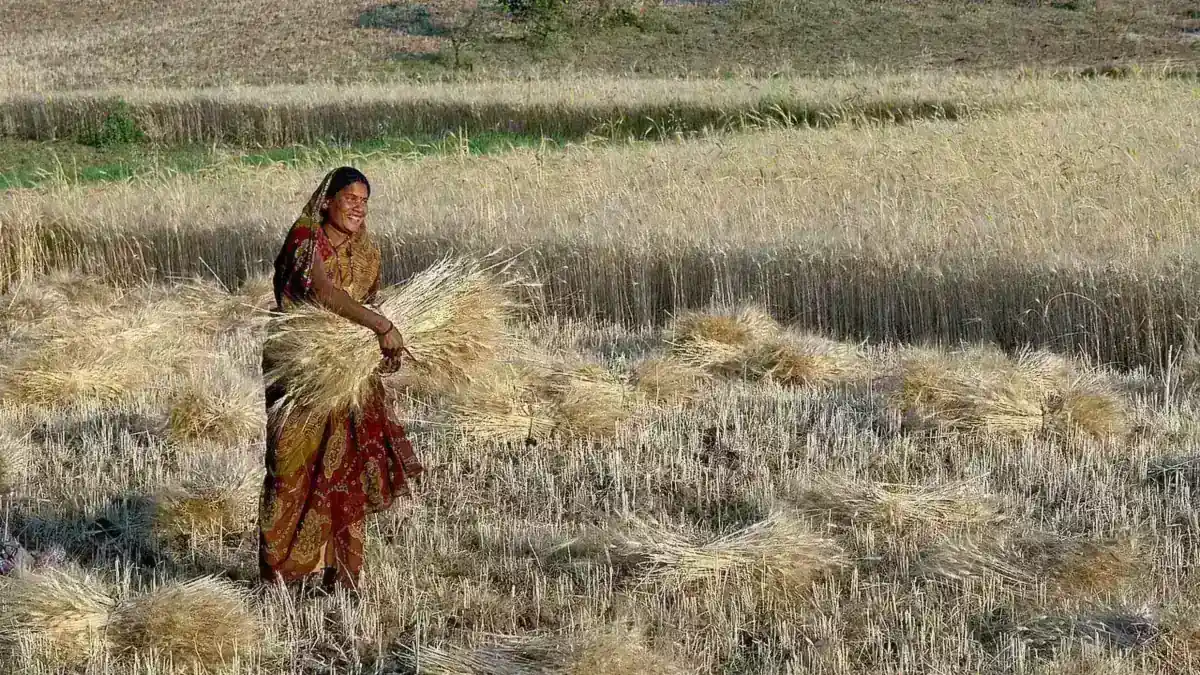
Key takeaways
- Official Statutory Wheat MSP: ₹2,585/quintal for RMS 2026–27 and ₹2,610/quintal for RMS 2027–28 per Cabinet CCEA / CACP notifications.
- Punjab Agencies Guarantee Full Floor: Pungrain, Markfed, Punsup, Punjab State Warehousing Corporation (PSWC), and FCI lift over 120+ LMT cleanly across April–May.
- Strict 12% FAQ Moisture Cap: Wheat lots delivered cleanly below 12% moisture avoid gate delays and win immediate power-cleaner clearing.
- Mandatory e-J-Form Verification: Digital J-Forms issued by Punjab Mandi Board (Anaaj Kharid / arhatiya portal) replace paper slips and verify direct DBT payment status.
- Track Private Premium Mills Too: Clean, protein-rich unbleached lots like HD-2967 or DBW-303 routinely draw private flour mill premiums when export/maida demand tightens.
Checking the accurate wheat rate in Punjab every April procurement season hinges cleanly on statutory Government of India Minimum Support Prices (MSP) rather than fluctuating unverified private rumours. Under Cabinet-approved CACP notifications released via PIB (pib.gov.in) and Ministry of Agriculture (agriwelfare.gov.in), official wheat MSP stands at ₹2,585 per quintal for Rabi Marketing Season (RMS) 2026–27 and rises further to ₹2,610 per quintal for RMS 2027–28. Across Punjab’s vast 1,800+ regulated grain yards and purchase centres (led by Khanna—Asia’s largest grain mandi—alongside Ludhiana, Jagraon, Patiala, Sangrur, Bathinda, Amritsar, and Moga), state procurement agencies (Pungrain, Markfed, Punsup, PSWC, and FCI) purchase cleaned Fair Average Quality (FAQ) wheat directly into Aadhaar-linked accounts tracked via digital J-Forms.
Private roller flour millers, chakki wholesalers, and specialty buyers bidding above statutory MSP floors track freight parity cleanly across Punjab districts via Agmarknet (agmarknet.gov.in) and KisanPe Live Mandi Rates. Whether checking why private roller mills pay above MSP for dry bold varieties (HD-2967 / PBW-826 / DBW-187) or safeguarding zero commission deductions on Punjab Mandi Board J-Form downloads, this complete guide breaks down FAQ moisture limits, direct account timelines, and regional market strategy across KisanPe Punjab Hub.
Official CACP Wheat MSP 2026–27 & 2027–28 vs Punjab private miller rates
Every spring from April 1 onward across Doaba, Majha, and Malwa belts, the baseline wheat price in Punjab gets anchored firmly by Central Government statutory MSP procured through state agencies on behalf of the Food Corporation of India (FCI). Because Punjab contributes India’s largest surplus central grain pool share, open private wholesale auctions inside Ludhiana, Khanna, and Barnala mandis practically never clear below MSP for dry cleaned FAQ lots—instead private millers, biscuit processors, and wheat flour / maida mills step slightly over statutory MSP whenever export or southern transit demand strengthens.
Under verified Cabinet decisions hosted via pib.gov.in, Rabi Marketing Season (RMS) 2026–27 statutory wheat MSP stands at ₹2,585/quintal (a benchmark delivering over 100% margin over paid-out + family-labour A2+FL production costs nationally), stepping up cleanly to ₹2,610/quintal for RMS 2027–28. Compare pan-India wheat markets simultaneously in our Gehun Ka Bhav, All-India Wheat Rate, and Wheat Farmers Portal guides.
| Marketing Season / Buyer Track | Official Benchmark / Pricing Rule | Mandatory Quality & Eligibility Benchmark |
|---|---|---|
| RMS 2026–27 Statutory Wheat MSP | ₹2,585 / quintal (PIB / CACP) | ≤12% moisture, ≤0.75% foreign matter, ≤2% slightly damaged/broken FAQ spec |
| RMS 2027–28 Statutory Wheat MSP | ₹2,610 / quintal (PIB / CACP) | Registered Anaaj Kharid farmer profile linked with Punjab Jamabandi/Girdawari |
| Private Roller Millers / Chakki Traders | Auction parity >= MSP (tracked on Agmarknet) | Extra bold protein varieties (HD-2967, DBW-187, PBW-826) command cleaner bids |
Understanding Punjab procurement agencies, Khanna grain market & FAQ moisture norms
Punjab’s procurement machinery stands unmatched across India in scale and speed: within 45 intense harvest days, tractor trolleys unload across 1,800+ permanent and temporary achat yards supervised by the Punjab Mandi Board—headlined globally by Khanna Grain Market (Ludhiana district) alongside major arrival centres at Jagraon, Rajpura, Patiala, Sangrur, Sunam, Bathinda, Moga, Ferozepur, and Tarn Taran.
At shed unloading gates, Pungrain, Markfed, Punsup, PSWC, and FCI inspectors examine two decisive checks: grain moisture ≤12% (tested rapidly via calibrated electronic grain meters—never harvest prematurely after cloudy light drizzle!) and clean mechanically fanned grain free of green phalaris minor (Gulli Danda) seeds or shrivelled broken kernels. Running a double fan blower cleanly on farm threshing decks (thresher sieve adjustments) saves waiting lines at mandi power-cleaners and secures faster J-Form lifting receipts.
- Wait Past Morning Dew Before Combining: Starting combine harvesters before 09:30 AM adds 2%–3% moisture onto golden kernels that stalls shed weighing.
- Check Pre-Harvest Straw Chopper Practices: Instead of burning leftover wheat stubble, convert valuable straw with tractor straw reapers or zero-till happy seeders—detailed on KisanPe Punjab Hub.
- Watch Terminal Shrivelling Alerts: Early March heat winds (>35°C during grain milk stage) shrink grain size—buffer stress proactively via clean irrigation and biostimulant heat protection.
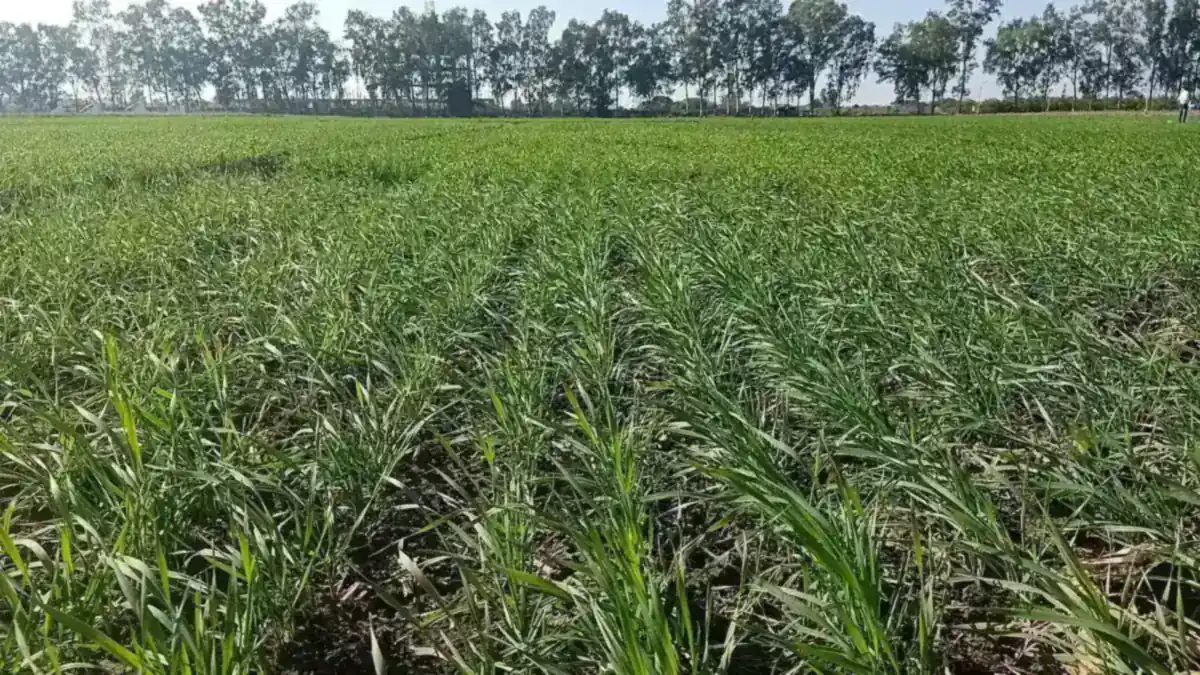
Downloading your Punjab Mandi Board e-J-Form & verifying direct DBT bank payout
In modern Punjab procurement, paper agent slips have yielded completely to transparent electronic J-Forms integrated with Anaaj Kharid and DigiLocker. Whenever a registered arhatiya closes an official heap auction or government agency lift onto your name, the system automatically triggers an SMS link and DigiLocker-backed J-Form, listing exact clean net quintal weight, agency bidder name, statutory MSP rate (₹2,585/qtl RMS 2026–27), zero unauthorised commission cuts, and bank transfer initiation status within 48 hours of lift confirmation.
Keep a complete digital archive of annual J-Forms cleanly—they function directly as verified farm income proofs when applying for higher cooperative Kisan Credit Card limits or commercial tractor loans via Tractor Loan Calculator! Follow exact download steps in our Punjab Mandi Board J-Form Guide and inspect adjacent state prices inside Haryana Wheat Market Report.
Regional freight parity, post-harvest chana/mustard rotation & flour trade links
Farmers comparing harvest profitability across wheat, winter oilseeds, and pulses should weigh water table conservation, urea diesel savings, and MSP uplift trajectories together cleanly. Check historical price paths on Mandi Price Trends, compare wheat varieties such as HD-2967 Wheat and MP Sharbati Gehu, check downstream milling rates via Maida Price India Guide, and model seasonal margins through our Crop Income Calculator and PMFBY Crop Insurance Hub.
District grain mandi logistics across Khanna, Patiala, Sangrur, Bathinda & Amritsar
Inside Punjab’s intensive April harvest corridor, logistical speed separates smooth 24-hour procurement from jammed 4-day trolley queues under scorching winds. Major regional centres—headed by Asia’s largest wheat market at Khanna, flanked by Ludhiana, Jagraon, Patiala, Rajpura, Sangrur, Barnala, Bathinda, Ferozepur, Moga, Amritsar, and Gurdaspur—coordinate staggered temporary procurement sub-centres directly inside large villages so farmers haul clean grain shorter distances during tight combine harvesting weeks.
Follow local district DC / Mandi Board unloading coupon timetables carefully rather than dumping warm combined wheat onto crowded concrete aprons unscheduled. Verify tractor haulage capacities smoothly using our Tractor Trolley Legal Load Guide, plan short-term farm capital needs around delayed lifting using KCC Credit Limits, and explore multi-state market rates on Gehun Ka Bhav and Mandi Ka Bhav.
- Clean Sieving Before Trolley Loading: Modern FCI mechanical drum cleaners inside Punjab mandis verify weed seed & straw limits rigorously—farm winnowing cuts queue delays sharply.
- Check Gunny Sack Tagging & Weighbridge Taring: Always watch empty trolley tare weighments cleanly and verify 50 kg stitched bag weighbridge printouts before leaving sheds.
- Verify Happy Seeder / Zero-Till Incentives: Check seasonal Punjab agricultural machinery support cleanly inside SMAM & CRM Subsidies.
Calculating total acre income, straw bhusa value & next paddy transplanting prep
Smart Punjab growers look beyond pure grain weight (₹2,585/qtl RMS 2026–27 -> ₹2,610/qtl RMS 2027–28 per PIB): clean wheat straw (tudi / bhusa) harvested cleanly with tractor straw reapers generates vital supplementary dairy fodder income or cash sales per acre! Model full Rabi wheat + bhusa gross economics via our Crop Income Calculator, review machinery power needs inside New Holland 3630 TX, and schedule subsequent paddy nursery dates smoothly via KisanPe Crop Calendar.
Additionally, growers saving certified wheat seed lots on-farm (such as HD-2967, PBW-826, or DBW-303 foundation stock) should sun-dry 10% moisture seed grain cleanly, treat storage drums neatly against lesser grain borer and khapra beetles cleanly per KVK Ludhiana / regional advisories, and conduct soil phosphorus-zinc audits via Soil Health Card Portal right after combine clearance ahead of green manuring (dhaincha / moong) or early summer tillage.
Compare neighbouring state procurement and private market dynamics easily via Haryana Wheat Benchmarks, check industrial flour prices via Maida Price Guide, and plan short-term fertilizer purchases via Fertilizer Calculator. Keeping multi-year crop yields balanced with pulses and summer green gram improves nitrogen fixation and helps safeguard groundwater tables across intensive central Punjab districts.
- Save Electronic J-Forms Cleanly: Keep DigiLocker & WhatsApp PDF copies backed up for 3 years for bank KCC renewal and tax-exempt agri receipts.
- Check Zero-Stubble CRM Rental Yards: Use FPO Custom Hiring Centres cleanly to source heavy Balers & Super Seeders seasonally.
Transitioning smoothly from Rabi wheat harvest into summer moong & Kharif paddy prep
Across Ludhiana, Sangrur, Bathinda, and Patiala blocks where double-cropped paddy-wheat dominates irrigation demand, adding a short 60-day Summer Moong (Green Gram) pulse crop directly following April wheat combine clearance turns idle hot May–June stubble fields into organic soil nitrogen and bonus market cash before Kharif transplanting begins. Drilling short-duration varieties cleanly via zero-till seed drills cuts field preparation diesel burn smoothly while lifting subsequent rice soil fertility.
Inspect current central pulse support rates (₹8,768–₹8,780/qtl Moong MSP per CACP) alongside KisanPe Crop Schedules, verify Punjab groundwater conservation timing advisories on KisanPe Punjab Hub, and calibrate subsequent puddling equipment or haulage trailer tyres well ahead of monsoon rains.
- Check Soil Micro-Nutrients Post-Wheat: Intensive cereal rotations frequently deplete soil Zinc and Iron—review local test data on Soil Health Card.
- Keep Storage Moisture Below 10% for Seed Plots: Clean foundation seed drums strictly against storage insects before monsoon humidity hits.
Frequently asked questions
- What is the official government wheat rate (MSP) in Punjab for 2026-27 and 2027-28?
- Under Cabinet-approved CACP declarations via PIB (pib.gov.in), statutory wheat MSP sits at ₹2,585/quintal for RMS 2026–27 and rises to ₹2,610/quintal for RMS 2027–28. Track procurement updates via KisanPe Punjab Mandi Hub.
- Which agencies buy wheat at statutory MSP in Punjab grain markets?
- Five primary public procurement agencies operate across Punjab’s 1,800+ yards: Pungrain, Markfed, Punsup, PSWC (Punjab State Warehousing Corp), and Food Corporation of India (FCI). Monitor live arrivals nationwide on Agmarknet and Mandi Rates.
- What is the maximum grain moisture limit allowed at Punjab wheat mandis?
- FCI / statutory FAQ quality norms cap allowable moisture cleanly at 12%. Damp wheat harvested too early at sunrise or straight after showers gets delayed for shed tarpaulin drying—check sunny harvest intervals on KisanPe Weather Advisory.
- How do Punjab wheat farmers verify direct bank payment and download e-J-Form?
- Once lifting clears, log onto the official Anaaj Kharid / Mandi Board WhatsApp or DigiLocker interface to download your verified digital J-Form showing exact net weight and zero-cut DBT transfer status—read steps in Punjab J-Form Online Guide.
- Which is Punjab’s largest wholesale grain mandi for wheat?
- Khanna Grain Market (Ludhiana district) ranks as Asia’s largest single grain trading yard, flanked by high-arrival Malwa and Doaba hubs including Jagraon, Patiala, Sangrur, Moga, Barnala, and Amritsar.
- How does Punjab wheat rate compare with Madhya Pradesh Sharbati wheat or Haryana?
- Statutory central MSP stays identical (₹2,585 / ₹2,610) everywhere cleanly, though private retail/milling premiums vary—for instance GI/bold MP & All-India wheat rates track Sharbati biscuit-flour demand while Haryana hubs match Delhi NCR roller mills.
- Does J-Form verify farmer income when applying for a Punjab tractor loan or KCC increase?
- Yes. PSU and cooperative agricultural branches actively accept DigiLocker-verified Punjab J-Forms as formal proof of genuine farm turnover when expanding KCC limits or processing tractor term loans.
- Can minor weather-shrivelled grain qualify for MSP relaxation during spring heatwaves?
- Following sudden extreme spring heat spells, state departments petition Food Ministry inspectors for calibrated FAQ shrivelled/lustre relaxation guidelines verified by agriwelfare.gov.in—never panic-sell before checking official circulars.
- How can farmers prevent excess broken wheat kernels inside combine harvesting?
- Ask combine operators to reduce cylinder threshing speed appropriately once grain moisture drops cleanly around 11%–12%, and check straw walker cleanout gaps beforehand.
- Why does retail wheat atta or maida per kg cost significantly more than mandi wheat price?
- Roller milling removes bran fraction (15%–25% extraction adjustment depending on maida vs whole atta), alongside highway transport, power, fortification, packaging, and retailer distribution margins analyzed in Maida Price India Guide.
This article is for general information only and is not financial advice. Loan and scheme eligibility depends on partner and government criteria.