Maida Price Per Kg & Flour Milling Guide: FSSAI Grades
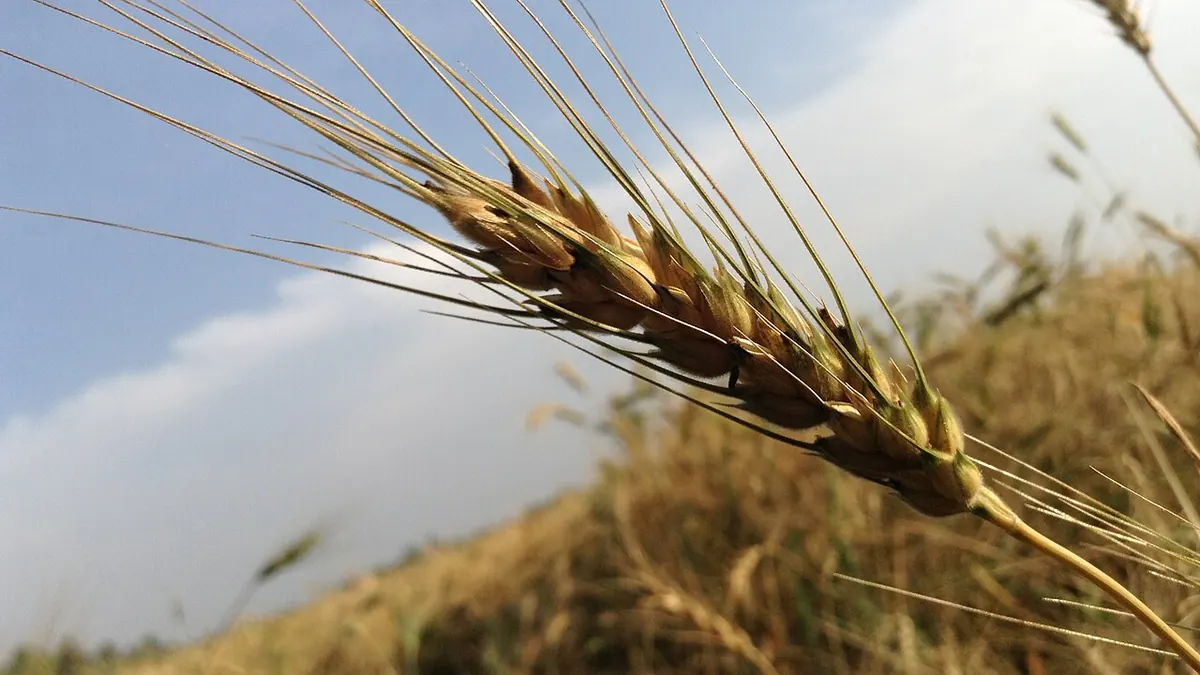
Key takeaways
- Official FSSAI Reg 2.4.2 Standards: Refined Maida enforces Moisture ≤14.0%, Total Ash ≤1.0%, Acid Insoluble Ash ≤0.1%, and Dry Gluten ≥7.5% (higher baking strength vs ≥6.0% Atta!).
- The ~70% Milling Yield Bridge: Extracting 70 kg clean white Maida from 100 kg cleaned wheat means raw wheat swings & bran (Choker) livestock feed realizations move maida tags simultaneously.
- DFPD FCI OMSS Market Anchor: Weekly FCI e-auctions releasing lakhs of tonnes of central reserve wheat directly cap off-season festive maida spikes cleanly nationwide.
- 5% GST Branded vs Loose Rule: Pre-packaged labelled flour (≤25 kg) attracts 5% GST whereas bulk 50 kg commercial wholesale pricing reflects mill-gate freight spreads.
Tracking maida price (maida rate per kg across bakery, biscuit, noodle, and restaurant wholesale 50 kg sacks) puts grain buyers straight at the heart of India’s Roller Flour Milling (RFM) wheat extraction economy! Because pure white refined Maida represents roughly 68% to 72% inner starchy endosperm extracted cleanly from hard cleaned Triticum aestivum wheat (leaving ~25%–30% bran/choker, suji & atta byproducts — agmarknet.gov.in), retail maida rate per kg tracks raw Wheat Mandi Rates plus FCI Open Market Sale Scheme (OMSS, dfpd.gov.in) weekly mill auctions! Explore official FSSAI Reg 2.4.2 standards (Moisture ≤14.0%, Total Ash ≤1.0%, Dry Gluten ≥7.5%) cleanly alongside Wheat Hub & Top Milling Cultivars.
Since KisanPe never prints invented daily bakery retail prices, decode how FCI OMSS wheat reserve prices, hard-vs-soft wheat protein ratios, 5% branded GST rules, and 50 kg vs 90 kg wholesale sacks shape genuine bakery, paratha, and retail flour margins across India.
FSSAI Reg 2.4.2 quality specifications separating premium Maida (≥7.5% gluten) from coarse Atta
Why do commercial biscuit factories, samosa makers, and Malabar parotta kitchens happily pay distinct tiers across different 50 kg maida sack grades (Bakery Special / Parotta Soft / Noodle High-Gluten / Standard Kirana)? Every legally packed bag inside India falls under Food Safety and Standards Regulation 2.4.2 (fssai.gov.in) (fssai.gov.in)—strictly verifying clean wheat milling after essentially stripping all outer fibrous bran (Choker) and oily germ! Notice how FSSAI mandates >=7.5% minimum dry gluten cleanly for Maida (versus >=6.0% for whole wheat Atta and Suji) precisely because stretchy layered breads and pastries collapse without crisp wheat protein networks (Indian Hard Wheat Cultivars).
Simultaneously, strict caps keeping Moisture ≤14.0% (130°C 2-hr oven assay), Total Ash ≤1.0% (detecting unwanted gritty wheat hull contamination or chalk adulterants instantly!), Acid-Insoluble Ash ≤0.1%, and Alcoholic Acidity ≤0.18% preserve crisp white baking volume cleanly (Wheat Production Portal & Wheat Agronomy Guide).
| FSSAI Parameter (Reg 2.4.2) | Official Legal Maida Specification | Why Millers, Bakers & Buyers Check This |
|---|---|---|
| Moisture Ceiling | Not more than 14.0% by mass | Prevents lumpy fungal mustiness (rancidity) inside sealed summer sacks |
| Total Ash (Dry Basis) | Not more than 1.0% (clean white ash cap) | Measures exact outer bran removal—lower ash means brighter snowy white baker Maida |
| Acid Insoluble Ash | Not more than 0.1% (in dilute HCl) | Catches mineral sand, dirt, or chalk adulteration cleanly on lab screening |
| Minimum Dry Gluten | Not less than 7.5% (vs 6.0% Atta/Suji) | Drives dough stretch, crisp flaky layers & puffed bakery loaf rise |
| Alcoholic Acidity & Purity | Acidity ≤0.18% | Uric Acid ≤100 mg/kg | Certifies zero stale storage spoilage, zero insects & crisp clean aroma (Wheat Hub) |
How FCI OMSS wheat auctions (dfpd.gov.in), bran rates & 50 kg packing move maida prices
Want to forecast maida rate trajectories two weeks ahead of every festive Diwali or wedding season? Track Wednesday e-auctions hosted jointly by Food Corporation of India & DFPD (dfpd.gov.in) under the Open Market Sale Scheme (OMSS Domestic)! Whenever northern roller flour mills (across Delhi Lawrence Road, Karnal, Indore, Kanpur, and Howrah) lose comfortable open-mandi Wheat Market Arrivals between October and February, FCI releases pre-allocated state quotas directly to registered millers at notified reserve prices—instantly stabilizing pan-India Maida, Sooji, and Chakki Atta rates cleanly!
Equally crucial is Byproduct Realization (Choker / Bran & Tanakha): extracting 70 kg snow-white Maida generates roughly 26–28 kg nutritious wheat bran eagerly purchased daily by Fodder & Dairy Feeders (Compare Feed Grains)! Whenever cattle-feed demand bids bran sharply higher, millers happily pass minor discounts onward to competitive wholesale Maida sacks (protecting clean mill margins effortlessly).
- Matching Wheat Cultivars To Maida Strength: Biscuit plants crave soft low-protein MP wheat (yielding tender crispy snaps), whereas bakery bread & pizza processors demand high-gluten north Indian HD-2967 / DBW-187 (HD-2967 Wheat Profile)!
- 5% GST Pre-Packaged vs Loose Sacks: Verify clean GST billing cleanly across 50 kg commercial wholesale bags vs ≤25 kg consumer retail packs carrying FSSAI license seals.
- Track Related Staple Milling Benchmarks: Compare consumer commodity cycles smoothly across Sugar Rate Per Kg and Mandi Price Directory.
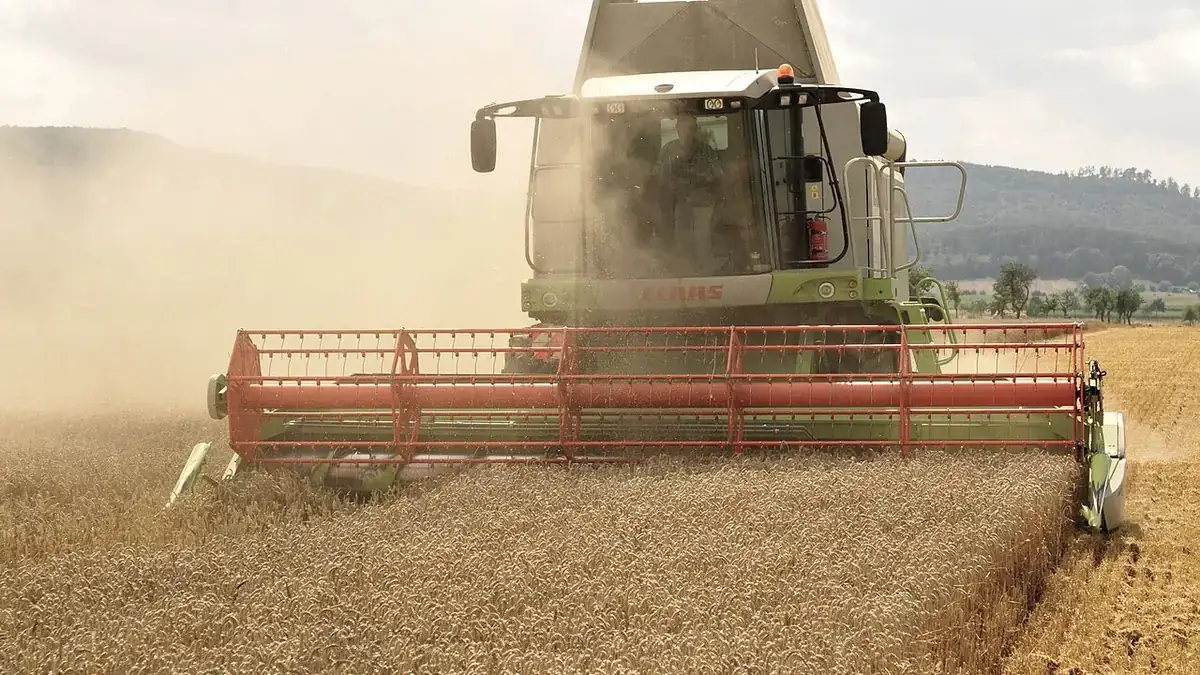
Checking fresh mill dates, weevil infestation & monsoon pantry preservation cleanly
Unlike dry unmilled whole wheat grains that survive peacefully for 24+ months inside galvanized iron kothis, finely milled Maida exposes shattered starch granules directly to warm humid air—rapidly hosting tiny red flour beetles (Tribolium / ghun) within 45–60 days during humid July–September monsoon heat! Always verify clear fresh manufacturing week stamps, store sealed dry sacks cool (<25°C, raised off bare tiled damp floors on wooden dunnage cleanly), and inspect fine sifted batches visually for cobwebbing before mixing baking doughs (Agri Margin Tool).
Supporting direct FPO wheat-to-flour mini-mills & custom cleaning value addition
Across wheat-surplus Madhya Pradesh (Sharbati / Lokwan), Haryana, and eastern UP, forward-looking Farmer Producer Organizations (FPOs) pair modern stone-chakkis and compact sifter-cleaners (cleaning out tiny wild oats & green split grains before dispatch) cleanly with FSSAI retail registration! Offering verified chemical-free packaged wheat flours (100% single-origin wheat nutrition alongside clean consumer traceability) lets grower groups capture substantial processing margins smoothly beyond raw mandi auctions (FPO Margin Tool).
Roller Flour Mill extraction math: how clean 100 kg Wheat yields Maida, Sooji, Atta & Bran
Curious why retail maida price per kg reacts swiftly both to north Indian mandi Wheat Rates AND central dairy Cattle Feed Demand? Step inside a modern automated Indian Roller Flour Mill (RFM) cleaning and tempering hard winter wheat (fssai.gov.in)! First, vibratory separators and colour sorters remove dust, stones, weed seeds, and immature shrivelled grains (~1.5%–2.5% cleaning refractories). Clean berries then rest quietly inside tempering silos absorbing exact misted moisture (~15.5%) so tough outer fibrous skin peels away cleanly in big flaky pieces rather than shattering into white endosperm starch!
Gradual multi-stage break rolls (corrugated steel cylinders) and reduction rolls subsequently split each 100 kg batch into four revenue streams cleanly: ~68%–72% silky snow-white Maida (≤1.0% ash), ~6%–8% golden coarse Sooji / Rava, ~2%–4% fine brown Tandoori/mill Atta, and ~20%–24% coarse fibrous Bran (Choker) sold eagerly to dairy units! Notice how clean milling extraction confirms that roughly every ₹100/qtl rise in wholesale wheat translates directly after bran credits into proportional rupee shifts across 50 kg baker Maida bags (Wheat Farmers Hub).
- Why Unbleached Natural Cream Maida Differs From Chemical Whitened: Honest premium bakery brands mill sound clear white MP/Punjab wheat (like clean Sharbati / HD-2967) naturally yielding subtle ivory-cream dough elasticity without chemical chlorine gas.
- Special High-Gluten vs Soft Pastry Blends: Commercial bakeries demand crisp 10%+ protein hard flour for fluffy fermented naan/pav/pizza, whereas flaky tea biscuits need softer 8% pastry flour preventing chewy rubber bounce!
- Check Batch Expiry & Weevil Sanitation: Inspect clear FSSAI license numbers and clean dry unbroken stitching across 50 kg bags before accepting bulk restaurant deliveries (Wheat Harvest Quality).
Tracking State OMSS auction caps, wheat stock limits & festival demand cycles cleanly
Whenever tight private farm inventories lift raw wheat sharply ahead of Diwali, Eid, or Christmas cake/sweet peaks, India’s Department of Food and Public Distribution (dfpd.gov.in) deploys two decisive stabilizers simultaneously: weekly FCI Open Market Sale Scheme (OMSS) reserve wheat auctions specifically for verified roller flour mills AND statutory Wheat Stock Holding Limits (preventing trader speculative hoarding)! Keeping eye squarely on Wednesday FCI auction clearance quantities and off-take volumes across key hub states (Delhi, UP, Haryana, MP, Maharashtra, Tamil Nadu) explains calm stable wholesale maida rate movements effortlessly cleanly (Mandi Price Hub). Commercial bakers ordering monthly flour pallets match purchases right beside fresh FCI OMSS announcements avoiding artificial speculative markups.
Matching wheat quality at farm harvest (zero black-point & plump test weight) for roller mill buyers
Wheat cultivators aiming to beat base mandi FAQ floor rates directly inside private roller-flour mill procurement gates across Sehore, Karnal, and Kota focus cleanly on three measurable physical grain parameters: 1) Bold golden vitreous hectolitre test weight (>=78 kg/hL), 2) Strict control over black-point (karnal bunt / darkened germ ends) via clean Fungicide Timing & dry harvest cutting (≤11%–12% moisture), and 3) Varietal purity (zero mixed bold barley/mustard chaff) cleanly verified across Leading Indian Wheat Varieties (Grain Income Calculator). Delivering shaded clean dry wheat straight off combine bins keeps moisture penalties strictly zero.
Sampling flour colour reflectance, crisp dry dough stretch, and batch expiry tags across 50 kg commercial wholesale deliveries spares small restaurant chains and regional biscuit bakers costly oven batch inconsistencies cleanly during humid monsoon peaks. Checking clean FCI OMSS wheat auction allocations also keeps bakery procurement grounded smoothly in market fundamentals while assuring consumers FSSAI standard quality across daily festive baking runs smoothly. Elevated wooden store pallets protect flour sacks reliably all monsoon and prevent musty grain spoilage cleanly across damp bakeries and neighborhood kiranas.
For broader financial, market, and crop-planning continuity alongside maida price, farmers across India also consult KisanPe resources including KisanPe Mandi Price Trends, Mandi Price Watch, Best Mandi Near Me Finder, AI Mandi Intelligence Tool, Mandi Market Intelligence Services, Crop Insights Hub, All-India Mandi Bhav Guide, Anaj Mandi Arrival & Auction Guide, Gehu Ka Bhav Commodity Report.
Frequently asked questions
- What moisture and dry gluten limits does FSSAI strictly require for legal Maida in India?
- Under Regulation 2.4.2 (fssai.gov.in), refined Maida MUST hold ≤14.0% moisture, ≤1.0% total ash, and ≥7.5% dry gluten (higher strength vs ≥6.0% whole Atta) (Wheat Hub).
- Why does wholesale Maida rate per kg move directly alongside raw Wheat Mandi & FCI OMSS rates?
- Because milling 100 kg clean wheat extracts ~68%–72% white Maida, wheat raw cost (~75% of flour cost) plus central FCI OMSS (dfpd.gov.in) weekly mill releases anchor retail prices (Wheat Market Guide).
- How does Wheat Bran (Choker) dairy demand quietly lower baker Maida flour costs?
- Strong cattle-feed buying of the remaining ~25%–28% fibrous bran (Choker) lets roller flour mills balance processing overheads cleanly without spiking white Maida rates equally cleanly (Compare Essential Staples).
- Why do biscuit bakers choose different wheat varieties than layered bread/parotta kitchens?
- Biscuits need soft extensible low-gluten MP wheat (avoiding shrinkage snaps), whereas leavened breads & parottas rely strictly on high-gluten (>=9%–10%) hard north Indian wheat (like HD-2967) (HD-2967 Profile).
- What causes tiny brown beetles (Tribolium) to infest stored 50 kg Maida bags during monsoon?
- Warm damp storage above 14% flour moisture accelerates egg hatching—store bags off bare floors on dry pallets and use clean older batches first within 6–8 weeks (Grain Quality Guide).
- Are 50 kg commercial wholesale Maida bags subject to identical GST as 1 kg kitchen packs?
- Under current GST rules, pre-packaged and labelled retail packets (up to 25 kg/L) attract 5% GST, while commercial 50 kg institutional/b2b pricing reflects local transport + handling cleanly (Mandi Portal).
- How can home cooks or bakers quickly verify Maida ash purity & freshness on delivery?
- Pinch clean dry flour (smooth ivory-white aroma, never grey husky grit or sour stale smell), verify crisp fine granulation passing smoothly through 80–100 mesh sieves, and inspect fresh batch codes cleanly.
- Can Indian wheat FPOs access Agmarknet wholesale prices alongside retail wheat flour spreads?
- Yes—monitoring state APMC arrivals daily on Agmarknet empowers grain mills and FPO groups to time clean seasonal wheat stock procurement without overpaying middlemen.
- What percent clean white Maida do Indian roller flour mills extract per quintal of wheat?
- Modern tempered milling isolates roughly 68%–72% snow-white Maida (≤1.0% ash), ~6%–8% coarse Sooji, ~2%–4% fine Atta, and ~20%–24% fibrous dairy Bran (Choker) (fssai.gov.in).
- How can wheat growers qualify crop harvests directly for private flour-mill quality premiums?
- Harvest crisp dried grain (≤11%–12% moisture, >78 kg/hL test weight), control winter Karnal Bunt cleanly (Crop Protection), and screen chaff cleanly before truck dispatch.
This article is for general information only and is not financial advice. Loan and scheme eligibility depends on partner and government criteria.