Aaj Ka Mentha Oil Rate: Barabanki & UP Mandi Price Guide
Key takeaways
- Indicative physical spot mandi rates (aaj ka mentha oil rate / mantha ka ret) across Uttar Pradesh hubs—Barabanki, Sambhal, Chandausi, Rampur, and Sitapur—trade between Rs 920 and Rs 1,040 per kg for standard FAQ (70%–72% L-menthol) shivala/cornmint oil in November 2026.
- On MCX (Multi Commodity Exchange of India) futures contracts, benchmark Chandausi/Barabanki 180-kg iron/galvanized drum quotations typically maintain a tight +/- Rs 15 to Rs 35/kg carrying spread over rural farmgate spot bhav.
- Uttar Pradesh contributes roughly 80% to 85% of India’s natural Mentha arvensis (Japanese mint) oil production, making India the world’s largest exporter of natural L-menthol crystals and dementholized peppermint oil (DMO).
- Fresh harvested herbage delivers ~0.5% to 0.75% essential oil recovery depending on cultivar (CSIR-CIMAP varieties CIM-Kranti, Kosi, Saksham, Kushal) and timely field wilting before steam distillation.
- Standard one-acre spring/zaid mentha farming yields 50 to 75 kg crude oil across 2 cuts (May–July), costing roughly Rs 26,000 to Rs 35,000/acre when diesel/husk steam distillation is managed efficiently.
- Moisture percentage (max 0.5%–1.0%), L-menthol content via GLC lab test (>70% minimum standard), and zero synthetic adulteration govern exact auction deductions at mandi cold storages.
Across the Gangetic plains of central and western Uttar Pradesh, checking aaj ka mentha oil rate (mentha oil ke rate or mantha ka ret) is vital for more than 12 lakh small and marginal farming households growing summer Mentha arvensis (cornmint / Japanese mint, locally called shivala or peppermint) between wheat harvest and kharif paddy transplanting. Because mentha oil is a high-value, non-perishable liquid cash crop packed in airtight 180-kg metal drums or 20–50 kg HDPE jerrycans, farmers regularly time sales weeks or months after May–July steam distillation to capture optimal spot rates.
Physical price discovery centers on Uttar Pradesh’s benchmark essential-oil trading mandis—specifically Barabanki, Sambhal, Chandausi, Rampur, Sitapur, and Budaun—tracked alongside national commodity futures guidelines under the Agmarknet portal and varietal agronomy developed by the CSIR-Central Institute of Medicinal and Aromatic Plants (CIMAP), Lucknow and ICAR. Growers comparing local distillery quotes against futures markets can cross-check our regional Barabanki mentha oil rate today report, national mentha oil rate today tracker, grower distillation guide at mentha oil ka aaj ka rate, and broader daily mandi rates platform.
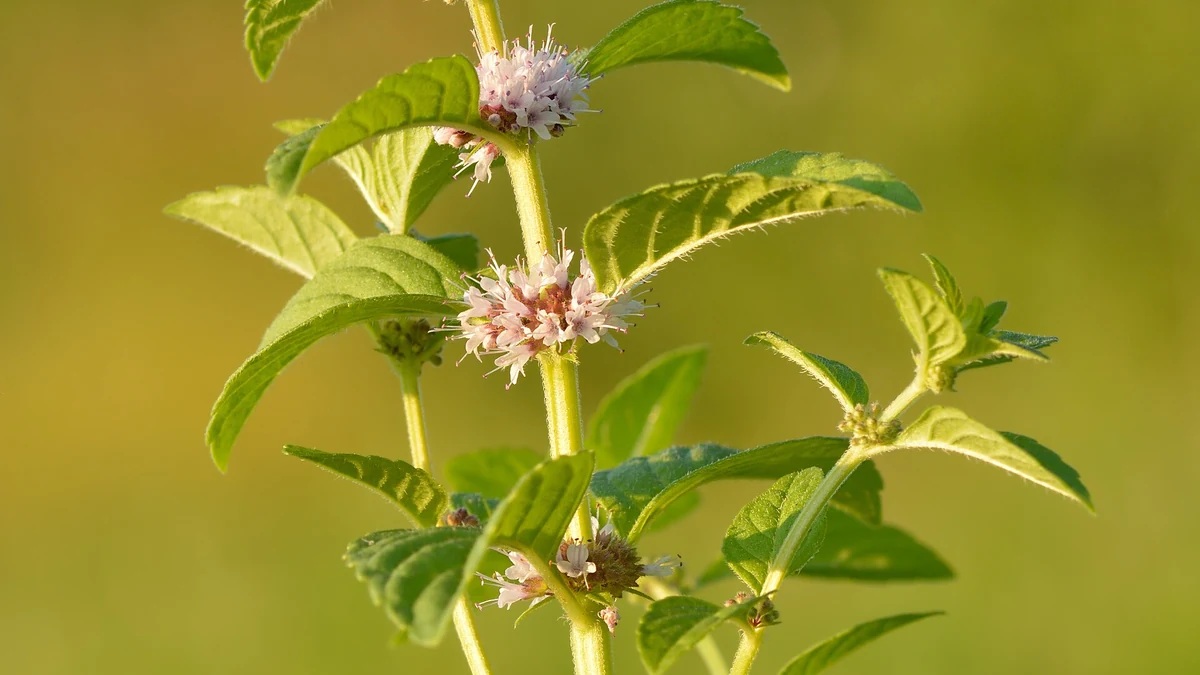
1. Aaj Ka Mentha Oil Rate: UP Spot Mandis & 180 kg Drum Equivalence (Nov 2026)
Wholesale essential oil traders quote mentha oil primarily in Rupees per Kilogram (Rs/kg) for Fair Average Quality (FAQ) crude mint oil meeting standardized L-menthol density (specific gravity 0.890–0.905 at 25°C) and congealing points. Farmgate brokers also calculate consolidated drum settlements per 360 kg contract lot (two 180-kg standard drums) or smaller farmer tin cans (15–20 kg):
| Mandi Hub / Trade Center | State Belt | Spot FAQ Rate (Rs/kg) | 10 kg Tin Rate (Rs) | 180 kg Drum Equivalent (Rs) |
|---|---|---|---|---|
| Barabanki (Deva & Masauli Hub) | Central UP | Rs 935 - Rs 1,025 | Rs 9,350 - Rs 1,0250 | Rs 1,68,300 - Rs 1,84,500 |
| Sambhal & Chandausi Mandi | Western UP (MCX Hub) | Rs 945 - Rs 1,040 | Rs 9,450 - Rs 10,400 | Rs 1,70,100 - Rs 1,87,200 |
| Rampur & Bilaspur Belt | Terai UP | Rs 930 - Rs 1,015 | Rs 9,300 - Rs 10,150 | Rs 1,67,400 - Rs 1,82,700 |
| Sitapur, Bahraich & Hardoi | Awadh Belt UP | Rs 920 - Rs 1,005 | Rs 9,200 - Rs 10,050 | Rs 1,65,600 - Rs 1,80,900 |
| Budaun, Shahjahanpur & Bareilly | Rohilkhand UP | Rs 925 - Rs 1,015 | Rs 9,250 - Rs 10,150 | Rs 1,66,500 - Rs 1,82,700 |
| Farmgate Village Kanta (Untested) | Rural Farm Direct | Rs 890 - Rs 975 | Rs 8,900 - Rs 9,750 | Moisture & DMO discount applies |
Source: Indicative spot ranges compiled from UP physical mentha trading associations (Barabanki & Chandausi), Agmarknet aroma/spice receipts, and domestic exporter fractionation benchmarks as of November 2026. Note that village-level purchases frequently deduct 1% to 3% on gross weight or Rs 25–Rs 60/kg when oil contains excess suspended water haze or sub-70% natural L-menthol assay.
2. Why Sambhal, Chandausi & Barabanki Lead Global Mentha Price Discovery
Unlike perishable vegetables forced into immediate sale, farmers across Barabanki, Sitapur, Rampur, Moradabad, Sambhal, and Shahjahanpur deposit crude farm-distilled oil into climate-buffered essential-oil warehouses (cold kothis or bonded vaults) holding Exchange-deliverable 180 kg galvanized drums. Fractionation plants located across Barabanki, Bareilly, Rampur, and Noida chill crude natural mentha oil to crystallize Menthol Flakes/Crystals (roughly 52%–58% crystallized yield) alongside Dementholized Peppermint Oil (DMO) and terpenes sold to global oral-care, confectionery, and pharmaceutical giants.
Whenever overseas export inquiries from US, European, or Chinese toothpaste and pharma buyers rise—tracked through spice and essential-oil trade agencies including the Spices Board of India and APEDA—exporters replenish Barabanki and Sambhal drum stocks, pushing aaj ka mentha oil rate sharply higher by Rs 40 to Rs 90/kg within a single week.
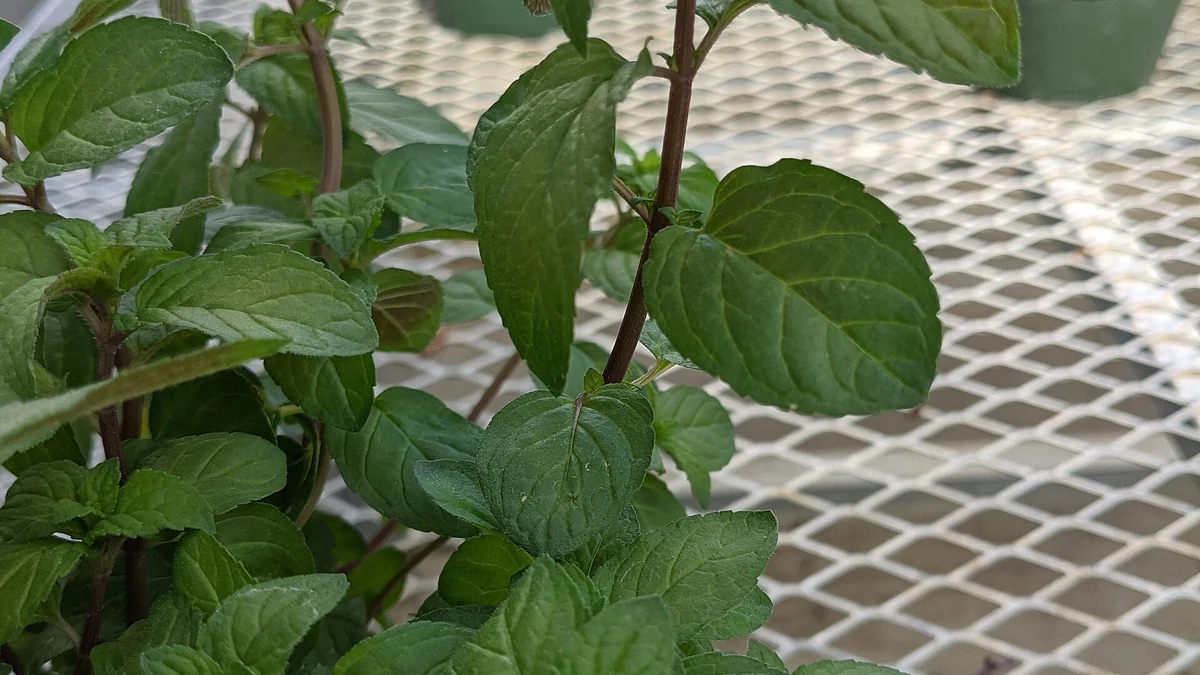
3. High-Oil CIMAP Mentha Varieties vs Net Acreage Return
Choosing certified improved root suckers (jadh or transplanted seedlings) bred by CSIR-CIMAP drastically lifts crude oil output per acre without raising irrigation or firewood distillation charges:
| Mentha Cultivar | Crop Duration | Herb Yield (Qtl/Acre) | Oil Recovery (%) | Total Oil Yield (kg/Acre) | Key Agronomy Benefit |
|---|---|---|---|---|---|
| CIM-Kranti (CIMAP Release) | 95 - 110 Days | 95 - 115 qtl | 0.75% - 0.85% | 65 - 82 kg | Tolerant to early monsoon & winter/summer cold stress |
| Kosi (Early Maturing) | 90 - 100 Days | 90 - 110 qtl | 0.70% - 0.80% | 60 - 75 kg | Saves 1–2 summer irrigations before June monsoon rain |
| Shivalik / Gomti | 105 - 115 Days | 85 - 105 qtl | 0.62% - 0.72% | 52 - 65 kg | High 75%–78% L-menthol assay favored by crystal factories |
| CIM-Unnati / Saksham | 95 - 105 Days | 95 - 110 qtl | 0.72% - 0.82% | 62 - 78 kg | Strong branching recovery for 2nd cut regeneration |
| Local Mixed Sucker Stock | 110 - 120 Days | 70 - 85 qtl | 0.45% - 0.58% | 38 - 48 kg | Low herbage & higher rust/aphid susceptibility |
Source: Varietal oil recovery and L-menthol assays reported in CSIR-CIMAP Lucknow technical extension bulletins and UP horticulture crop demonstrations (2026). Estimate irrigation scheduling needs across May heatwaves using our crop irrigation calculator and track balanced urea/potash nutrition via our fertilizer dosage calculator and NPK 19:19:19 foliar guide.
4. Four Quality Checks That Decide Your Actual Mentha Oil Mandi Price
Farmers bringing 15-kg or 40-kg jerrycans to Sambhal, Barabanki, or Rampur commission agents often wonder why one farmer receives Rs 1,015/kg while another receives Rs 910/kg on the exact same day. Four laboratory and physical tests govern net payment:
- L-Menthol Percentage (GLC Test — Benchmark >=70%): Crude Mentha arvensis harvested too early (before lower leaves turn slightly yellow and 10% flower buds emerge) drops below 65% L-menthol, inviting heavy Rs 50–Rs 120/kg lab deductions.
- Suspended Water Moisture ("Paani" Settlement): Oil tapped straight out of a rustic farm condenser carries micro-droplets of steam condensation. Allowing crude oil to settle 48 hours and decanting clear top oil prevents immediate 1%–3% moisture weight cuts.
- Container Purity & Zero Plastic Leaching: Storing hot freshly condensed mentha oil inside low-grade colored PVC cans dissolves plasticizers that turn oil yellowish-dark and fail export testing. Always use food-grade natural white HDPE drums or clean galvanized steel barrels.
- Zero Synthetic Menthol / Pine Oil Mixing: Gas Liquid Chromatography (GLC) analyzers at every major UP mandi instantly detect added synthetic dl-menthol, castor oil, or paraffin adulterants—leading to blacklisting and zero auction bids.
5. Profit Math, Synthetic Competition & Government Support for UP Mint Farmers
Since 2020, global chemical manufacturers (BASF, Symrise) expanded petrochemical synthetic L-menthol capacity, creating an effective price ceiling around Rs 1,100–Rs 1,250/kg for Indian natural mentha oil whenever international oil/natural gas feedstocks remain cheap. Conversely, whenever unseasonal May hailstorms or delayed pre-monsoon showers cut UP June oil arrivals, spot rates rally smartly. Smart growers trim field expenses by pairing early rice-wheat-mentha relay planting ("Early Mint Technology" via March transplanting into wheat beds) with pressurized drip lines and energy-efficient double-drum stainless condensers.
Evaluate per-acre margins (gross oil receipts minus Rs 28,000–Rs 35,000 cultivation and firewood steaming charges) using our crop income calculator, compute solar distillation/drip subsidies via our subsidy calculator, finance spring inputs cheaply through KCC loan eligibility, and check rural enterprise programs on our government schemes portal. Protect summer acreage against heatwave crop failure via PMFBY crop insurance, track PMFBY payout status, complete AgriStack Farmer ID registration, and explore broader commodity trades across mentha oil price benchmarks, mentha crop economics, and KisanPe Mandi Price Watch.
Frequently asked questions
- What is aaj ka mentha oil rate per kg and per 180 kg drum in UP mandis?
- Indicative physical spot benchmarks in November 2026 range from Rs 920 to Rs 1,040 per kg across Barabanki, Sambhal, Chandausi, Rampur, and Sitapur for FAQ crude oil (>70% L-menthol), translating to roughly Rs 1,65,600 to Rs 1,87,200 for a standard 180-kg commercial drum listed under Agmarknet spice/aroma arrivals.
- Which city in India sets the benchmark rate for mentha oil?
- Barabanki (Central UP) leads physical spot distillation trading and crystal fractionation, while Chandausi and Sambhal (Western UP) serve as primary Multi Commodity Exchange (MCX) physical delivery centers. Compare local UP spreads in our Barabanki mentha oil rate guide.
- How much mentha oil is obtained per acre in Uttar Pradesh?
- With high-yielding CSIR-CIMAP cultivars such as CIM-Kranti, Kosi, or CIM-Unnati and two summer cuts (May and early July), growers harvest 55 to 80 kg of essential oil per acre compared to 38–48 kg from older local planting stock.
- Why does oil recovery rise when harvested mint dries slightly in the field before boiling?
- Wilting cut Mentha arvensis foliage in shaded heaps for 12 to 24 hours cuts moisture bulk by 30%–40%, allowing denser packing inside the village steam tanker, saving firewood fuel, and delivering faster, cleaner oil separation.
- How does GLC quality testing affect the mentha oil rate paid to farmers?
- Wholesale traders test L-menthol percentages via Gas Liquid Chromatography (GLC). Oil assaying 70%–75% natural L-menthol gets standard mandi rate, while unripe oil below 66% or water-cloudy drums face steep Rs 40–Rs 120/kg deductions.
- How do farmers check exact profit margins between wheat-mentha-paddy crop rotations?
- Deduct sucker nursery, weeding, 6–8 tube-well irrigations, fertilizers, and Rs 300–Rs 450/drum steaming boiler charges from gross oil revenue (Yield kg × Mandi Rate). Stress-test exact returns via our crop income calculator.
- When is the peak harvest season for fresh mentha oil arrivals in UP mandis?
- First-cut steam distillation begins across Sitapur, Barabanki, and Sambhal in mid-May and peaks sharply through June before Southwest monsoon rains arrive, with smaller second-cut deliveries extending into mid-July.
- Why do synthetic menthol imports impact aaj ka mentha oil rate in India?
- Global flavour and toothpaste corporations switch partially toward petrochemical synthetic L-menthol whenever natural UP mentha prices surge significantly above synthetic benchmarks, capping extreme speculative spikes around Rs 1,100–Rs 1,250/kg.
- Can mentha farmers avail government subsidies on solar/stainless distillation units?
- Yes. Through UP Horticulture Mission (MIDH), CSIR-CIMAP Aroma Mission clusters, and ICAR FPO mechanization schemes, farmer groups receive 35%–50% capital support for fuel-efficient stainless steel field distillation units. Estimate grants via our subsidy calculator.
- What is the ideal container for storing crude mentha oil cleanly for 6 to 12 months?
- Filter settled moisture completely through dry cotton cloth and store oil brim-full with minimal headspace inside food-grade galvanized steel barrels or virgin white HDPE jerrycans sealed airtight away from direct sunlight.
- Should growers store oil inside private cold storages after June distillation?
- During June peak arrivals, spot prices frequently dip Rs 40 to Rs 80/kg due to immediate cash sales by smallholders. Farmers without urgent debt pressure often hold airtight clean oil until October–January winter export buying recovers.
- How does aaj ka mentha oil rate differ from dementholized oil (DMO) rate?
- Farmgate crude oil contains 70%+ L-menthol and commands the headline mandi rate, whereas DMO is the remaining peppermint fraction left after factories freeze out 52%–58% solid menthol crystals, trading separately for industrial mint flavourings. Check grower conversion tips on our mentha oil ka aaj ka rate guide.
This article is for general information only and is not financial advice. Loan and scheme eligibility depends on partner and government criteria.