Custodia Fungicide (Azoxystrobin 11% + Tebuconazole 18.3%)
Key takeaways
- Custodia fungicide (marketed by ADAMA India alongside generic CIB&RC equivalents) carries Azoxystrobin 11% + Tebuconazole 18.3% w/w SC—combining strobilurin (FRAC Group 11) and curative triazole (FRAC Group 3) chemistry.
- Registered under India's CIB&RC / PPQS framework, approved label uses span Chilli fruit rot & powdery mildew (240 ml/acre), Paddy sheath blight (300 ml/acre), Onion purple blotch (300 ml/acre), Tomato/Potato blights (300 ml/acre), Wheat yellow rust (300 ml/acre), Grapes mildews (300 ml/acre), and Apple scab (1 ml/L).
- For standard 15-litre knapsack pumps, mix roughly 20 to 22.5 ml Custodia fungicide per tank (diluting ~300 ml/acre evenly across 200 to 320 litres water depending on canopy density).
- Honor mandatory Pre-Harvest Intervals (PHI): typically ~5 days for Chilli and ~7 days for Onion, Tomato, and Grapes per CIB&RC label rules so produce stays export- and kitchen-safe.
- Indicative retail prices (November 2026) hover roughly near ₹250–₹340 (100 ml), ₹600–₹780 (250 ml), and ₹1,150–₹1,480 (500 ml) depending on GST and dealer pack tiers.
When humid post-monsoon dew spreads purple blotch rings across onion stalks, early/late blight threatens high-value potato or tomato plots, or chilli fruit rot flares overnight after rain, growers frequently rely on Custodia fungicide (flagship ADAMA formulation alongside registered generics) for rapid dual-mode crop protection. Anyone searching Custodia technical name or Custodia fungicide content needs accurate chemistry numbers before buying: every bottle delivers Azoxystrobin 11% + Tebuconazole 18.3% w/w SC (Suspension Concentrate), marrying a protective strobilurin barrier with a hard-hitting curative triazole eradicant! Review statutory CIB&RC and PPQS approved crop doses (240–300 ml/acre), Pre-Harvest Intervals, and resistance rotations alongside our detailed Custodia price breakdown, Amistar Top comparison, Nativo vs Custodia review, and systemic fungicide hub. Verify related KisanPe comparisons and official portal references via paddy IPM, onion purple blotch, potato blight, wheat rust.
1. Custodia Technical Content, Mode of Action & CIB&RC Dose Chart
Why does ADAMA Custodia deliver sharp recovery even when initial leaf blight spots already appear on potato, chilli, or paddy tillers? Notice the balanced chemical ratio inside Azoxystrobin 11% + Tebuconazole 18.3% SC: Azoxystrobin (FRAC Group 11 QoI) coats both upper and lower leaf cuticles translaminarly, blocking fungal spore germination and respiration while giving an observable green chlorophyll retention boost—while higher-loaded Tebuconazole (FRAC Group 3 DMI triazole) rapidly penetrates green stems systemically to inhibit fungal ergosterol cell membranes and arrest established mycelium inside infected tissue! Compare official approved crop labels below:
| CIB&RC Approved Crop | Target Fungal Disease(s) | Recommended Dose / Acre | Recommended Water Vol. / Acre | Indicative PHI / Timing Notes |
|---|---|---|---|---|
| Chilli | Fruit Rot (Anthracnose), Powdery Mildew & Die-back | 240 ml / acre | 200 – 300 Litres (~16–18 ml/15L pump) | ~5 days PHI (chilli disease IPM) |
| Paddy (Rice) | Sheath Blight (Rhizoctonia solani) | 300 ml / acre | 320 Litres (~200–320L canopy base) | Booting / waterline tiller spray (paddy IPM) |
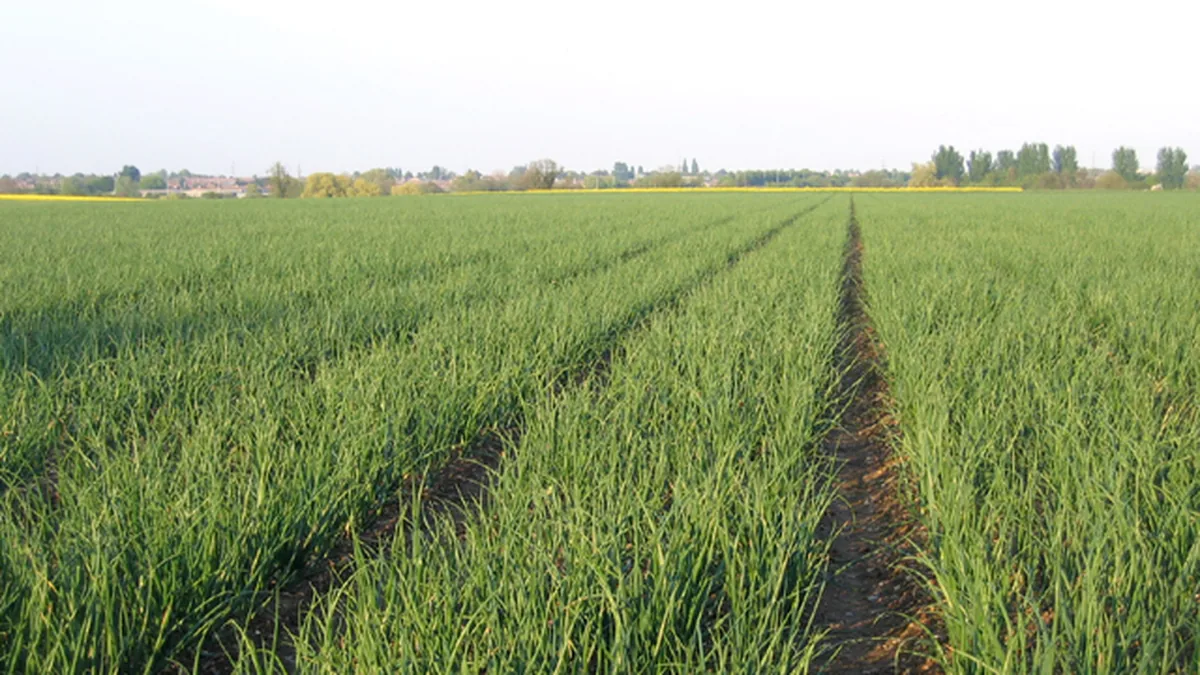
| Onion | Purple Blotch (Alternaria porri) | 300 ml / acre | 320 Litres (~20–22.5 ml/15L pump) | ~7 days PHI (onion purple blotch) |
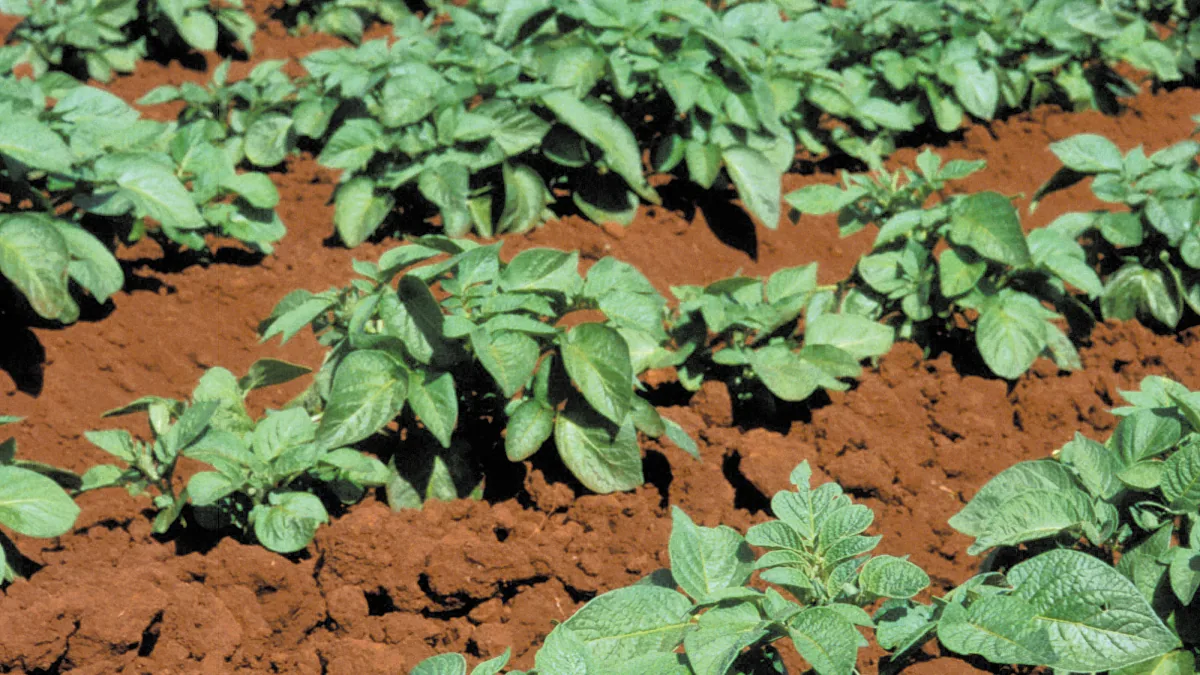
| Tomato & Potato | Early Blight & Late Blight | 300 ml / acre | 200 Litres | ~7 days PHI (tomato) · preventative / first spot (potato blight) |
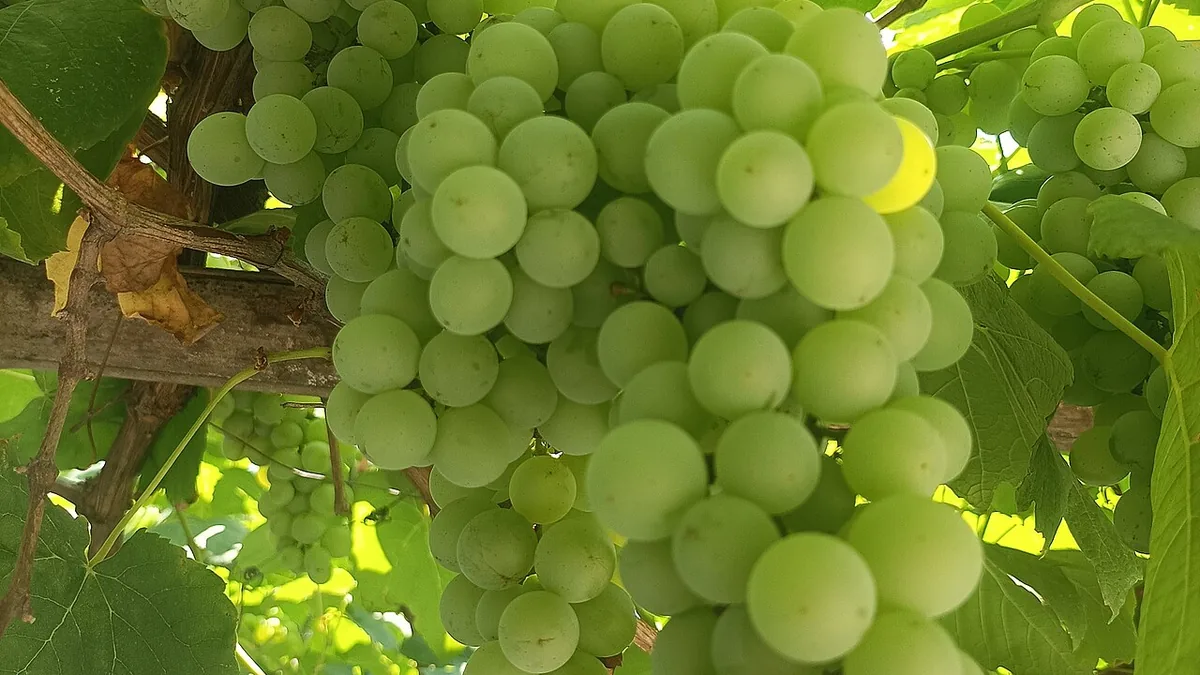
| Wheat & Grapes | Yellow Rust (Wheat); Downy & Powdery Mildew (Grapes) | 300 ml / acre | 200 Litres | ~7 days PHI (grapes); watch early rust streaks (wheat rust) |
| Apple (Temperate Orchards) | Scab, Powdery Mildew & Premature Leaf Fall | 1.0 ml per litre water | 8 – 12 Litres per mature tree | Follow orchard spray-round calendar |
When measuring cleanly for standard 15-litre knapsack sprayers, dissolve approximately 20 to 22.5 ml per pump for 300 ml/acre crops (applying roughly 13 to 15 pumps per acre so droplets wet stem bases and lower leaf undersides evenly). Using too little spray water (60–80 L/acre) leaves hidden inner canopy spores untouched! Check calibrated nozzles inside our spray machinery hub, battery sprayer guidelines, and daily KisanPe weather spray forecast.
2. Comparing Custodia vs Amistar Top vs Tilt vs Nativo Fungicide
Dealers frequently line up Custodia, Amistar Top, Nativo, and Tilt along the exact same shelf—so understanding exact active chemical differences prevents redundant spraying or blowing budgets needlessly:
- Custodia (Azoxystrobin 11% + Tebuconazole 18.3% SC @ 240–300 ml/acre): Slightly higher Tebuconazole triazole push compared to Amistar Top, making Custodia strongly favored by North/West Indian growers targeting aggressive Onion Purple Blotch, Chilli Fruit Rot / Die-back, Potato Early Blight, and Wheat Yellow Rust / Paddy Sheath Blight.
- Amistar Top (Azoxystrobin 18.2% + Difenoconazole 11.4% SC @ 200 ml/acre): Carries higher Azoxystrobin concentration (~18.2%) paired with gentler Difenoconazole, widely favored across South India on chilli, vegetable nurseries, and paddy booting (check Amistar Top price & specs).
- Tilt (Propiconazole 25% EC @ 200 ml/acre): A cost-efficient single-mode FRAC 3 triazole workhorse on wheat rusts and paddy sheath blight (Tilt Propiconazole guide), best rotated with multi-mode sprays rather than repeated consecutively.
- Bavistin / Saaf (Carbendazim / Mancozeb WP): Lower-cost nursery seed treatment (Bavistin uses) or seedling protective spray (Saaf WP), though inferior to dual strobilurin-triazole SCs under fierce active monsoon blight.
3. Indicative Custodia Fungicide Price & Field Mixing Guidelines (2026)
Across Indian district agro-retail shops as of November 2026, indicative Custodia fungicide pack rates typically run roughly ₹250 to ₹340 for 100 ml, ₹600 to ₹780 for 250 ml (nearly 1 full chilli/onion acre!), ₹1,150 to ₹1,480 for 500 ml, and ₹2,180 to ₹2,850 per 1-litre bottle depending on GST, state distributor margins, and branded ADAMA vs generic equivalent packaging. Verify intact foil tamper seals, scannable company batch codes promoted by ICAR advisories, and valid manufacture dates before buying.
Always shake the dense white liquid Suspension Concentrate well for 30 seconds prior to measuring; pre-dilute your 240–300 ml dose inside a 2-litre clean water bucket before pouring into a half-filled spray drum while agitating cleanly. Never apply during blazing 38°C mid-day sunlight or ahead of approaching thunderstorms checked on our weather advisory, wear waterproof gloves, goggles, and masks, and avoid flushing tank wash water near fish ponds since Azoxystrobin harms aquatic fauna.
4. Resistance Rotation & Nutrition Steps to Prevent Monsoon Disease Rebound
Notice one subtle mistake vegetable growers make every Kharif: even though Custodia fungicide mixes FRAC 11 + FRAC 3 actives, applying any strobilurin-based blend more than twice sequentially on the same crop selects mutated resistant fungal populations! Alternate cleanly with multi-site contact protectants, biological Trichoderma antagonists, or distinct modes summarized inside our fungicide rotation handbook. Equally important: excess top-dressed nitrogen (Urea) produces soft juicy tissues that fungal spores slice through rapidly! Balance plant immunity cleanly using our Fertilizer Calculator paired with Potash, Boron 20%, clean certified seed varieties, and tomato disease IPM checklists—financed affordably via a Kisan Credit Card.
Growers managing high-value Onion, Chilli, Tomato, and Potato blocks across Nashik, Guntur, Kolar, and Agra see peak economic return from Azoxystrobin 11% + Tebuconazole 18.3% w/w SC strictly through proactive early-threshold timing rather than emergency salvage sprays after foliage turns completely black! In humid Kharif onions, initiate the first prophylactic spray cleanly when tiny elliptical purple blotch flecks (2–3 mm) appear at leaf bases after intermittent drizzle—remember onion leaves carry slick waxy cuticles, so adding an approved non-ionic agricultural sticker/spreader ensures fine mist beads spread evenly across upright tubular leaves instead of rolling off straight into the soil. In Guntur and Byadagi chillies, timing 240 ml/acre sprays right as bright-pink Colletotrichum anthracnose sunken lesions show on early ripening green pods preserves lucrative crimson dry pod color without blotchy sun-scald downgrades at spice auctions!
Before loading any insecticide or water-soluble fertilizer tank mix alongside Custodia, perform a transparent 5-minute glass-jar compatibility check with your actual local borewell water—extremely alkaline (pH > 8.2) or muddy canal water accelerates chemical breakdown unless settled cleanly first! Also protect morning pollinator activity carefully across blooming cucurbits, mustard, and orchard plots: execute fungal sprays late afternoon once daytime bees return to hives, honor mandatory 5–7 day Pre-Harvest Intervals (PHI) strictly before market picking, inspect tamper-proof batch codes and CIB&RC CIR registration lines at retail counters, and triple-rinse empty bottles responsibly away from farm irrigation wells. In commercial tomato, potato, and grape blocks where dense foliage canopies trap overnight dew for 10+ hours, calibrate boom spray pressures cleanly around 40–55 PSI using flat-fan or hollow-cone brass nozzles angled sideways into lower stems—because upper leaf sprays alone leave hidden soil-splashed zoospores thriving deep beneath mulch plastic sheets! Pairing timely preventive disease shielding with balanced drip irrigation schedules, clean furrow drainage ahead of cyclone alerts, and healthy organic compost incorporation inside ridges keeps systemic fungicides performing sharply season after season without escalating input debt across high-value Indian horticulture clusters. Moreover, field scouts should record exact spray dates, active technical chemical groups sprayed (FRAC 11 vs FRAC 3), and ambient morning moisture observations inside a pocket crop diary across onion, tomato, potato, and paddy fields: rotating sequentially to non-strobilurin multi-site protectants or copper/bio-control cycles breaks resistant fungal spore carryover reliably before subsequent wet spells hit! Recording real weather efficacy alongside mandi fruit-grade results over two monsoon crops lets vegetable growers measure exactly how much net marketable profit timely dual-mode spray schedules protect across every cultivated acre. Remember that early prophylactic sprays triggered at the exact first damp cloudy forecast prevent devastating late-blight and purple-blotch outbreaks far more economically than repeated late salvage dosing after dead foliage spots already cover leaves—saving spray water, labor, and market fruit appearance across high-value vegetable clusters cleanly.
5. Frequently Asked Questions on Custodia Fungicide Uses & Dose
Get direct verified answers covering Custodia technical ingredients, CIB&RC per-acre and per-pump doses, 5–7 day Pre-Harvest Intervals, tank mixing, and pricing.
Frequently asked questions
- What is the technical name and content of Custodia fungicide?
- Custodia fungicide contains Azoxystrobin 11% + Tebuconazole 18.3% w/w SC (Suspension Concentrate), combining preventive strobilurin (FRAC Group 11) and curative triazole (FRAC Group 3) modes registered under India's CIB&RC framework.
- What are Custodia fungicide uses and recommended dosage per acre?
- Per official PPQS labels, spray 240 ml/acre on Chilli (fruit rot, powdery mildew, die-back) and 300 ml/acre on Paddy (sheath blight), Onion (purple blotch), Tomato & Potato (early/late blight), Wheat (yellow rust), and Grapes (mildews)—compare full pack tiers in our Custodia price page.
- How much Custodia fungicide should be added per 15-litre spray pump?
- For standard 15-litre backpack sprayers delivering 13–15 pumps per acre (~200–225 L water), measure 20 to 22.5 ml of Custodia per pump after shaking the bottle well—aiming toward lower canopies checked on our spray advisory.
- What is the mandatory Pre-Harvest Interval (PHI) after spraying Custodia?
- Honor strict label waiting intervals between your last spray and harvest picking: typically 5 days for Chilli and 7 days for Onion, Tomato, and Grapes, ensuring safe kitchen and export residue limits (chilli harvest guidelines).
- What is the indicative price of Custodia fungicide 250 ml and 500 ml in India?
- Indicative November 2026 retail rates across licensed Indian agro-counters run around ₹250–₹340 (100 ml), ₹600–₹780 (250 ml), and ₹1,150–₹1,480 (500 ml) depending on state GST and brand source.
- What is the difference between Custodia and Amistar Top fungicide?
- Both combine Azoxystrobin strobilurin with a triazole! Custodia pairs 11% Azoxystrobin + 18.3% Tebuconazole (widely favored for onion purple blotch, chilli die-back & potato blight), whereas Amistar Top packs 18.2% Azoxystrobin + 11.4% Difenoconazole—compare options via our systemic fungicide guide.
- Can Custodia fungicide control bacterial blight or leaf curl virus?
- No. Custodia exclusively targets true fungal infections (blights, purple blotch, rusts, powdery & downy mildews, anthracnose); it has zero control over bacterial leaf spots or insect-borne viral leaf curl.
- How many times can I spray Custodia in a single crop season?
- Limit consecutive strobilurin-triazole sprays to 1 or 2 times maximum per season, rotating cleanly with multi-site contact protectants or biological Trichoderma to block resistance buildup.
This article is for general information only and is not financial advice. Loan and scheme eligibility depends on partner and government criteria.