Ginger Mysore Rate Today: Periyapatna & Hunsur Mandi Price
Key takeaways
- Mysuru district (Periyapatna, Hunsur, HD Kote) and neighboring Hassan/Kodagu belts act as India’s single largest commercial fresh ginger supply corridor, trading both green New Ginger and dried Sonth nationwide.
- Indicative APMC auction prices in November 2026 range at Rs 1,400–Rs 2,300/qtl (Rs 14–Rs 23/kg) for fresh green Mysuru ginger (~Rs 1,600 modal in Periyapatna; ~Rs 2,000–2,300/qtl in Hunsur), while cured dry ginger (Sonth) trades at Rs 16,000–Rs 17,300/qtl.
- Improved ICAR-IISR varieties such as IISR Varada (200-day maturity, low 3.3%–4.5% fiber) deliver 50–70 quintals/acre commercial farm yields (up to 90 qtl/acre optimal)!
- Because rhizome soft rot (Pythium) and bacterial wilt (Ralstonia) destroy entire plots rapidly, raised-bed solarization, disease-free seed treatment, and Trichoderma mulching safeguard profits.
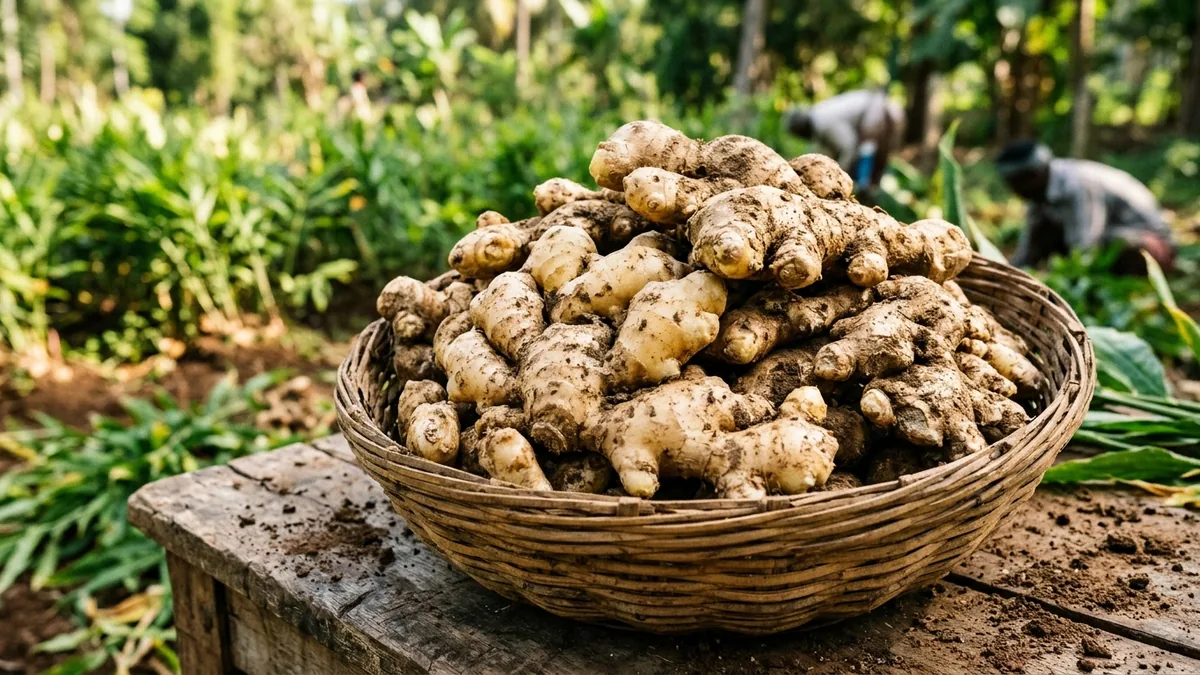
Tracking ginger Mysore (Mysuru Shunti / Adrak) mandi prices across Karnataka is essential not only for local Hunsur, Periyapatna, and HD Kote growers, but also for spice wholesalers in Delhi Azadpur, Mumbai Vashi, Pune, and Bengaluru—because Mysuru–Hassan–Kodagu red-soil rainfed plateaus produce a massive share of India’s commercial fresh green ginger! Every morning between July and March, wholesale commission traders check Periyapatna and Hunsur APMC auction spreads alongside Agmarknet arrivals to decide whether freshly dug plots justify immediate mud-washed dispatch or leaving dormant plump hands underground safely inside cool soil for off-season spring rallies.
As of November 2026 indicative Karnataka APMC market logs, freshly harvested green Mysore ginger wholesales cleanly between Rs 1,400 and Rs 2,300 per quintal (Rs 14 to Rs 23 per kg) depending strongly on rhizome maturity (9-month bold low-shrink Old Stock / Maran vs juicy tender 6-month New Harvest), soil-cleanliness washing, and buyer origin. Meanwhile, fully bleached cured dry Sonth / Chukku commands sharply higher Rs 16,000 to Rs 17,300 per quintal (Rs 160–Rs 173/kg) reflecting roughly 4.5:1 to 5:1 dehydration weight shrinkage alongside Spices Board of India export demand.
1. Ginger Mysore Mandi Price Today: Hunsur, Periyapatna & Dry Sonth (Nov 2026)
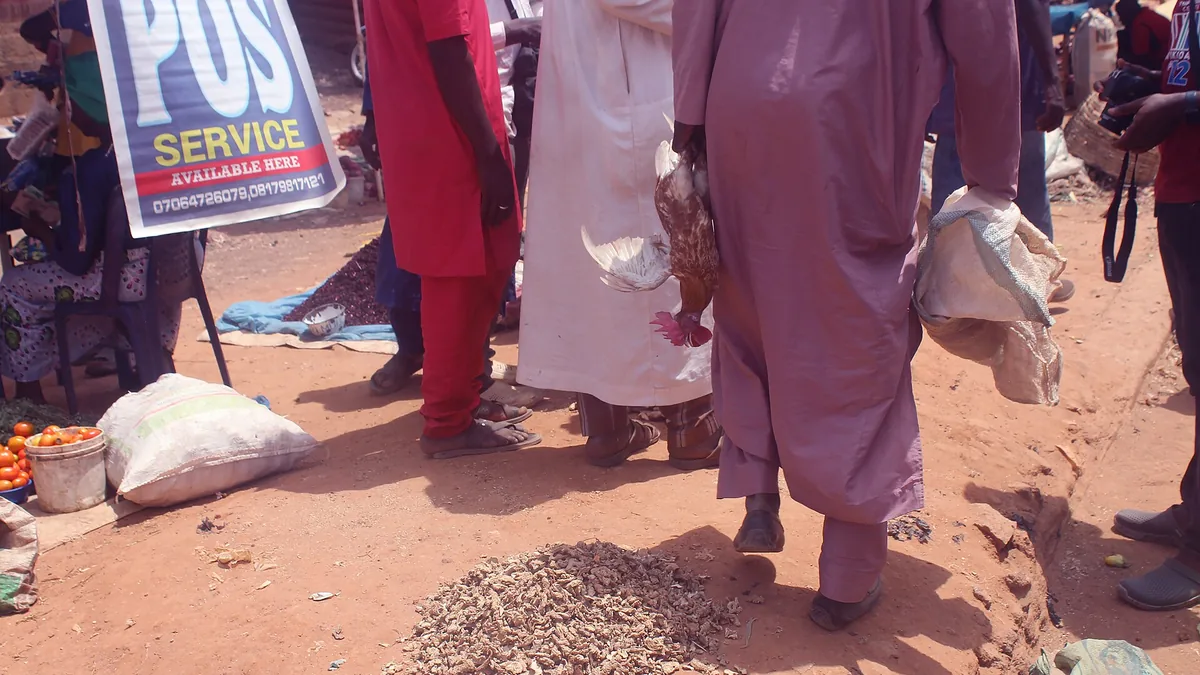
Ginger auction rates in Mysuru district move sharply based on harvest age and skin brightness. Early tender green rhizomes pulled before December still carry delicate flaky outer skins that bruise quickly inside 60 kg sack trucks (limiting travel range and compressing bids), whereas fully cured mature 8–9 month rhizomes (Nadu / Rio / Varada with firm crisp golden meat and thin golden rind) handle Delhi/Jaipur transport cleanly at peak prices!
| Market Hub & Commodity Grade | Core Supply Belts | Indicative Price Band (Nov 2026) | Key Quality & Packing Rule |
|---|---|---|---|
| Hunsur APMC (Fresh Bold Green) | Hunsur, Bilikere & Kodagu Foothills | Rs 2,000 – Rs 2,300 / quintal | Bold low-fiber clean golden Varada & Maran lots |
| Periyapatna APMC (Fresh Green) | Periyapatna, Bettadapura & Hassan Border | Rs 1,450 – Rs 2,050 / qtl (~Rs 1,600 Modal) | Bulk 60 kg nylon net sacks loaded overnight to Chennai/BLR |
| Dry Ginger (Sonth / Chukku) | Mysuru, Hassan, Wayanad & Kochi Mills | Rs 16,000 – Rs 17,300 / quintal | Sun-dried <10% moisture peeled white/unbleached splits |
| Bengaluru APMC (Clean Washed Table) | Mysuru, Chikmagalur & Shimoga Farms | Rs 2,200 – Rs 3,100 / quintal | Jet-washed sparkling clean retail fingers free of wet mud |
| Wayanad / Sulthan Bathery (Border Origin) | Kerala–Karnataka High-Yield Cultivators | Rs 1,800 – Rs 2,600 / quintal | Interstate commercial Nadan & bold Rio-de-Janeiro grade |
| Delhi Azadpur / Mumbai Wholesale | Karnataka & Northeast (Assam/Meghalaya) | Rs 28 – Rs 48 / kg (Rs 2,800–4,800/qtl) | Adds 1,500+ km cold-night freight & sorting margin |
2. Why Mysuru District (Hunsur & Periyapatna) Dominates Karnataka Ginger Trade
Over the past decade, enterprising Kerala planters leasing rich red-loam tobacco-rotated uplands around Hunsur, Periyapatna, Sargur, and Gundlupet created India’s most mechanized ginger corridor—deploying precision tractor bed-shapers (compact tractor implements), pressurized drip fertigation, and green paddy-straw soil mulching:
- Low-Humidity Red Soil Drainage Advantage: Unlike coastal Kerala wetlands where stagnant October monsoon water triggers instant soft-rot epidemics, Mysuru’s porous sloping red sandy loams drain surplus rainwater cleanly away from buried rhizomes!
- Harvest Timing Flexibility ("Soil-Holding Arbitrage"): Because mature 8-month ginger stays safe underground inside unwatered winter soils for 2–3 extra months (leaving un-dug stock till Feb–April), Hunsur farmers avoid dumping everything into low November gluts—digging slowly ONLY as Delhi/Pune bids improve.
- Green Fresh vs Dry Sonth Export Conversion: Remember ~4.5 to 5 kg fresh raw ginger yields 1 kg dry cured ginger. Whenever green rates sink below Rs 1,600/qtl (Rs 16/kg) while clean Sonth fetches Rs 16,500+/qtl (Rs 165/kg), drying low-fiber spices cleanly like turmeric on solar yards protects family income sharply!
3. Top ICAR Ginger Varieties (IISR Varada), Raised-Bed Agronomy & Soft Rot Defense
Choosing certified clean seed rhizomes rather than infected village leftovers separates a booming 75-quintal harvest from zero-income wilt wipeouts! Follow varieties and integrated soil care released by ICAR-Indian Institute of Spices Research (IISR Kozhikode) and National Horticulture Board (NHB):
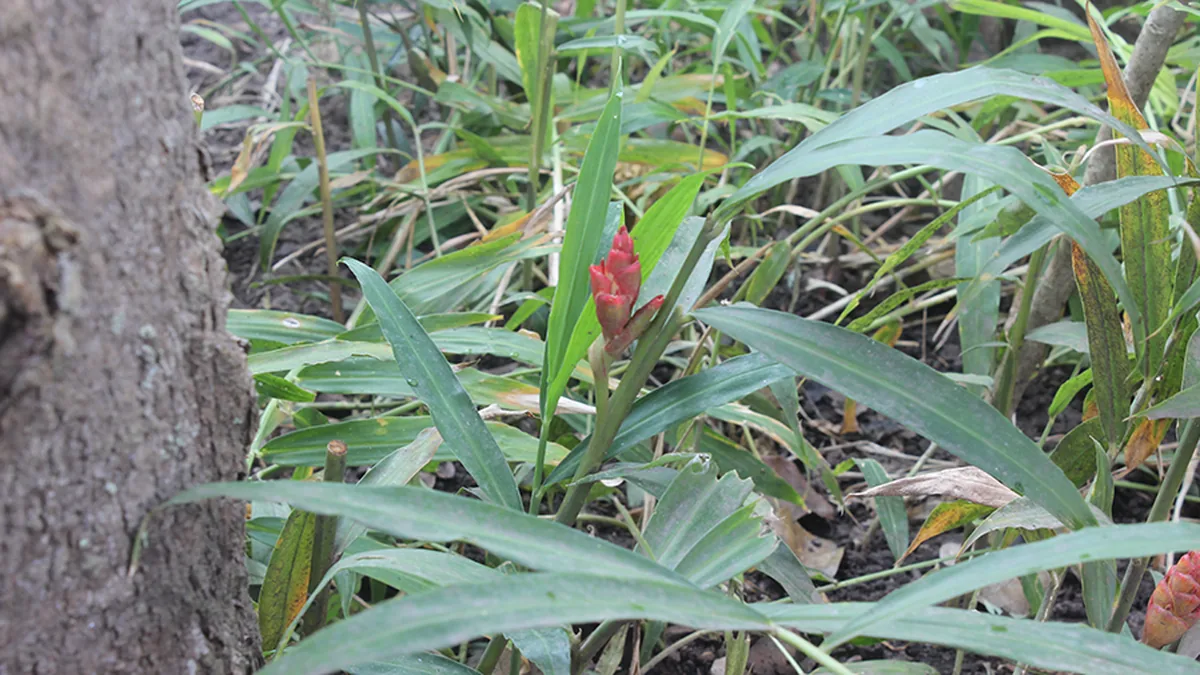
- IISR Varada (Commercial Plains & Mysore Champion): Matures briskly in ~200 days, packing plump smooth low-fiber meat (~3.3%–4.5% crude fiber) and consistent 50 to 70 quintals/acre commercial farm averages (reaching up to 90 qtl/acre under ideal intensive fertigation!).
- Himachal / Rio-de-Janeiro / Maran Cultivars: Pick Maran (~21% dry recovery & bold pungency) when targeting dry Sonth mills or volatile oil/oleoresin extractors (black pepper spice peers).
- Seed Rate & Strict 15-Minute Rhizome Treatment: Plant 600 to 800 kg/acre clean cut seed bits (25–30 g weight carrying 1–2 bold eyes), dipped prior to March–May planting inside clean fungicide-insecticide solution per CIB&RC label rules computed via our pesticide calculator, followed strictly by enriched Trichoderma viride neem-cake bed dressing.
- 30 cm Raised Beds + Heavy Straw Mulching: Form 1-meter wide raised beds separated by deep 40 cm monsoon runoff channels, cover rows thoroughly twice (at planting and 45 DAS weeding) with green leaf/paddy-straw mulch, supply split potash via our fertilizer dosage tool & Soil Health Card plan, and schedule clean drip rounds with our irrigation calculator.
4. One-Acre Mysore Ginger Budget, Subsidy Eligibility & Farm Finance
Ginger farming demands serious upfront investment (~Rs 1.15 lakh to Rs 1.55 lakh/acre covering healthy seed rhizomes, organic FYM, drip laterals, straw mulch, and manual weeding/digging labor)—making sharp cost modeling essential before leasing plots! Harvesting 65 quintals/acre cleanly at Rs 2,100/qtl produces Rs 1.36 lakh break-even; hitting 75 quintals during strong spring rates of Rs 3,500–Rs 5,500/qtl shoots gross revenue cleanly to Rs 2.60 to Rs 4.10+ lakh/acre!
Stress-test worst-case vs best-case seasonal margins first via our crop income calculator and farm ROI calculator! Check 40%–55% MIDH drip & shade-net subsidies on our subsidy calculator & central schemes portal, arrange 4% working capital via our KCC loan calculator, insure plots under Karnataka’s notified Weather-Based PMFBY / WBCIS crop insurance (claim checker), track multi-spice diversification across Shimoga supari & turmeric, inspect intercropping guides on coconut estates, and maintain clean Farmer ID enrollment.
5. Protecting Stored Seed Ginger Without Rot Until Spring Planting
Smart Mysuru cultivators never scramble each March paying inflated market rates for unknown disease-carrying planting stock—saving the healthiest disease-free 15% corner of their own high-performing harvest strictly for next season seed:
- Sort & Sun-Shade Cure Gently First: Lift seed rhizomes calmly at full 8.5–9 month senescence without sickle cuts, soak 20 minutes in clean seed-protectant dip, and shade-dry indoors 7 days until cut necks heal crisp dry bark.
- Dry Sand & Sawdust Pit Layering (Zero-Rot Cool Ventilation): Store healed seed hands inside cool shady ventilated huts packed horizontally in thin alternating layers of clean dry river sand or dry wood-shavings (ICAR standard zero-rot pit method) topped cleanly with neem/pangara leaves to repel shoot scale insects cleanly until March planting showers arrive!
Checking regional price parity between Hunsur, Periyapatna, Wayanad (Sulthan Bathery), and Hassan markets also highlights one golden marketing edge for farmer-producer groups: sorting mud-coated freshly lifted ginger cleanly through rotary jet washers and separating thin crooked side roots (chooru) from thick smooth primary golden thumbs raises wholesale buyer bids dramatically across Pune, Mumbai Vashi, and Delhi Azadpur buyers! Whereas dirty wet soil clumps clinging to gunny sacks invite steep 8%–12% tare weight cuts right at weighbridges, bright pre-cleaned export/table grade lots attract competing interstate buyers willing to clear truckloads straight at farm gates.
Finally, growers scaling commercial 2-to-5 acre ginger plots on leased tobacco/maize uplands in Mysuru and Kodagu must respect strict 3-year to 4-year soil rotation cycles rather than replanting consecutive monocrops onto identical beds! Following ginger immediately with nitrogen-fixing pulses (green gram / horse gram / fodder cowpea) alongside deep pre-monsoon summer chisel ploughing + polythene soil solarization breaks destructive bacterial Ralstonia wilt and root-knot nematode populations cleanly while restoring crisp sandy soil porosity for future harvests.
Checking Mysuru district Periyapatna vs Hunsur vs Chamarajanagar seasonal harvest windows also helps smart cultivators plan staggered diggings cleanly: lifting 20% of plots during festive early autumn green-vegetable peaks while holding mature bold IISR Varada beds calmly under dry December–February soil mulch captures both timely cashflow and strong spring Sonth dry-cure parity without renting expensive commercial refrigerated storage vaults.
Frequently asked questions
- What is the ginger Mysore rate today in Hunsur and Periyapatna APMC?
- Indicative November 2026 Karnataka APMC rates quoted on Agmarknet trade around Rs 1,450 to Rs 2,050/qtl (~Rs 1,600 modal) at Periyapatna and Rs 2,000 to Rs 2,300/qtl at Hunsur for fresh green ginger (Rs 14 to Rs 23 per kg), while clean dry ginger (Sonth) trades around Rs 16,000–Rs 17,300/qtl.
- What makes IISR Varada the best ginger variety around Mysuru?
- Bred by ICAR-IISR Kozhikode, IISR Varada matures in ~200 days producing plump attractive low-fiber rhizomes (3.3%–4.5% fiber) ideal for fresh culinary markets while delivering 50 to 70 quintals/acre (up to 90 qtl/acre optimal) with solid disease tolerance.
- How much fresh ginger yield is harvested from 1 acre in Karnataka?
- Under clean raised-bed drip irrigation, thick straw mulching, and NHB seed hygiene, progressive Mysuru and Hassan farmers harvest 50 to 75 quintals per acre (5 to 7.5 tonnes/acre) cleanly per 8–9 month cycle.
- How many kg of fresh green ginger makes 1 kg of dry ginger (Sonth)?
- Because crisp green ginger carries roughly 78%–82% natural water, peeling and drying yields roughly a 4.5:1 to 5:1 dry weight ratio—meaning 4.5 to 5 kg of raw green ginger produces 1 kg of clean dry Sonth.
- Why do Mysuru growers leave ginger unharvested underground until March–April?
- Once dry winter weather sets in and foliage yellows down cleanly without irrigation, healthy IISR Varada hands survive dormant inside cool raised red-loam beds for months—allowing farmers to wait out cheap November gluts without cold storage fees!
- How do farmers stop soft rot (Pythium) in raised-bed ginger plantations?
- Start exclusively with clean disease-free rhizome bits treated via approved CIB&RC dosage protocols, shape 30 cm high raised beds with deep flood drains, enrich soil with Trichoderma viride, and avoid continuous ginger planting on identical soil two years straight.
- What is the ideal seed ginger quantity per acre for commercial planting?
- Plant 600 to 800 kg per acre of plump 25–30 g cut seed pieces carrying 1–2 firm swollen growth eye buds spaced ~25–30 cm × 20–25 cm across 1-meter wide raised beds.
- What subsidies are offered for ginger drip irrigation and mulching in Karnataka?
- Ginger farms qualify for 40%–55% MIDH / PMKSY micro-irrigation subsidies plus horticultural seed/plastic-mulching grants via state horticulture portals—estimate project savings on our subsidy calculator.
- Why is paddy straw mulching considered mandatory for Mysore ginger yields?
- Applying thick green leaves and paddy straw mulch immediately after planting blocks weed germination, prevents monsoon rain splash from washing shallow rhizomes bare, keeps soil cool during March summer heat, and feeds organic earthworms.
- How does washing and grading ginger change buyer bids at Bengaluru or Pune?
- High-pressure jet-washed spotless golden rhizomes free of muddy clay knots save vegetable retailers cleaning hassle and routinely command Rs 500 to Rs 900/qtl premiums over dirt-caked farmgate sacks.
- What is the total cultivation expense per acre for ginger in Mysuru?
- Total 1-acre outlay averages indicatively Rs 1.15 lakh to Rs 1.55 lakh/acre largely driven by heavy 700 kg seed rhizome expenses and hand digging labor—run exact payback sensitivity before planting on our crop income calculator.
- Can ginger be intercropped cleanly inside coconut or arecanut plantations?
- Yes! Because ginger handles 25%–35% filtered partial shade comfortably, growing raised-bed ginger along clean inter-spaces inside coconut or young arecanut gardens yields valuable dual farm profits.
This article is for general information only and is not financial advice. Loan and scheme eligibility depends on partner and government criteria.