Turmeric Rate Today: Erode & Nizamabad Haldi Mandi Prices
Key takeaways
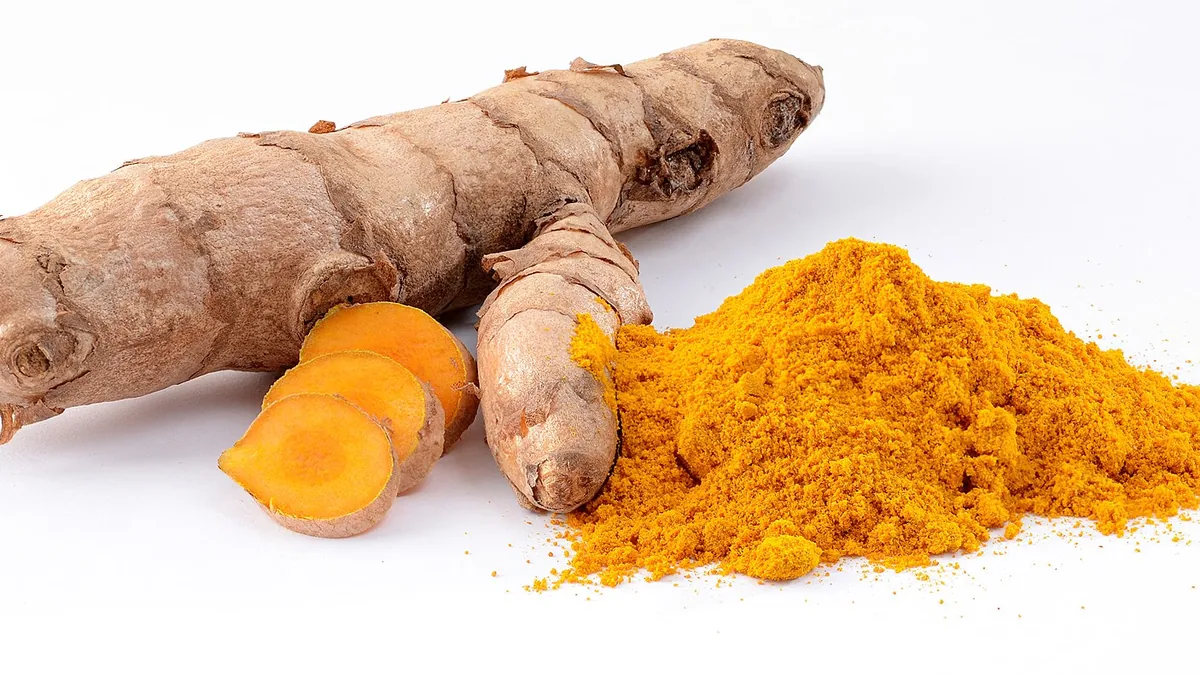
- Indicative Indian APMC spot rates across Nizamabad (Telangana) and Erode (Tamil Nadu) trade strong quality cured finger turmeric broadly between Rs 14,500 and Rs 22,500+ per quintal depending on moisture (<10%), double-polish brightness, and curcumin density.
- Bulb (Gatta) rhizomes typically discount Rs 1,200 to Rs 2,800 per quintal below dense bold single-polished Finger grades, while premium deep-orange Salem, Rajapuri (Sangli), and GI-tagged Erode/Lakadong lots command consistent export premiums.
- India produces ~80% of global turmeric and fulfills ~60% of world trade per Spices Board of India data; curing rhizomes cleanly via improved TNAU/IISR steam boilers preserves natural 3.5%–5.5% curcumin brightness without dark burnt skins.
Tracking the turmeric rate today across India’s premier spice trading corridors—Nizamabad (Telangana), Erode & Salem (Tamil Nadu), Sangli & Basmatnagar (Maharashtra), and Duggirala (Andhra Pradesh)—shapes selling decisions for hundreds of thousands of Haldi growers holding dry cured bags in rural godowns. Because cured dry turmeric resists insect rot for 12 to 24 months comfortably (<9%–10% moisture), price swings follow carry-over NCDEX/spot warehouse inventories, Kharif monsoon rainfall distribution across Maharashtra–Telangana belts, and bulk Spices Board of India export shipments to Bangladesh, UAE, Malaysia, Europe, and North America.
Rather than rushing freshly boiled wet fingers straight onto congested February–March market yards, understanding how Finger vs. Bulb differentials, single/double-polishing drum grades, and curcumin content drive Agmarknet and e-NAM auction bids unlocks substantial extra revenue per quintal alongside practical ICAR-IISR (Indian Institute of Spices Research, Kozhikode) harvest and curing standards.
1. Turmeric Rate Today: Nizamabad, Erode & Sangli APMC Spot Comparison
Haldi quotes depend sharply on origin cultivar, skin polish (unpolished dull yellow vs. smooth lemon-polished drum finished), and sound finger length free from soft hollow pithy cores (daily mandi rates hub):
| Mandi & Origin Variety | Popular Commercial Grade | Indicative Price Band | Primary Buyer & Curcumin Note |
|---|---|---|---|
| Nizamabad APMC (Telangana) | Kandukur / Nizamabad Finger (FAQ) | Rs 15,500 – Rs 21,500 / quintal | NCDEX benchmark delivery; dry glossy sound fingers (<10% moisture) |
| Nizamabad APMC (Bulb / Gatta) | Mother Rhizome Bulb Grade | Rs 13,200 – Rs 17,500 / quintal | Domestic grinding mill stockists blending bold colour powders |
| Erode Turmeric Yard (Tamil Nadu GI) | Erode & Salem Finger (Single/Double Polish) | Rs 15,800 – Rs 22,500+ / quintal | Strong 3.5%–4.5% curcumin; South India spice brands & Gulf exports |
| Sangli / Basmatnagar (Maharashtra) | Rajapuri & Selam Bold Finger | Rs 16,200 – Rs 23,000+ / quintal | Deep saffron-orange Rajapuri & heavy shiny Selam prized by oleoresin extractors |
| Alleppey Finger Export Spec (AFT) | High-Curcumin Kerala / NE Export | Rs 18,500 – Rs 26,000+ / quintal | High >5% curcumin sought strictly for US/EU pharmaceutical nutraceuticals |
| Duggirala & Kadapa (Andhra Pradesh) | Mydukur / Duggirala Finger | Rs 14,500 – Rs 19,200 / quintal | Steady South-Central domestic mill and Bangladesh border trade |
2. What Moves Haldi Mandi Bhav Each Season: 4 Real Price Drivers
- 1. Acreage Shifts Across Marathwada (Hingoli/Basmat) & Nizamabad: Whenever previous monsoon planting booms above 3.2 lakh hectares following a price spike, heavy fresh March–May arrivals compress spot rates downward; conversely, below-normal rain or uneven rhizome rot (Pythium) slashes clean cured tonnage and spikes rates rapidly!
- 2. Curcumin % & Oleoresin Extraction Demand: Pharmaceutical and natural food-coloring buyers don’t just buy weight—they test curcumin content (%)! Varieties like Prathibha (4.5%–6.2% curcumin, ICAR-IISR bred) and Salem/Erode fetch sustained factory bids over pale low-curcumin lots.
- 3. Polishing Quality & Moisture Discipline (<10%): Mandis instantly knock off Rs 800–Rs 1,800/quintal if damp unevenly boiled fingers click dull thud instead of snapping sharply metallic klink between hands!
- 4. National Turmeric Board & Export Volumes: Supported by India’s dedicated National Turmeric Board (Nizamabad) and Spices Board phytosanitary certification, soaring demand for pesticide-residue-free organic haldi opens steady global dollar export floors.
3. High-Yield Turmeric Varieties, Planting & Steam Curing Mastery
Cultivating profitable dry haldi takes 8 to 9 patient months (May/June monsoon planting to January/February digging) with ICAR-IISR Kozhikode varieties delivering markedly higher dry curing recovery (20%–23% dry vs. fresh ratio):
- Top ICAR & State Varieties: IISR Prathibha (~5.5% curcumin, high ~22–25 qtl dry/acre), IISR Kedaram, PTS-10 (Roma) for Odisha/Eastern belts, Salem / Rajapuri for Maharashtra/Telangana irrigated ridges, and ultra-rich Meghalaya Lakadong (>6.5%–7.5% curcumin in cool hill loams).
- Rhizome Seed Rate & Trichoderma Dip: Plant 8 to 10 quintals/acre of plumb healthy disease-free seed rhizomes (~30–35 g bits carrying 2–3 vibrant buds) spaced on well-drained raised beds (90–120 cm wide) fitted with drip + micro-sprinklers so stagnant monsoon rain never rots tubers! Check fertilizer splits with our fertilizer dosage calculator & Soil Health Card guidelines.
- Modern Improved TNAU/IISR Steam Boiling vs. Open Drums: Never over-boil fresh turmeric fingers above 45–60 minutes or soak wet tubers weeks after digging—modern perforated steam-drum boilers cook uniformly cleanly till a dry sharp wooden matchstick pierces thick fingers easily without dulling bright curcumin color or washing precious aroma away!
- Polishing & Clean Grading: Sun-dry boiled fingers 10–15 days on clean cemented floors or elevated racks to brittle <10% dryness, separate heavy Mother Bulbs (Gatta) from primary Fingers (Kalli), and polish cleanly inside rotating mechanical barrel drums BEFORE hauling bags!
4. One-Acre Turmeric Cost, Drip Subsidy, KCC & Godown Holding Math
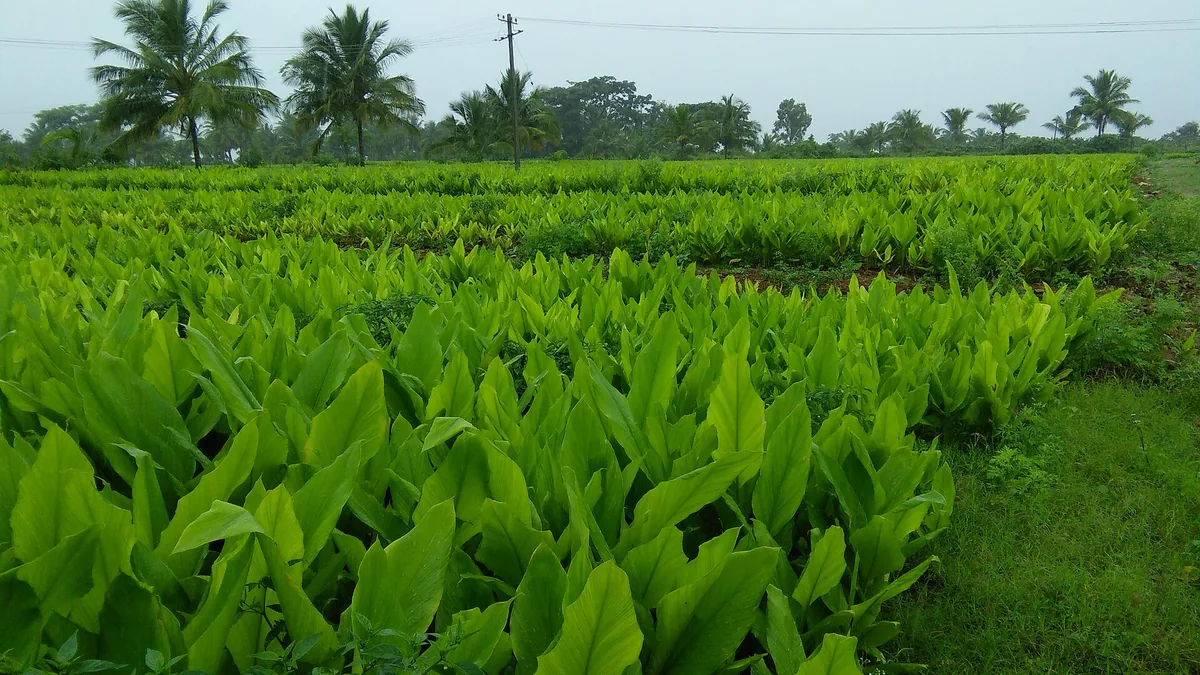
Because turmeric needs hefty quality seed rhizomes, organic FYM, drip layout, and manual harvesting labor, cultivation costs average Rs 75,000 to Rs 1,05,000 per acre—yet well-drained drip-irrigated crops yielding 22 to 28 quintals of dry cured finger turmeric/acre at ~Rs 17,000/quintal earn Rs 3.74 lakh to Rs 4.76 lakh+ gross income, netting robust profits when dry rhizome rot is controlled early!
Simulate multi-month investment returns using our crop income calculator and farm ROI calculator, claim 45%–55% PDMC Drip Irrigation & spice-boiler grants via our agri subsidy calculator & central schemes hub, fund seasonal rhizome budgets at 4% interest on our KCC loan calculator, insure notified spice acreage under PMFBY (status checker), calculate rhizome-rot defense safely using our pesticide calculator, optimize moisture timing via our irrigation planner, compare fellow cash spices like raw ginger prices & black pepper rates, store dry bags securely in WDRA-accredited e-NWR warehouses to dodge February price dips, and confirm Farmer ID enrollment cleanly.
5. Protecting Crops from Rhizome Rot & Storing Dry Haldi Past Monsoon
- Stopping Fatal Pythium Rhizome Rot: Stagnant monsoon puddles around flat beds turn lower leaf collars bright watery-yellow and melt crisp tubers foul overnight. Strictly plant on 15–20 cm raised beds, apply beneficial Trichoderma viride bio-enriched compost (~1 ton/acre FYM pre-incubated!), and follow CIB&RC recommended drenches computed cleanly via our pesticide calculator whenever heavy storms linger.
- e-NWR Pledge Loans Instead of Panic February Selling: Over 60% of annual haldi sales crowd February–April right after drying finishes—allowing well-cured glossy <9.5% moisture finger bags inside WDRA climate-safe vaults unlocks 70% instant warehouse pledge cash at low rates so farmers patiently capture August–November festive rallies cleanly!
- Zero Toxic Lead Chromate Adulteration: Reputable domestic spice millers and export buyers now deploy rapid handheld XRF analyzers scanning polished yellow batches strictly against banned lead chromate brighteners or artificial Metanil Yellow powder—clean natural mechanical polishing with raw turmeric powder retains full export acceptance!
6. Value Addition: Cold-Milling Spice Brands, Lakadong/GI Branding & Oleoresin Links
Indian spice FPOs across Sangli, Erode, Kandhamal, and Nizamabad increasingly skip raw unbranded sack auctions entirely by forming 35%-subsidized PMFME cryogenic spice mills (agro-processing guides)! Because high-speed warm hammer mills boil away delicate turmerone essential oils while scorching yellow aroma dull, slow cool double-stage pulverizers packed immediately into moisture-barrier 200 g and 500 g stand-up pouches command Rs 280 to Rs 450/kg retail—effectively doubling farmer margins cleanly without adding a single extra farming acre!
Notice also how regional Geographical Indication (GI) protections empower organized farmer societies directly on export shelves: Erode Manjal, Sangli Haldi, Kandhamal Haldi, and Waigaon Turmeric hold certified origin status preventing blended adulterated lots from trading under premium heritage reputations! Before hauling March or April curing loads, clean dry fingers over vibrating destoner sieves removing fine mud grit (<1% foreign matter), pack uniform single-polished vs double-polished graded sacks cleanly weighed to 50 kg standards, verify daily spot arrivals across Nizamabad, Sangli, Duggirala, and Erode on Agmarknet and e-NAM, and check statewise haldi mandi profiles alongside turmeric farming agronomy so every harvested quintal captures true intrinsic curcumin value.
Beyond domestic kitchen spice sales, expanding oleoresin extraction plants across Kerala, Karnataka, and Telangana purchase massive continuous volumes of broken cured fingers (nukha) and high-curcumin dried slices strictly tested under Spices Board maximum-residue compliance! Keeping post-flowering soil fungicides within strict pre-harvest waiting periods protects both domestic families and export farmer contracts reliably every season.
Frequently asked questions
- What is the turmeric rate today in Nizamabad and Erode mandis?
- Based on spot Agmarknet and trade benchmarks, dry FAQ cured finger turmeric indicatively trades around Rs 15,500 to Rs 22,500+ per quintal across Nizamabad and Erode, while bold Rajapuri/Selam lots in Sangli occasionally reach higher depending on moisture (<10%) and polish quality.
- Why does Finger turmeric get higher mandi prices than Bulb (Gatta)?
- Secondary Finger rhizomes hold tighter oil density, cleaner uniform curcumin content, lower crude woody fiber, and higher shiny grinding yields—normally commanding Rs 1,200 to Rs 2,800 per quintal more than rounded central Mother Bulbs (Gatta).
- How much dry turmeric yields from 1 acre of crop in India?
- Under drip irrigation and ICAR-IISR high-yielding cultivars like Prathibha or Salem, 1 acre yields 100 to 130 quintals of fresh raw rhizomes, which dry cleanly down (~20%–22% curing recovery) to 20 to 27 quintals of crisp market-ready cured haldi.
- Which state produces the largest share of turmeric in India?
- Per Spices Board of India horticulture production data, Maharashtra (led by Sangli, Hingoli, Nanded) and Telangana (Nizamabad, Jagtial) lead national acreage and tonnage, followed strongly by Tamil Nadu (Erode/Salem), Karnataka, and Andhra Pradesh.
- What is the ideal curcumin percentage exporters look for in Indian haldi?
- Regular kitchen grades carry 2.5% to 3.8% curcumin, standard high-grade Erode/Nizamabad runs 3.8%–4.8%, while specialized ICAR-IISR Prathibha and Meghalaya Lakadong varieties achieve 5.5% to 7.5%+ curcumin prized by nutraceutical extractors.
- Can farmers hold dry turmeric safely inside warehouses to wait for better rates?
- Yes! Properly steam-boiled and dried turmeric (<10% moisture) keeps safely 12 to 24 months without fungal decay; depositing dry sacks into WDRA-registered warehouses lets farmers borrow up to 70% cash via low-interest e-NWR pledge receipts.
- Are PMFBY insurance and KCC loans available for turmeric spice farming?
- Yes, where districts notify turmeric under state crop insurance calendars (check regional PMFBY terms), growers insure weather perils while borrowing 4% crop cultivation finance safely via our KCC loan calculator.
- How do farmers stop rhizome rot fungus in heavy monsoon turmeric beds?
- Plant strictly on elevated 20 cm wide drainage beds, avoid waterlogging, pre-treat soil compost with Trichoderma viride, and apply CIB&RC recommended drenches computed cleanly via our pesticide calculator.
- Why does using steam drums instead of boiling water improve turmeric price?
- Controlled 45–60 minute steam curing cooks uniform starch gelatinization without leaching natural orange curcumin pigments—making dried fingers snap cleanly with deep interior golden glow rather than dull dark burnt rinds.
- Does India have an official National Turmeric Board for farmers?
- Yes, India notified the National Turmeric Board headquartered in Nizamabad alongside the Spices Board to strengthen quality testing, GI branding, value addition, and farmer export market access.
- How many kilograms of turmeric seed rhizomes are needed per acre?
- Planting 1 acre at standard raised-bed spacing requires 8 to 10 quintals (800–1,000 kg) of plump disease-free mother or bold finger rhizome sets carrying 2–3 healthy sprouting buds.
- What is the moisture limit mandis look for when buying dry haldi?
- Quality APMC auctions and NCDEX/WDRA godown vaults check that dry cured fingers hold under 9.5% to 10% internal moisture so rhizomes snap crisply with metallic clicks and avoid storage mold.
This article is for general information only and is not financial advice. Loan and scheme eligibility depends on partner and government criteria.