Groundnut Meaning in Hindi: Moongfali MSP, Yield & Benefits
Key takeaways
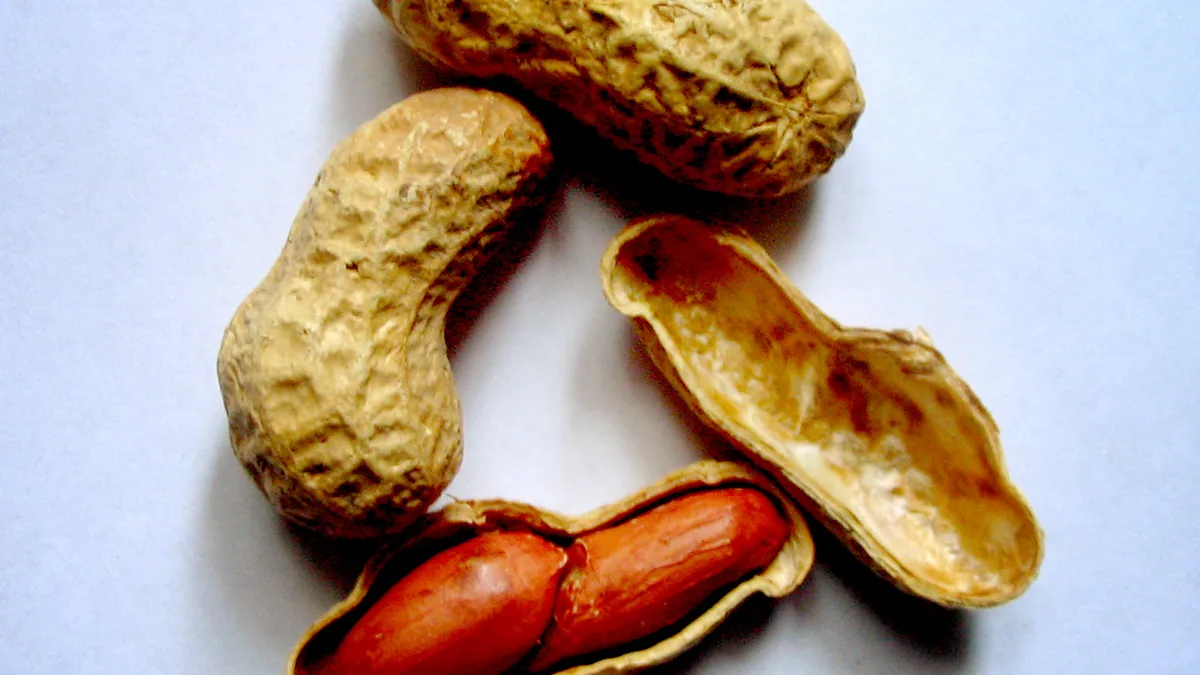
- The exact Hindi translation of Groundnut (Arachis hypogaea / Peanut) is मूंगफली (Moongfali / Mungfali), also called Singdana (shelled kernels) across Gujarat and Maharashtra.
- Approved by CCEA via PIB, the official Government of India Groundnut MSP rose from Rs 7,263/quintal (2025–26) to Rs 7,517/quintal (Kharif 2026–27)!
- Indicative physical APMC pod spot auctions in November 2026 range from Rs 5,600–Rs 7,150/qtl (Rs 1,120–Rs 1,430 per 20 kg Gujarat maund) across Gondal, Rajkot, and Bikaner mandis tracked on Agmarknet.
- Top ICAR varieties—Gujarat GG-20 and Andhra Kadiri-6 (K-6)—deliver 8 to 11 quintals/acre dry pods (~74% shelling kernel ratio, 48% edible oil) when fertilized properly with Gypsum & Sulfur.
Searching for groundnut meaning in Hindi covers two hugely searched Indian queries simultaneously: household learners checking the Hindi translation—मूंगफली (Moongfali / Mungfali) for unshelled pods and मूंगफली दाना / सींगदाना (Moongfali Dana / Singdana) for shelled crisp kernels—alongside farmers tracking daily Moongfali mandi prices, Groundnut MSP 2026, and GG-20 / Kadiri-6 cultivation yields! Cultivated extensively across Gujarat (Saurashtra’s Junagadh, Rajkot, Amreli belt contributing ~40% of national production), Rajasthan (Bikaner, Jodhpur, Sikar), Tamil Nadu, and Andhra Pradesh, groundnut ranks as India’s premier edible oilseed and export nut.
Backed by the Cabinet Committee on Economic Affairs (CCEA) notified via PIB (pib.gov.in), official Government of India Groundnut MSP (in-shell pods) rose sharply from Rs 7,263 per quintal (Kharif 2025–26) to Rs 7,517 per quintal (Kharif 2026–27)—procured physically by state agencies and NAFED whenever open market pod prices soften below statutory support during November–January arrival peaks! Open physical auctions across Gondal, Rajkot, Deesa, and Bikaner indicatively clear between Rs 5,600 and Rs 7,150/quintal (Rs 1,120–Rs 1,430 per 20 kg Gujarat maund) on Agmarknet.
1. Groundnut Meaning in Hindi, Botanical Terms & Indian Trade Names
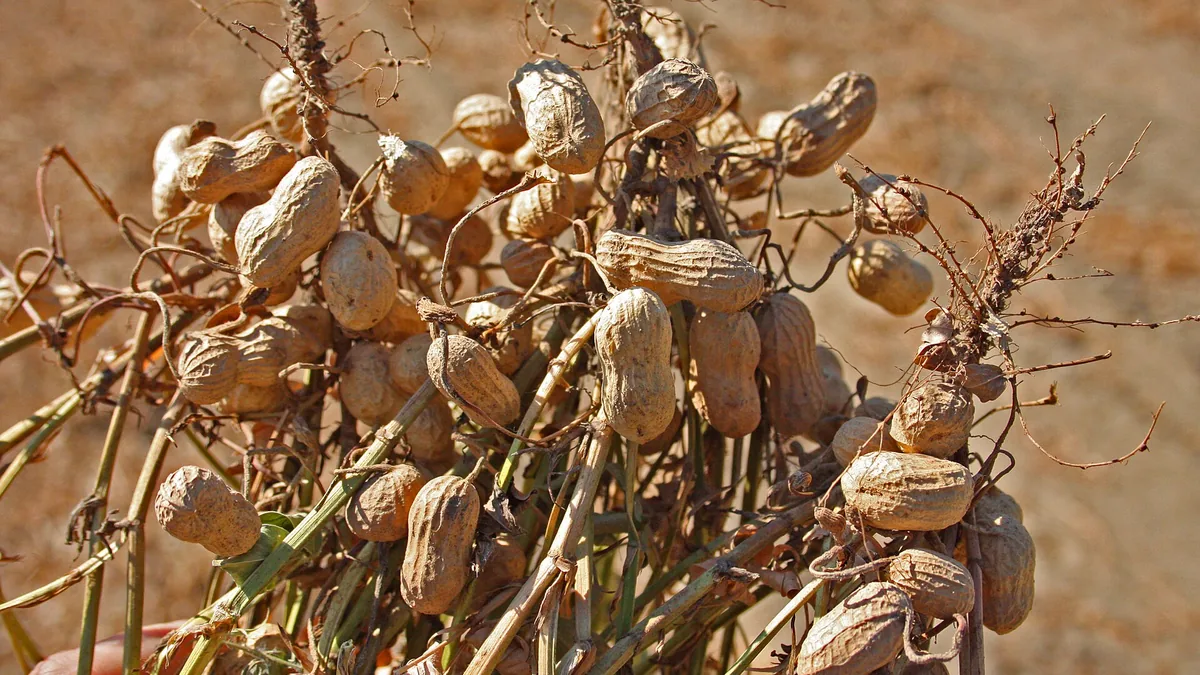
Because groundnut grows uniquely underground—its yellow flower sends fertilized "pegs" downward into loose sandy soil to swell into wrinkled pods—Indian languages describe both the crisp nut and extracted cold-pressed oil affectionately:
- Primary Hindi Name: मूंगफली (Moongfali / Mungfali) — roasted salted winter snack pods (bhuni moongfali) or fresh raw pods in subzi/chikki.
- Shelled Kernel / Seed Trade Terms: सींगदाना (Singdana), मूंगफली गिरी (Moongfali Giri), or Java / Bold HPS (Hand Picked Selected) counts exported worldwide via APEDA.
- Regional Indian Names: Sing / Magfali (Gujarati), Shengdana (Marathi), Kadalai / Nilakkadalai (Tamil), Verusenaga (Telugu), Kadalekai (Kannada — famous Kadalekai Parishe festival!), and Chini Badam (Bengali/Odia, literally poor man’s almond!).
- Edible Nutrition Highlight: Holding ~25–26 g clean protein per 100 g plus niacin, folate, resveratrol, and ~48% heart-friendly monounsaturated oil, Moongfali rivals costlier dry fruits like almonds (badam rate comparison) at a quarter of the price!
2. Groundnut MSP 2026 & Gondal / Rajkot / Bikaner Mandi Prices (Nov 2026)
Remember Gujarat mandi convention when checking Gondal, Rajkot, and Junagadh boards: traders quote spot auction bids per 20 kg maund (man)—simply multiply the 20 kg rate by 5 to compare directly against Rajasthan/AP quintal rates or central Rs 7,517/qtl MSP! Compare adjacent edible oilseed dynamics cleanly alongside sunflower seed MSP and mustard rates.
| Market / Benchmark Grade | Origin Belt & Varietal Type | Indicative Rate Band (Nov 2026) | Key Quality & Oil Recovery Note |
|---|---|---|---|
| Central Govt Kharif MSP (2025–26) | All-India (NAFED / GUJCOMASOL Centers) | Rs 7,263 / quintal (FAQ In-Shell) | <=8% moisture, clean bold sound dry pods |
| Central Govt Kharif MSP (2026–27) | All-India (CCEA / PIB Notification) | Rs 7,517 / quintal (+Rs 254 Hike) | Minimum Support Price protecting grower realizations |
| Gondal & Rajkot APMC (Bold GG-20) | Saurashtra Gujarat (Quoted per 20 kg Man) | Rs 1,140 – Rs 1,430 / 20 kg (Rs 5,700–7,150/qtl) | Top crisp bright GG-20 semi-spreading pods (70%+ kernel) |
| Bikaner & Lunkaransar APMC (Rajasthan) | Irrigated Desert Belt (HNG-10 / GG-20) | Rs 5,500 – Rs 6,850 / quintal | Clean bright white sandy-soil shells prized by HPS graders |
| HPS Bold Java Shelled Kernels (Singdana) | Mundra / Junagadh Export Sorting Mills | Rs 9,200 – Rs 11,400 / quintal | 40/50 & 50/60 count aflatoxin-free blanched/raw kernels |
| Cold-Pressed Filtered Groundnut Oil | Rajkot / Junagadh / Domestic Expellers | Rs 165 – Rs 235 / liter | Pure fragrant Singtel milled from 48%-oil GG-20 seed |
3. Top ICAR Varieties (GG-20, Kadiri-6, Girnar-4), Gypsum Timing & Pest Care
Cultivating high-oil groundnuts on light sandy loams relies heavily on two non-negotiables discovered by ICAR-Directorate of Groundnut Research (Junagadh, Gujarat): feeding plenty of soluble Calcium + Sulfur (Gypsum) right during pegging, and keeping sandy pods dry enough to avoid deadly carcinogenic Aflatoxin fungal spots!
- 1. Star Commercial Varieties: Gujarat Groundnut-20 (GG-20 / GJG-20) delivers 8 to 11 qtl/acre across Gujarat & Rajasthan; short-duration Kadiri-6 (K-6, 100–105 days) hits 8 to 10 qtl/acre (~74% shelling %, 48% oil) across Andhra Pradesh & southern rainfed belts; new Girnar-4 & Girnar-5 offer premium 80% Heart-Healthy High-Oleic oil stability!
- 2. The 200 kg/Acre Gypsum Pegging Rule (Crucial!): Unlike paddy or wheat, groundnut pods absorb Calcium directly through pod shells underground—NOT up plant roots! Broadcasting 200 kg/acre fine Gypsum powder right at 35–45 DAS pegging/flowering prevents empty "pops" (blank shells) and raises crisp kernel weight cleanly. Compute exact basal SSP + Sulfur splits with our fertilizer dosage calculator & Soil Health Card plan.
- 3. Seed Rate & White Grub / Tikka Leaf Spot Shield: Sow 45–50 kg/acre clean kernels (bunch type at 30×10 cm; semi-spreading GG-20 at 45×15 cm) coated with Rhizobium + Trichoderma and approved seed protectants against deadly Tikka leaf spot and root-eating White Grub (Dholia) per our pesticide calculator.
- 4. Light Sprinkler Irrigation at Peg Penetration & Pod Filling: Keep sandy soils evenly friable—never flood-compact heavy clay during pegging! Schedule gentle sprinkler turns safely using our crop irrigation planner.
4. One-Acre Groundnut Profit Calculation, NAFED MSP Sale & KCC Finance
Cultivating 1 acre of irrigated groundnut costs roughly Rs 18,000 to Rs 26,000 covering good bold seed pods, gypsum/SSP/sulfur nutrition, sprinkler electricity, and mechanical tractor digger/thresher harvesting (50 HP groundnut threshing setup). Pulling cleanly 10 quintals of bold GG-20 pods/acre at the Rs 7,517/qtl CCEA MSP (or ~Rs 6,800 open APMC spot) generates Rs 68,000 to Rs 75,170+ gross return per acre—PLUS ~12–15 quintals of protein-rich Moongfali Chara (dried vine hay prized by dairy cattle farms at Rs 4,500–Rs 7,000/acre extra revenue!).
Model seasonal crop profitability upfront via our crop income calculator and farm ROI calculator, estimate 40%–50% NMSA / NMEO-Oilseeds sprinkler & groundnut digger grants via our subsidy calculator & central schemes hub, tap 4% working capital via our KCC loan calculator, insure plots under PMFBY crop insurance (claim checker), track multi-crop oilseed benchmarks on soybean mandis & daily mandi rates (e-NAM), inspect summer irrigation timing for Zaid/Summer groundnut, and verify Farmer ID enrollment cleanly.
5. Aflatoxin-Free Sun Curing, HPS Export Grading & Safe Storage (<8% Moisture)
India’s APEDA roasted peanut and cold-pressed oil exporters aggressively discount or outright reject groundnut lots failing EU/Southeast Asian Aflatoxin B1 limits (<4–15 ppb) triggered when damp newly dug pods pile inside warm unventilated heaps in rainy October harvests! Invert freshly pulled plants cleanly upward (pod clusters facing air) for 3–5 sunny days before mechanical stripping, discard dark cracked insect-bored Kana pods, and dry sound pods strictly down to 7.5%–8.0% moisture inside clean woven jute bags off damp walls—preserving bright golden shell luster cleanly for NAFED MSP procurement or private HPS exporter premiums!
6. Managing Tikka Leaf Spot, White Grub (Dholia) & Value-Added Groundnut Business
Raising 1-acre Moongfali profitability from average 6-quintal rainfed returns toward steady 10 to 12+ quintals across Saurashtra, Bikaner, and Rayalaseema turns on guarding foliage photosynthesizing machinery between Days 35 and 75 plus eliminating subterranean root-chewing pests early before harvesting:
- Preventing Tikka Leaf Spot (Early & Late Cercospora) Defoliation: Unchecked chocolate-brown circular leaf spots strip entire groundnut canopies bare by Day 65—halting pod swelling abruptly! Preventive foliar fungicide sprays approved by CIB&RC calculated accurately with our pesticide dosage calculator keep healthy dark green leaves pumping sugars steadily downward into bold kernels.
- Controlling Soil White Grub (Holotrichia / Dholia) in Sandy Belts: Light desert soils around Bikaner, Churu, Sikar, and Sabarkantha frequently suffer patchy dying plants whose taproots get severed clean off underground—treat soil furrows cleanly alongside neem-cake incorporation and summer deep ploughing targeting dormant larvae.
- High-Oleic Seed Revolution (Girnar-4 & Girnar-5): Bred under ICAR-DGR Junagadh, newer High-Oleic groundnut cultivars shift fatty-acid content cleanly toward ~78%–80% monounsaturated oleic acid (like olive oil!)—tripling shelf life of packaged roasted snacks, peanut butter, and cold-pressed oils while earning premium contract processor rates above regular FAQ GG-20!
- Village Decortication & Cold-Pressed Value Addition (PMFME 35% Subsidy): Farmer cooperatives investing in small motorized pod decorticators, Sortex kernel graders, or traditional stone Kachi Ghani oil mills qualify for up to 35% credit-linked PMFME grants—capturing clean retail margins of Rs 180–Rs 240/liter for pure fragrant Singtel alongside protein-rich dairy cake (Khali).
At Indian kitchens and sports diets worldwide, roasted unsalted Moongfali remains arguably India’s single most affordable everyday powerhouse of heart-healthy fats, niacin, arginine, magnesium, and ~26% pure vegan protein—supporting muscle recovery, winter jaggery chikki warmth, and daily nutrition cleanly whether enjoyed lightly boiled in southern street bowls or dry-roasted crisp at home.
Looking closer at Gujarat vs Rajasthan vs South India crop seasons reveals why groundnut supply flows almost year-round into Indian decorticating mills and cold-pressed oil factories: Kharif rainfed groundnuts sown during late June–July monsoon arrival across Saurashtra’s Junagadh, Amreli, Rajkot, and Rayalaseema’s Anantapur arrive fresh into Gondal and Kurnool yards across October through December; irrigated desert Bikaner & Jodhpur Kharif–late crops follow steadily into late winter; and high-yielding Summer (Zaid) groundnuts drilled cleanly during warm sunny February–March across UP, West Bengal, Odisha, and coastal Gujarat command bright clean-shell HPS premiums upon June harvesting!
Farmers storing surplus pods on farm floors until off-season spring rates firm should watch closely for two classic warehouse pests—the Groundnut Bruchid (Caryedon serratus) beetle drilling neat round exit holes cleanly through crisp pod shells, and Rust Red Flour Beetle invading cracked bags! Storing thoroughly sun-dried ≤7.5%–8.0% moisture pods strictly inside airtight triple-layer hermetic grain bags (zero chemical fumes!) or clean WDRA-accredited public godowns against low-interest e-NWR credit protects both culinary Singdana taste and seed germination viability past next June sowing.
Finally, remember the complete zero-waste dual-income advantage of growing clean legume groundnuts in cereal cropping zones: symbiotic Rhizobium root nodules fix natural atmospheric Nitrogen cleanly for the following wheat or mustard crop (saving 25%–30% Urea fertilizer cost!), dry crispy Moongfali Chara vine hay sells briskly at dairy farms, and crisp sun-cured pods give households safe homegrown Singdana and cooking Singtel alongside steady APMC cash earnings across seasons.
For smallholders evaluating Saurashtra vs Rajasthan market channels before threshing, sorting harvested lots immediately into clean uniform bold Hand-Picked Selected (HPS) pods vs cracked dark damaged pods raises net Gondal/Bikaner buyer realizations consistently by Rs 250 to Rs 550 per quintal! Clean dry grading combined with Agmarknet price tracking and zero-commission cooperative NAFED slots during bumper Kharif winters shields hard-working Moongfali farmers cleanly against opportunistic middleman cuts.
Growers adopting crisp raised-bed cultivation (broad-bed furrow / BBF planters) across Saurashtra, North Gujarat, and Anantapur also avoid the twin traps of early Kharif drought stress and October late-season cyclonic waterlogging: raised beds drain surplus cloudburst storm rainwater swiftly down clean channels while soaking gentle supplemental sprinkler water right around delicate pegging zones! Paired with clean gypsum dusting at 40 days, Trichoderma-enriched farmyard compost, and sealed hermetic storage bags for seed saving, clean Moongfali cultivation rewards farming households with oil-rich cash kernels, nitrogen-enriched soils, and top-grade livestock cattle hay simultaneously.
Frequently asked questions
- What is "groundnut" called in Hindi?
- In Hindi, groundnut (Arachis hypogaea / peanut) is called मूंगफली (Moongfali / Mungfali), while decorticated shelled edible kernels are commonly termed मूंगफली दाना / सींगदाना (Moongfali Dana / Singdana).
- What is the official Government MSP of Groundnut (Moongfali) in 2026?
- Approved by the Cabinet Committee on Economic Affairs (CCEA) and published on PIB, official Government of India Groundnut MSP stands at Rs 7,263/quintal for 2025–26 and climbs to Rs 7,517/quintal for the 2026–27 Kharif marketing season.
- What is the groundnut price today in Gondal, Rajkot, and Bikaner mandis?
- Indicative physical APMC wholesale auctions tracked on Agmarknet range between Rs 1,140 and Rs 1,430 per 20 kg maund (Rs 5,700–Rs 7,150/quintal) across Gondal & Rajkot and Rs 5,500–Rs 6,850/qtl in Bikaner depending on bold GG-20 soundness and <8% moisture compliance.
- How do farmers convert Gujarat 20 kg Gondal Moongfali price into per-quintal rate?
- Since Saurashtra mandis (Gondal, Rajkot, Junagadh, Jamnagar) bid per 20 kg maund (man), simply multiply the quoted 20 kg rate by 5 to match standard 100 kg quintal rates (e.g., Rs 1,350 × 5 = Rs 6,750/quintal).
- How many quintals of groundnut are produced from 1 acre in India?
- With good sandy loam soil, basal Sulfur, and pegging Gypsum, improved varieties like Gujarat GG-20 and Kadiri-6 (K-6) routinely harvest 8 to 11 quintals of dry pods per acre (summer irrigated crops in Gujarat/UP frequently reach higher).
- Which is the best groundnut variety for Gujarat, Rajasthan, and Andhra Pradesh?
- GG-20 (Gujarat Groundnut 20) dominates Gujarat & Rajasthan sandy tracts with high bold-kernel demand; Kadiri-6 (K-6) excels in short 100–105 day Andhra/southern cycles (~74% shelling, 48% oil); and new ICAR-DGR Girnar-4 / Girnar-5 deliver top high-oleic shelf stability.
- Why must farmers apply Gypsum powder during flowering/pegging in groundnuts?
- Because groundnut pegs develop into subterranean pods beneath soil surfaces where regular roots cannot pump calcium back down efficiently, broadcasting 200 kg/acre Gypsum at 35–45 days prevents hollow empty shells (pops) and maximizes dense kernel fill (fertilizer dosage tool).
- How much edible oil comes from 100 kg of clean groundnut kernels?
- Mature bold kernels holding 45% to 50% oil typically yield 38 to 44 liters of pure cold-pressed (Kachi Ghani / Singtel) or expeller oil per 100 kg shelled kernels, plus protein-rich cattle cake (Moongfali Khali) valued highly by dairy farmers.
- Which state grows the highest volume of groundnuts in India?
- Gujarat dominates Indian groundnut production (~40%+ share led by Junagadh, Rajkot, Devbhoomi Dwarka, and Amreli), followed by fast-growing irrigated Rajasthan (Bikaner, Jodhpur), Tamil Nadu, Andhra Pradesh, and Karnataka.
- What is the difference between Kharif groundnut and Summer (Zaid) groundnut?
- Rainfed Kharif sowing (June–July) yields slightly larger volume with lower water bill, whereas irrigated Summer/Zaid sowing (February–March) produces extra-clean bright fungus-free pods with up to 25%–35% higher per-acre yields and strong export HPS demand.
- Can groundnut farmers claim crop insurance and machinery subsidies on diggers?
- Yes! Groundnut qualifies under PMFBY crop insurance against monsoon drought/unseasonal October rain damage during drying, plus 40%–50% DBT subsidies on sprinkler pipes and tractor-mounted groundnut diggers via our subsidy calculator.
- How dry must groundnut pods be before storing or selling on e-NAM / NAFED?
- Cure harvested pods in sunlit windrows cleanly below 8.0% moisture (e-NAM / NAFED FAQ ceiling)—damp >10% pods quickly breed yellow Aspergillus flavus mold generating toxic Aflatoxin rejected by all export and NAFED centers.
This article is for general information only and is not financial advice. Loan and scheme eligibility depends on partner and government criteria.