Mumbai Egg Rate Guide: NECC Wholesale & 30-Egg Tray
Key takeaways
- Check today egg rate in Mumbai wholesale benchmarks, 30-egg tray and 100-egg NECC parity ranges, feed maize drivers, and Maharashtra retail margins.
- Covers Mumbai Indicative NECC Benchmarks: Per Piece, 30-Egg Tray & 100 Eggs with government-linked benchmarks and practical Indian farm guidance.
- Covers Seasonal Drivers: Why Winter Egg Rates Climb & Shravan Dips Occur with government-linked benchmarks and practical Indian farm guidance.
- Covers Pune, Miraj, Nashik & APMC Vashi Transport Corridors Explained with government-linked benchmarks and practical Indian farm guidance.
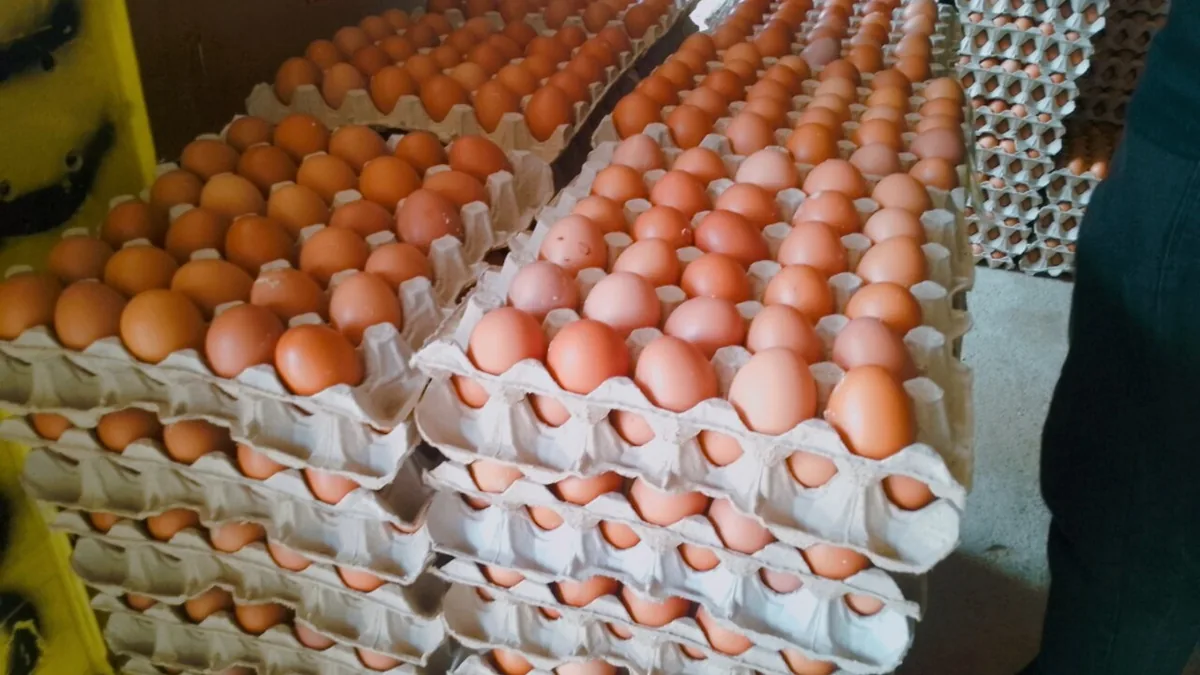
Mumbai consumes millions of fresh white table eggs daily across household kitchens, street food carts, suburban bakeries, and institutional catering, making the today egg rate in Mumbai one of India's sharpest consumer and poultry-farm price barometers! Rather than one city-wide farmer belt inside South Mumbai, the Mumbai Metro Region (MMR) pulls overnight insulated truck arrivals predominantly from major Maharashtra and neighbouring layer hubs—Barwala/Namakkal/Pune, Nashik, Miraj, Sangli, Ahmednagar, and Hyderabad—priced directly off daily NECC (National Egg Coordination Committee) zone declarations (e2necc.com).
When traders and home buyers check aaj ande ka rate or aaj ande ka bhav kya hai, it helps tremendously to separate the official NECC farm-gate/zone 100-egg benchmark from 30-egg wholesale tray margins and suburban kirana per-dozen retail markups. Explore multi-city parity right inside KisanPe's Daily NECC Egg Rate Hub, check neighbouring Pune wholesale egg rates, inspect national hubs (Delhi egg prices and Bengaluru benchmarks), and project layer flock returns cleanly using our Poultry Profit Calculator.
1. Mumbai Indicative NECC Benchmarks: Per Piece, 30-Egg Tray & 100 Eggs
Because NECC declares official morning benchmarks for Mumbai/Pune zones every trading day based on bird feed prices and festive/winter demand, always verify live trading quotes at e2necc.com before finalizing bulk bakery or hotel purchase contracts. As an indicative November 2026 peak-winter benchmark range, Maharashtra wholesale farm/zone rates typically hover within crisp seasonal bands reflecting strong winter demand alongside firm maize and soybean meal rations:
| Mumbai Pricing Tier | Unit Measured | Indicative Wholesale / Trade Range | Key Cost Layer Added |
|---|---|---|---|
| NECC Official Mumbai Zone Rate | Per 100 White Eggs / Per Egg | ₹550 – ₹660 / 100 eggs (₹5.50 – ₹6.60 / pc) | Base farm realization + layer ration maize/soybean meal cost parity |
| Crawford / APMC Vashi Wholesale Box (210 Eggs) | Per Carton Box (7 Trays x 30 Eggs) | ₹1,220 – ₹1,460 / box | Insulated truck freight from Pune/Miraj/Hyderabad + molded pulp trays + handling |
| Standard 30-Egg Wholesale Crate / Tray | Per 30-Egg Pulp Tray | ₹175 – ₹215 / tray | Distributor city unloading, breakage buffer (~1.5%), & cold-room storage |
| Suburban Mumbai Retail / Kirana Shelf | Per Dozen (12 Eggs) / Single Piece | ₹78 – ₹96 / dozen (₹6.50 – ₹8.50 / pc) | Retail shopkeeper rent, last-mile sorting, and single-egg customer convenience |
| Desi / Free-Range Brown Specialty Eggs | Per Piece Retail Mumbai | ₹12 – ₹18 / egg (higher branded organic) | Lower hen lay output + specialty backyard/organic grain feeding |
Source: Indicative seasonal spreads modeled around NECC (National Egg Coordination Committee) zone schedules and Department of Animal Husbandry & Dairying (DAHD) poultry sector briefs—always confirm today's live declared rate on e2necc.com.
2. Seasonal Drivers: Why Winter Egg Rates Climb & Shravan Dips Occur
Unlike stable grain MSP ceilings, Indian table egg prices respond rapidly within 48 hours to cultural consumption shifts, heatwave hen stress, and cattle/poultry feed grain inflation. Understanding these three structural cycles keeps wholesale buyers and Maharashtra layer farmers ahead of sudden price drops:
- November to February Winter Consumption Surge: North and West Indian breakfast demand, bakery festive orders (Christmas/New Year cakes), and school mid-day meal programs push egg absorption sharply upward across Mumbai—regularly lifting wholesale tray bids 12%–22% above summer lows.
- Shravan, Navratri & Summer Festival Lulls: Cultural vegetarian fasting weeks across Maharashtra and Gujarat shrink retail sales rapidly for 15–30 day spells; wholesalers use cool-room storage buffers moderately to stabilize heavy farm gluts.
- Maize & Soybean DOC Feed Shock (65%–70% of Production Cost!): When Kharif maize crop prices or soymeal deoiled cake rates jump due to ethanol demand or erratic monsoon yields, even ₹5.80/egg wholesale leaves old layer sheds tight on cash—forcing farmers to cull spent 72-week flocks early and triggering sharp supply-driven rate rebounds weeks later!

3. Pune, Miraj, Nashik & APMC Vashi Transport Corridors Explained
Mumbai grocery wholesale traders rarely rely on a single farm district. Overnight box trucks converge onto Vashi, Dadar, Crawford Market, and Thane sub-depots primarily from western Maharashtra poultry belts—specifically Miraj, Sangli, Satara, Baramati, and Pune (Pune zone comparison)—supplemented whenever South Indian rates fall by long-haul highway deliveries out of Hyderabad (Telangana) and Namakkal (Tamil Nadu). Typically, Mumbai wholesale 100-egg quotes trade ₹15–₹35 higher per 100 eggs than Pune or Hyderabad source farms to cover highway toll, refrigerated tarp air-flow trucks, empty tray back-hauls, and urban unloading labour!
| Egg Source Hub Serving Mumbai | Typical Transit Time to Vashi / MMR | Trade Pricing Relationship vs Mumbai |
|---|---|---|
| Pune / Baramati / Ahmednagar Belts | 3 – 5 Hours Overnight Road | Fastest fresh daily replenishment; typically ₹15–₹25/100 below Mumbai city wholesale |
| Miraj / Sangli / Satara Layer Clusters | 6 – 8 Hours Overnight Highway | Major volume anchor across Maharashtra; strong clean shell quality |
| Hyderabad / Namakkal Inter-State Corridors | 14 – 24 Hours Long-Haul | Stabilizes MMR prices whenever local Maharashtra supply tightens in winter |
Source: Trade flow structure via NECC & KisanPe Egg Market Tracker. Compare live APMC companion food inflation inside KisanPe Mandi Rates and Mandi Intelligence.
4. Calculating Farm Layer Economics, Feed Cost & Break-Even Parity
With poultry rations accounting for roughly 65% to 72% of the recurring cost per egg produced, Maharashtra egg entrepreneurs must run exact numbers before expanding cage or deep-litter layer capacity. Under standard commercial White Leghorn benchmarks, one hen consumes roughly 110 to 115 grams of balanced layer mash daily (maize, soybean meal, de-oiled rice bran, DCP dicalcium phosphate, limestone shell grit, and vitamin premix) while averaging 305 to 320 eggs over a 52-week laying cycle!
Plug your exact local maize price per quintal, soybean cake quote, chick cost, and shed electricity bills directly into KisanPe's Poultry Profit Calculator, inspect multi-region rates (pan-India egg pricing), and read integrated livestock nutrition ideas inside our livestock farm management directory.
5. Quality Sorting, Cold Chain Shelf-Life & Retail Buyer Tips
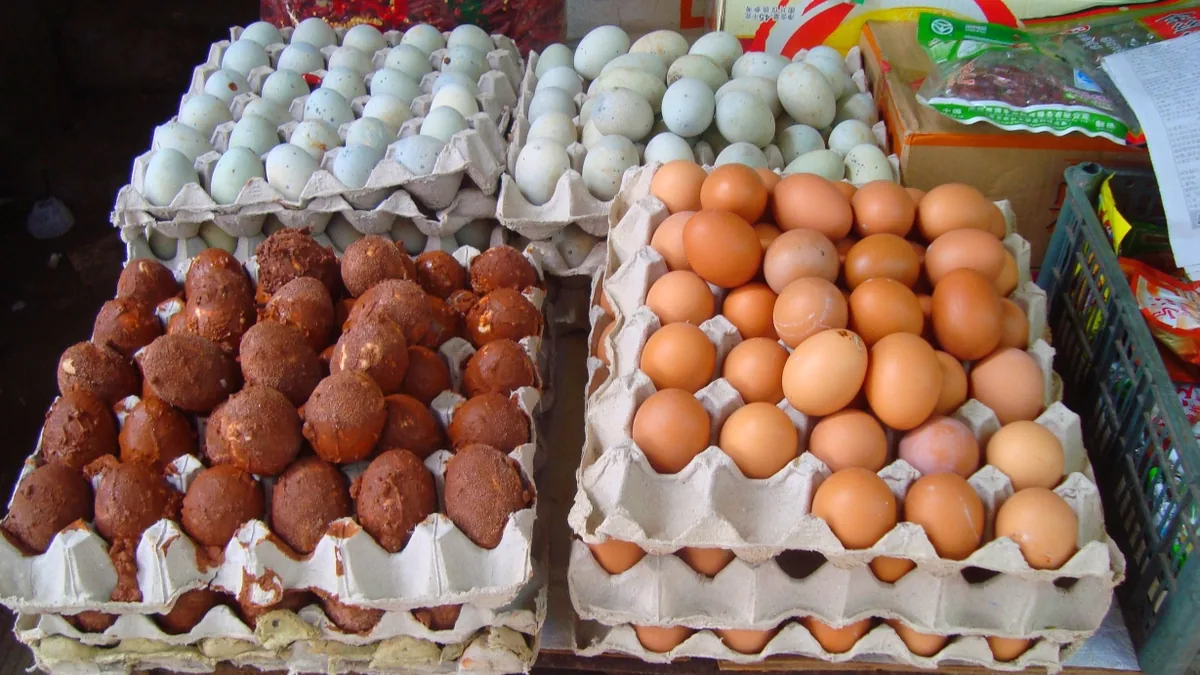
For Mumbai hotels, cake manufacturers, and high-turnover kirana retailers buying 50 to 200 trays weekly, uniform shell strength and yolk freshness preserve far more cash than chasing the cheapest ₹5/box off-quote broker! Weak-shelled eggs from heat-stressed older hens crack easily during Vashi loading, turning crisp white trays sticky and unhygienic within two warm afternoon hours. Check lot freshness smartly using three instant counter tests: hold sample eggs lightly near phone flashlights to inspect small tight air-cells, drop random sample eggs into clean cool tap water (fresh firm eggs sink flat horizontally, whereas stale dehydration causes air cells to float tilted upward!), and confirm boxes carry clear printed farm batch dates rather than unlabeled repacked mixed crates.
Simultaneously, rural Maharashtra farmers running medium 5,000-bird to 25,000-bird commercial poultry units can tap low-interest working-capital limits via Poultry KCC (Animal Husbandry Kisan Credit Card) under DAHD and RBI norms—apply cleanly following our KCC application checklist and rural livestock subsidy links (state livestock aid schemes). Purchasing 3-to-4 months of clean APMC maize during peak harvest arrivals inside airtight bins regularly shaves ₹0.35 to ₹0.60 off every produced egg's cost—securing comfortable farm profitability even during quiet Shravan market dips!
At the commercial institutional level across Mumbai, Navi Mumbai, and Thane industrial belts, bakeries, hotel commissaries, and tiffin contractors routinely negotiate weekly rolling NECC-linked formulas rather than reacting blindly to erratic single-day retail fluctuations! Locking a fixed margin agreement—such as daily Mumbai NECC declared 100-egg benchmark plus clean tray/delivery freight factor—shields institutional kitchens against sudden brokerage spikes while guaranteeing nearby Maharashtra layer sheds steady weekly offtake regardless of minor weekday rains or holiday slowdowns. On the production side, progressive poultry producers also track bird house microclimate closely during scorching April–May Konkan and Deccan heatwaves: installing cool roof reflective paints, evaporative cooling pads or gentle mist foggers, and balancing evening calcium limestone supplementation preserves clean egg shell thickness so breakage shrinks during multi-hour Mumbai expressway transits! Finally, always maintain clean poultry vaccination records, visitor footbath biosecurity, and digital mandi billings across district collection agents—check companion agricultural benchmarks inside KisanPe's nearest mandi directory and mandi price trend trackers so feed-to-egg margins stay crisp year-round. In addition, rural poultry entrepreneurs expanding capacity past 10,000 commercial layers should inspect Maharashtra Pollution Control Board (MPCB) distance guidelines, litter composting pit setups (converting layer bird manure smoothly into rich pellet organic manure demanded around Nashik grape and vegetable vineyards!), and emergency standby DG-generator fuel plans before summer humidity waves knock shed ventilation fans offline. Keeping mortality records cleanly below 0.5% monthly and sourcing graded bright corn/soybean ingredients directly across regional APMCs shields layer farms steadily across volatile retail egg seasons. Moreover, progressive cooperatives grading fresh brown and white table eggs into uniform size bands (Small ~48g, Medium ~53g, Large >58g) directly at Pune, Sangli, or Nashik grading sheds capture dependable hotel and bakery contract premiums across Mumbai metropolitan routes—shielding commercial producers against wide weekday mandi volatility throughout peak winter and summer consumption swings. Balancing crisp shell-quality sorting, cold-chain carton hygiene, and proactive maize feed stocking keeps Maharashtra and Konkan poultry units resilient whenever summer or fasting demand cycles soften weekday spot wholesale prices. Tracking daily NECC morning announcements alongside Pune wholesale movements (check Pune parity) and locking clean pre-monsoon maize storage lots empowers both Maharashtra poultry producers and Mumbai urban institutional buyers to operate smoothly with transparent margins. Cross-check regional poultry wholesale trends effortlessly across Bengaluru market benchmarks, pan-India daily poultry rates, agricultural feed grain spreads in APMC grain markets, and live district summaries inside KisanPe Mandi Rates.
6. Frequently Asked Questions on Today Egg Rate in Mumbai
Explore fast verified answers covering today Mumbai NECC 100-egg benchmark checks, 30-egg tray wholesale rates, Pune vs Mumbai price gaps, Desi egg margins, and feed cost parity.
Frequently asked questions
- Where can I check the official today egg rate in Mumbai?
- The official Mumbai wholesale egg benchmark is declared daily by NECC (National Egg Coordination Committee) on e2necc.com. You can also inspect multi-city Indian poultry market trends inside our Daily Egg Rate Guide.
- What is the indicative price of a 30-egg tray and 100 eggs in Mumbai?
- Indicative winter Mumbai zone benchmarks sit around ₹550 to ₹660 per 100 eggs (₹5.50–₹6.60 per egg farm/NECC zone parity), translating to ₹175 to ₹215 per 30-egg wholesale tray and ₹78–₹96 per dozen at suburban kirana shops—compare nearby wholesale rates on Pune Egg Rate.
- Why does today egg rate in Mumbai change quickly every week?
- Poultry feed grain costs (maize and soybean meal, roughly 65%–70% of egg cost), festive/Shravan consumption shifts, peak winter baking demand, and summer hen heat stress move Mumbai wholesale rates dynamically—forecast your unit's break-even price inside our Poultry Profit Calculator.
- Which cities supply most of Mumbai's daily wholesale white eggs?
- Mumbai pulls daily insulated lorry loads mainly from Maharashtra layer belts around Pune, Baramati, Miraj, Sangli, Satara, and Nashik, plus inter-state supply trucks from Hyderabad and Namakkal whenever southern surpluses balance North/West Indian winter demand.
- How does aaj ande ka bhav differ between NECC wholesale and local retail shops?
- NECC posts bulk 100-egg trade benchmarks before highway freight, pulp tray packing (~1.5% crack margin), APMC Vashi unloading, and urban shop rent—check national retail spread comparisons against Delhi egg rates and southern Bengaluru benchmarks.
- Why are Desi and free-range brown eggs twice as expensive in Mumbai?
- Indigenous and free-range hens lay roughly 120–180 eggs/year compared to 310+ in commercial White Leghorn sheds and require higher cage-free floor space, driving Mumbai retail quotes into ₹12–₹18 per egg ranges.
- Can poultry farmers get Animal Husbandry KCC loans for layer feed inventory?
- Yes! Under Government DAHD and RBI norms, registered layer poultry farmers qualify for working-capital loans via Animal Husbandry Kisan Credit Cards (KCC) to stock affordable harvest-season maize without forced distress borrowing.
- How long do fresh white farm eggs stay crisp without refrigeration in Mumbai?
- In clean shaded storage around 20°C–25°C, intact farm eggs retain quality smoothly for 7–10 days, whereas humid monsoon/summer conditions require cool ventilated cold rooms (4°C–10°C) keeping yolks firm cleanly for 30+ days cleanly under standard wholesale poultry storage norms.
This article is for general information only and is not financial advice. Loan and scheme eligibility depends on partner and government criteria.