Today Neemuch Mandi Bhav: Garlic, Isabgol & Posto Rates
Key takeaways
- Neemuch Krishi Upaj Mandi (Madhya Pradesh) anchors national spice and medicinal crop trade across Malwa and Mewar—benchmarking garlic (Lahsun), isabgol husk seed, ashwagandha medicinal roots, methi fenugreek, and licensed posto dana (poppy seed).
- Indicative Neemuch APMC spot bands range around Rs 6,400–Rs 9,005/qtl modal for garlic (with super bold Box/Ooty lots touching higher seasonal peaks), Rs 13,600–Rs 16,800/qtl for FAQ isabgol, Rs 15,000–Rs 22,000/qtl for medicinal ashwagandha roots, and Rs 7,950–Rs 9,700/qtl for clean methi.
- Because arrival volume (Aavak) swings sharply between dry Malwa cart lots and wet monsoon-cured bags, growers verify daily lot auctions on Agmarknet and MP e-NAM portals while drying crops cleanly to FAQ moisture thresholds before transport.
Following today Neemuch mandi bhav turns harvest-to-sale timing upside down for farmers throughout Madhya Pradesh’s Malwa plateau and neighboring Rajasthan’s Mewar belt! Situated strategically along NH-79 near the Mandsaur–Chittorgarh agricultural corridor, Krishi Upaj Mandi Samiti Neemuch acts as India’s unmistakable nerve center for medicinal herbs, spices, garlic (Lahsun), and winter seed crops tracked daily across Agmarknet and e-NAM!
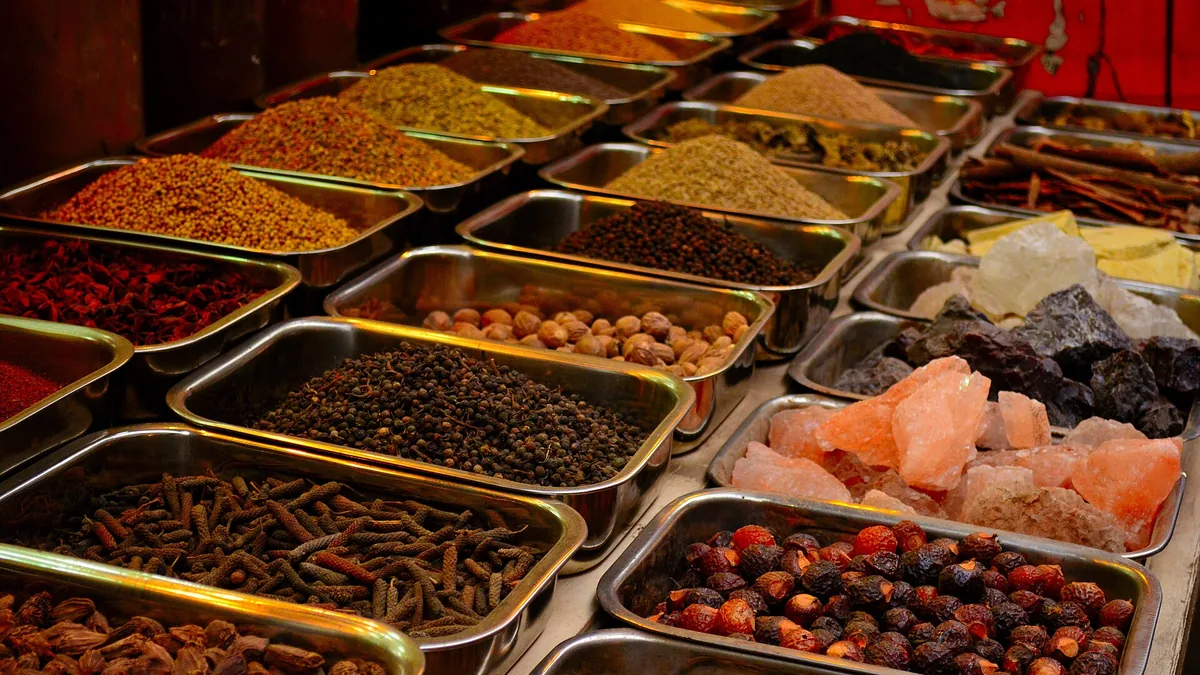
Wait—unlike standard grain mandis handling purely wheat and soybean, Neemuch auction sheds run segregated quality yards where Super Box White Ooty Garlic, sticky-free pale Isabgol (Plantago ovata), bold alkaloid-dense Ashwagandha (Withania somnifera) roots, fragrant golden Methi (Fenugreek), and Central Bureau of Narcotics licensed Posto Dana (Poppy Seed) trade simultaneously under open outcry bidding! Let us decode realistic indicative wholesale price bands, grade inspection rules (Desi vs Ooty Gola / Full Gola vs Medium Laddu), arrival timings, and smart crop-rotation profits for Malwa farmers.
1. Neemuch Mandi Commodity Rate Overview: Garlic, Isabgol, Ashwagandha, Methi & Posto
Because auction bids swing rapidly between damp off-grade lots and crisp box-packed export quality within the exact same morning yard (all-India daily mandi rates), never confuse maximum peak box bids with general FAQ modal averages:
| Neemuch Mandi Crop | Popular Auction Grades | Indicative Price Range | Key Quality Factor Determining Top Bid |
|---|---|---|---|
| Garlic (Lahsun / Ooty & Desi) | Chharri / Medium / Laddu / Box Full Gola | Rs 2,170 – Rs 27,800 / qtl (Modal ~Rs 6,400–9,005) | Clean snowy peeled tight cloves, zero soft green shoots, uniform graded sizing |
| Isabgol / Psyllium (Eesabgol) | Semi-Packet / FAQ / Foreign-Matter Free | Rs 13,600 – Rs 16,800 / qtl (Modal ~Rs 14,700) | Clean plump swelling husk seeds (<1.5% straw dust, unstained white-pink colour) |
| Ashwagandha (Asgandh Roots) | Taar / Tukdi / Deshi Bold Starchy Root | Rs 15,000 – Rs 22,000+ / qtl | Snap-dry bright chalky white starch cross-section without dark wet rot cores |
| Fenugreek (Methi / Metha) | Regular Clean / Bold Greenish-Yellow | Rs 7,950 – Rs 9,700 / qtl | Hard dry mustard-golden bold kernels free from dead immature pale seeds |
| Poppy Seeds (Posto Dana / Khas-Khas) | Tin-Pola / Fine White Posta Grade | Rs 1,03,000 – Rs 1,51,000+ / qtl | Licensed CBN grower stock; clean pearly dry snow-white crunch free of husk grit |
| Coriander (Dhaniya) & Ajwain | Badami / Eagle / Parrot Green | Rs 6,400 – Rs 13,500 / qtl (Grade-wise) | Preserved green/light-amber aroma harvested ahead of scorching April winds |
2. Understanding Neemuch Garlic (Lahsun) Grading: Why Box Gola Beats Chharri 3×
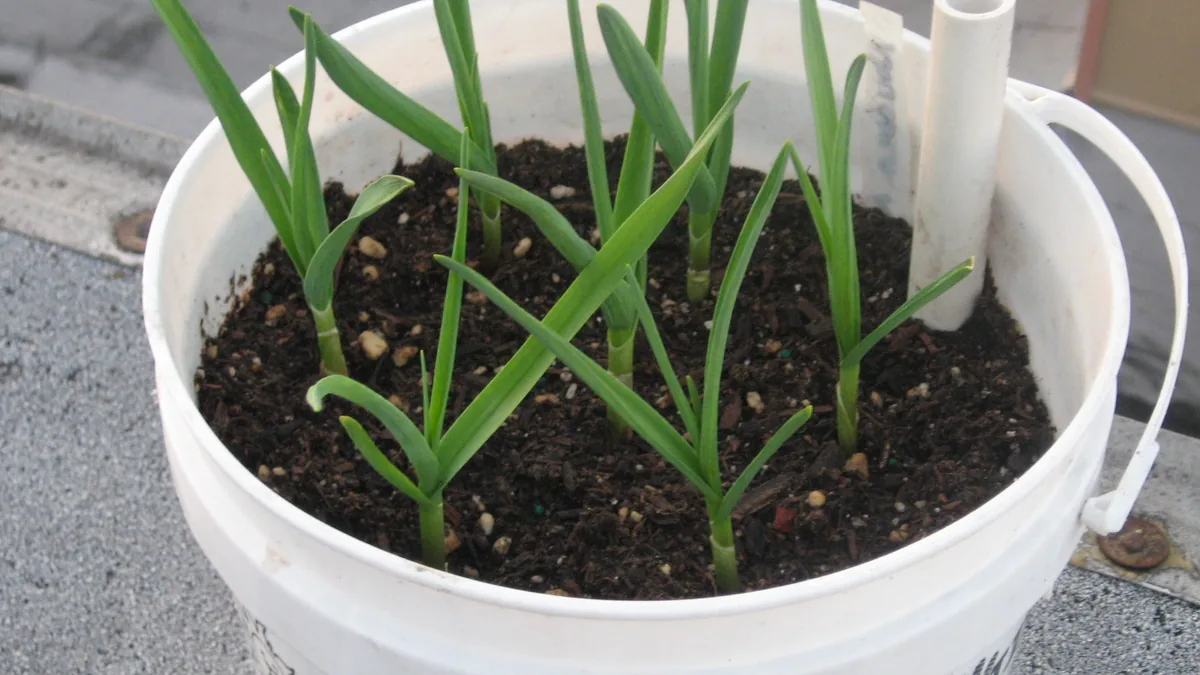
More than half of Malwa farmer frustration inside the Neemuch garlic gate comes from unloading mixed ungraded tractor-trolleys straight onto the concrete yard! Expert Malwa commission traders grade bulbs strictly across five visual buckets—and sorting clean bulbs at home by mesh sieves earns instant profits:
- 1. Super Box / Double-Bam Full Gola (>45–55 mm): Giant crisp ivory bulbs with clean trimmed roots and neat intact papery skins—commanding peak Rs 14,000 to Rs 25,000+ box packing bids during tight summer-winter transitions!
- 2. Full Gola & Laddu Medium (30–45 mm): Standard plump domestic retail kitchen bulbs clearing strong modal quotes between Rs 6,500 and Rs 11,500/qtl cleanly across MP, Maharashtra, and South India truck dispatches.
- 3. Small Puna-Laddu / Media & Chharri (<25 mm): Tiny split-clove cooking bulbs used for paste/pickle processing—fetching lower Rs 2,500 to Rs 5,500/qtl rates; pulling these out BEFORE filling main Box heaps avoids buyers dragging entire lot quotes down toward Chharri averages!
- 4. Dantri & Yellow-Hollow Spoiled Bulbs: Soft sunburned or wet fungus-stained bulbs from late April rains—keeping spoiled bulbs completely separate avoids instant whole-lot rejection!
3. High-Margin Malwa Medicinal Crops: Ashwagandha, Isabgol & Calibrated Agronomy
Unlike wheat or soybean locked onto steady government procurement tables, Neemuch’s rare medicinal and spice clusters—Ashwagandha (Withania somnifera), Isabgol (Plantago ovata), Chia, Kalonji, and Fenugreek—thrive on surprisingly modest dryland winter water backed by ICAR-Directorate of Medicinal and Aromatic Plants Research (DMAPR, Anand) protocols:
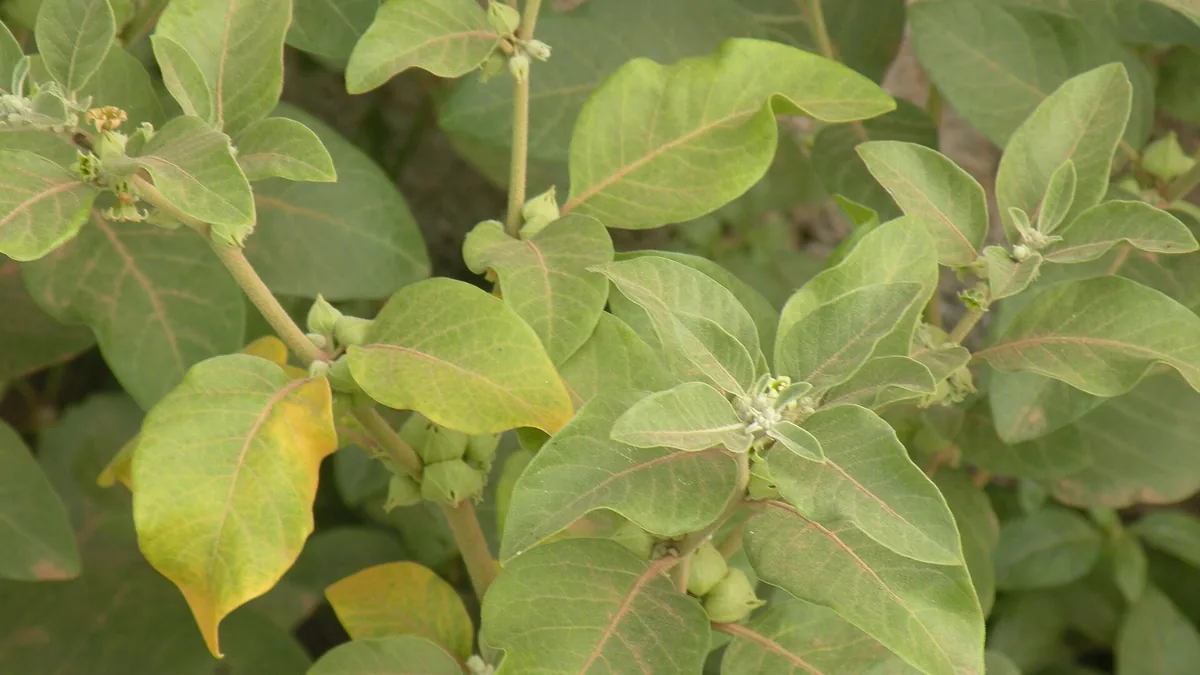
- Ashwagandha (Jawahar Asgandh-20 / Pratap Asgandh): Needs bare minimal water (often raised cleanly as a late-monsoon rainfed August/September crop on light-to-medium black Malwa soils—even two life-saving irrigations produce 3.5 to 5 quintals of dry graded starchy roots/acre plus 50–70 kg dry berries!). Snap dry cut roots cleanly at 150–170 days once leaves dry and red berries turn orange; bright starchy chalk-white Special Tar roots dominate Neemuch pharmaceutical tenders!
- Isabgol (GI-2 / Niharika): Sown neatly mid-November after Kharif soybean clears cleanly (soybean rate updates); matures crisply in 110–120 days returning 4 to 5.5 quintals/acre, provided growers harvest IMMEDIATELY before sudden March dew/rain bursts fragile papery husk seeds open onto dry fields!
- Soil Nutrition & Disease Balance: Compute clean basal Phosphate, Potash, and micro-element Sulfur dosages with our fertilizer dosage calculator & Soil Health Card guide, schedule precise drip/furrow watering via our irrigation planner, and calibrate thrips/downy-mildew protection cleanly with our pesticide calculator.
4. Smart Auction Logistics, WDRA Godowns & Financial Calculators for MP Growers
Before loading trolleys toward Neemuch Mandi Gate, cross-check three practical logistics moves saving thousands of rupees yearly: check MP Krishi / e-Anugya gate token rules ahead of peak February–April flush weeks so tractors don’t stall overnight outside parking yards; bring uniform moisture-cured seed bags cleanly packed to 45–50 kg standard weights; and weigh net haulage vs nearby Mandsaur, Pipliya Mandi, and Jaora quotes! Simulate 1-acre cash returns via our crop income calculator and farm ROI calculator, claim sprinkler, seed-grader & polyhouse subsidies via our agri subsidy calculator & central schemes hub, fund seasonal farm capital at 4% interest on our KCC loan calculator, check crop loss protection via PMFBY (claim checker), track spice benchmarks across turmeric mandis & ginger prices, and confirm clean Farmer ID enrollment.
5. Protecting Stored Garlic & Medicinal Roots in WDRA & Ventilated Sheds
More garlic wealth evaporates inside hot stifling concrete storage rooms between May and September than on winter fields! Rather than dumping wet spring bulbs cheap at harvest troughs, dry harvested garlic plants cleanly in shaded ventilated curing racks (chhaon sukai) with 1.5 cm clean stem necks intact, hang woven nets or stack clean perforated bamboo cribs off humid floors, or store dry non-perishable Isabgol, Methi, Dhaniya, and Kalonji sacks inside WDRA-accredited e-NWR warehouses to tap 70% pledge working loans cleanly until festival export seasons heat upward!
6. Posto Dana (Opium Poppy) CBN Licensing Rules & Clean Grading Discipline
Unique strictly to licensed Malwa–Mewar villages around Neemuch, Mandsaur, Ratlam, Chittorgarh, and Pratapgarh, the Central Bureau of Narcotics (CBN, Ministry of Finance) grants strict annual patta licenses governing opium gum collection followed by open APMC auction of tasty nutty non-narcotic Posto Dana (Khas-Khas)! Keep dry crisp seed pods winnowed impeccably clean with zero poppy capsule husk grit, verify exact weighbridge auction slips under e-NAM digital receipts, and complete timely village settlement reconciliations seamlessly.
Expanding seasonal market intelligence across Neemuch’s vibrant winter Rabi harvest window also means balancing Kalonji (Nigella sativa), Ajwain, Linseed (Alsi), and Desi Chana dispatches side-by-side cleanly! During heavy February–March Rabi arrivals when garlic trolleys line roads past midnight waiting outside Mandi Samiti gates, spice traders often bid briskly early Monday and Thursday mornings for bone-dry Kalonji and crisp oil-rich Methi sacks before clearing bulky garlic yards. Checking multi-city wholesale spread parity across neighboring Kota, Baran, Ujjain, Ratlam, and Indore APMCs via Agmarknet helps growers confirm transport economics before booking private pickups—ensuring every crisp Malwa harvest reaches end spice grinders cleanly without middleman deductions.
Even better, progressive Malwa farmers growing garlic, coriander, and fenugreek under certified drip lines and cold-chamber FPO curing hubs qualify directly for Madhya Pradesh state horticulture value-addition grants alongside central WDRA negotiable e-NWR receipt financing—turning historical price crashes right after February digging into steady profitable spring and autumn marketing windows cleanly.
Frequently asked questions
- Where can farmers check official Neemuch mandi bhav today online?
- Growers verify official minimum, maximum, and modal commodity rates across Madhya Pradesh through the Agmarknet portal, digital e-NAM auctions, and the Madhya Pradesh Mandi Board gateway.
- What are the main crops traded in Neemuch Krishi Upaj Mandi?
- Neemuch is famous across India for Garlic (Lahsun), Isabgol (Psyllium), Ashwagandha medicinal roots, Methi (Fenugreek), Posto Dana (Poppy Seeds), Dhaniya (Coriander), Kalonji, Ajwain, and Malwa Soybean/Wheat.
- What is the typical price range of Garlic and Isabgol in Neemuch Mandi?
- Indicative Neemuch auction data shows Garlic spanning widely from Rs 2,170 (Chharri) up to Rs 27,800/qtl (top Super Box) with FAQ modal batches around Rs 6,400–Rs 9,005/qtl, while Isabgol trades broadly between Rs 13,600 and Rs 16,800/qtl depending on husk cleanliness.
- Why do sorted "Box" garlic bulbs get double the price of mixed farmer lots?
- Wholesalers packing clean 25 kg cardboard cartons for Mumbai, Chennai, and Bengaluru buyers strictly demand uniform 45–55 mm snowy unbroken bulbs (Full Gola); mixed ungraded lots force commission agents to price down toward tiny Chharri fractions!
- Is Neemuch Mandi open on Sundays or national government holidays?
- Regular auctions operate Monday through Saturday morning; the yard stays closed on Sundays, second Saturdays (check monthly samiti calendar), Amavasya holidays (periodic farmer custom), and notified public holidays—always confirm local Samiti arrival notices before hiring trucks.
- What is the Ashwagandha root rate per quintal in Neemuch?
- Clean chalky-white bold dried Ashwagandha medicinal roots (Special Tar / Bold Tukdi) typically clear Rs 15,000 to Rs 22,000+ per quintal depending on moisture dryness, absence of hollow black cores, and export herbal extract orders.
- Which high-yielding varieties of Isabgol and Ashwagandha suit Malwa farms?
- Per ICAR-DMAPR state recommendations, Malwa–Mewar growers consistently favor Jawahar Asgandh-20 (JA-20) for dense starchy Ashwagandha roots and Gujarat Isabgol-2 (GI-2) or Niharika for clean high-swelling Isabgol husk.
- Can small growers get WDRA warehouse pledge loans on stored Neemuch spices?
- Yes! Storable dry commodities like Methi, Coriander, Isabgol, and Soybean deposited inside accredited WDRA godowns qualify for negotiable e-NWR pledge finance up to ~70% of value—helping farmers dodge harvest price lows cleanly.
- Are there subsidies for solar dryers or cleaning graders in Madhya Pradesh?
- Yes! Under MIDH, SMAM, and PMFME processing schemes, farmers and FPOs receive 35%–50% grants toward garlic grading tables, spice destoners, and clean solar curing chambers—check eligibility via our agri subsidy calculator.
- How can growers avoid excessive moisture deductions at the Neemuch auction shed?
- Cure harvested garlic 15–20 days in airy shaded sheds before trimming stems cleanly, thresh Isabgol/Methi under crisp afternoon sun, and clean inert field soil/straw clods (<1.5% foreign matter) before weighing inside MP e-Anugya registered lots.
- What is the Methi (Fenugreek) and Posto Dana price band in Neemuch Mandi?
- Clean dry Methi fenugreek seeds indicatively trade around Rs 7,950 to Rs 9,700 per quintal, while licensed dry snow-white Posto Dana (poppy seed) auctions consistently range past Rs 1,03,000 to Rs 1,51,000+ per quintal depending strictly on whiteness and grit cleaning.
- What distinguishes Desi Garlic vs Ooty Garlic prices at Neemuch APMC?
- Ooty Garlic boasts giant single white bulbs peeling rapidly for hotel/restaurant bulk buyers (fetching high summer/winter premiums when dry), while Desi Rijawan/Gattur Garlic carries sharper pungent oil flavor and significantly longer ventilated storage stability across monsoon months!
This article is for general information only and is not financial advice. Loan and scheme eligibility depends on partner and government criteria.