Walnut Price Per Kg (Akhrot): Kashmir Kagzi, Kernel
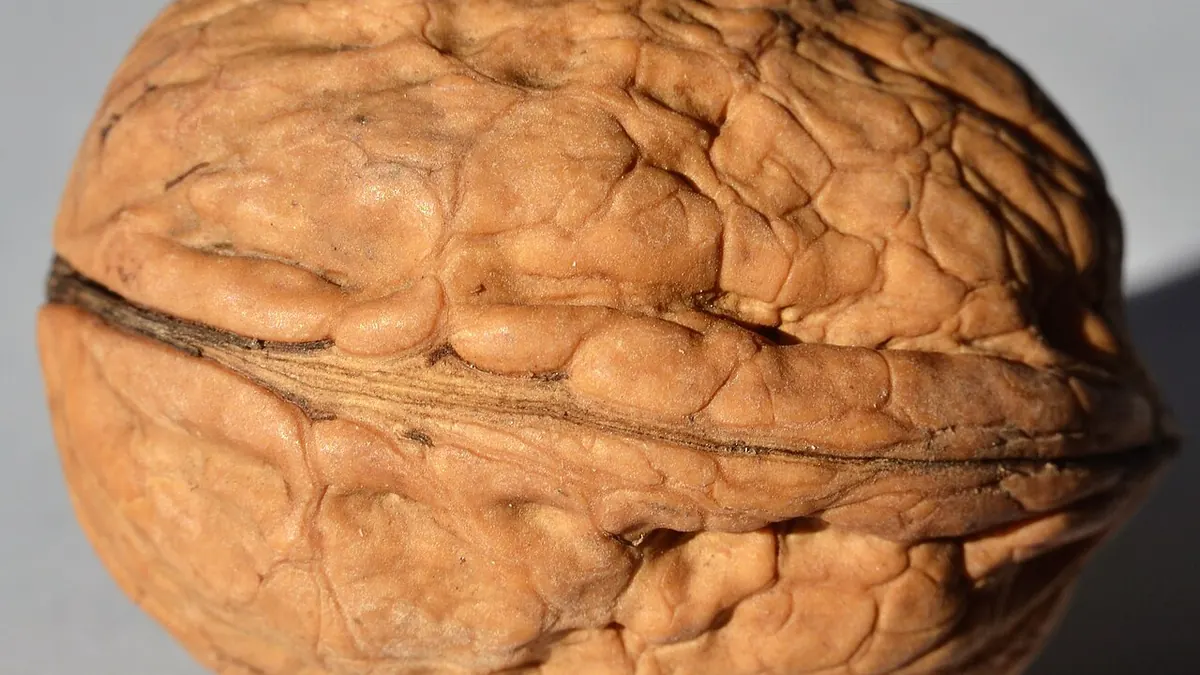
Key takeaways
- Critical In-Shell vs Kernel Conversion (~35%–45% Outturn): Shelling 1 kg whole mountain Kagzi walnuts yields roughly 380–450 g edible Giri kernels—so pure cleaned Snow-White Halves naturally trade 2x to 3.2x higher per kg than whole unshelled nuts!
- Paper-Shell Kagzi Premiums: Authentic hand-crackable thin-shell Kashmiri Kagzi nuts command sharp retail & export spreads cleanly over stony rock-hard Wonth oil-extraction lots.
- SKUAST-K & High-Density Game-Changer: Traditional seedling trees wait 8–12 years yielding 15–25 kg/tree, while grafted SKUAST Hamdan, Sulaiman & lateral Chandler orchards start commercial bearing early in Year 3–4!
- Indian Organic Mountain Flavour Edge: Unbleached snow-white/light-amber Jammu-Kashmir walnuts carry higher natural omega-3 richness without chemical bleaching baths.
Checking walnut price per kg (walnut rate per kg, akhrot price in jammu, or walnut price in Kashmir) hinges immediately on answering two sharp grading questions BEFORE quoting a single rupee: 1) In-shell whole nuts (Sabut Akhrot) versus hand-shelled kernels (Akhrot Giri) (~35%–45% edible kernel yield by weight!), and 2) Paper-thin Kagzi vs Medium Burzul vs Hard-shell Wonth grades harvested across Kupwara, Anantnag, Shopian, Pulwama, Baramulla, and Kishtwar mountains! Regulated cleanly via Jammu’s Narwal wholesale dry-fruit mandi, Delhi’s Khari Baoli, and Agmarknet (Walnut Market Hub), Indian mountain Akhrot also tracks SKUAST-Kashmir clonal improvements (Hamdan, Sulaiman, and Parbat) competing squarely against bleached imported Californian/Chilean Chandler containers audited by APEDA.
Because KisanPe strictly never fabricates arbitrary daily Khari Baoli spot tags, understand exact in-shell-to-kernel weight math, Kagzi shell-crack verification tests, and orchard cultivation gains explored in Walnut Cultivation Guide and Horticulture Markets Hub.
Understanding walnut grading: Snow-White Halves vs Broken Amber vs In-Shell Kagzi
Nothing trips up retail buyers in Jammu (Raghunath Bazar / Narwal Mandi), Srinagar (Parimpora / Sopore), or Delhi’s Khari Baoli faster than comparing cheap broken dark-amber walnut pieces directly against export-grade whole butter-white butterflies (halves)! Guided by commercial dry-fruit trade grading referenced alongside APEDA and SKUAST-Kashmir standards, six distinct quality attributes drive wholesale walnut rate per kg:
| Walnut Grade / Product Form | Kernel Colour & Cracking Quality | Economic Pricing Driver (Relative Spread) |
|---|---|---|
| In-Shell Kagzi Akhrot (Thin Paper Shell) | Cracks effortlessly by pressing two nuts in bare palm! | Highest whole-nut price bracket; ~40%–48% crisp kernel recovery |
| In-Shell Burzul (Medium Mountain Shell) | Cracks lightly with household nutcracker cleanly | Steady mass northern winter market volume; ~35%–40% Giri recovery |
| In-Shell Wonth (Thick Hard Woodland Shell) | Requires hammer cracking; thick inner wooden walls | Lowest whole-nut rate; largely shelled mechanically / oil extraction |
| Export Snow-White Halves (Safed Giri) | Whole intact pale creamy butterfly halves zero black skin | Peak supermarket/gifting valuation cleanly (2.5x–3.2x whole Kagzi!) |
| Light-Amber Broken Quarters / Crumbs | Healthy flavourful sweet fragments shattered in cracking | Smart budget pick for daily nutrition, halwa & bakery cakes cleanly |
| Chilean / Californian Imported Chandler | Machine-graded uniform extra-light halves + thin shell | Acts as city wholesale import ceiling benchmark in Delhi/Mumbai ports |
Jammu Narwal, Anantnag & Delhi Khari Baoli: tracing India’s Akhrot seasonal harvest wave
Across India, Jammu & Kashmir contributes over 90% of national domestic walnut acreage, complemented sustainably by Himachal Pradesh (Kullu, Mandi, Kinnaur) and Uttarakhand hill orchards. Every September–October autumn harvest, green outer fleshy husks (hulls) crack naturally off ripening trees across Kupwara, Baramulla, Anantnag, Shopian, Pulwama, Rajouri, Doda, and Kishtwar—initiating immediate hull peeling, clean freshwater washing, and breezy autumn loft sun-curing before bulk burlap bags stream down NH-44 into Jammu’s giant Narwal Fruit & Dry-Fruit Yard (Mandi Finder) and southward onto Delhi Khari Baoli wholesale brokers.
Notice why early November–January festive Diwali/Lohri winter months show strongest dry-fruit consumption while hot humid July monsoons soften un-chilled shelf prices sharply unless stockists invest cleanly in cold-chain vacuum bags (Mandi Price Watch).
- Check Rancid Oil & Worm Webs Before Bulk Jammu Buying: Press whole nuts lightly near your ear—rattle noise signals shrivelled dried-out old stock, while fresh current-season autumn Giri snaps white-creamy inside cleanly without bitter throat astringency!
- Avoid Chlorine-Bleached Bright Chalky Shells When Seeking Organic Oil Richness: Natural unbleached Kashmiri harvests display mild golden-tan warm earth skins rather than stark white chemical tints.

SKUAST-Kashmir Hamdan, Sulaiman & Parbat grafted orchards vs seedling yields
Historically, Kashmir orchardists struggled economically because random mountain seedling trees demanded 8 to 12 slow years just waiting for initial commercial harvests yielding barely 15–25 kg/tree unpredictably alongside hard thick shells! Research stations at SKUAST-K (Shalimar) and central temperate horticulture institutes transformed mountain profitability by releasing crisp lateral-bearing grafted cultivars—most prominently Hamdan, Sulaiman, Parbat (JWSP-06) alongside adaptable Chandler and Franquette selections (Walnut Cultivation Guide).
High-density modified-central-leader grafted blocks begin bearing early in Year 3–4, fill crisp uniform 40%–50% Kagzi kernels, and pack multiple harvestable trees cleanly per hectare under temperate chill hours (>600–800 hrs under 7°C)! Explore hill orchard financial returns via Farm ROI Calculator.
Preventing post-harvest black kernel rot via clean sun-drying & cold-storage packing
Why do exquisite mountain walnut crops occasionally lose 40% of Kashmir wholesale value right after September harvests? Leaving harvested nuts sitting inside damp split green husks (Juglans regia tannins stain inner shells pitch black quickly!) OR packing warm wet nuts tightly inside closed polythene sacks before kernel moisture drops safely down below 8% grows toxic Aspergillus black mould and dark amber browning overnight!
Peel green husks mechanically within 24 hours of knocking branches gently, wash mud cleanly in crisp water, spread thinly onto ventilated bamboo drying racks avoiding scorching 40°C concrete heat, and vacuum-seal cleaned kernels inside cool dry 0–4°C cold vaults so omega-3 nut oils stay buttery-sweet 12+ months cleanly (Orchard Income Tool).
- Watch Walnut Weevil & Codling Moth Control Cleanly In Spring: Keep orchard floors free of early fallen worm-bored drops (Orchard IPM Hub).
- Register Cold-Chain Sheds Under APEDA / MIDH Cold-Storage Grants: Hill FPOs grading cleanly into Vacuum Snow-White packs multiply grower gate returns substantially (Subsidy Hub).
How Chilean & Californian walnut imports steer retail Indian supermarket ceilings
Urban Indian consumers purchasing walnut 1 kg packs across online platforms frequently see sleek imported Chilean & US Chandler half-kernels priced smoothly beside native Kashmiri Kagzi Akhrot. Because imported crops enter southern hemispheres during March–May—precisely six months opposite Kashmir’s September-November harvest!—monitoring port customs duties and seasonal container arrival timings helps Jammu cooperatives time vacuum-pack dispatches intelligently ahead of festive winter weddings cleanly avoiding April–May fresh Chilean glut weeks (Walnut Market Hub).
High-density Kashmiri walnut nursery grafting, drip irrigation & GI export packing standards
Transforming traditional Kashmiri, Jammu & Himachal Akhrot orchards from stagnant old 20-year seedling forests into vibrant commercial earners starts cleanly with certified grafted lateral-bearing nurseries recommended via SKUAST-K (Hamdan, Sulaiman, Parbat, and dense-planted Chandler). Unlike sprawling vertical giant seedlings requiring 10×10 metre wide alleys and dangerous pole-knocking climbers every September, compact lateral-bearing trees trained neatly along 5×5 m or 6×6 m modified-central-leader rows yield clean unbruised nuts earlier by Year 3–4—lifting usable light-coloured kernel export outturns cleanly past 45%–50%!
Pairing organic mountain compost nutrition, early blossom/husk blight checks (Orchard Disease Protection), mechanical green-hull peelers, and APEDA-compliant hygienic Vacuum-Sealed Snow-White Halves / In-Shell Kagzi cartons (apeda.gov.in) lets Kupwara, Anantnag, Shopian, and Kishtwar grower collectives command crisp Delhi Khari Baoli and overseas festive premiums rather than dumping ungraded brown damp sacks at distress bottom prices onto traveling Jammu truckers (Orchard Income Calculator & Horticulture Hub).
Check regional nursery & cold-storage subsidies cleanly via Agri Subsidy Directory and compute seasonal drip-irrigation schedules on sloping terraces cleanly via Irrigation Calculator.
- Match Chill Hours Strictly To Altitude Zone: Avoid planting ultra-high-chill walnuts in low warm Jammu foothills lacking 600+ cool winter hours under 7°C (Climate Checks).
- Keep Harvested Nut Skins Clean Of Green Husk Tannin Stains: De-hulling gently inside 24 hours preserves bright golden unblemished shell appeal consumers crave!
- Test Kernel Snapping Moisture Under 8% Prior To Cold Vaults: Crisp dry snapping stops hidden rancidity and summer worm webs cleanly across 12+ months.
Selecting genuine Kashmiri Kagzi Akhrot online & checking Jammu wholesale grading certificates
Shoppers ordering 1 kg Kashmiri Kagzi Akhrot online or buying gift tins at Jammu’s Raghunath Bazar during peak autumn-winter festival windows should check three reliable signs distinguishing fresh creamy hill crop from dull stale stored imports: inspect uniform unbleached light-tan woody shells (no bright bleached white acid gloss), crack two walnuts easily palm-to-palm confirming crisp brittle papery Kagzi shells yielding whole intact Snow-White / Light-Amber butterfly kernels, and chew one raw half checking sweet milky oil richness free of harsh throat bitterness or soggy stale flexibility!
At grower level across Kupwara, Anantnag, Shopian, and Doda orchards, pairing high-density SKUAST-K grafted clones alongside mechanical hull peeling, shade drying cleanly below 8% kernel dryness, and clean APEDA vacuum-nitrogen pouching empowers Kashmiri rural collectives to capture top domestic corporate gifting AND overseas winter container spreads sustainably cleanly (Orchard ROI Planner & KCC Orchard Finance).
Balancing organic farmyard compost enrichment alongside cold-climate drainage ditches stops winter root waterlogging completely across sloping Himalayan valleys sustainably. Maintaining strict cold-chain vacuum sealing ensures alpine omega-3 oil sweetness remains fresh throughout humid summer seasons effortlessly.
Selecting intact thin-shelled mountain Kagzi lots sorted cleanly away from dark stale pieces preserves true Himalayan walnut richness cleanly from September harvesting right through winter family celebrations. Sealed vacuum pouches packed with sorted unbroken halves lock mountain oil sweetness across humid plains summers effortlessly while preventing rancidity and bitter pellicle discoloration. Farmers practicing timely ethylene hull cracking, cool airflow shade drying below eight percent kernel moisture, and clean wooden box grading earn stronger premium buyer realizations at Jammu and Kashmir horticultural mandis without middlemen markdowns. Sorting bright buttery snow-white halves strictly separate from darker amber cooking pieces lets Kashmiri growers capture genuine export gift box margins cleanly before winter festive demand surges.
For broader financial, market, and crop-planning continuity alongside walnut price per kg, farmers across India also consult KisanPe resources including KisanPe Mandi Rates Directory, KisanPe Mandi Price Trends, AI Mandi Intelligence Tool, Mandi Market Intelligence Services, Crop Insights Hub, All-India Mandi Bhav Guide, Anaj Mandi Arrival & Auction Guide, Gehu Ka Bhav Commodity Report.
Frequently asked questions
- Why is peeled walnut Giri kernel 2.5x to 3x costlier per kg than whole walnuts?
- Because shells represent 55%–65% of weight—cracking 1 kg whole Kagzi Akhrot yields only ~380–450 g clean edible Giri plus careful manual cracking & colour sorting labour (Walnut Benchmarks).
- How do I distinguish authentic Kagzi Akhrot from Burzul or hard Wonth walnuts?
- Genuine Kagzi walnuts feature thin papery shells that crack cleanly when squeezing two whole nuts inside bare palms, whereas thick stony Wonth shells demand metal crackers or hammers (Walnut Orchard Guide).
- Which SKUAST-Kashmir walnut varieties bear early with high kernel quality?
- Premier SKUAST-K selections Hamdan, Sulaiman, and Parbat (JWSP-06) alongside lateral-bearing Chandler begin commercial bearing in Year 3–4 versus 8–12 years on random seedlings.
- Which Indian dry-fruit mandis trade wholesale Kashmiri & Jammu Akhrot?
- Major primary aggregation anchors Narwal Fruit/Dry-Fruit Mandi (Jammu) and Sopore/Parimpora (Kashmir) feeding national retail distributors via Delhi Khari Baoli verified on Agmarknet (Mandi Finder).
- What is better nutritionally: Snow-White Halves or Broken Light-Amber Walnut Pieces?
- Nutritional omega-3 fatty acid and polyphenol density stays virtually identical across intact Snow-White Halves vs Light-Amber Broken Crumbs—making broken light-amber a smart high-value kitchen pick.
- How can growers prevent dark brown kernel discolouration after September harvest?
- De-hull green outer husks immediately within 24 hours, wash gently, and air-dry thin layers calmly down below 8% kernel moisture avoiding damp polythene bags (Post-Harvest Planner).
- How long do fresh un-shelled walnuts vs vacuum-packed walnut Giri stay fresh?
- Dry whole in-shell Akhrot stores well 8–10 months in cool ventilated burlap bags, whereas exposed shelled Giri turns rancid quickly unless vacuum-sealed inside airtight bags or kept refrigerated (Horticulture Storage Hub).
- Why does Kashmiri walnut taste creamier/richer than some imported varieties?
- Traditional Himalayan cultivars thriving in crisp alpine chill hours carry higher intense natural lipid flavor free of chemical chlorine shell-bleaching (APEDA info).
- How many chill hours and winter rains do walnut orchards require in India?
- Walnuts need ~600–800 winter chilling hours under 7°C and well-drained deep neutral mountain loams free of waterlogged stagnation (Climate Checks).
- Are hill orchardists eligible for MIDH high-density planting & cold-store subsidies?
- Yes—Jammu, Kashmir, Himachal & Uttarakhand Horticulture departments channel central MIDH nursery, drip, and cold-storage subsidies reviewed inside Agri Subsidy Hub & Subsidy Calculator.
This article is for general information only and is not financial advice. Loan and scheme eligibility depends on partner and government criteria.