Haldi Price Today: Erode, Sangli & Nizamabad Mandi Rates
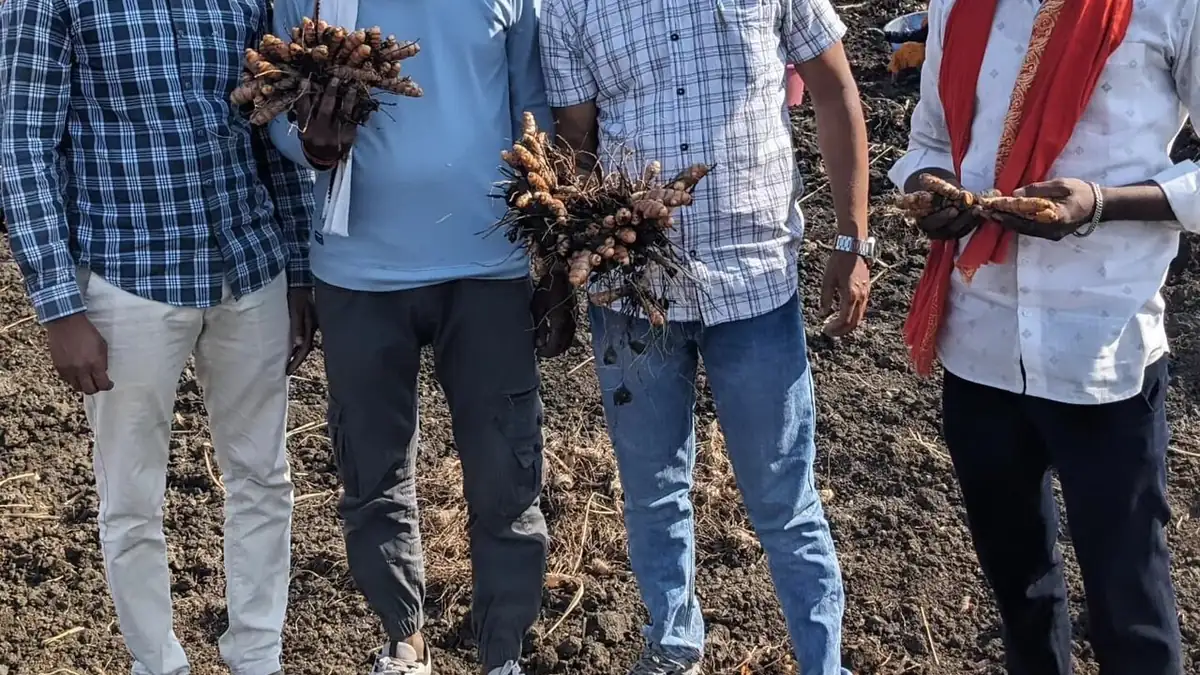
Key takeaways
- Indicative spot turmeric (haldi) mandi prices in India (November 2026) broadly span ₹18,000 to ₹23,000+ per quintal (₹180–₹230+/kg wholesale polished/dried finger basis) across Erode, Sangli, Nizamabad, and Duggirala depending on curcumin percentage and polish.
- Benchmark NCDEX future turmeric contracts hover around ₹25,200 to ₹25,600 per quintal in tightening arrival seasons, guiding millers and physical stockists across Maharashtra, Telangana, and Tamil Nadu.
- Commercial haldi grades fetch tiered premiums directly tied to natural curcumin %: Nizamabad Double Polished (~1.5%–2.2%), Erode (~2.5%–3.5%), Sangli/Salem (~3.5%–4.0%), Alleppey/Vizag (~5.0%–6.0%), and Meghalaya Lakadong (>7.0%).
- Under Spices Board India and FSSAI safety regulations, artificial yellow Lead Chromate polishing is strictly illegal and triggers cargo confiscation; mechanical drum polishing preserves bright market sheen legally.
- Verify daily district APMC spot bids on Agmarknet and Spices Board portals, and optimize field yields inside KisanPe's companion Haldi Farming Guide.
Whether you are checking wholesale haldi price per quintal before curing harvested rhizomes in Nizamabad or sizing up festive powder stocking costs from Sangli and Erode, dry turmeric pricing hinges completely on two measurable benchmarks: natural curcumin % concentration and polished dry finger recovery. As of November 2026, tighter post-harvest arrivals and steady export inquiries keep indicative Indian APMC spot prices strong across ₹18,000 to ₹23,000+ per quintal (around ₹180 to ₹230+ per kg wholesale polished/finger lots), while benchmark NCDEX futures track higher near ₹25,200–₹25,600/qtl depending on delivery contract specifications. Growers planning planting and harvest timings should pair these market pricing cues directly with our companion haldi farming & agronomy guide, check daily turmeric rate trends, examine NCDEX turmeric futures insights, and verify physical yard arrivals officially on Agmarknet.
1. Indicative Haldi Price by Major APMC Mandi & Curcumin Grade (Nov 2026)
India produces nearly 80% of the world's turmeric across Telangana, Maharashtra, Tamil Nadu, Andhra Pradesh, Karnataka, Odisha, and Meghalaya. However, buyers do NOT bid flatly on weight alone: high-curcumin deep-orange cultivars attract pharmaceutical extractors and export oleoresin plants, whereas lower-curcumin lemon-yellow varieties supply everyday domestic masala grinding mills. Review indicative November 2026 spot rates alongside regional curcumin profiles verified against trade bulletins and Spices Board India standards:
| Major Mandi / Origin Grade | Typical Curcumin % | Visual Rhizome Color | Indicative Wholesale Price Range (Nov 2026) | Primary Trade Application |
|---|---|---|---|---|
| Nizamabad (Telangana) – Double Polished | 1.5% – 2.2% | Bright Lemon Yellow | ₹17,800 – ₹21,500 / qtl (₹178–₹215/kg) | Bulk culinary curry powders & domestic retail grinding |
| Erode (Tamil Nadu) – Local Finger (GI) | 2.5% – 3.5% | Rich Orange-Yellow | ₹19,200 – ₹22,800+ / qtl (₹192–₹228+/kg) | Household spices & standard international whole finger exports |
| Sangli / Salem (Maharashtra & TN) – Rajapore | 3.5% – 4.0% | Deep Orange-Yellow | ₹20,500 – ₹24,200 / qtl (₹205–₹242/kg) | Premium branded masala packs & NCDEX benchmark deliveries |
| Duggirala (Andhra Pradesh) – Finger / Bulb | 3.0% – 4.2% | Golden Orange | ₹18,500 – ₹22,200 / qtl (₹185–₹222/kg) | Domestic spice blenders & southern trade depots |
| Alleppey / Vizag High-Curcumin | 5.0% – 6.0% | Intense Deep Orange | Export-linked ₹24,000+ / qtl parity | Food color oleoresin factories & nutraceutical extracts |
| Lakadong (Meghalaya GI) | 7.0%+ | Fiery Deep Saffron-Orange | Specialty Direct B2B Premiums | High-purity medical curcumin extraction & gourmet exports |
When quoting buyers for retail haldi price per kg versus wholesale auction lots, remember that unpolished finger vs double-polished finger vs milled pure haldi powder run completely different cost ladders. Check daily multi-commodity comparisons via KisanPe Mandi Rates, monitor price spread swings on Mandi Intelligence and Mandi Price Watch, review fresh wet rhizome trade pricing, and compare other high-value spice dynamics on Cardamom rate charts and national cardamom economics.
2. Why NCDEX Turmeric Futures & Weather Shape Future Haldi Rates
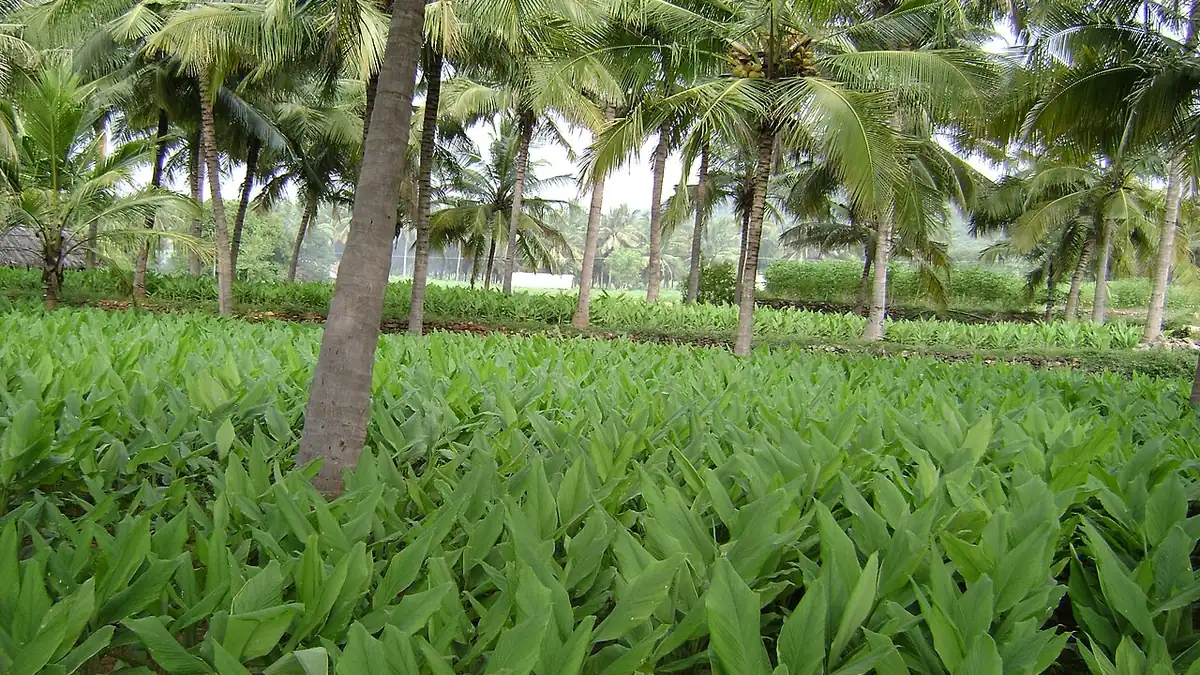
Farmers monitoring turmeric price in future contracts on NCDEX notice dramatic multi-month cycles compared to wheat or paddy. Because turmeric takes 8 to 9 full months in the field (June–July planting through February–March harvesting), supply cannot respond instantly when prices surge! Consequently, three macro factors steer every seasonal rally:
- Sowing Acreage Shifts in Maharashtra & Telangana: Whenever cotton or soyabean margins soften, Nanded, Hingoli, Sangli, and Nizamabad growers expand turmeric seed-rhizome acreage—often expanding market supply 10 months later. Conversely, steep summer seed-rhizome prices limit planting budgets among smallholders.
- Monsoon Deficit vs Rhizome Rot Outbreaks: Long July–August dry spells stunt rhizome bulking, while excessive September waterlogging in heavy black clays accelerates devastating Pythium rhizome rot—cutting dry cured output by 15%–30% cleanly and triggering steep NCDEX bullish runs (like 2024–2026 structural tightening).
- Carry-Forward Stocks & Export Demand: Unprocessed boiled/cured turmeric keeps cleanly for 18–24+ months inside dry godowns. Tracking Spices Board export shipments alongside pipeline inventories at Sangli and Erode warehouses tells stockists whether summer arrivals face stiff industrial mill competition.
3. Curing, Boiling & Mechanical Polishing: Raising Auction Offers by ₹1,500+/qtl
Freshly dug green turmeric rhizomes hold roughly 75%–80% water and yield barely 18% to 22% dry cured spice weight (roughly 5 kg wet green haldi makes 1 kg dry cured fingers). Sloppy village boiling or uneven drying immediately destroys skin color, leaves brittle black fungal interiors, and draws heavy mandi penalties. Follow proven steps from our complete turmeric production & curing manual and turmeric crop guide:
- Separate Mother Bulbs vs Fingers Before Boiling: Never boil thick central mother bulbs ('Gatha') mixed inside thin side fingers! Thick mother rhizomes need longer steam timing; mixing them leaves bulbs raw/gummy while thin fingers overcook and split.
- Steam-Cooking Beats Open Drum Boiling: Modern portable steam boilers recommended by ICAR-IISR cook batches cleanly in 35–45 minutes without waterlogging starch cells, cutting firewood bills 40% and slashing open sun-drying time from 14 days down to ~7–9 days.
- Dry Cleanly Under ~10% Moisture: Spread boiled fingers evenly over raised tarpaulins or cemented yards until crisp and snapping with a clear metallic ring (~9%–10% moisture) so storage borers cannot hollow out cores.
- Mechanical Drum Polishing Only (NEVER Lead Chromate!): Using rotating hexagonal abrasive drums removes grey dried skin scales naturally, giving gleaming golden fingers. Spices Board India and FSSAI enforce zero tolerance against illegal Lead Chromate / artificial yellow dyes—contaminating batches leads directly to export blacklisting and criminal fines.
4. Smart Selling Channels: APMC Auctions, e-NAM & Rural Warehouse Credit
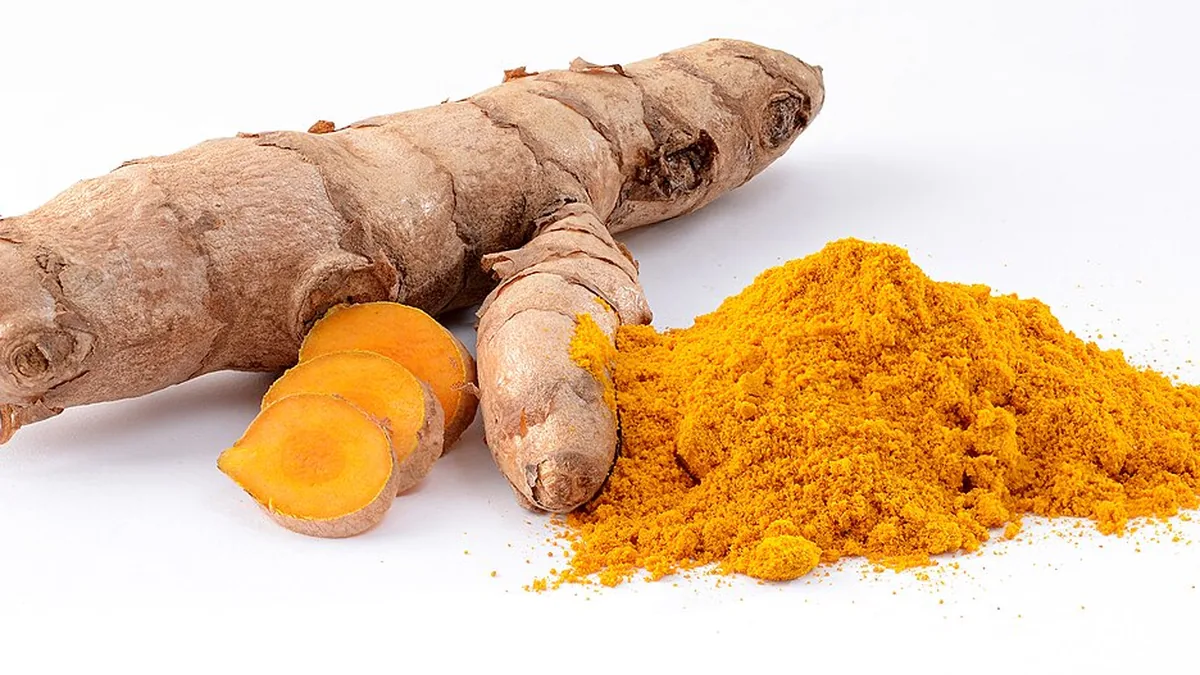
Once haldi rate today weakens during peak March–April fresh arrivals, avoid forcing dry polished spice through local village traders at distressed cash quotes. Clean <10% moisture cured turmeric stores securely for over a year inside WDRA-accredited warehouses listed in our Gramin Bhandaran godown guide. Farmers can pledge electronic warehouse receipts via a low-cost Kisan Credit Card for instant household liquidity, monitor competitive buyer bids across states on e-NAM electronic mandis, and locate transparent auction yards using our nearest mandi finder and mandi bhav guide. Growers scaling drip fertigation and soil bio-protection can also check horticulture input subsidies, calculate soil nutrition via our Fertilizer Calculator, and build soil microbial defense with biofertilizers.
5. Finger vs Bulb vs Cut Piece Grading at Erode, Sangli & Nizamabad Mandis
Before unloading sacks onto village auction platforms at Erode, Sangli, or Nizamabad, carefully segregate turmeric into four standard physical trade fractions rather than bagging everything together—because commission buyers invariably bid down mixed ungraded sacks to the lowest common fraction! Keep clean unbroken Primary Fingers (Salum / Finger) separate, as bold 5–8 cm polished unbroken fingers capture flagship ₹19,000–₹23,500+/qtl auction bids; grade Mother Bulbs (Gatha / Gola) cleanly into a second lot used widely by masala millers at a ~₹1,000–₹1,800/qtl discount below top fingers; sieve out Mini Broken Fingers (Kani / Tukda) cleanly for instant local grinding; and remove shriveled fungal black rot pieces ('Chura / Kaala') completely! Additionally, store dry polished lots inside dry triple-layer woven HDPE or gunny bags atop wooden dunnage pallets away from damp godown walls, preventing monsoon re-absorption above 11% moisture that dulls bright surface polish and invites Lasioderma serricorne cigarette-beetle boring.
Growers preparing land for upcoming May–June planting can optimize rhizome weight cleanly without chasing chemical overkill by adopting raised-bed drip fertigation schedules, sourcing clean Trichoderma-dressed mother seed rhizomes (~800–1,000 kg/acre planting material), mulching beds thickly with paddy straw to cool soil temperatures 3°C–4°C, and tracking monthly state export notifications via official Spices Board India spice-park bulletins alongside our Soil Health Card soil-fertility guidelines and paddy-straw mulch sourcing notes. Finally, ensure clear traceability receipts at district Regulated Market Committees (RMCs) or e-NAM assay counters before loading inter-state spice lorries: maintaining intact farmer lot slips, lot-level moisture notes, and clean graded weight cards accelerates GST compliance and prevents arbitrary brokerage deductions across Erode, Sangli, Nizamabad, and Duggirala mandis.
6. Frequently Asked Questions on Haldi Price & Market Grades
Find fast answers covering November 2026 haldi rates in Erode, Sangli, and Nizamabad, dry-curing recovery percentages, curcumin grading premiums, and legal polishing practices.
Frequently asked questions
- What is the indicative haldi price per quintal and per kg in India today?
- As of November 2026, indicative wholesale spot haldi prices across major Indian mandis like Nizamabad, Erode, Sangli, and Duggirala range around ₹18,000 to ₹23,000+ per quintal (₹180 to ₹230+/kg polished dry finger basis), with high-curcumin Alleppey/Lakadong lots fetching higher export premiums. Verify daily quotes officially on Agmarknet and the KisanPe Mandi Rates portal.
- Which Indian mandi sets the benchmark for turmeric futures and wholesale haldi rates?
- Sangli (Maharashtra) alongside Nizamabad (Telangana) and Erode (Tamil Nadu) drive India's national physical turmeric pricing, with NCDEX futures contracts settling directly against standard Sangli/Nizamabad delivery specifications—check trends inside our NCDEX turmeric analysis.
- Why does Lakadong or Salem haldi cost much more than Nizamabad haldi?
- Wholesale price reflects measurable curcumin % content and oleoresin extraction efficiency per tonne: Nizamabad Double Polished normally assays ~1.5%–2.2% curcumin, Erode ~2.5%–3.5%, Sangli/Salem ~3.5%–4.0%, whereas Meghalaya's Lakadong exceeds 7.0%+ curcumin, prized by global pharmaceutical extractors monitored by Spices Board India.
- How many kg of dry cured haldi do farmers recover from 100 kg fresh wet turmeric?
- Clean boiling/steaming and sun-drying yields roughly 18 to 22 kg of dry cured haldi from every 100 kg of fresh harvested wet green rhizomes (~5:1 ratio), varying slightly by variety maturity and rhizome solids—see full steps in our haldi farming guide.
- Can farmers check Erode and Sangli haldi rates before hauling harvest trucks?
- Yes! Inspect prior-session district modal bids using KisanPe turmeric market updates and our Mandi Intelligence engine, then compare out-station quotes transparently through electronic e-NAM vs local mandi auction yards.
- Why do mandi quality inspectors reject artificially yellowed haldi lots?
- Both FSSAI and Spices Board India enforce a strict zero-tolerance ban on toxic Lead Chromate chemical coloring; always brighten fingers exclusively using dry mechanical rotating drum polishers after complete <10% moisture sun-drying.
- How long can dry cured haldi fingers be stored safely to avoid peak harvest dips?
- Properly boiled, sun-dried (~9%–10% moisture), and mechanically cleaned turmeric stores safely inside cool, dry, rodent-proof warehouses for 12 to 24 months without fungal rot—letting growers finance holding periods via rural warehouse receipts.
- What is the price difference between raw fresh haldi and dried cured haldi?
- Fresh wet green turmeric sold right after digging normally trades around ₹3,200–₹5,500/qtl (~₹32–₹55/kg) because 75%+ of its weight is pure moisture, whereas properly cured <10% moisture dry fingers fetch ₹18,000–₹23,000+/qtl wholesale—see details in our raw turmeric pricing breakdown.
This article is for general information only and is not financial advice. Loan and scheme eligibility depends on partner and government criteria.