Mentha Oil Ka Rate: Barabanki, Sambhal & MCX Price Guide
Key takeaways
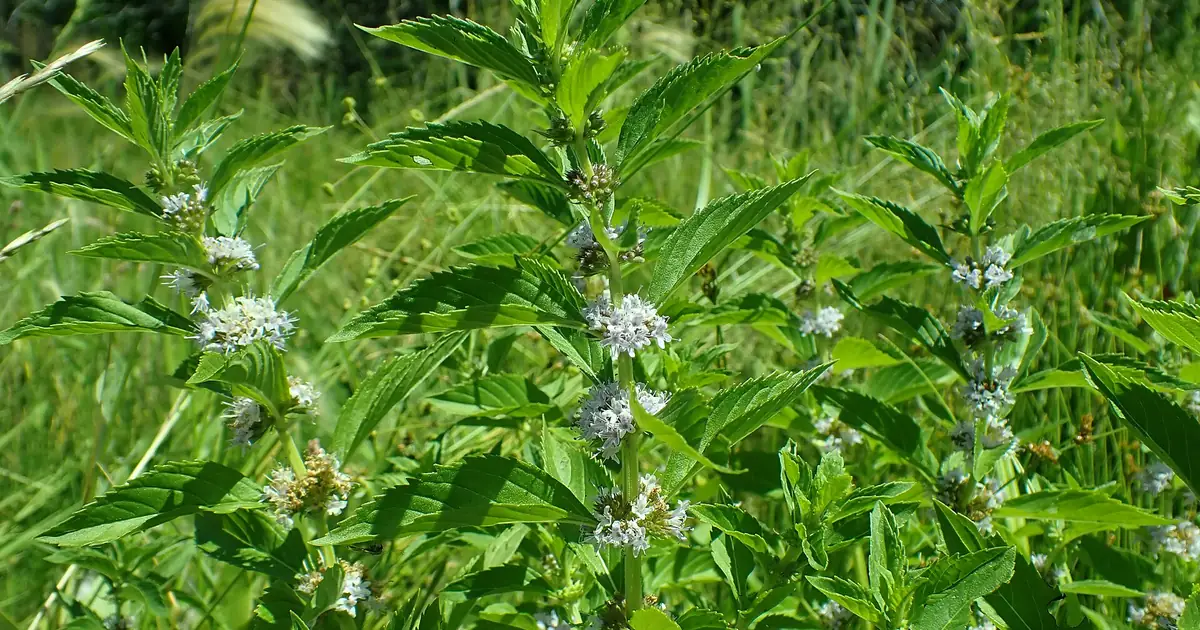
- Global & State Supply Leadership (ICAR / CSIR): India accounts for roughly 80%–85% of world natural menthol and mint oil output, cultivating menthol mint (Mentha arvensis) across more than 2.5 to 3 lakh hectares—with Uttar Pradesh generating roughly 70%–85% of India’s national supply.
- How Mentha Oil Ka Rate Is Discovered: Unlike wheat or paddy backed by government MSP, crude mentha oil operates under pure open-market price discovery across physical Uttar Pradesh hubs (Barabanki, Chandausi, Sambhal, Rampur, Sitapur) linked closely to Multi Commodity Exchange (MCX) 360-kg standard futures lots quoted in ₹/kg.
- Quality Grading Drives Real Payouts: Refinery buyers inspect L-menthol percentage (high-yielding CSIR-CIMAP cultivars such as Kosi deliver 75%–78% natural L-menthol and ~1.2%–1.3% oil yield in 90–100 days), water-emulsion freedom, and drum cleanliness rather than paying one uniform village rate.
- Multi-Cut Summer Agronomy Economics: Calibrated steam distillation of wilted summer herbage across primary and second-cut harvests maximises oil recovery per hectare while clean galvanized or food-grade lined drum storage avoids iron discolouration penalties.
- Verify Spot Quotes Before Hauling Drums: Cross-check same-day physical arrivals on Agmarknet and e-NAM alongside KisanPe regional trackers before transporting drums to Barabanki or Chandausi commission yards.
Tracking accurate mentha oil ka rate (मेंथा ऑयल / पिपरमेंट तेल का भाव) starts with understanding how India’s natural menthol supply chain prices farmer-distilled crude oil before a single galvanized iron (GI) drum leaves the village boiler. According to official assessments from the Indian Council of Agricultural Research (ICAR) and Council of Scientific & Industrial Research (CSIR), India produces roughly 80% to 85% of the world’s natural mentha oil from Mentha arvensis cultivated across more than 2.5 to 3 lakh hectares, exporting tens of thousands of tonnes of natural menthol crystals and essential oils worldwide.
Because menthol mint has no statutory Minimum Support Price (MSP) set by the central government, mentha oil ka rate shifts every morning across Uttar Pradesh trading corridors—led by Central UP (Barabanki, Sitapur, Lakhimpur Kheri) and Western UP (Chandausi, Sambhal, Rampur, Budaun)—in close parity with export enquiries, USD/INR movement, and Multi Commodity Exchange (MCX) futures contracts settled in Chandausi. Before committing drum lots at local brokerage counters, verify daily wholesale market bulletins on Agmarknet and e-NAM, explore KisanPe’s Mandi Rates hub, and inspect district-focused notes inside our Barabanki mentha rate update, Sambhal & MCX overview, and daily mentha oil bhav tracker.
Why Mentha Oil Pricing Centres Around Uttar Pradesh: Barabanki vs Chandausi & Sambhal
Figures compiled by ICAR and CSIR confirm that Uttar Pradesh contributes roughly 70% to 85% of India’s national menthol mint production, spread densely across fertile Indo-Gangetic alluvial plains with easy shallow groundwater for short Zaid irrigation windows between rabi wheat harvest and kharif paddy transplanting. Within Uttar Pradesh, however, Barabanki and the Sambhal–Chandausi belt perform distinct commercial roles inside India’s mint economy.
Barabanki and Sitapur operate primarily as dense farm-gate cultivation and primary steam-distillation belts, where thousands of smallholders harvest 90-to-100-day mint stands after mustard, potato, or early vegetable harvesting. Meanwhile, Chandausi and Sambhal (alongside neighbouring Rampur and Moradabad processors) serve as India’s flagship physical wholesale trading, fractional-crystallisation, and exchange-warehousing strongholds—converting farm-gate crude Shivalik oil into refined L-menthol crystals, peppermint terpenes, and USP-grade aromatic derivatives exported globally under oversight linked with APEDA and Ministry of Commerce export councils.
| Trading Hub / Exchange Tier | Location & Ecosystem Role | Primary Oil Form Handled | Official Rate & Standard Reference |
|---|---|---|---|
| Barabanki & Central UP Cluster | Barabanki, Sitapur, Hardoi, Lakhimpur Kheri | Farm-distilled crude Mentha arvensis field oil in 180 kg drums | Check APMC arrival bulletins on Agmarknet & e-NAM alongside KisanPe Barabanki guide |
| Chandausi & Sambhal Belt | Chandausi (Sambhal), Rampur, Budaun, Moradabad | Graded bulk crude lots, chilled menthol crystal feedstock & refinery ex-tank trades | Primary physical reference corridor aligned with exchange specifications |
| MCX Mentha Oil Contract Tier | National commodity futures exchange benchmark | Standardized deliverable grade crude Mentha arvensis oil | Contract unit: 360 kg | Price quote: Rs per kg | Tick size: Rs 0.10 | Chandausi basis |
| National APMC & Digital Checks | Tarai UP, Punjab, Haryana, MP & Bihar pocket markets | Assorted seasonal lots from rabi-Zaid summer harvests | Statutory daily commodity filings tracked via Agmarknet & KisanPe Mandi Intelligence |
For step-by-step instructions on reading official modal, minimum, and maximum auction sheets without confusion between per-kg essential oil units and per-quintal grain units, check our KisanPe Mandi Rates Verification Guide or launch Mandi Intelligence for corridor comparison. Growers weighing mint against adjacent summer or oilseed rotations can also inspect core mentha crop economics, daily rate movement factors, and session-wise spot notes.
How MCX 360 kg Lots & Ex-Chandausi Parity Shape Local Village Bhav
Many smallholder growers wonder why a village commission agent quotes one price in Barabanki while a mobile ticker shows a higher MCX futures number in Chandausi. On India’s Multi Commodity Exchange, mentha oil derivatives trade in 360 kg trading units (equivalent to two standard 180 kg drums) quoted per kilogram with a minimum tick size of ₹0.10, anchored historically to Ex-Chandausi warehouse delivery norms. That exchange price reflects standardized lab-tested oil sitting inside approved quality-assayed vaults—already cleaned of moisture emulsions, settled for sediment, packed in specification drums, and carrying GST documentation and storage carry charges.
When traders buy directly at farm-gate village distillation boilers or rural UP hats, they factor in transport freight toward Chandausi/Sambhal crystallisation plants, lab testing costs for natural L-menthol percentage, filtration loss if murky bottom residue remains in the barrel, and financing spread. Knowing exact physical-vs-futures parity empowers farmers with 200 to 500 kg of clean oil to negotiate transparently or test drums prior to dispatch instead of accepting steep flat discounts.
CSIR-CIMAP Varieties & L-Menthol Content: Why Field Genetics Dictate Oil Value
India’s global dominance in natural menthol stems directly from plant breeding breakthroughs by the CSIR-Central Institute of Medicinal and Aromatic Plants (CSIR-CIMAP) in Lucknow (csir.res.in), working in tandem with ICAR field extensions across Barabanki and surrounding districts. Planting degenerated local suckers lowers leaf density and exposes foliage to rust and leaf-spot defoliation, slashing oil recovery before harvesting.
In contrast, certified high-yielding cultivars engineered by CSIR-CIMAP—most notably Kosi alongside newer selections such as CIM-Kranti and CIM-Saryu—deliver markedly higher essential oil recovery and elevated L-menthol concentration even under hot May–June North Indian summers. Note how Kosi’s verified agronomic profile directly expands gross rupee realisation per acre without increasing fertilizer burden:
| Agronomic / Quality Parameter | CSIR-CIMAP Benchmark (e.g., Variety Kosi) | Direct Effect on Farmer Income & Mandi Rate |
|---|---|---|
| Crop Maturity Duration | 90–100 days (early-maturing Zaid window) | Frees fields cleanly between late wheat harvest and kharif paddy transplanting |
| Herbage Essential Oil Content | 1.2%–1.3% oil content under optimal agronomic care | Produces substantially more kg of clear oil per trailer of green wilted herb |
| Natural L-Menthol Content | 75%–78% natural L-menthol fraction in raw distilled oil | Secures buyer grade parity or small quality premium over stressed early-cut oil |
| Multi-Cut Field Oil Potential | 110–200 kg/ha across multi-harvest & ridge-bed systems | Ridge-bed sowing saves irrigation water while boosting clean leaf retention |
| Disease Resistance Profile | In-built tolerance to leaf spot, rust & powdery mildew | Preserves oil-bearing mature leaves intact instead of shedding before cutting |
Pre-Harvest Agronomy & Steam Distillation Tricks That Raise Recovery & Payout
Even with elite cultivars like Kosi or CIM-Kranti planted on raised ridge beds, farmers frequently forfeit 15% to 25% of potential oil value during the final 10 days of harvest and boiling. Essential oil accumulates primarily inside microscopic glandular hairs (trichomes) on upper mature leaves—not woody stems. Premature cutting when plants stand too succulent lowers L-menthol ratio and raises boiling fuel costs, whereas delaying past early flower initiation causes lower yellow leaves to drop onto dry soil.
- Harvest Timing (10%–20% Flowering / 90–110 Days): Cut crops during dry sunny mornings once lower leaves begin gentle senescence and floral buds start opening—this peak physiological stage raises L-menthol concentration toward refinery targets.
- Light Shade Wilting (12–24 Hours): Allow cut herbage to wilt gently in loose airy heaps for up to a day before loading distillation stills so excess cellular sap evaporates without scorching trichomes, cutting coal/biomass fuel consumption significantly.
- Tight Chaff Packing Without Crushing: Pack wilted mint evenly inside stainless-steel or iron distillation tanks so high-pressure steam rises through all foliage evenly rather than punching empty steam channels along drum walls.
- Cool Condenser Temperature Control: Maintain steady cold water flow across condenser coils so distilled essential oil exits near ambient cool temperatures—warm condensate loses volatile aromatic top-notes and forms cloudy water emulsions.
- Moisture Decanting & Clear Filtration: After separating hydrosol (distillate water) in the Florentine separator vessel, let fresh oil rest in clean covered containers and siphon off sunken water droplets completely before transferring into dry drums.
Four Quality Checks Traders Run Before Paying Top Mentha Oil Ka Rate
At organized collection depots in Sambhal, Chandausi, and Barabanki, buyers never price sealed drums blind. Within minutes of dipping a sampling thief pipette, chemists and experienced adhatiyas verify four physical and laboratory traits that instantly widen or narrow your net cheque per kg:
- Natural L-Menthol Percentage (70%–78%+): Tested rapidly via refractive index or gas chromatography (GLC) against reference pure oil; prematurely cut mint heavy in menthone rather than mature L-menthol faces steep downward weight deductions.
- Free Moisture & Emulsion Clarity: Cloudy milky oil contaminated with leftover steam water drops straight down in buyer valuation because refiners subtract moisture weight and re-filtration expense.
- Colour & Metal Contamination: Pure field oil appears pale amber to clear straw-yellow. Storing acidic crude oil inside unlined rusted scrap drums turns oil dark reddish-black, forcing costly vacuum redistillation before crystal extraction.
- Zero Adulteration Integrity: Adding cheap synthetic turpentine, liquid paraffin, or carrier vegetable oils shows immediately on GLC chromatograms—blacklisting lots completely from reputable APEDA exporter channels.
Safe Storage, GST Billing & Farmer Credit Planning for Essential Oil Crops
Because India’s primary summer harvest arrives compressed inside a tight eight-week May–July rush, distress selling straight off village boilers often coincides with seasonal arrival pressure. Growers able to hold well-decanted, moisture-free oil inside airtight galvanized steel or coated HDPE-lined drums stored under cool ventilated shade can wait out immediate arrival gluts without losing L-menthol potency.
Keep head-space minimal inside storage drums to stop oxygen oxidation, label tare/net weights clearly on every lid, and always trade on formal mandi receipts under state agricultural marketing rules backed by Ministry of Agriculture & Farmers Welfare (agriwelfare.gov.in). To manage seed suckers, shallow tube-well irrigation, diesel, and steam-still rental expenses cleanly without high-interest village borrowing, calculate low-interest crop limits on the KisanPe KCC Calculator, protect standing Zaid/Kharif acreage against hail or unseasonal summer storms through PMFBY crop insurance, verify regional horticultural practices via your nearest Krishi Vigyan Kendra (KVK), and monitor overall farm sales channels inside KisanPe Mandi Ka Bhav guide.
Frequently asked questions
- What determines mentha oil ka rate in Indian APMC mandis like Barabanki, Chandausi, and Sambhal?
- Unlike MSP grains, natural mentha oil ka rate moves purely by demand and supply across global menthol export orders (APEDA export channels), domestic pharma/confectionery buying, Uttar Pradesh seasonal crop acreage (ICAR), MCX futures sentiment, and your oil’s L-menthol percentage. Always confirm official spot sheets via Agmarknet and our Barabanki mentha tracker.
- How large is India’s mentha oil production share and Uttar Pradesh’s contribution?
- Per ICAR and CSIR assessments, India is the world’s largest producer and exporter of natural menthol mint oil, supplying roughly 80% to 85% of global output from more than 2.5 to 3 lakh hectares—with Uttar Pradesh alone contributing approximately 70% to 85% of total national production. Read full regional market dynamics inside our Sambhal & Barabanki mentha guide.
- What is the standard MCX mentha oil contract size and price unit?
- On India’s Multi Commodity Exchange (MCX), mentha oil futures contracts trade in a standard unit of 360 kg (two standard 180 kg drums), quoted per kilogram (₹ per kg) with a minimum tick size of ₹0.10 and historical pricing anchored around Ex-Chandausi physical market standards. Track regional parity alongside KisanPe’s Mandi Rates directory and Mandi Intelligence portal.
- Which CSIR-CIMAP Mentha arvensis variety delivers the highest oil quality and yield?
- Kosi—developed by CSIR-Central Institute of Medicinal and Aromatic Plants (csir.res.in)—is one of India’s most successful commercial varieties, maturing early in 90–100 days with tolerance to leaf spot and rust, yielding around 1.2%–1.3% oil content containing 75%–78% natural L-menthol and up to 110–200 kg/ha potential across multi-harvest cycles. Check KVK sowing advice for certified suckers.
- Why do Barabanki farmers sometimes receive lower quotes than Chandausi MCX rates?
- Village and primary rural quotes discount MCX warehouse futures for inter-district drum freight, GLC/lab L-menthol assaying charges, moisture-settling filtration weight loss, drum packaging standards, and GST documentation costs. Decant water moisture thoroughly and verify clean auction sheets on e-NAM and our Mandi Rates Verification Guide before accepting trader markdowns.
- How long should cut mint herb be dried in the field before steam distillation?
- Mildly wilt freshly harvested Mentha arvensis shoots in airy shaded heaps for 12 to 24 hours prior to tank loading—this reduces bulky water sap without bursting leaf trichome oil glands, cutting boiler fuel expenditure while keeping clear amber oil recovery steady. For full harvest timing checklists, read our Mentha Oil crop guide.
- How should distilled mentha oil be stored so L-menthol percentage and colour stay intact?
- After separating hydrosol water completely, transfer cooled moisture-free oil into spotless, dry, unrusted galvanized iron (GI) or clean epoxy/food-grade lined drums with tight air-sealed bungs stored away from direct heat and sunlight. Proper storage lets growers time seasonal rallies smoothly alongside KCC working capital without distress selling right at harvest.
- Is there any government MSP for Mentha oil, and can farmers insure mint crops?
- Mentha oil is a commercial aromatic essential oil without a central government Minimum Support Price (MSP); prices adjust dynamically to domestic and APEDA export market demand. However, farmers cultivating seasonal crops can check state weather-based / crop insurance coverage rules on PMFBY and district market updates under DA&FW (agriwelfare.gov.in).
- Why must growers avoid dirty condenser water or mixing synthetic substances into mint oil?
- Murky water emulsions trap cloudy moisture that buyers penalize immediately on weight, while blending adulterants like liquid paraffin or mineral spirits gets rejected outright on standard GLC refinery testing—damaging farmer credibility permanently. Always keep vessels spotless and compare clean grading rules across our daily mentha rate guide.
- Mentha oil ka aaj ka rate aur Barabanki ya Chandausi mandi bhav sahi kaise check karen?
- Kisan bhai Agmarknet (agmarknet.gov.in) ya e-NAM portal par apni tehsil aur UP APMC mandiyon ke daily arrivals dekh sakte hain, aur drum bechne se pehle saaf decanted oil mein 75%+ L-menthol quality check zaroor karayen. Rozana ke updates aur grading tips ke liye mentha oil rate today aur mandi ka bhav guides padhen.
This article is for general information only and is not financial advice. Loan and scheme eligibility depends on partner and government criteria.