Tractor Tractor: Price in India, Top Brands & Specs 2026
Key takeaways
- India is the world’s largest tractor manufacturing market, producing over 900,000 agricultural tractors annually across competitive domestic and multinational manufacturing giants.
- New tractor prices in India range from ₹2.80 Lakh for entry-level 15-20 HP mini tractors up to ₹16.50 Lakh for 75-90+ HP heavy-duty commercial 4WD tractors as of November 2026.
- Selecting the ideal farm tractor machine requires balancing horsepower with implement matching: 35-40 HP for 5-foot rotavators, 45-50 HP for 6-foot tillers and multi-crop threshers, and 55+ HP 4WD for laser land levellers and heavy MB ploughing.
- Under the central government’s Sub-Mission on Agricultural Mechanization (SMAM / Farmech DBT), farmers can claim 40% to 50% capital subsidies (capped at ₹2.0 to ₹2.5 Lakh) on tractor purchases.
- Agricultural financing through the Kisan Credit Card (KCC) and public sector banks offers 85-90% on-road funding with bi-annual harvest-linked EMI schedules tailored to Rabi and Kharif crop realization cycles.
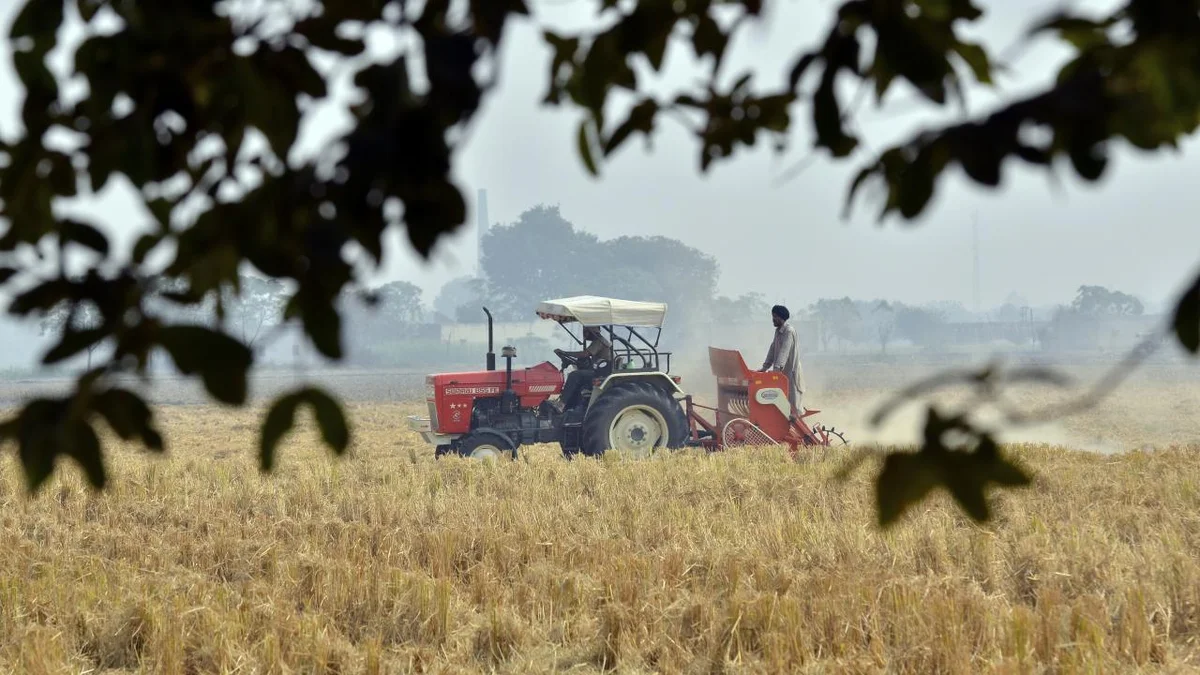
The agricultural tractor (often searched across rural India simply as tractor tractor, farm tractor, or tractor machine) is the single most transformative piece of capital equipment in modern farming. From breaking hardpan clay during summer ploughing and executing zero-till seed drilling to powering high-speed post-harvest threshers and transporting heavily loaded trolley payloads across rural highways, the tractor is the indispensable heartbeat of the Indian rural economy as of 23 November 2026.
With over 16 major tractor manufacturers operating across India, choosing the right machine requires navigating hundreds of models, displacement volumes, PTO transmission configurations, and pricing tiers. Whether you are researching new tractor price options for a first-time family purchase, comparing tractor price in india across industry stalwarts like Mahindra, Swaraj, Sonalika, John Deere, and Kubota, or exploring central SMAM government subsidies, this comprehensive guide delivers an exhaustive technical breakdown of horsepower segments, implement matching matrices, fuel economy benchmarks, and harvest-linked loan financing.
Horsepower segments & new tractor price list in India 2026
The Indian tractor market is segmented by engine horsepower (HP) ratings, engine cubic capacity (cc), and drive axle configurations (2WD vs 4WD). Below is the comprehensive indicative price matrix across primary commercial horsepower segments as of November 2026:
| Horsepower Category | Engine Capacity & Cylinders | Indicative Ex-Showroom Price (₹) | Best-Suited Farm Operations |
|---|---|---|---|
| Mini / Chota Tractor (15 – 25 HP) | 850 – 1,350 cc | 1 to 3 Cylinders | ₹2.80 Lakh – ₹4.50 Lakh | Vineyards, apple/pomegranate orchards, sugarcane inter-row, small vegetable beds |
| Compact Utility (26 – 35 HP) | 1,500 – 2,200 cc | 3 Cylinders | ₹4.20 Lakh – ₹5.80 Lakh | Smallholder cultivation (2-5 acres), 5-foot rotavator, single-axle 3-tonne trolley |
| Standard Agricultural (36 – 45 HP) | 2,400 – 2,900 cc | 3 to 4 Cylinders | ₹5.50 Lakh – ₹7.20 Lakh | Multi-crop farming, 6-foot cultivator, zero-till seed drill, 5-tonne haulage |
| High-Power Utility (46 – 55 HP) | 2,900 – 3,500 cc | 3 to 4 Cylinders | ₹6.80 Lakh – ₹9.20 Lakh | 6-7 foot rotavators, reversible MB plough, high-capacity paddy thresher |
| Heavy Duty & 4WD (60 – 75 HP) | 3,300 – 4,200 cc | 4 Cylinders Turbo | ₹9.50 Lakh – ₹13.20 Lakh | Laser land levellers, heavy wetland puddling, combine harvester attachment |
| Commercial High-Tech (80 – 110+ HP) | 4,000+ cc | 4 to 6 Cylinders CRDI | ₹13.50 Lakh – ₹18.00 Lakh | Large custom hiring centers, heavy sugarcane baling, high-tonnage mining haulage |
Source: Indicative ranges, November 2026. Sourced from Central Farm Machinery Training & Testing Institute (CFMTTI Budni) commercial release data, state transport department registration records, and authorized dealership price bulletins. On-road prices vary based on state RTO tax, comprehensive commercial insurance, and mandatory accessory packages.
Top tractor brands in India: engineering strengths & model leaders
Selecting the ideal tractor brand depends on whether your priority is rugged torque, low maintenance costs, fuel economy, or advanced electro-hydraulic precision. Here is how India’s leading manufacturers stack up:
- Mahindra & Mahindra: India’s undisputed market leader for over four decades. Renowned for fuel-efficient m-Boost engines, heavy DI rear axles, and expansive rural service networks. Top models include the Mahindra 275 DI TU (39 HP), Mahindra 475 DI (42 HP), Mahindra 575 DI (45 HP), and the Yuvo Tech+ 585 (49 HP).
- Swaraj Tractors: Manufactured by Mahindra & Mahindra, Swaraj is legendary across Punjab, Haryana, and Rajasthan for raw low-end lugging torque, massive solid metal front axles, and cast-iron durability. Standout performers include the Swaraj 735 FE (39 HP), Swaraj 744 FE (48 HP), and the powerhouse Swaraj 855 FE (52 HP).
- Sonalika (International Tractors Limited): Renowned for offering heavy horsepower engines at competitive price points. Featuring fuel-saving CRDS engines and multi-speed transmissions. Star models include the Sonalika DI 35 (39 HP), DI 745 III (50 HP), and Sikander Tiger 55 (55 HP).
- John Deere India: The gold standard for precision engineering, wet-disc oil-immersed brakes, and power-reverser transmissions. Highly favoured by progressive commercial cultivators. Popular choices include the 5045D (45 HP), 5050D (50 HP), and the heavy-duty 5310 GearPro (55 HP 4WD).
- Kubota Corporation: Japan’s leading tractor innovator brings lightweight construction, E-CDIS 4-valve clean diesel engines, and bevel-gear watertight 4WD front axles that dominate wetland paddy puddling without sinking. Flagship models include the Kubota MU4501 (45 HP) and MU5502 (50 HP).
Tractor implement matching: rotavators, MB ploughs & threshers
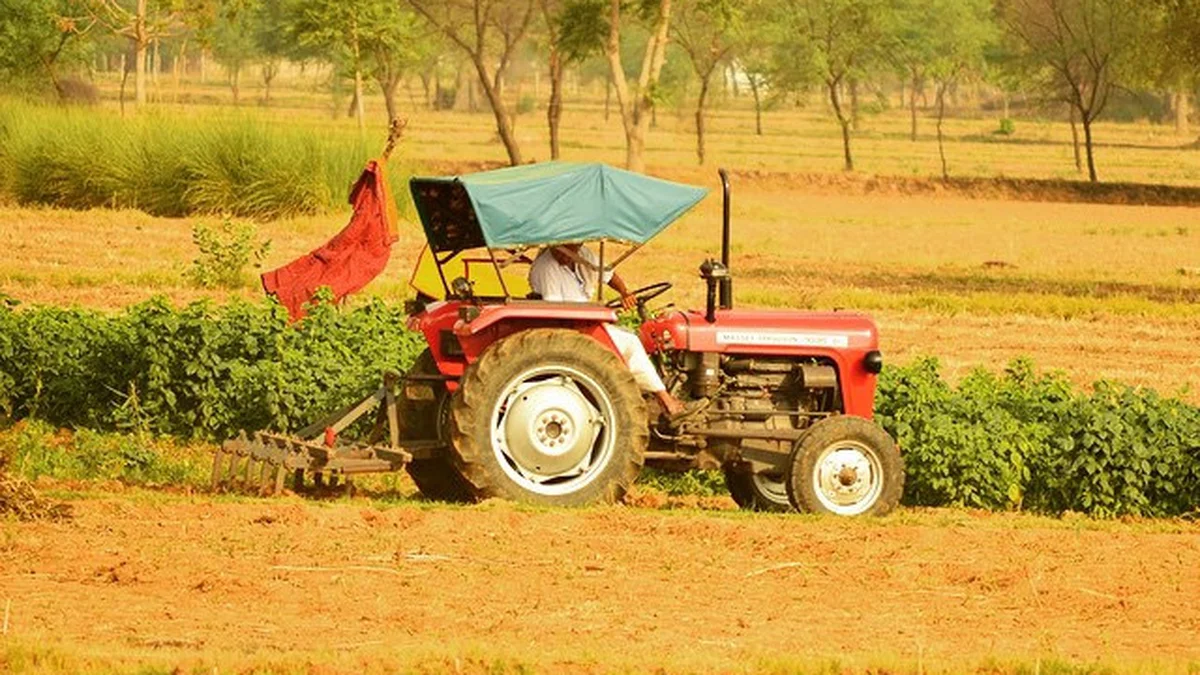
Purchasing an oversized implement for an underpowered tractor causes engine overheating, black exhaust smoke, severe clutch slippage, and excessive diesel consumption. Conversely, operating an undersized implement underutilizes valuable engine torque. Follow this definitive implement matching guide:
- Rotary Tiller (Rotavator): Requires high continuous Power Take-Off (PTO) horsepower. A 35-40 HP tractor comfortably pulls a 5-foot rotavator (36 blades); a 45-50 HP tractor pairs with a 6-foot rotavator (42-48 blades); while 55+ HP is mandatory for 7-foot heavy commercial tillers (54 blades).
- Hydraulic Reversible Mouldboard (MB) Plough: Requires heavy rear-axle traction and responsive draft-sensing hydraulics. Standard 2-bottom MB ploughs demand minimum 45 HP with rear wheel ballast; 3-bottom reversible ploughs require 55 to 65 HP with 4WD engagement to eliminate wheel slippage in dry clay.
- Laser Land Leveller: Requires continuous high engine RPM and dedicated dual-remote auxiliary hydraulic valves. A minimum of 50 to 55 HP is essential to operate the hydraulic bucket blade and transmitter mast smoothly without engine lugging.
- Multi-Crop Thresher: Driven via the 540 RPM PTO shaft. Stationary threshers for wheat, mustard, or pulses require 35 to 45 HP tractors; high-output basket-feed paddy threshers require 45 to 55 HP tractors operating in standard PTO mode.
Government subsidies: SMAM, Farmech DBT & state farm mechanization
Under the central government’s Sub-Mission on Agricultural Mechanization (SMAM), cultivators can secure substantial capital assistance to modernize their field operations:
- Subsidy Scale: Smallholder, marginal, women, and SC/ST farmers receive up to 50% capital subsidy (capped between ₹2.0 Lakh and ₹2.5 Lakh depending on horsepower class). General category farmers receive up to 40% subsidy.
- Online Portal Registration: Apply directly through the national portal at farmech.dac.gov.in or your respective state agriculture portal (such as DBT Agriculture Bihar, Raj Kisan Sathi Rajasthan, or MahaDBT Maharashtra).
- Required Documents: Upload verified landholding records (7/12 extract, Jamabandi, or Khatauni), Aadhaar card seeded with bank account, caste certificate (if applicable), and an authorized tractor dealer proforma invoice.
- Custom Hiring Centers (CHCs): Rural youth, Farmer Producer Organizations (FPOs), and Primary Agricultural Credit Societies (PACS) can secure up to 80% subsidy (capped at ₹8.0 to ₹10.0 Lakh) to establish shared farm machinery banks.
For in-depth model reviews and brand-specific specs, check our detailed price guides on Mahindra tractor price, Swaraj 855, Sonalika tractor, and compact orchard farming with our mini tractor price guide. Cultivators matching primary and secondary tillage tools can also explore our field evaluation on rotavator PTO compatibility.
Explore essential farm machinery, implements & crop guides
Selecting the appropriate farm machinery directly influences operational profitability across diverse cropping patterns. Cultivators preparing seedbeds can review comprehensive management guidelines for staple crops like our paddy cultivation guide and market price updates through our cotton market rate tracker. For ancillary farm equipment and post-harvest machinery, explore our practical evaluation of commercial sugarcane juice machines and soil enrichment practices using cow dung organic manure. Furthermore, commercial growers can check high-value spice trade reports in our cardamom auction rate guide, chemical disease prevention protocols in our Saaf fungicide dosage guide, and verify village welfare allocations through our PM Kisan beneficiary list guide.
Official regulatory portals and farm machinery testing institutes consulted for this guide include the Sub-Mission on Agricultural Mechanization (Farmech Portal), technical dynamometer testing reports from the Central Farm Machinery Training & Testing Institute (CFMTTI Budni), institutional policy bulletins from the Department of Agriculture & Farmers Welfare, and direct welfare disbursement rules on the National DBT Bharat Portal.
Frequently asked questions
- What is the starting price of a new agricultural tractor in India in 2026?
- As of November 2026, entry-level 15 to 20 HP mini tractors start around ₹2.80 Lakh to ₹3.50 Lakh, as detailed in our mini tractor price list. Standard 35 to 45 HP family farm tractors range from ₹5.20 Lakh to ₹7.20 Lakh, while heavy-duty 50+ HP 4WD tractors range from ₹7.80 Lakh to ₹12.50 Lakh.
- Which is the number one selling tractor brand in India?
- Mahindra & Mahindra is India’s largest tractor manufacturer by sales volume, holding roughly 40% of the domestic market through its flagship Mahindra and Swaraj brand portfolios. Explore our detailed breakdown in the Mahindra tractor price and specifications guide.
- How many horsepower (HP) tractor is needed for a 6-foot rotavator?
- A 6-foot rotavator with 42 to 48 cutting blades requires a tractor with at least 45 to 50 engine horsepower and a minimum PTO power output of 38 to 42 HP to prevent engine stalling during deep tillage. Review implement matching in our rotavator price and PTO guide.
- What is the difference between 2WD and 4WD tractors in farming?
- 2WD (Two-Wheel Drive) tractors deliver driving power to rear wheels only, offering tighter turning radius and lower purchase cost for dry field farming. 4WD (Four-Wheel Drive) tractors power all four wheels, delivering 25% higher pulling traction, zero wheel slippage in wet muddy paddy puddling, and superior performance with heavy front loaders. Compare high-power utility options in our Swaraj 855 review.
- How much subsidy does the government provide on tractor purchase?
- Under the SMAM scheme administered via farmech.dac.gov.in, eligible smallholder, marginal, women, and SC/ST farmers receive 50% subsidy (up to ₹2.0 to ₹2.5 Lakh), while general category farmers receive 40% subsidy (up to ₹1.5 to ₹2.0 Lakh) on certified tractors tested by CFMTTI.
- What documents are required to buy a tractor on a bank loan?
- Farmers need an Aadhaar card, PAN card, voter ID, revenue land records (Khatauni/7-12 extract showing agricultural landholding), 6 months bank statement, two passport photos, and an authorized tractor dealer proforma quotation. Farmers can model loan payments using our tractor loan EMI calculator.
- What is the fuel consumption of a 45 to 50 HP tractor per hour?
- Under standard field operations (cultivator/harrow), a modern 45 to 50 HP tractor consumes roughly 3.5 to 4.5 litres of diesel per hour. Under heavy loads like 6-foot rotavating or laser levelling, fuel consumption increases to 5.0 to 6.2 litres per hour. Check brand models in our Sonalika tractor price guide.
- What is PTO power and why is it important in tractors?
- Power Take-Off (PTO) is the rotating splined shaft at the rear of the tractor that transfers mechanical engine power directly to implements like rotavators, water pumps, threshers, and straw reapers. PTO power is typically 80% to 88% of total engine gross horsepower.
- What is the lifespan of an agricultural tractor in India?
- With regular engine oil changes, air filter servicing, and grease lubrication, a quality agricultural tractor operates reliably for 12,000 to 15,000 engine hours, equating to 15 to 25 years of productive farming service.
- Can I use a commercial trolley with an agricultural tractor?
- Agricultural tractors can tow farm trolleys carrying farm produce, seeds, and manure. However, using agricultural tractors for commercial industrial haulage (such as brick kilns or commercial construction sand) requires commercial transport registration and commercial permits.
- What is the recommended tire pressure for agricultural field work?
- For field cultivation, maintain rear tire pressure between 12 and 14 PSI to maximize ground contact traction and reduce soil compaction. For highway haulage with heavy trolley loads, inflate rear tires to 18 to 22 PSI to minimize tire tread wear.
- Where can farmers test and verify official tractor fuel efficiency ratings?
- Farmers can access verified technical test reports on drawbar pull, PTO output, and specific fuel consumption (SFC) published by the Central Farm Machinery Training & Testing Institute at cfmtti.dacnet.nic.in.
This article is for general information only and is not financial advice. Loan and scheme eligibility depends on partner and government criteria.