Rawla Mandi Bhav Today: Mustard, Guar, Wheat & Cotton
Key takeaways
- Rawla Mandi (Sri Ganganagar district, Rajasthan) is one of northern Rajasthan's premier Indira Gandhi Nahar Pariyojana (IGNP) agricultural markets trading Sarso Mustard, Guar Seed, Narma Cotton, Chana, Barley, and Wheat.
- As of November 2026, indicative wholesale spot mandi ranges in Rawla record Mustard (Sarso) around ₹8,100–₹8,700/qtl (~₹8,380–₹8,500 modal), Guar Seed at ₹7,400–₹7,950/qtl, Narma Cotton at ₹8,400–₹9,250/qtl, Wheat at ₹2,580–₹2,670/qtl, and Chana near ₹5,785–₹5,800/qtl.
- Because Rajasthan oilseed and cotton auctions reflect strict quality testing—especially 42% natural oil lab percentages on Mustard and <=8%–10% moisture on raw Narma—clean drying and sieve cleaning directly boost farmer rates ₹200–₹500/qtl.
- Farmers verify daily official Rawla APMC arrival tonnages, modal quotes, and min/max spreads cleanly on Agmarknet (agmarknet.gov.in) alongside KisanPe's Rajasthan market trackers.
- Avoid post-harvest rush discounts on Guar or Mustard by grading lots dry and leveraging e-NWR rural warehouse credit or state Rajasthan subsidies.
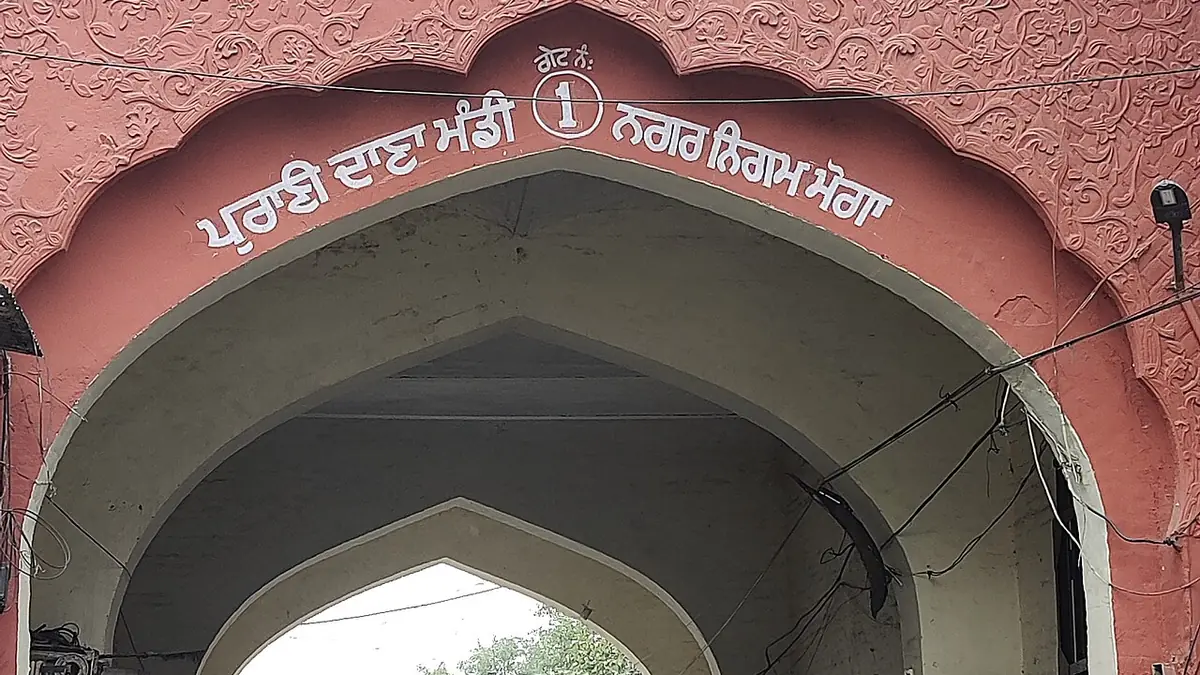
Located along the lush irrigated canal network of western Sri Ganganagar district in Rajasthan, Rawla Mandi (रावला मंडी भाव) serves thousands of desert-oasis farms spanning IGNP Phase-I/II command blocks right up to Gharsana and Anupgarh! Because dry arid weather yields remarkably clean, low-moisture harvests of Mustard (Sarso), Guar Seed (Gwar), Narma Cotton, Barley, Chana, and Wheat, millers from Bikaner, Jaipur, Delhi, and Haryana track Rawla Mandi Rajasthan modal quotes daily. As of November 2026, indicative physical auction bids at Rawla sit around ₹8,100–₹8,700/qtl for Mustard, ₹7,400–₹7,950/qtl for Guar, and ₹8,400–₹9,250/qtl for clean Narma Cotton, with Wheat trading near ₹2,580–₹2,670/qtl. Before hauling your tractor trolley to the platform gate, check official arrival tonnages directly on Agmarknet, verify e-NAM digital bidding options, and benchmark KisanPe hubs including Bhawani Mandi (Rajasthan), Bhattu Mandi (Haryana), wheat rate tables, gram cultivation & IPM guides, and KisanPe Mandi Rates.
1. Indicative Rawla Mandi Bhav Table Across Major Crops (Nov 2026)
Auction commissions inside Rawla Krishi Upaj Mandi Samiti (APMC) move tightly with national edible-oil crushing parity, export Guar gum powder shipments from Jodhpur/Bikaner factories, and Textile Corporation (CCI) cotton floor guidelines. Review verified November 2026 indicative spot ranges alongside primary grading parameters buyers test at the Rawla gate:
| Crop Traded at Rawla Mandi | Indicative Min–Max Band per Quintal (Nov 2026) | Typical Modal Rate | Statutory Reference / MSP Note | Key Auction Parameter Moving Bids |
|---|---|---|---|---|
| Mustard (सरसों / Sarso) | ₹8,100 – ₹8,700 / qtl | ~₹8,380 – ₹8,500 / qtl | Strong spot premium over statutory floor | 42% natural seed oil lab test & <8% moisture (Sarso bhav guide) |
| Cotton / Narma (कपास / नरमा) | ₹8,400 – ₹9,250 / qtl | ~₹8,800 – ₹8,975 / qtl | CCI MSP guidelines protect FAQ loads | Long staple clean picking & dew-free dry lint (cotton hybrid tips) |
| Guar Seed (ग्वार) | ₹7,400 – ₹7,950 / qtl | ~₹7,600 – ₹7,800 / qtl | Market-driven industrial gum export demand | Black-spot free plump golden-white gum split (guar seed rate) |
| Wheat (गेहूं / Gehu) | ₹2,580 – ₹2,670 / qtl | ~₹2,620 / qtl | Central MSP ₹2,425/qtl (PIB MSP) | Moisture <=12.0% & zero broken chaff (wheat rate analysis) |
| Chana (चना / Bengal Gram) | ₹5,785 – ₹5,800+ / qtl | ~₹5,790 / qtl | RMS 2026–27 MSP ₹5,875/qtl floor | Bold Kantawala Desi seed grade & zero pod borer holes |
Watch multi-district Rajasthan and Haryana price parity daily using KisanPe's Mandi Intelligence portal and daily price watch tool, review official bhav check walkthroughs, inspect neighboring oilseed markets in APMC Bhav basics, and check Guar agronomy & yield optimization.

2. Why Rawla Mustard (42% Lab Condition) & Narma Auction Rules Matter
First-time trolley sellers unloading at Rawla Mandi sometimes feel stunned when neighbors standing just two stalls away earn ₹350/qtl higher on identical yellow mustard sacks! In Sri Ganganagar and Hanumangarh APMCs, almost all commercial oilseed trading relies strictly on 42% Oil Lab Condition Pricing:
- Mustard 42% Oil Lab Premiums & Cuts: Oil crushers run rapid lab samples (or oil-analyzer probes) right beside the auction heap; for every 1% above 42% oil content (commonly achieved in crisp RH-749 or Pusa-31 cultivars!), traders pay extra bonus per quintal—while unripe green/shriveled early-cut loads assaying 38% suffer sharp cuts! Compare seed choices cleanly inside KisanPe's top mustard varieties list.
- Dry Dew-Free Narma Cotton Picking: Early morning dew-soaked cotton picked cleanly at 7 AM holds hidden 14%+ wetness that yellows stored lint fibers inside bale presses! Spread freshly picked cotton cleanly on canvas sheets for 3 hours of sun evaporation so dry lint scores top clean Narma staple bids above ₹8,800/qtl.
- Guar Gum Split Export Cycles: Unlike foodgrains tied directly to government MSP floors, Guar Seed pricing reacts fiercely to Jodhpur gum powder export bookings and international oilfield hydraulic fracturing activity—making patient clean storage through dry summer months a proven winner whenever Kharif rains ease!
3. Agronomy & Water Efficiency for Sri Ganganagar Canal Command Farms
Because IGNP canal water rotations (Bari / Warabandi) arrive on strict weekly turns alongside brackish deep tubewells across western Rajasthan, protecting soil salinity and matching water-efficient crops boosts net yield per kanal/bigha far more reliably than heavy fertilizer dumping! Apply verified ICAR-CAZRI / DRMR (Bharatpur) recommendations:
- Gypsum Amendment & Soil Health Testing: Monitor electrical conductivity and pH regularly through Rajasthan Soil Health Cards, and amend sodic canal plots cleanly using agricultural gypsum outlined inside our gypsum soil guide and salinity reclamation manual.
- Sulphur & Boron Boost Mustard Oil %: Applying basal elemental sulphur (SSP/gypsum) paired with targeted flowering Boron 20% calculated on KisanPe's Fertilizer Calculator raises natural seed oil % cleanly above the profitable 42% lab threshold!
- Precision Seed Drills & Zero-Waste Sprinklers: Rajasthan farmers investing in sprinkler/drip water saving (Rajasthan Agriculture Dept Subsidies) and clean line sowing with tractor seed drills cut seed rates 20% and capture even winter pod maturity.
4. Electronic Gate Passes, Godown Pledge Credit & Neighboring Yards
Make every trip onto Rawla Krishi Upaj Mandi floors count by verifying prior-session arrivals on Agmarknet and state RSAMB portals BEFORE booking transport trucks! Register digital farmer lots on e-NAM (compare digital auction benefits), confirm J-Form electronic weighment receipts rather than rough hand-slips, and store excess dry Guar or Mustard inside accredited rural warehouses (Gramin Bhandaran scheme) using cheap e-NWR pledge loans or a Kisan Credit Card whenever peak-month market prices turn soft! Compare nearby northern trading points via KisanPe's mandi locator, Anaj Mandi directory, and central scheme trackers.
5. Cross-Comparing Rawla vs Gharsana, Anupgarh & Sri Ganganagar Mandis
Cultivators situated across the Rawla–Khajuwala–Gharsana canal belt gain tangible negotiation power every Kharif and Rabi harvest simply by comparing posted evening closing bids between Rawla Mandi, neighboring Gharsana, Anupgarh, and Sri Vijaynagar Krishi Upaj Mandis before loading tractor-trolleys! Because Rawla serves as an intensive desert-command assembly hub bordered closely by canal-irrigated mustard, narma cotton, and guar villages, sharp differences of ₹80 to ₹240 per quintal routinely open on peak arrival days depending on whether Bikaner guar gum processors or Jaipur/Bharatpur oil expeller trucks arrive early onto specific yard floors. Keeping track of regional cotton ginning factory rates against raw open-auction Narma cotton bids also ensures moisture cuts never quietly siphon away 5% of farm weight during humid October morning arrivals.
Within Rawla APMC, always insist on checking three statutory compliance documents before releasing grain heaps onto trader weighbridges: first, observe digital moisture meter readings and 42% oil-test condition lab results directly on mustard samples rather than settling for casual visual guesswork; second, inspect calibrated electronic tractor-trolley dharam kanta weighment tickets alongside clean printed commission slips listing exact net weight, hammer rate, and approved statutory hamali / tulai fees prescribed under the Rajasthan State Agricultural Marketing Board (RSAMB) bylaws; third, prefer verified digital RTGS/NEFT account transfers tied cleanly to your Aadhaar-bank record instead of informal postponed cash IOUs (kachi parchi)!
Additionally, balancing annual crop rotations carefully between soil-restoring Kharif legumes (Moong, Moth Bean, Guar), water-saving winter Mustard (RH-749, Giriraj DRMR IJ-31) or Desi Chana (chana pest protection), and drip-irrigated Narma Cotton shields western Rajasthan canal soils from secondary salinity while diversifying household income across multiple auction months. Check district wheat parity (North India wheat rate guide), explore profitable oilseed margins inside KisanPe Crop Insights, estimate machinery EMIs on our Tractor Loan Calculator, and keep weather sprays timed via KisanPe Spray Advisory so untimely spring dust-storms or frost alerts never catch blooming winter crops unprotected!
Finally, progressive Farmer Producer Organizations (FPOs) operating across Rawla, Khajuwala, and Anupgarh blocks can harness Agriculture Infrastructure Fund (AIF) 3% interest-subvention loans (AIF warehouse & cleaning scheme details) to install village-level spiral gravity grain cleaners, mechanical mustard sieves, and mini cold-pressed kachi-ghani mustard oil expellers right near canal chaks! Delivering clean, <8% dry sieved seed directly onto wholesale platforms removes typical ₹100–₹180/quintal admixture cuts cleanly while retaining nutritious cattle-feed khal (mustard oil cake) inside local Sri Ganganagar dairy villages—boosting farm profitability sustainably from field sowing through final market settlement.
Season-Wise Marketing Checklist for IGNP Belt Cultivators
To capture maximum rupees per quintal at Rawla Mandi, follow a disciplined harvest-to-sale routine spanning both Rabi and Kharif cycles across western Rajasthan! During November–February Rabi mustard and wheat growth, track regional temperature forecasts carefully via KisanPe Weather Advisory so pale white frost waves along desert fringes are countered early with timely light sulfur sprays and evening canal irrigation. At March–April harvesting, avoid rushing damp combine-cut mustard heaps onto truck beds immediately after dawn mist; sun-drying heaps thinly on clean cement yards or tarpaulins down below 8.0% seed moisture often unlocks instantaneous ₹200–₹350/quintal premiums inside Rawla's digital moisture and 42% oil testing counters, while also slashing fungal aflatoxin heat spoilage inside gunny sacks!
Across August–November Kharif Cotton (Narma) and Guar marketing months, adopt two-tier clean picking: separate lush dew-free first/second middle-bolls from stained late frosted-bolls BEFORE weighing so white cotton stacks fetch peak lint staple rates instead of bottom junk average bids! Similarly, clean dry white Guar seed free of pod bits and sandy grit—guar-gum export millers in Jodhpur and Bikaner grade viscosity sharply against trash contamination. Finally, calculate realistic on-farm storage holding costs using KCC short-term credit lines (4% effective prompt-repayment rate), monitor inter-state spreads on KisanPe Mandi Rates and mandi trend panels, verify farm machinery hiring rates for threshers via Tractor Loan Calculator, and synchronize clean electronic weighment receipts across every village trip so Rawla Krishi Upaj Mandi sales stay profitable and stress-free every farming year! Additionally, families keeping smallholder livestock alongside desert canal irrigation farming should link green fodder planning cleanly with regional grain screenings (dairy nutrition budgets), inspect price-deficiency and state procurement mechanisms operating across northern bordering districts, and confirm Aadhaar-linked mobile alerts remain active inside their Farmer ID records so NAFED/FCI token confirmations or subsidy transfers arrive cleanly without middleman brokerage leakage. Farmers delivering long trolley loads along canal dirt tracks into Rawla Krishi Upaj Mandi should also bundle clean jute bags separately by harvest quality tier—keeping bright clean prime grain tops isolated cleanly from swept field threshing border lots so electronic weighbridge inspectors grade clean primary sacks toward day's top modal quintal offers rather than pricing entire loads down on tailing defects. Maintaining honest cleaned lot uniformity, digital weighment records, and clean moisture logs right across every seasonal harvest earns repeat buyer trust at Rawla's busiest auction floors year after year while keeping net farm realizations consistently strong! Keeping simple multi-season harvest weight records alongside certified seed batch bills and daily Agmarknet trend sheets transforms Rawla mandi trips into predictable annual family profit.
6. Frequently Asked Questions on Rawla Mandi Bhav (Rajasthan)
Read quick verified answers covering Rawla Mandi Rajasthan arrivals, November 2026 mustard/guar/narma price bands, 42% oil lab testing, e-NAM digital access, and Agmarknet tracking.
Frequently asked questions
- What are the main crops traded in Rawla Mandi (Sri Ganganagar, Rajasthan)?
- Rawla APMC Mandi trades heavy volumes of irrigated Mustard (Sarso), Guar Seed (Gwar), Narma (Cotton), Wheat, Chana (Gram), Barley (Jau), and Moong, backed by the Indira Gandhi Nahar Pariyojana (IGNP) canal command. Check daily arrivals via Agmarknet and KisanPe Mandi Rates.
- What is the indicative mustard (sarso) and guar bhav at Rawla Mandi in Nov 2026?
- Indicative wholesale spot prices at Rawla hover near ₹8,100–₹8,700/quintal (~₹8,380–₹8,500 modal) for FAQ Mustard (Sarso) and ₹7,400–₹7,950/quintal (~₹7,600–₹7,800 modal) for clean Guar Seed—compare mustard spreads in our Sarso rate guide and Guar price tracker.
- What does 42% condition mean in Rawla Mandi mustard auctions?
- Traders test oil seed samples digitally in lab meters against a baseline 42% oil content: mustard assaying higher receives bonus ₹50–₹150+/qtl per extra percentage point, while immature <39% oil grain suffers proportional price cuts.
- How does Rawla Narma (Cotton) rate compare with official CCI MSP guidelines?
- When dry clean Narma lots clear ₹8,400–₹9,250/quintal in open private auctions, farmers sell cleanly at open mandi parity; whenever seasonal arrivals push prices near statutory MSP, Cotton Corporation of India (CCI) procures registered FAQ farmers through APMC yards.
- Can farmers sell wheat and chana at e-NAM through Rawla or nearby Rajasthan APMCs?
- Yes! Integrated e-NAM digital yards allow registered growers holding Aadhaar, Jan Aadhaar/land records, and bank passbooks to unlock nationwide buyer competition—learn workflow details in our e-NAM comparison guide.
- What moisture level avoids price deductions for wheat and chana at Rawla Mandi?
- Target ≤12.0% moisture on wheat and gram, ≤8.0% moisture on mustard seed, and zero morning dew wetness on Narma cotton—and always carry home clean sieved sacks for maximum modal bids.
- Are Rajasthan farmers eligible for sprinkler, farm pond, and machinery subsidies?
- Yes—check state Raj Kisan Sathi portal allocations for subsidized sprinklers, farm ponds (Diggi), barbed-wire fencing, and tractors on our Rajasthan agriculture subsidy guide.
- How can farmers hold Guar or Mustard safely without selling right at peak harvest?
- Dry clean <8% moisture seed thoroughly, deposit bags inside WDRA-accredited facilities, and draw low-cost e-NWR working loans instead of selling at peak arrival troughs.
This article is for general information only and is not financial advice. Loan and scheme eligibility depends on partner and government criteria.