Mandi Bhav Today: Check Official APMC Crop Rates Online
Key takeaways
- Mandi Bhav (मंडी भाव) is the official wholesale auction price discovered daily across India's 6,900+ regulated APMC markets and 1,389+ linked e-NAM digital trading yards—published officially via Agmarknet (agmarknet.gov.in).
- Every mandi bulletin reports three key figures per quintal (100 kg): Minimum Price (lower moisture-heavy lots), Maximum Price (top bold clean quality), and Modal Price (the dominant rate at which the highest volume of farmer produce traded).
- As of November 2026, key government CACP/PIB MSP safety floors protect farmers at ₹2,425/qtl for Wheat, ₹5,875/qtl for RMS 2026–27 Chana, ₹8,000–₹8,450/qtl for Tur (Arhar), ₹7,800–₹8,200/qtl for Urad, and ₹12,027/qtl for Milling Copra.
- Quality parameters—specifically moisture <=12% on dry cereals/pulses, <=8%–9% oilseeds, foreign matter <2%, and varietal purity—move a farmer's actual invoice ₹200 to ₹900/qtl above village gate collectors.
- Compare physical auction yards, e-NAM digital bids, and regional spreads effortlessly on KisanPe's Mandi Rates portal and Mandi Intelligence dashboard.
When an Indian farmer harvests 50 sacks of wheat, cotton (kapas), mustard (sarso), or gram (chana), checking accurate bhav (मंडी भाव — wholesale APMC market rate) before paying tractor trolley diesel is the quickest way to save ₹300 to ₹1,000 per quintal against village distress quotes! Unfortunately, viral social media graphics frequently circulate stale screenshots or inflated 'top auction' outliers that never reflect real modal mandi earnings. Learning how to read Minimum, Maximum, and Modal Bhav directly off official Government portals—specifically Agmarknet and e-NAM (National Agriculture Market)—puts transparent pan-India price discovery straight onto your smartphone! Before loading your harvest trolley, explore KisanPe's live Mandi Rates directory, analyze multi-district trends via Mandi Intelligence, locate competitive yards using our best mandi finder, and review our step-by-step mandi bhav checking guide and regional market roundup. Verify related KisanPe comparisons and official portal references via toor dal guide, urad dal rate.
1. Reading Minimum, Maximum & Modal Mandi Bhav vs Official MSP Floors (Nov 2026)
Why do daily WhatsApp messages from commission agents (arhtiyas) sometimes quote ₹2,950/qtl while your cousin at the very same yard sells his trolley at ₹2,540/qtl? Because every regulated APMC auction yard discovers three distinct daily bhav figures per quintal (100 kg): Min Bhav (rain-damaged or wet uncleaned lots), Max Bhav (rare extra-bold low-moisture seed lots), and Modal Bhav—the true bellwether price paid on the majority of standard Fair Average Quality (FAQ) crop sacks! Always track Modal Bhav alongside statutory Minimum Support Prices (MSP) published via PIB India and CACP:
| Major Farm Crop | Official Central MSP Benchmark | Indicative Open Mandi Spot Band (Nov 2026) | Benchmark Flagship Mandis | Key Assay Factor Moving Bhav |
|---|---|---|---|---|
| Wheat (Gehu) | ₹2,425 / qtl (RMS 2025–26 & 2026–27) | ₹2,580 – ₹3,650 / qtl (Lokwan vs Sharbati) | Sehore, Indore, Khanna, Karnal | Moisture <=12.0%; bold golden lustre & hectolitre weight (wheat rate guide) |
| Gram / Chana | ₹5,650 (25–26) · ₹5,875 / qtl (RMS 26–27) | ₹5,750 – ₹7,900 / qtl (Desi vs Kabuli higher) | Indore, Bikaner, Latur, Delhi | Bold seed sieve diameter & zero bruchid holes |
| Tur / Arhar (Pigeon Pea) | ₹8,000 (25–26) · ₹8,450 / qtl (KMS 26–27) | ₹7,600 – ₹9,200 / qtl raw; milled dal higher | Kalaburagi, Latur, Akola, Pipariya | White-seeded bold grain & <12% dry moisture (toor dal guide) |
| Urad (Black Gram) | ₹7,800 (25–26) · ₹8,200 / qtl (KMS 26–27) | ₹7,400 – ₹8,900 / qtl raw black urad | Guntur, Madurai, Jabalpur, Latur | Stain-free weather-clean coat (urad dal rate) |
| Turmeric (Haldi) & Mustards | Statutory Mustard MSP ₹5,950+ band | Haldi ₹18k–₹23k+/qtl · Sarso ₹8.1k–₹8.7k/qtl (Rawla/Alwar) | Erode, Sangli, Alwar, Sri Ganganagar | Curcumin % (Haldi) & 42% natural Oil % (Mustard) |
Compare active harvest prices closely across flagship North and Central markets inside KisanPe's dedicated hub trackers including Keshopur Mandi (Delhi), Ghazipur Subzi Mandi, Bhattu Mandi (Haryana), Bhawani Mandi (Rajasthan), Dhamnod Kapas Mandi (MP), Betul Mandi, regional Anaj Mandis, and Dhaan paddy markets.
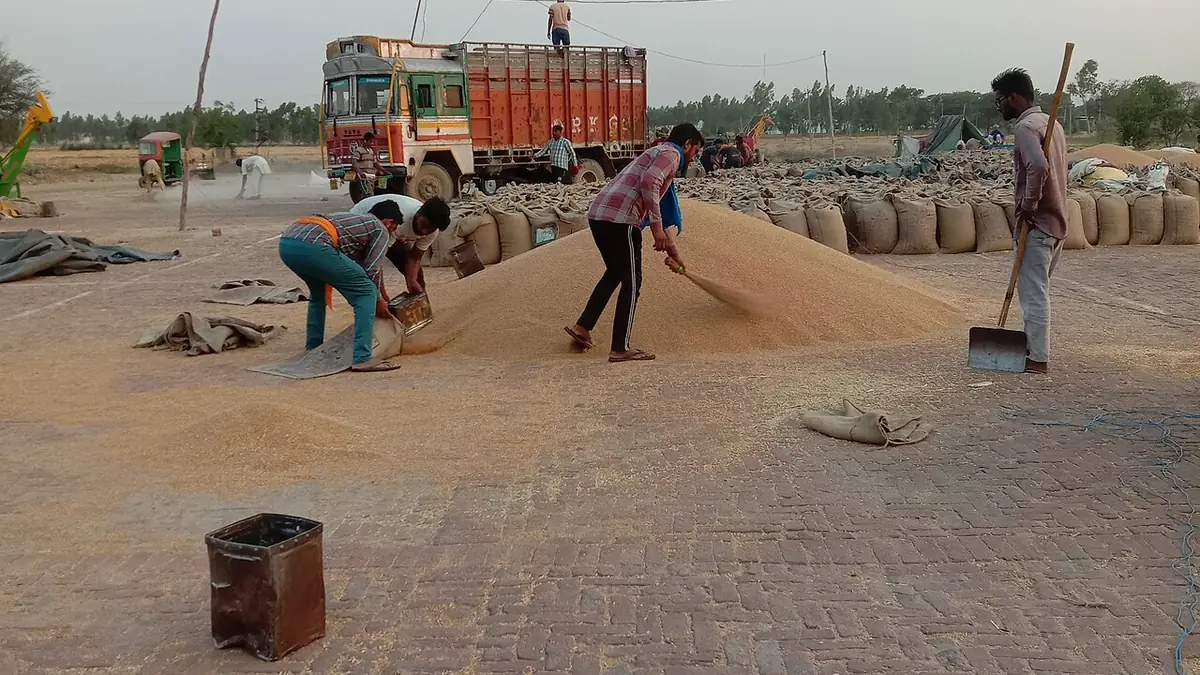
2. How to Check Verified Daily Mandi Bhav on Agmarknet & e-NAM
Rather than relying solely on second-hand middlemen phone calls, check official government auction data straight from district APMC computers every afternoon/evening using this fast workflow:
- Step 1 – Open Official Agmarknet Portal: Navigate to agmarknet.gov.in -> click Market Profile / Daily Commodity Arrivals -> select Commodity (e.g., Cotton, Wheat, Mustard, Cardamom, Turmeric) -> State -> District APMC Market and recent Date range.
- Step 2 – Inspect Modal Rate & Arrival Tonnage: Never look at price alone! Watch Arrivals (Tonnes) cleanly: if regional arrivals dropped 40% overnight while Modal Bhav rose ₹80/qtl, millers are actively short-covered and likely to bid up cleanly.
- Step 3 – Compare Distant e-NAM Buyer Bids: If your district yard runs integrated digital trading via e-NAM, generate an electronic gate pass at entry, submit a clean sample to the mandi assaying lab, and invite millers in Mumbai, Indore, or Delhi to bid online—boosting net prices by ₹75–₹150+/qtl per farmer feedback! Read full mechanics in our e-NAM vs local mandi walkthrough.
3. Five Practical Steps Farmers Use to Capture Maximum Bhav
Two neighbors harvesting the exact same 4-acre wheat or cotton crop regularly earn ₹400/qtl apart on the very same morning! Why? Market buyers penalize wet or trash-laden bags ruthlessly while rewarding clean, dry, well-graded produce:
- Strict Moisture Discipline Before Weighing: Sun-dry harvested cereals and pulses cleanly below 12.0% moisture (and raw cotton kapas free of early morning dew!)—excess moisture above FAQ slabs triggers automatic weight cuts plus storage rot discounts.
- Home Spiraling / Sieve Cleaning Costs ~₹25/qtl, Earns ~₹250/qtl: Passing threshed gram, mustard, or haldi fingers over a simple perforated farm sieve removes straw bits and stone dust, shifting bids smoothly out of lowest Min quotes straight toward top modal deals.
- Segregate Premium Varieties Separate from Feed Grain: Never dump high-protein MP Sharbati wheat or bright green 8mm Bold Cardamom together with broken tail-end screenings!
- Track Global & Port Parity Drivers: Pulse, edible oil, and spice bhav track international port policies closely—check our Mandi Price Watch and historical price trend alerts before deciding whether to sell immediately.
- Avoid Post-Harvest Distress via Pledge Financing: When peak April wheat or October kharif arrivals suppress bhav briefly below MSP, keep grain dry inside WDRA-accredited warehouses (rural godown scheme) and unlock cheap 7% working loans via an electronic e-NWR receipt or your Kisan Credit Card.
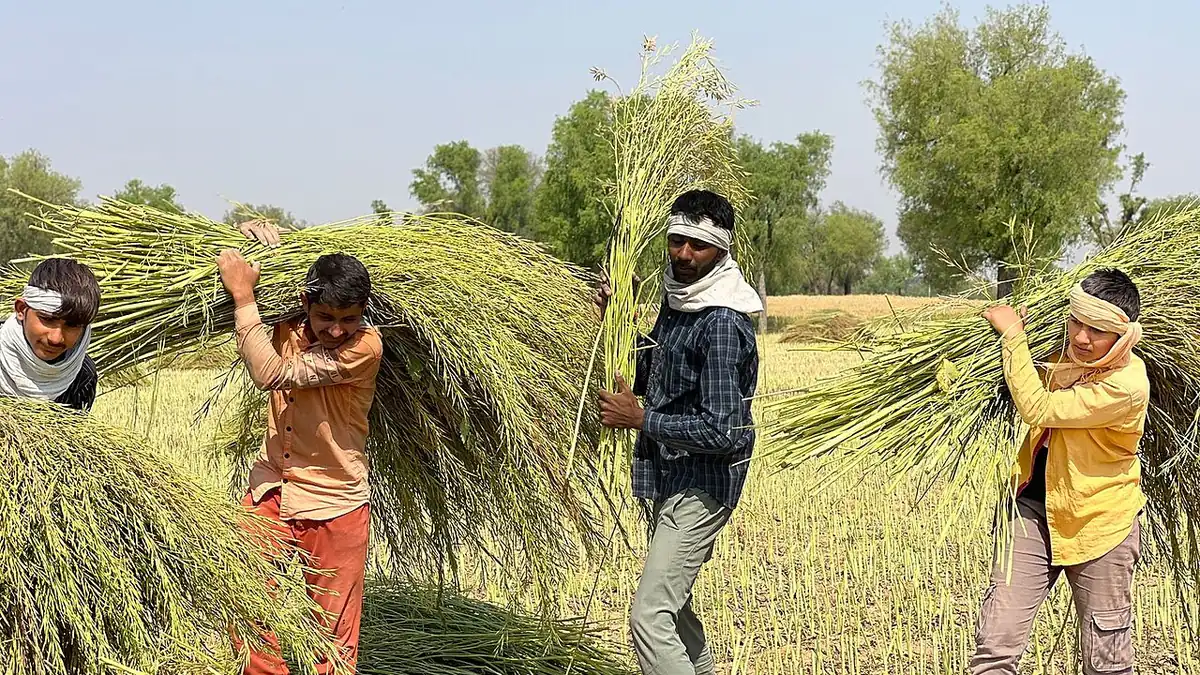
4. Kapas Bhav, Oilseeds & Procurement Agency Channels (NAFED / CCI / FCI)
For cotton farmers checking kapas bhav across Maharashtra, Gujarat, Telangana, MP, and Haryana, remember that private ginning offers track CCI (Cotton Corporation of India) MSP centers closely whenever arrivals flood ginning yards—register Aadhaar, Bank DBT, and Kharif crop surveys early so state portals accept your clean cotton trolleys cleanly! Likewise, pulse and oilseed growers must stay registered on NAFED e-Samridhi and state procurement apps (PM-AASHA guide) while wheat/paddy growers confirm village registry schedules (paddy procurement civil supplies guide). Don't forget to keep your AgriStack Farmer ID and land seeding verified cleanly ahead of harvest months so every MSP transfer lands straight via PFMS within 48–72 hours!
5. State-Wise APMC Portal Directory & How Mandi Commissions Work
Beyond national aggregation on Agmarknet and e-NAM, state agricultural marketing boards run fast district bulletin portals worth bookmarking on farm smartphones: Punjab's Mandi Board, Haryana's e-Kharid, Madhya Pradesh's Mandi Bhav / e-Mandi MP (vital for Sehore wheat, Neemuch garlic/alsi, and Dhamnod kapas), Rajasthan's RSAMB portals (tracking Sri Ganganagar, Kota, and Bikaner mustard/guar), Maharashtra's MSAMB, and Uttar Pradesh's Mandi Parishad covering Muzaffarnagar gur and Chandausi mentha oil. Whenever unloading produce at open auctions, always verify statutory mandi slip deductions carefully—commission (arhat), clean sieving charges (jharai), electronic weighbridge slip (parchi), and labour loading (hamali) vary strictly under state APMC byelaws (~1.5%–2.5% statutory agent fee typically recovered from buyers on regulated floors rather than docked silently off farmers!). Checking physical weighment slips against posted mandi notice-board modal bhav keeps seasonal crop earnings transparent.
Growers managing diverse seasonal crops can plan pre-harvest marketing schedules calmly alongside KisanPe's calculation and finance ecosystem: benchmark balanced input outlays via our Fertilizer Calculator and Seed Rate Calculator, estimate equipment installments with the Tractor Loan Calculator, inspect regional cotton hybrid economics, and review active central farm subsidy programs so tight mandi prices never derail household farming budgets. Moreover, remember to preserve every official APMC sale auction slip (J-Form / Tak Patti) and electronic NEFT/RTGS settlement bank reference cleanly inside a seasonal ledger: verified mandi sale receipts strengthen future KCC limit renewals, validate harvest income cleanly for agricultural machinery loans, and protect smallholder growers against unrecorded cash brokerage deductions at village collection mandis. Checking live daily arrivals at three neighboring district yards before booking transport saves farmers ₹100–₹350/quintal cleanly even after accounting for extra 25 km diesel mileage, turning routine mandi homework into reliable annual farm profit! In pulses, oilseeds, and coarse cereals alike, synchronizing cleaning, moisture grading, and digital auction timing remains every grower's strongest edge across dynamic rural Indian markets.
Farmers storing dry grain on-farm rather than panic-selling during peak harvest fortnight glut weeks can strengthen price realization further through the Government's e-NWR (electronic Negotiable Warehouse Receipt) system regulated by WDRA alongside Interest Subvention pledge loans offered through PACS and scheduled rural banks. By depositing clean, graded produce into accredited warehouses or cooperative cold storages instead of accepting forced harvest discounts, growers obtain short-term working liquidity for next-season certified seed procurement and land preparation while awaiting post-arrival price recovery across regional mandis! At the same time, tracking official harvest arrivals against domestic sowing acreage reports helps farmers recognize early signals whenever surplus pulses or imported edible oils soften local auction bids. Whether comparing chana at Bikaner, jeera at Unjha, mustard at Bharatpur, or wheat at Sehore, maintaining clear quality records—grain moisture percentages, bold-seed screen sizes, and clean admixture counts—turns anonymous spot-selling into informed commodity marketing year after year. For mixed cropping households cultivating wheat, gram, oilseeds, and summer vegetables, archiving weekly weighted-average APMC price spreads over two consecutive harvest seasons builds reliable marketing calendars without relying on erratic hearsay rumours at rural tea stalls.
6. Frequently Asked Questions on Mandi Bhav & Farm Prices
Explore crisp answers below covering how Agmarknet reports Min/Max/Modal mandi bhav, checking kapas/wheat/mustard rates, moisture cuts, e-NAM electronic auctions, and NAFED MSP protection.
Frequently asked questions
- What does Modal Bhav mean in Indian mandi rate lists?
- Modal Bhav is the central market price at which the majority of standard Fair Average Quality (FAQ) farmer produce sold during that day's auction at an APMC mandi—far more reliable than isolated Minimum (wet/damaged) or Maximum (rare bold seed) extremes published on Agmarknet.
- Where can farmers check official government mandi bhav daily?
- Farmers can verify official state and district APMC modal prices directly on Agmarknet.gov.in, track national online trade auctions on e-NAM, or browse consolidated hub summaries on KisanPe Mandi Rates and our step-by-step mandi bhav guide.
- What is the difference between Mandi Bhav and Government MSP?
- Mandi Bhav moves daily based on open buyer demand, local arrivals, and freight costs; MSP (Minimum Support Price) is the statutory central guarantee set via PIB / CACP where FCI, CCI, or NAFED procure FAQ crops directly whenever open mandi rates dip lower—compare examples on our wheat rate analysis.
- Why do mandi traders bid lower for damp or uncleaned grain sacks?
- Grain exceeding 12% moisture risks insect/fungal heat rot inside storage godowns and yields lower flour/dal mill recovery; private buyers deduct pro-rata weight and cleaning charges unless lots are sun-dried and sieved cleanly prior to auction.
- How can a farmer sell crops on e-NAM to buyers across other states?
- Visit any e-NAM enabled APMC market with your Aadhaar, land passbook, and bank details, obtain a computerized e-gate pass, complete moisture/quality lab assaying, and list your lot on e-NAM digital bidding for nationwide miller competition.
- How does kapas bhav differ between unginned raw cotton and pressed cotton bales?
- Kapas bhav represents the raw seed-cotton price paid directly to growers per quintal (~33%–35% lint cotton + ~65% cottonseed oilcake value), whereas cotton candy prices track ginned pressed bales—check seed/crop links via our Dhamnod cotton mandi profile.
- Is there any mandi tax deducted when farmers sell wheat or paddy at MSP?
- No. Under statutory central MSP procurement guidelines, state market cess, rural fees, and arhtiya charges are borne directly by procurement agencies (FCI / State civil supplies), paying farmers 100% of notified MSP directly via DBT.
- How can farmers avoid distress selling when mandi bhav dips right after harvest?
- Store dry cleaned produce safely inside accredited facilities under our rural godown guide and take low-interest pledge loans via electronic negotiable warehouse receipts (e-NWRs) until off-season prices recover.
This article is for general information only and is not financial advice. Loan and scheme eligibility depends on partner and government criteria.