West Bengal & Bardhaman Egg Rate Guide: NECC Math & Markets
Key takeaways
- Exact NECC Conversion Formula: Official Kolkata/Bengal NECC quote (₹ per 100 eggs) converts cleanly: ÷100 = 1 Egg Base, ×0.30 = 30-Egg Pulp Tray, ×2.10 = 210-Egg Carton Box (Peti).
- Deficit Supply Bridge (AP/Telangana -> Bengal): Because West Bengal consumption outstrips state domestic hen housing slightly, Andhra/Telangana highway arrivals directly set seasonal floor floors in Kolkata.
- 75%–80% Layer Mash Feed Cost Driver: Daily egg profitability inside Bardhaman & Medinipur tracks Yellow Corn (Bihar rabi maize!) and Soybean DOC meal costs cleanly.
- Cold Winter & Puja Peaks vs Monsoon Spoilage: Crisp November–February baking/household demand firms rates upward cleanly while warm humid August slows shelf life unless cooled neatly.
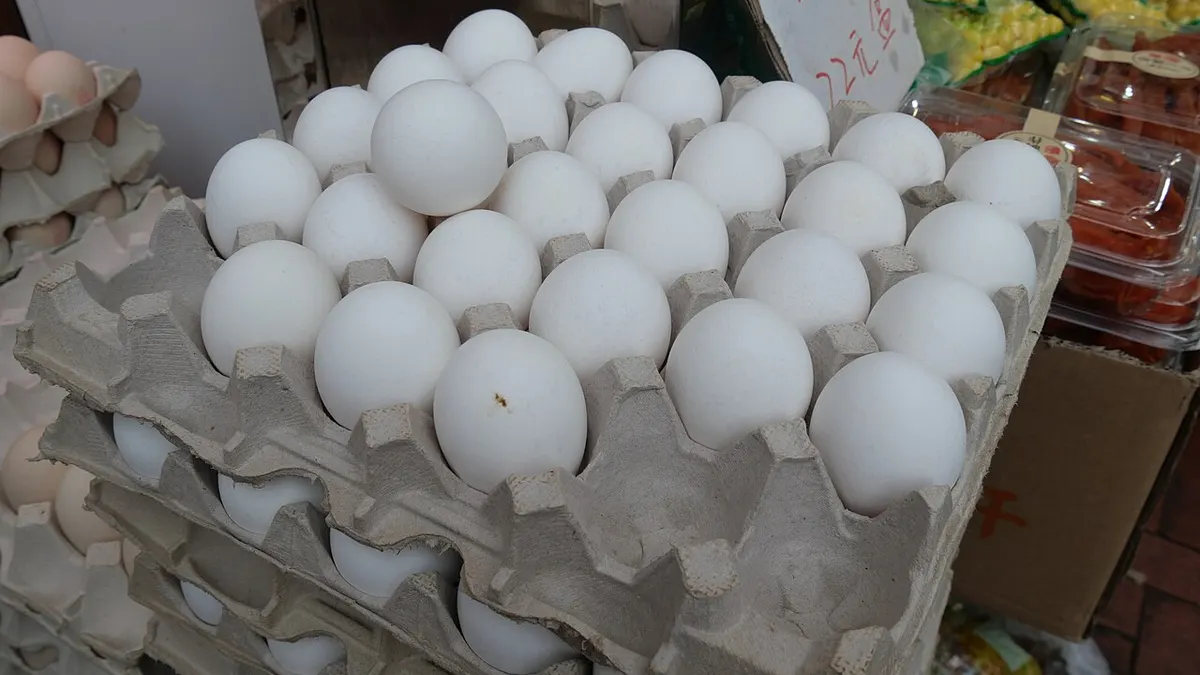
Checking today egg rate west bengal (egg rate today in west bengal, Bardhaman egg rate, Bankura, Medinipur, and Siliguri / Kolkata wholesale wholesale lifting parity) puts retailers and poultry unit owners straight onto NECC (National Egg Coordination Committee, e2necc.com) morning benchmarks! Across eastern India, Kolkata / West Bengal quotes per 100 commercial white eggs, while local rural distributors translate those smoothly cleanly into 1-Piece retail (÷100), 30-Egg Tray (×0.30), and 210-Egg Wholesale Box (×2.10!)—while factoring Bihar/Telangana incoming train-truck parity (supplying Bengal’s massive daily urban appetite) alongside local Bardhaman & Bankura broiler-layer farms! Track clear feed-to-egg margins via Poultry ROI Tool alongside Barwala Hub & Delhi NECC Markets.
Strictly avoiding fabricated fake daily rate stickers, examine exact 100-egg -> tray (30) -> peti (210) box calculations, seasonal Durga Puja / Winter vs scorching April–May demand, Bihar feed maize dynamics, and Poultry KCC ₹2 Lakh loans!
How NECC declares Bengal & Bardhaman egg rates (100 Eggs -> 30-Egg Tray -> 210-Egg Peti)
Walk past Sealdah’s bustling Muchipara wholesale egg bazaar, Bardhaman town depot, or Durgapur wholesale arhats asking "bardhaman egg rate" or "egg rate in west bengal today", and experienced dealers cite three intertwined pricing tiers (e2necc.com): 1) Daily NECC Declared Base Benchmark (standardized strictly per 100 sound white commercial eggs across Kolkata / WB zones), 2) Farm-Gate Wholesale Paper Box (1 Peti = 7 trays × 30 eggs = 210 eggs), and 3) Neighborhood Kirana Pulp Tray (30 Eggs) & Single-Egg Retail (1 Piece)!
Understanding transparent box conversion protects both layer farmers AND hostel/bakery bulk buyers cleanly against tricky trader markups! Take any live verified e2necc.com West Bengal 100-egg rate R: Base Single Egg = R ÷ 100 | Base 30-Egg Tray = R × 0.30 | Base 210-Egg Peti = R × 2.10 (plus honest clean cardboard tray/carton packaging, local freight haulage, and 1%–2% breakage buffer!) (All-India NECC Calculations & Check Layer Flock Margins). Compare inter-state parity cleanly against Barwala Haryana and Regional Murga Mandis.
| Egg Trading Unit (West Bengal) | Exact Mathematical Multiplier Off NECC (R) | Trade Channel & Practical Handling Cost Factors |
|---|---|---|
| NECC Declared Reference | R (Per 100 Eggs) | Verified morning zone bulletin published cleanly via e2necc.com |
| Single Egg Unit (1 Piece) | R ÷ 100 (e.g. R=550 -> ₹5.50 base) | Kirana tea-stall / neighborhood retail rounds up to cleanly clear local shopkeeper breakage |
| Pulp Filler Tray (30 Eggs) | R × 0.30 (e.g. R=550 -> ₹165 base) | Direct farm-gate household/hostel pack (add clean pulp tray cost ~₹5–₹8/tray) |
| Wholesale Master Carton (210 Eggs) | R × 2.10 (7 Trays = 1 Peti) | Standard inter-district Bardhaman -> Howrah / Siliguri transport box unit |
Bardhaman, Bankura & Medinipur layer belt vs Andhra-Telangana imported supply flows
Why do West Bengal egg prices frequently remain firmer than surplus southern pockets like Namakkal (Tamil Nadu) or Hospet (Karnataka) even during scorching April summer heat? Because Bengal represents one of India’s strongest per-capita daily egg-consuming food states—anchored cleanly by brisk Kolkata, Howrah, Asansol, and Siliguri demand! Even as progressive commercial layer clusters inside Purba & Paschim Bardhaman, Bankura, Birbhum, and Paschim Medinipur scale rapidly backed by state livestock incentives (dahd.nic.in), millions of fresh eggs continue rolling weekly across East Coast expressways from East/West Godavari (Andhra Pradesh) and Telangana (carrying 1,000+ km refrigerated/ventilated truck freight!) (Regional Price Parity Hub)!
Whenever dense cyclonic rainstorms along Odisha-Andhra NH-16 temporarily disrupt coastal freight OR northern winter bakery/street-roll peaks jump cleanly after Durga Puja and Kalipuja (October–January), local Bardhaman and Medinipur farm-gate traders enjoy swift upward realizations cleanly (Compare North India Peaks)!
- Grading Bold Layer Size Cleanly (Pullet vs Medium vs Bold >55 g): Separate tiny ~42–46 g initial 20-week pullet eggs (sold to biscuit bakeries) strictly away from prime 55–60 g jumbo bright-white shell cartons holding full NECC parity!
- Zero Damp Floor Pulp Spoilage In Humid Bengal Monsoons: Humid July–August rains invite invisible fuzzy green mould onto damp cardboard flats inside 72 hours—stack master cartons raised smoothly on crisp wooden slats inside airy dry godowns.
- Track Nearby Purnea & Bihar Rabi Maize Arrivals: Every Bengal layer unit’s 75%–80% cash outflow rides on Bihar/Jharkhand yellow maize & De-Oiled Rice Bran (DORB)! Lock crisp seasonal maize during Bihar’s April bumper flush (cutting layer feed per egg sharply!).
Layer flock nutrition (~110 g feed/hen/day), summer shell cracks & ICAR biosecurity
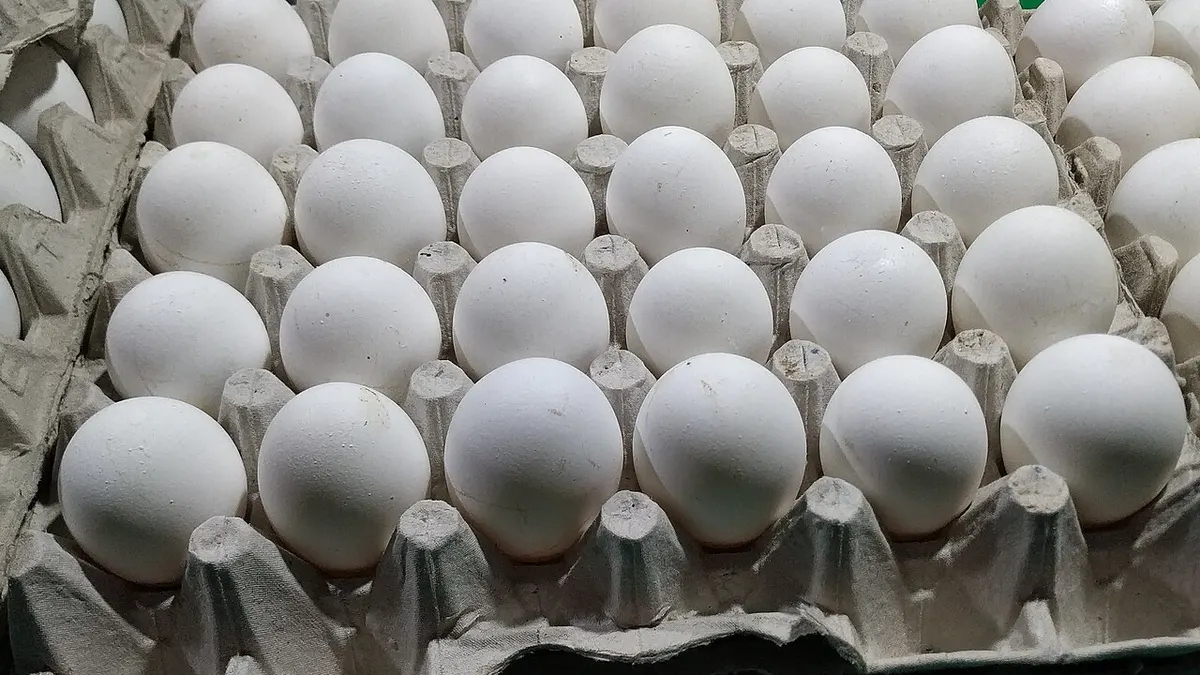
Surviving volatile lean summer demand weeks without losing shed equity hinges strictly on tight daily feed conversion (ICAR-DPR Hyderabad)! A healthy commercial white-leghorn laying hen consumes evenly ~105–115 grams balanced layer mash daily (requiring ~2.1–2.3 kg balanced feed to yield 12 crisp clean eggs!)—yet scorching 40°C+ May afternoons across Bankura and Bardhaman depress hen appetite violently, causing thin fragile brittle shells ("crackers") unless farmers add cool crisp afternoon water sprinklers, supplemental granular oyster-shell Calcium grit (evening calcium boost!), and electrolytes (Vitamin C + Electrolytes) via shed pipelines!
Simultaneously inspect fresh layer litter moisture carefully, eliminate wild crows/rats sneaking inside wire mesh panels (preventing Avian Influenza & Newcastle outbreaks), and sanitize used reusable plastic transport crates cleanly off-farm ahead of entering sheds (Poultry Biosecurity Guide).
Financing West Bengal layer farms via ₹2 Lakh Poultry KCC & AHIDF capital support
Setting up commercial 5,000-to-10,000 bird automatic cage layer sheds or scaling backyard RIR / Kroiler coloured egg birds (Backyard Poultry Models) draws strong institutional support across West Bengal! Eligible independent farmers tap concessional working capital via Poultry Kisan Credit Card (₹2 Lakh base tier @ ~4% net prompt interest — Poultry KCC Eligibility) alongside central Animal Husbandry Infrastructure Development Fund (AHIDF) interest-subvention grants covering clean automated feed mills and ventilated egg cold storages (Calculate Break-Even Timeline)!
Tracking Bardhaman, Bankura & Kolkata demand spikes around Durga Puja, Winter & School Reopenings
Experienced commercial layer egg farmers across Purba & Paschim Bardhaman, Bankura, Birbhum, Hooghly, and Siliguri map cashflow reserves smoothly across Bengal’s four distinct annual buying seasons (e2necc.com)! 1) Peak Winter Surge (Late Oct – Feb): cooler days ignite crisp Kolkata bakery pastry baking, street egg-roll stalls, roadside dimer chop consumption & school/college hostel mess buying pushing NECC rates stoutly higher; 2) Late Spring Heat Moderation (April – Early June): scorching 40°C temperatures slow household retail buying while hot sheds shed tiny cracked eggs unless evaporatively cooled!
3) Heavy Rainy Shravan & Transit Squeeze (July – Sept): flooded coastal Odisha/Andhra bridges occasionally delay southern AP truck arrivals cleanly supporting local Bardhaman fresh eggs against wholesale shortages; 4) Durga Puja / Kalipuja Festive Rush (Oct): brief Puja meat shifts balance rapidly back toward high bakery/festive household consumption (making Oct–Jan Bengal layer operations consistently strongest!) (Check Layer Budget ROI & All-India Egg Trends).
- Keep Clean Automated Nipple Drinkers Flush-Cooled Every Summer Hour: Hot standing black rooftop water pipes exceeding 32°C stop hens drinking cleanly (cutting daily egg output & cracking thin shells quickly!)—bury/wrap supply lines in cool jute or shade!
- Record Daily Hen-Day Egg % (Peak 92%–95%) vs Gram Feed Intake: Spotting gentle 3% drops early reveals silent Coryza / Newcastle stress or moldy damp maize toxins cleanly days ahead of heavy flock loss (Biosecurity Check).
- Convert Aged Layer Shed Litter & Culled Spent Birds Smartly: Composted rich dry layer droppings command high demand across Hooghly/Bardhaman potato & summer vegetable belts!
Preventing Mycotoxin (Aflatoxin) maize poisoning & optimizing Bengal layer mash costs
Because 75%–80% of West Bengal egg production expense sits inside feed troughs (pdonpoultry.org), humid Bengal monsoon air creates one silent killer: hidden golden Aflatoxin mould (Aspergillus flavus) blooming rapidly inside damp stored Bihar maize or rain-wet rice bran sacks! Feeding even low toxin-contaminated mash shrinks yolk size, softens liver efficiency, triggers patchy blood spots on white shells, and suppresses antibody protection after clean vaccinations! Always check incoming April-harvest Bihar maize with moisture meters (≤12%–13% max!), blend certified toxin-binders neatly at feed mills, stock dry elevated wooden godown bags safely, and balance cashflow cleanly using Poultry KCC Working Loans.
Maintaining cool clean ventilated layer poultry sheds across Bardhaman and Medinipur summers paired with dry clean Bihar maize storage protects consistent shell durability, minimizes sudden weather mortality, and strengthens wholesale tray and peti profit returns smoothly across all Bengal markets year-round. Keeping reliable backup feed reserves ahead of heavy coastal monsoons stabilizes egg output effortlessly cleanly across commercial layer flocks and village poultry sheds nationwide. Recording daily flock water-to-feed ratios carefully prevents silent summer dehydration dips and preserves crisp white shell uniformity across busy eastern holiday seasons and morning Kolkata supply auctions smoothly without seasonal flock losses or egg grading rejects across regional poultry zones.
For broader financial, market, and crop-planning continuity alongside today egg rate west bengal, farmers across India also consult KisanPe resources including KisanPe Mandi Rates Directory, KisanPe Mandi Price Trends, Mandi Price Watch, Best Mandi Near Me Finder, AI Mandi Intelligence Tool, Mandi Market Intelligence Services, Crop Insights Hub, Crop Income Calculator, All-India Mandi Bhav Guide, Anaj Mandi Arrival & Auction Guide, Gehu Ka Bhav Commodity Report, Indian Wheat Rate & MSP Guide, Sarso Ka Bhav Market Overview.
Frequently asked questions
- How do farmers calculate 30-egg tray and 210-egg box rates from NECC’s West Bengal rate?
- Take NECC’s published Kolkata/WB 100-egg benchmark (e2necc.com) R: 1 Egg Base = R ÷ 100 | 30-Egg Tray = R × 0.30 | 210-Egg Master Box (Peti) = R × 2.10, plus honest local carton/breakage handling (NECC Formula Hub).
- Which districts lead domestic commercial egg production inside West Bengal?
- Leading commercial layer sheds cluster across Purba & Paschim Bardhaman, Bankura, Birbhum, Paschim Medinipur, and Nadia, while Andhra Pradesh & Telangana ship extra bulk trucks daily covering metro urban Kolkata demand (dahd.nic.in).
- Why does Bardhaman & Kolkata egg pricing shift sharply between May summers and November winters?
- Blistering May heat plus school holidays cools urban baking/household eating (softening rates gently), whereas crisp winter rolls/cakes post-Durga Puja ignite peak statewide festive buying cleanly (Layer Profit Tool).
- What proportion of layer egg production expenses goes toward hen feed?
- Balanced layer feed (chiefly Bihar/Bengal yellow maize, soybean DOC & rice bran) swallows roughly 75% to 80% of daily recurring production outlay (pdonpoultry.org)—making strategic April maize stocking crucial (Compare Broiler Economics).
- How can Bengal poultry farmers reduce thin cracked shells during scorching May afternoons?
- Feed supplementary coarse calcium grit / limestone chips (~4–5 g/bird) calmly during cool late afternoon, insulate tin roofs (white heat-reflective paint + foggers), and dose electrolytes in cool well-shaded drinkers.
- Does West Bengal also supply high-margin Desi / Duck eggs alongside standard white eggs?
- Yes—rural Bengal enjoys massive seasonal affinity for indigenous Desi hen and wetland Khaki Campbell / Indian Runner duck eggs commanding steady village haat premiums (often 1.5x–2x white eggs) (Backyard Poultry Hub).
- Can small Bengal poultry farms get 4% subsidized KCC working-capital loans?
- Yes—registered egg/layer farmers qualify for Animal Husbandry KCC (up to ₹2 Lakh base tier) featuring central Interest Subvention (cutting feed-credit squeeze cleanly) (Check Poultry KCC).
- How long do fresh white eggs hold freshness at Bengal retail counters without cold storage?
- During cool 15°C winter weeks unwashed natural bloom eggs hold 14–21 days cleanly, whereas damp warm 35°C+ Bengal summers demand swift 5–7 day carton turnover (or 10°C cool rooms) preventing spoilage (Compare Regional Shelf).
- How does hidden Mycotoxin (Aflatoxin) inside humid stored maize hurt Bengal egg layers?
- Damp mouldy grain damages hen livers quietly shrinking yolk weights, softening shells, and ruining flock vaccine immunity cleanly—store dry ≤12% corn off bare concrete (pdonpoultry.org).
- When do West Bengal layer farmers typically capture strongest seasonal egg realizations?
- Crisp post-Durga Puja through February winter (Oct–Feb) fuels intense Kolkata cake/egg-roll & hostel kitchen buying lifting net tray/box realizations reliably (Check Layer Budget).
This article is for general information only and is not financial advice. Loan and scheme eligibility depends on partner and government criteria.